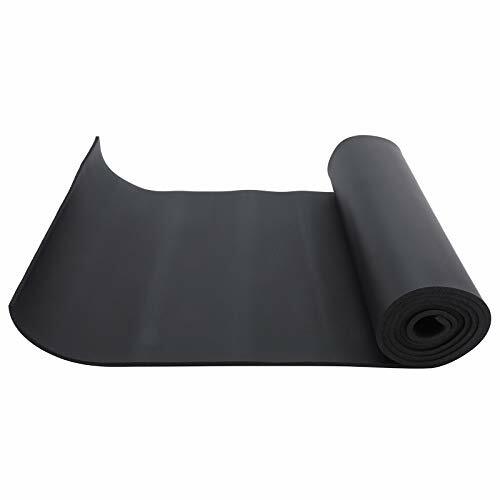

Photos from current listings. Actual item, color, and included accessories may vary.
Cosplay Eva Foam Sheet Buying Guide
Cosplay EVA foam sheets are closed-cell ethylene-vinyl acetate panels used to build armor, props, and masks because they heat-form, cut cleanly, and hold shape without cracking. The core trade-off is density versus workability: high-density (38 kg/m³ and up) holds fine detail and resists compression, while lower-density foam is softer and easier to sculpt but dents and sags. Buy high-density sheets for structural armor and helmets, and reserve softer or thinner stock for organic shapes and filler layers.
Median $32.05
Key takeaways
- Density drives durability: 38 kg/m³ (roughly 2.4 lb/ft³) high-density EVA resists compression set and holds bevels; sub-30 kg/m³ foam crushes and loses shape under strapping.
- Closed-cell EVA is waterproof and glue-friendly; open-cell or blended PE foam absorbs contact cement unevenly and tears at thin edges.
- Thickness tiers behave differently: 2–3 mm for wraps and detail skins, 5–6 mm for general armor plates, 10 mm+ for helmets and structural shells that need heat-forming.
At a glance
- Category
- EVA Foam, Thermoplastics & Tools
- Last updated
- Nov 28, 2026
Current offers
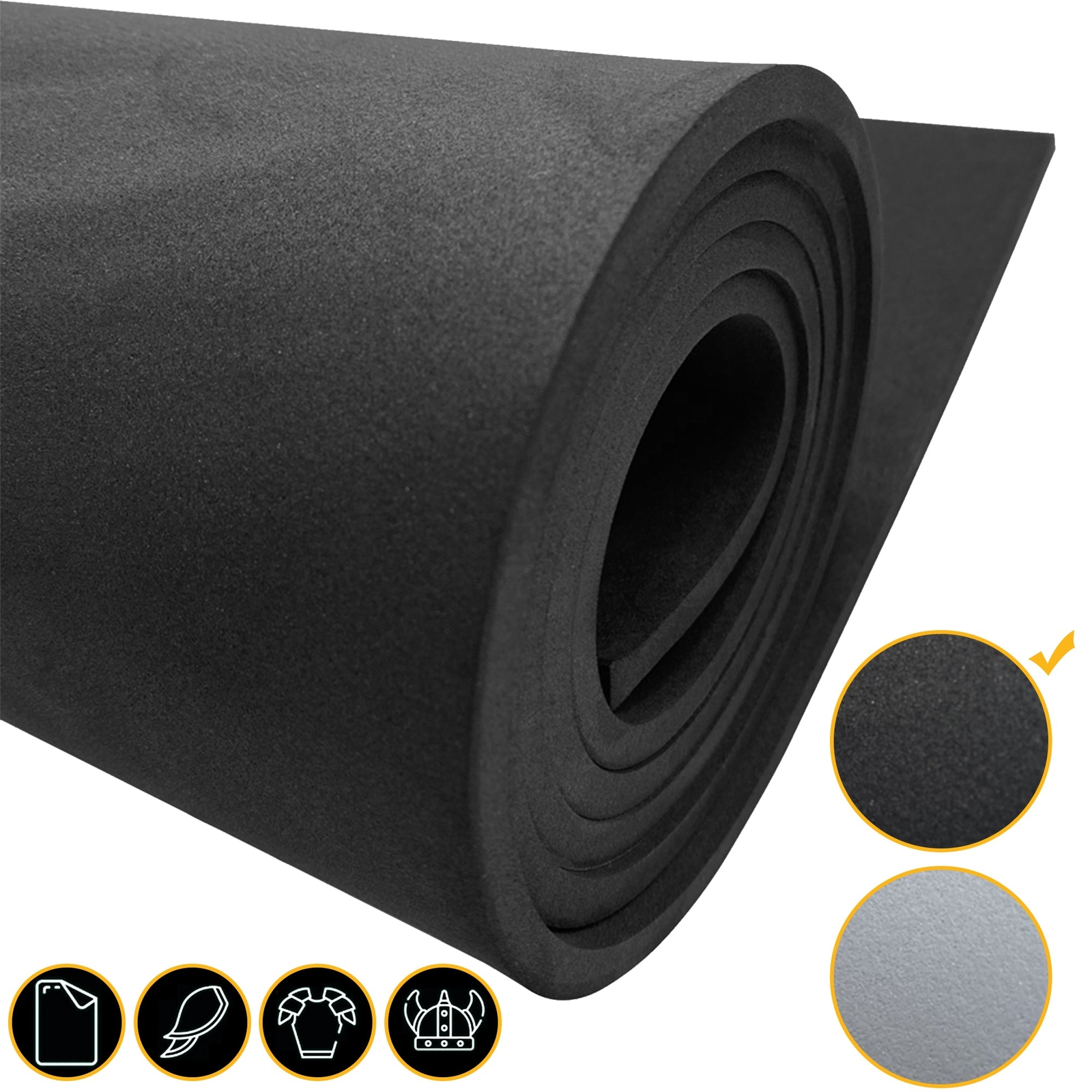
Highlights
- Density drives durability: 38 kg/m³ (roughly 2.4 lb/ft³) high-density EVA resists compression set and holds bevels; sub-30 kg/m³ foam crushes and loses shape under strapping.
- Closed-cell EVA is waterproof and glue-friendly; open-cell or blended PE foam absorbs contact cement unevenly and tears at thin edges.
- Thickness tiers behave differently: 2–3 mm for wraps and detail skins, 5–6 mm for general armor plates, 10 mm+ for helmets and structural shells that need heat-forming.
- Sheet size matters for armor: 20-inch lengths suit small props and trim, while 59-inch panels allow one-piece torso and leg plates without seams.
Best use cases
- Best fit: full armor builds and helmets — choose 38 kg/m³ high-density EVA in 5–10 mm thickness and 59-inch sheets to cut large plates without seams.
- Best fit: masks, gauntlets, and detail work — use 2–3 mm high-density sheets that heat-form tightly and hold sharp bevels.
- Wrong fit: load-bearing or weight-critical props — EVA compresses under sustained tension; use rigid styrene or worbla over a foam core instead.
- Skip low-density craft foam for anything strapped to the body; it dents permanently at buckle points and fails at rivet holes.
Buying tips
- Match thickness to function: 2–3 mm for surface detail, 5–6 mm for standard armor plates, 10 mm+ for helmets and curved structural shells.
- Specify 38 kg/m³ or higher density for armor; craft-store EVA often runs 20–25 kg/m³ and will not hold compound curves.
- Buy 59-inch sheets for torso and leg plates; 20-inch lengths force seams that weaken the form and complicate heat-forming.
- Check that sheets are closed-cell EVA, not PE or EVA-blend; closed-cell foam sands cleanly and takes contact cement without fuzzing.
Specs
| Foam Density | High-density 38 kg/m³ vs craft 20–25 kg/m³ |
|---|---|
| Sheet Thickness | 2–3 mm detail / 5–6 mm armor / 10 mm+ helmets |
| Cell Structure | Closed-cell EVA vs open-cell PE blend |
| Sheet Length | 20-inch small props / 59-inch full armor |
Related searches
What to check before buying
- Measure your largest pattern piece before ordering: torso and leg plates typically need 59-inch sheet length; small props fit 20-inch stock.
- Confirm your heat source can reach 150–200°F across the full sheet; a heat gun works for small pieces but large plates need an oven or large-form heat mat.
- Plan contact cement and seam allowance: high-density EVA bonds best with neoprene-based contact cement, and 5–10 mm seams need butt joints or backing strips.
- Verify thickness consistency across the sheet; uneven caliper causes visible steps at glued seams and uneven heat-forming.
FAQ
Data sources: eBay / Amazon listings and product attribute feeds. Updated Nov 28, 2026.
Some links on this page are affiliate links. If you buy after clicking one, we may earn a commission at no extra cost to you. This does not change which products appear here or their order. Affiliate disclosure.