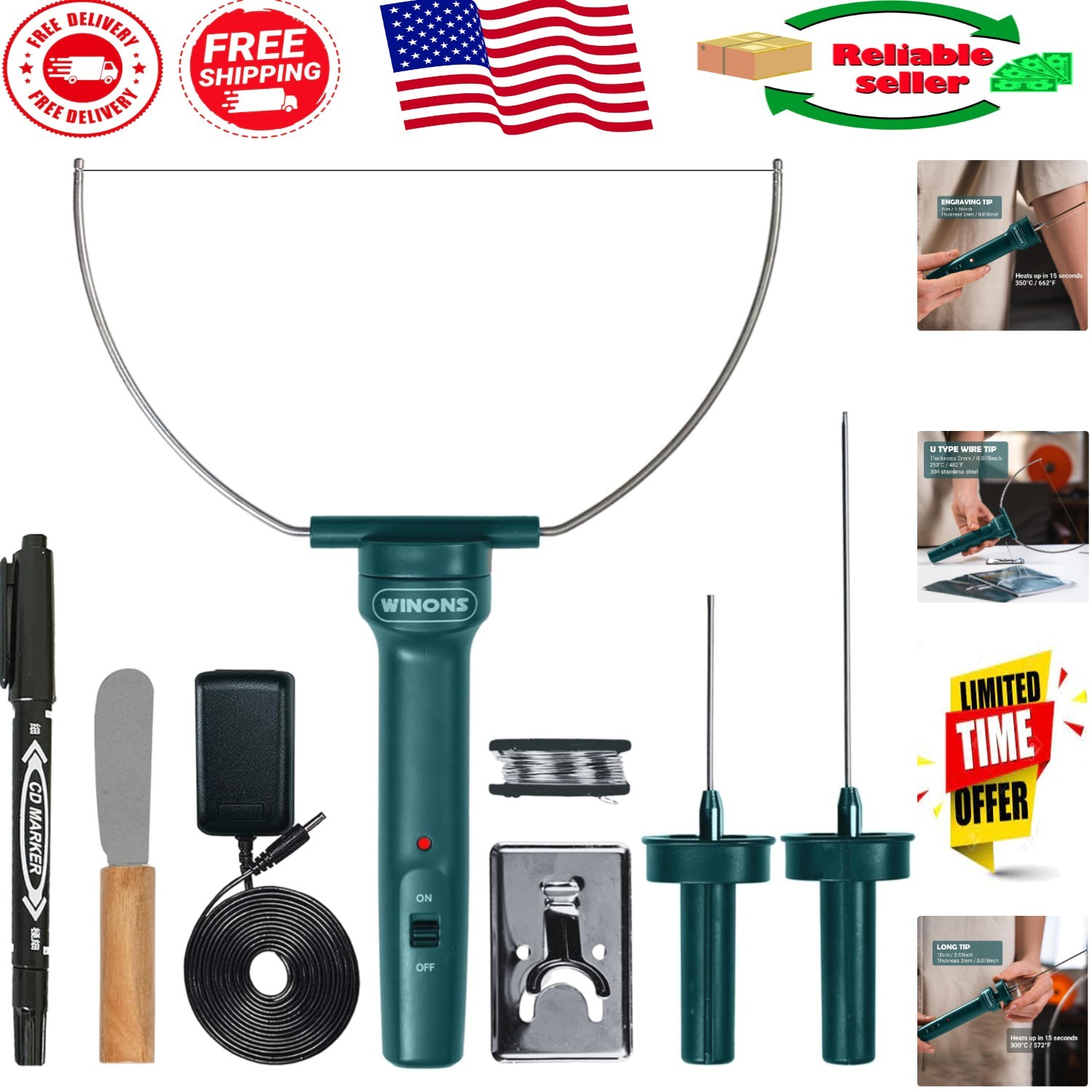

Photos from current listings. Actual item, color, and included accessories may vary.
Cosplay Foam Buying Guide
Cosplay foam is a family of closed-cell EVA and polyethylene sheet stocks engineered for thermoforming, carving, and load-bearing costume armor. The primary trade-off is density versus workability: low-density sponges are cheap and easy to cut but crush and fail at seams, while high-density EVA (30–38 kg/m³ and up) holds shape and heat-forms cleanly. Buy high-density EVA flat sheets for anything structural and reserve soft sponge rubber for padding, muscle suits, and liners.
Key takeaways
- Density is the durability metric: cosplay-grade EVA runs 30–38 kg/m³ (roughly 2–4 lb/ft³); below 25 kg/m³ the foam crushes under straps and tears at sewn or glued seams.
- Thickness tiers map to roles: 2–3 mm for surface detail and wraps, 5–6 mm for main armor planes, 10 mm+ for weapons, helms, and structural cores.
- Closed-cell EVA resists moisture and takes heat forming at roughly 120–160 °C; open-cell sponge rubber absorbs sweat and glue, so it suits padding but not painted exterior shells.
At a glance
- Category
- EVA Foam, Thermoplastics & Tools
- Last updated
- Nov 28, 2026
Current offers
Highlights
- Density is the durability metric: cosplay-grade EVA runs 30–38 kg/m³ (roughly 2–4 lb/ft³); below 25 kg/m³ the foam crushes under straps and tears at sewn or glued seams.
- Thickness tiers map to roles: 2–3 mm for surface detail and wraps, 5–6 mm for main armor planes, 10 mm+ for weapons, helms, and structural cores.
- Closed-cell EVA resists moisture and takes heat forming at roughly 120–160 °C; open-cell sponge rubber absorbs sweat and glue, so it suits padding but not painted exterior shells.
- Sheet format matters: continuous rolls suit large curved panels without seams, while flat sheets hold dimensional tolerance and lie flatter for precision cutting and beveling.
Best use cases
- Best fit: full armor builds (breastplates, pauldrons, greaves) — pick 5–6 mm high-density EVA flat sheets; skip thin craft foam and soft sponge rubber, which cannot carry paint or hold compound curves.
- Best fit: muscle suits, weapon padding, and helmet liners — pick 3–10 mm open-cell sponge rubber or low-density EVA; skip high-density sheet here because it is stiff, heavy, and unnecessarily costly.
- Best fit: detail work, filigree, and flexible wraps — pick 2–3 mm EVA that heat-forms around curves; skip 10 mm sheet, which will not conform to tight radii without cracking.
Buying tips
- Size sheets to the largest pattern piece before ordering: a 20-inch length covers bracers and smaller plates, while 59-inch lengths yield full torso and back panels without splicing.
- Match thickness to forming radius: keep bends at 3× the sheet thickness or greater; a 6 mm sheet needs roughly an 18 mm radius to heat-form without stress whitening.
- Standardize on closed-cell EVA at 30 kg/m³ or higher for painted exterior armor; confirm the listing states density rather than generic 'high density' wording.
- Pair the foam with a hot-wire or blade cutter rated near 350 °C for clean bevels; dull blades compress EVA and leave ragged edges that telegraph through primer.
Specs
| Foam Type | Closed-cell EVA vs open-cell sponge |
|---|---|
| Density | 30–38 kg/m³ armor grade |
| Thickness | 2–3 / 5–6 / 10+ mm tiers |
| Sheet Format | Flat sheet vs roll, 20–59 in |
Related searches
What to check before buying
- Measure your largest pattern piece and add 10–15% margin; order sheet length and width above that figure to avoid seams on visible panels.
- Confirm you have a heat source (heat gun or oven) that reaches 120–160 °C and a form or buck to shape the foam before buying rigid high-density sheet.
- Plan adhesives and sealers: contact cement for EVA-to-EVA, and flexible primer plus acrylic or plasti-dip topcoats; sponge rubber needs different bonding.
- Verify cutter and ventilation: hot-wire cutting releases fumes, so work in a ventilated space with a temperature-controlled tool for consistent bevels.
FAQ
Data sources: eBay / Amazon listings and product attribute feeds. Updated Nov 28, 2026.
Some links on this page are affiliate links. If you buy after clicking one, we may earn a commission at no extra cost to you. This does not change which products appear here or their order. Affiliate disclosure.