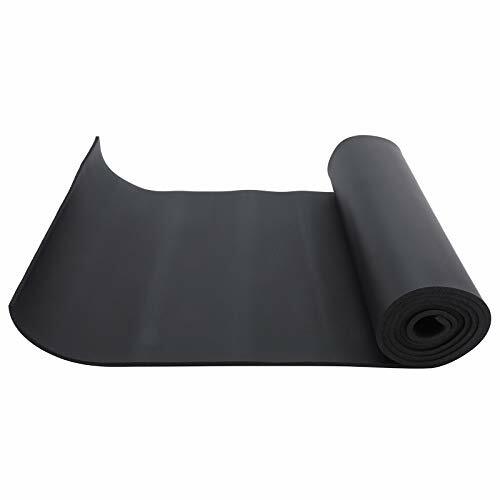

Photos from current listings. Actual item, color, and included accessories may vary.
Cosplay Foam Sheet Buying Guide
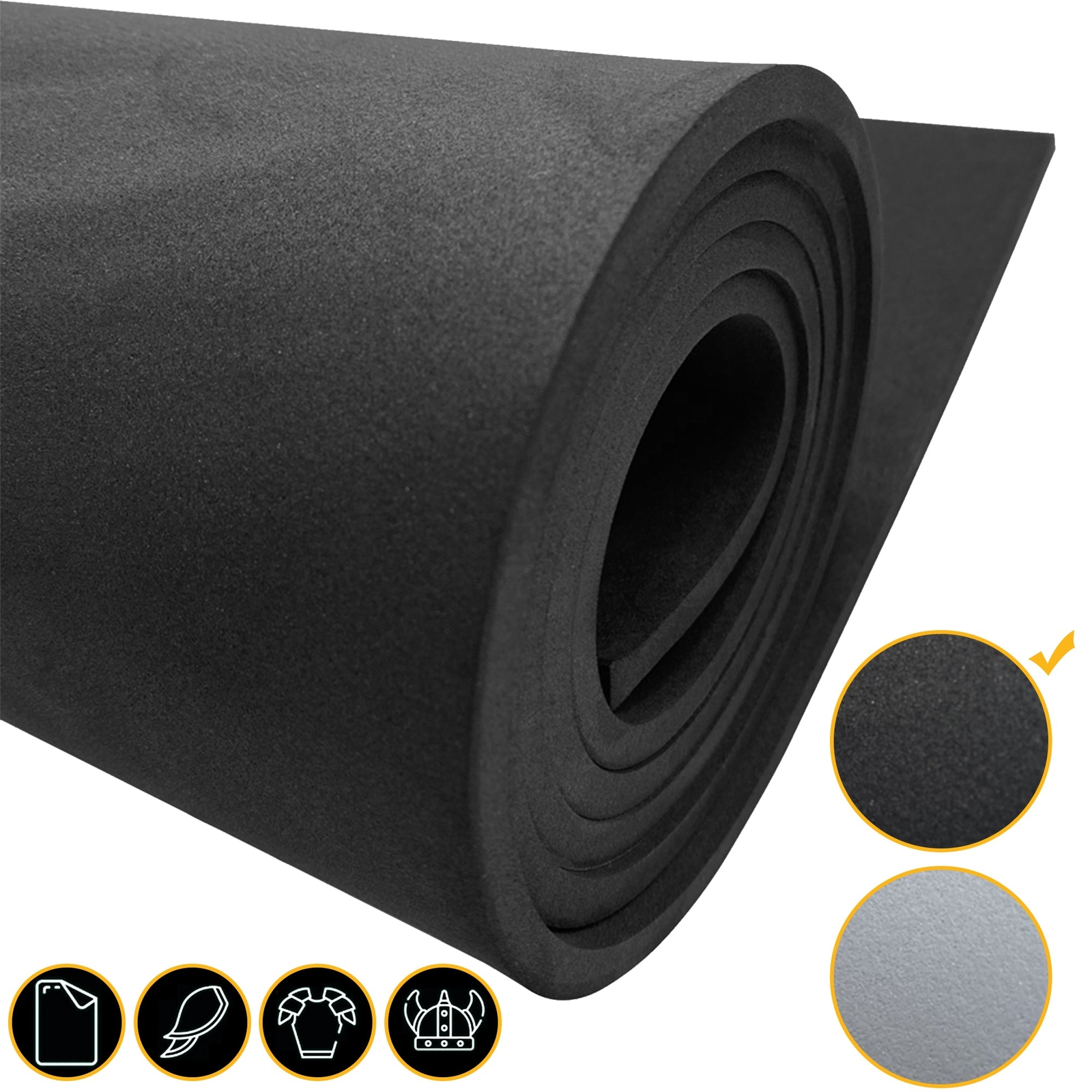
Cosplay foam sheets are closed-cell EVA (ethylene-vinyl acetate) or polyethylene-based thermoplastic sheets used for armor, props, and padding because they heat-form, cut cleanly, and hold paint. The primary trade-off is density and cell structure: high-density (38 kg/m³ and up) EVA resists compression and sanding fuzz, while low-density sponge rubber crushes and tears at thin gauges. Buy high-density EVA for structural armor and low-density PE or sponge only for soft padding that never bears load.
Median $32.05
Key takeaways
- EVA density tiers: 38 kg/m³ (1.2 lb/ft³) and above is armor grade; 25–30 kg/m³ is craft/child-costume grade and deforms under heat guns.
- Closed-cell vs open-cell: closed-cell EVA and PE resist moisture and primer absorption; open-cell sponge rubber soaks paint and sealant, adding weight.
- Sheet thickness matters more than length: 2–3 mm for layered plates, 6–10 mm for helms and greaves, 12 mm+ only for oversized props that need carving.
At a glance
- Category
- EVA Foam, Thermoplastics & Tools
- Last updated
- Nov 28, 2026
Current offers
Highlights
- EVA density tiers: 38 kg/m³ (1.2 lb/ft³) and above is armor grade; 25–30 kg/m³ is craft/child-costume grade and deforms under heat guns.
- Closed-cell vs open-cell: closed-cell EVA and PE resist moisture and primer absorption; open-cell sponge rubber soaks paint and sealant, adding weight.
- Sheet thickness matters more than length: 2–3 mm for layered plates, 6–10 mm for helms and greaves, 12 mm+ only for oversized props that need carving.
- 20-inch vs 59-inch lengths are the standard cut sizes; 59-inch rolls suit full-torso patterns, while 20-inch squares minimize waste on small greebles.
Best use cases
- Best fit: full armor builds (helm, cuirass, pauldrons) — pick 6–10 mm high-density EVA in 59-inch lengths to cut contiguous panels without seams.
- Best fit: layered detail work (scales, trim, filigree) — pick 2–3 mm high-density EVA sheets; thin low-density sponge will tear at cut edges.
- Wrong fit: weight-bearing or jointed load paths — EVA creeps under sustained stress; use ABS or 3D-printed inserts at hinges and straps.
- Wrong fit: outdoor wet-weather costumes — open-cell sponge rubber absorbs water; specify closed-cell PE or sealed EVA instead.
Buying tips
- Match thickness to role: 2–3 mm for overlays, 6 mm for curved plates, 10 mm for carved volume; buying one thick sheet forces wasteful skiving.
- Demand density at or above 38 kg/m³ for anything heat-formed; lower-density sheets soften unpredictably at 120–150 °C heat-gun temperatures.
- For large patterns, buy 59-inch lengths; a 20-inch square cannot yield a full backplate or skirt panel without a visible seam.
- Check cell structure before priming: closed-cell EVA needs only light scuffing; open-cell sponge requires filler primer to avoid paint soak.
Specs
| Foam Type | Closed-cell EVA vs open-cell sponge |
|---|---|
| Density Grade | 38+ kg/m³ armor / 25-30 craft |
| Thickness Range | 2-12 mm (2-3 detail, 6-10 armor) |
| Sheet Dimensions | 20 in squares / 59 in rolls |
Related searches
What to check before buying
- Pattern scale: measure your largest single pattern piece and confirm it fits within 20-inch or 59-inch sheet dimensions with seam allowance.
- Heat source: confirm you have a heat gun rated to 150 °C+ and a form to shape 6–10 mm EVA; thin 2 mm sheets can be shaped with a hairdryer.
- Adhesive compatibility: contact cement and hot glue bond EVA; cyanoacrylate yellows and cracks — plan for the right glue before buying thin sheets.
- Finishing plan: closed-cell EVA accepts Plasti Dip and acrylics; budget filler primer if you buy open-cell sponge.
FAQ
Data sources: eBay / Amazon listings and product attribute feeds. Updated Nov 28, 2026.
Some links on this page are affiliate links. If you buy after clicking one, we may earn a commission at no extra cost to you. This does not change which products appear here or their order. Affiliate disclosure.