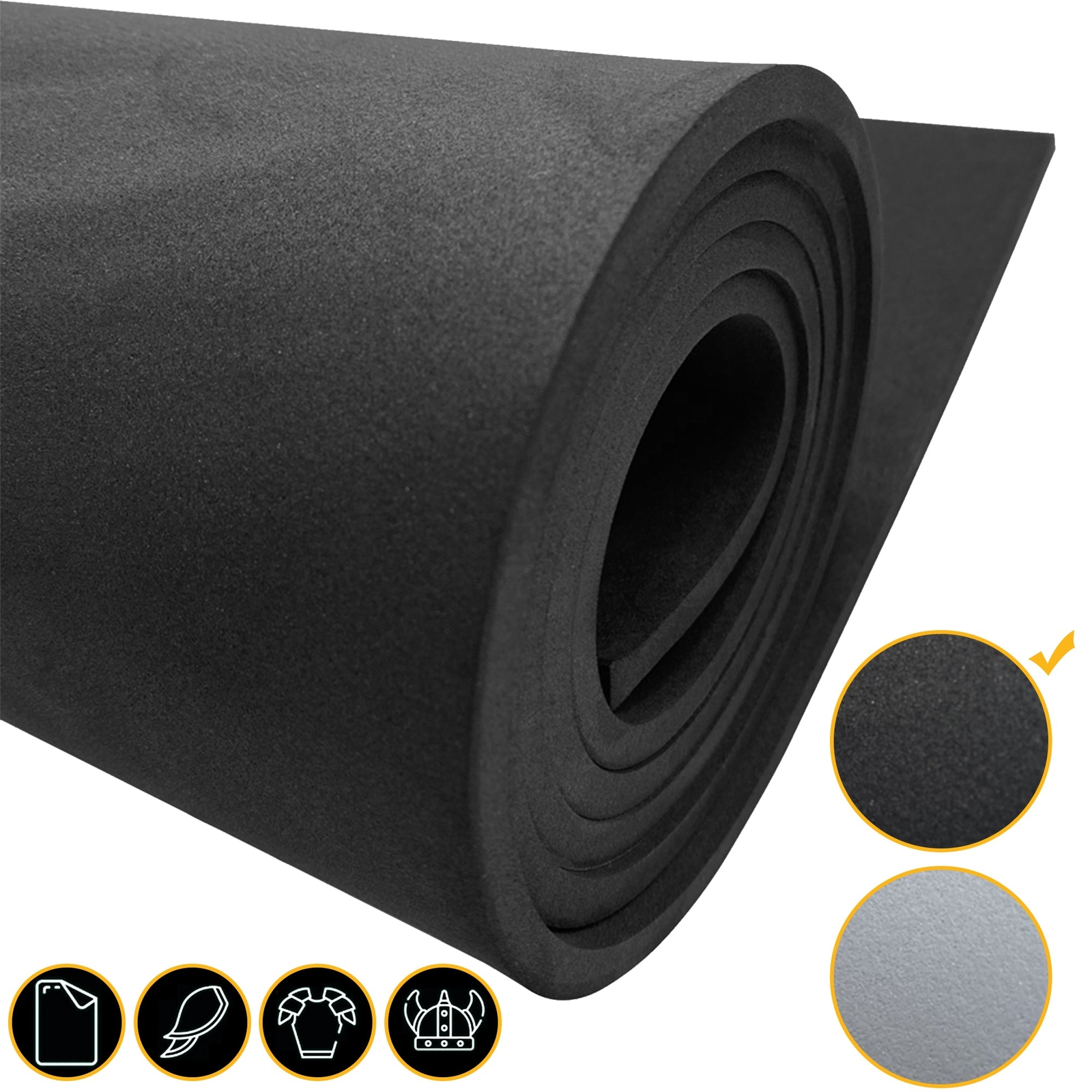

Photos from current listings. Actual item, color, and included accessories may vary.
Eva Foam Pad Buying Guide
EVA foam pads are closed-cell ethylene-vinyl acetate sheets used for shock absorption, cushioning, and craft/structural padding; the core trade-off is foam density (kg/m³ or lb/ft³) and thickness versus compression resistance and durability. Durable pads use high-density EVA (≥80 kg/m³) with laminated or skin-surface construction, while cheap pads are low-density, open-cell blends that crush flat. The decision rule: match density and thickness to load and abrasion, and skip any pad lacking a stated density or hardness rating.
Key takeaways
- Closed-cell EVA resists water absorption; open-cell or blended foams take on moisture and lose rebound under repeated load.
- Density tiers: 60–80 kg/m³ for light craft/cosplay; 80–120 kg/m³ for floor and equipment padding; 120+ kg/m³ for structural or high-load shims.
- Hardness is measured Shore A (or C for soft foams); 20–35 Shore A covers cushioning, 40–60 Shore A covers firm support and wear surfaces.
At a glance
- Category
- EVA Foam, Thermoplastics & Tools
- Last updated
- Nov 28, 2026
Current offers
Highlights
- Closed-cell EVA resists water absorption; open-cell or blended foams take on moisture and lose rebound under repeated load.
- Density tiers: 60–80 kg/m³ for light craft/cosplay; 80–120 kg/m³ for floor and equipment padding; 120+ kg/m³ for structural or high-load shims.
- Hardness is measured Shore A (or C for soft foams); 20–35 Shore A covers cushioning, 40–60 Shore A covers firm support and wear surfaces.
- Thickness matters for compression: 6–10 mm for craft/liner use, 12–25 mm for gym/floor padding, 25–50 mm for impact or seating.
Best use cases
- Pick high-density (≥100 kg/m³) 12–25 mm pads for gym floors, equipment bases, and standing mats; skip low-density craft sheets that flatten within weeks.
- Pick 2–6 mm 60–80 kg/m³ sheets for cosplay armor, liners, and craft projects; skip thick soft pads that are hard to heat-form and cut cleanly.
- Pick skin-surface or laminated EVA for seating, tool trays, and abrasion-prone surfaces; skip bare low-density foam where friction and wear are constant.
Buying tips
- Match density to load: under 80 kg/m³ for craft, 80–120 kg/m³ for floor/equipment, above 120 kg/m³ for structural shims and mounts.
- Size by thickness formula: for standing comfort use ≥12 mm at 80+ kg/m³; for impact absorption use ≥25 mm at 100+ kg/m³.
- Confirm Shore A hardness: 20–35 for cushioning, 40–60 for firm support; avoid unrated foam for load-bearing use.
- For heat-forming, choose EVA that softens around 70–90 °C and avoid filled or recycled blends that tear or off-gas.
Specs
| Foam Type | Closed-cell EVA vs open-cell blend |
|---|---|
| Density Grade | 60–80 / 80–120 / 120+ kg/m³ |
| Hardness Scale | Shore A 20–60 vs Shore C soft |
| Thickness Range | 2–6 / 12–25 / 25–50 mm |
Related searches
What to check before buying
- Measure the surface or project dimensions and add 5–10% allowance for cutting and edge trim.
- Confirm the pad's stated density (kg/m³ or lb/ft³) and Shore hardness before buying; unrated foam is a compromise.
- Check indoor/outdoor use: closed-cell EVA is moisture-resistant, but UV-stabilized grades are needed for direct sunlight.
- Verify adhesive or lamination compatibility if bonding to metal, wood, or plastic; some EVA requires priming.
FAQ
Data sources: eBay / Amazon listings and product attribute feeds. Updated Nov 28, 2026.
Some links on this page are affiliate links. If you buy after clicking one, we may earn a commission at no extra cost to you. This does not change which products appear here or their order. Affiliate disclosure.