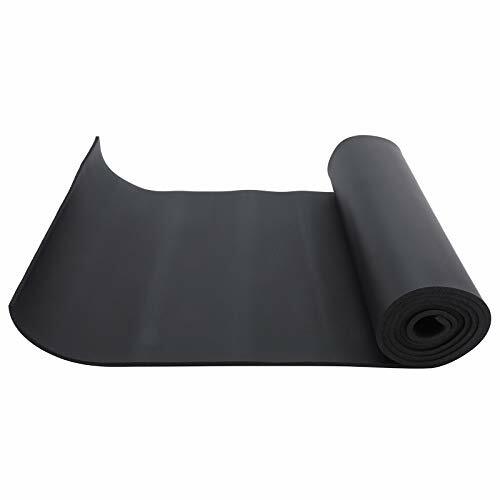

Photos from current listings. Actual item, color, and included accessories may vary.
Eva Foam Sheet Buying Guide
EVA foam sheets are closed-cell ethylene-vinyl acetate thermoplastic sheets used for cosplay armor, tool liners, and protective padding. The decisive trade-off is density versus workability: lower-density 25–38 kg/m³ foam is soft and easy to cut but compresses under heat and load, while 60–80 kg/m³ high-density foam holds armor shapes and resists wear. Buyers should treat density, thickness, and surface finish as the three purchase-critical specifications; any listing that omits density is a blind compromise.
Median $32.05
Key takeaways
- Density tiers drive performance: 25–38 kg/m³ for soft liners and kids' builds, 45–60 kg/m³ for standard cosplay armor, 70–90 kg/m³ for load-bearing structural pieces.
- Thickness range runs 1–12 mm for detail and skin layers, 2–6 mm for plate armor, and 10–20 mm for padding and prop cores; sheet size is commonly 20×30 in, 20×59 in, or 39×79 in.
- Closed-cell EVA resists water and glue absorption, while open-cell or blended PE foams drink contact cement and fail at seams; heat formability begins around 120–150°C.
At a glance
- Category
- EVA Foam, Thermoplastics & Tools
- Last updated
- Nov 28, 2026
Current offers
Highlights
- Density tiers drive performance: 25–38 kg/m³ for soft liners and kids' builds, 45–60 kg/m³ for standard cosplay armor, 70–90 kg/m³ for load-bearing structural pieces.
- Thickness range runs 1–12 mm for detail and skin layers, 2–6 mm for plate armor, and 10–20 mm for padding and prop cores; sheet size is commonly 20×30 in, 20×59 in, or 39×79 in.
- Closed-cell EVA resists water and glue absorption, while open-cell or blended PE foams drink contact cement and fail at seams; heat formability begins around 120–150°C.
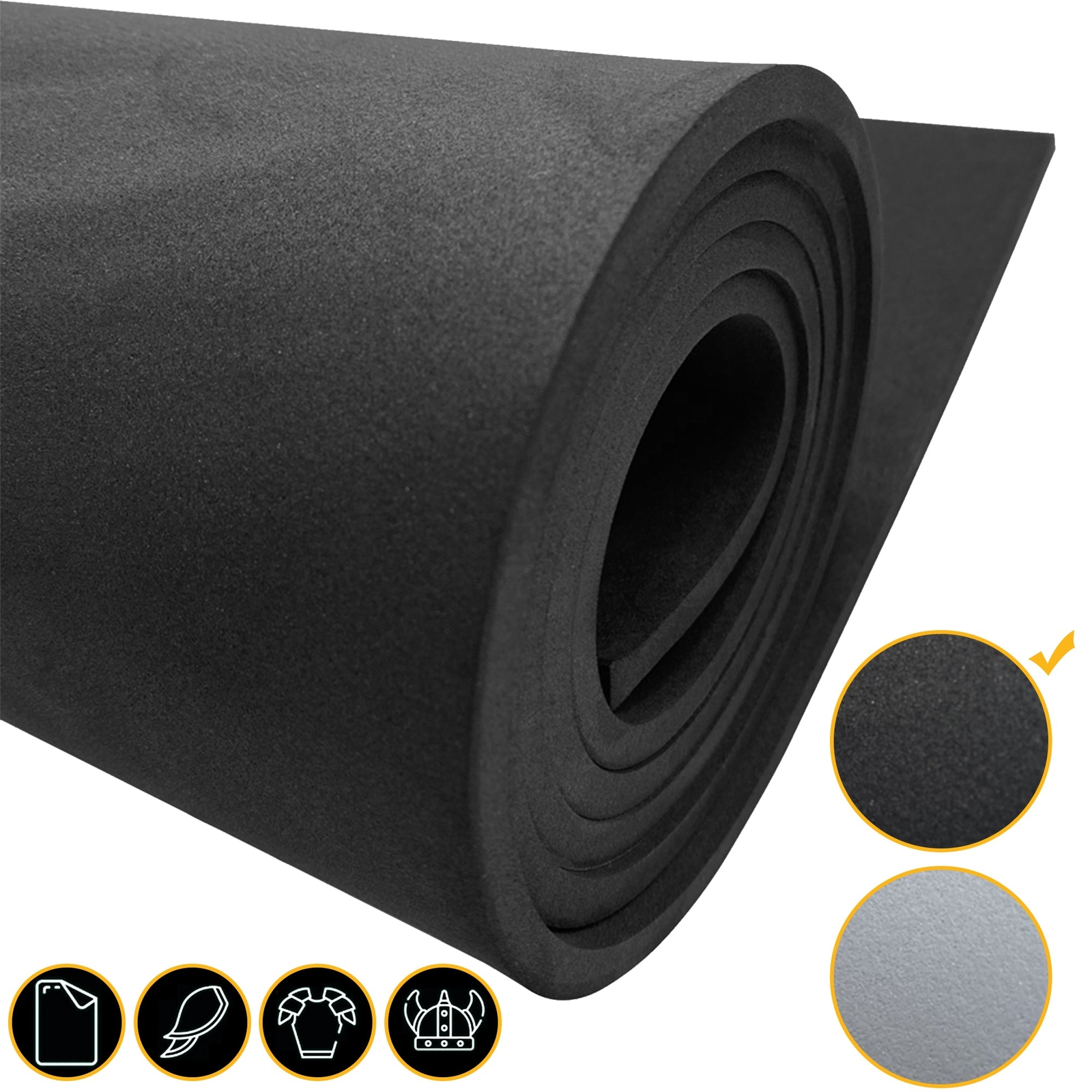
- Surface finish matters: smooth both sides suits painting and priming, textured/embossed hides seams, and adhesive-backed sheets skip contact cement but limit repositioning.
Best use cases
- Cosplay armor and helmets: pick 45–60 kg/m³ density in 2–6 mm for plates and 10 mm for structural cores; skip 25 kg/m³ craft foam, which dents and loses heat-formed curves.
- Tool drawer liners and case inserts: choose 2–6 mm adhesive-backed closed-cell EVA at 45+ kg/m³ for cut-to-fit shadow boards; skip thick 10 mm sheets, which waste drawer depth.
- Kids' crafts and prototyping: buy 25–38 kg/m³ in 2–6 mm multi-packs for easy scissor cutting; skip high-density 70+ kg/m³ sheets, which need heat and sharp blades.
- Floor mats and gym padding: use 10–20 mm interlocking EVA tiles at 45–60 kg/m³; skip thin 2 mm sheets, which bottom out under body weight.
Buying tips
- Match density to the build: 45–60 kg/m³ is the cosplay sweet spot; 70+ kg/m³ for swords and shields that must hold an edge; 25–38 kg/m³ only for soft or temporary pieces.
- Size thickness by role: 2 mm for surface detail and seams, 4–6 mm for armor plates, 10 mm for helmet shells, and 15–20 mm for padding and prop cores.
- Prefer closed-cell EVA with a smooth, uniform surface; visible bubbles or a waxy feel signal recycled or blended foam that tears and paints poorly.
- For heat forming, confirm the sheet tolerates 120–150°C without shrinking; low-density foams shrink and warp, while 60+ kg/m³ grades hold shape after cooling.
Specs
| Density Grade | 25–38 / 45–60 / 70–90 kg/m³ |
|---|---|
| Thickness Range | 1–20 mm (2–6 mm armor, 10 mm shells) |
| Cell Structure | Closed-cell EVA vs open-cell blend |
| Sheet Size | 20×30 / 20×59 / 39×79 in |
Related searches
What to check before buying
- Measure your largest pattern piece against the sheet dimensions: 20×30 in suits small details, 20×59 in covers most armor plates, and 39×79 in handles full-body builds.
- Confirm your cutting tools and workspace: high-density sheets need a heat gun, sharp utility blades, and ventilation; low-density sheets cut with scissors at a table.
- Check adhesive compatibility: contact cement bonds EVA well, but hot glue and superglue fail on low-surface-energy EVA unless the surface is primed or roughened.
- Verify floor or wall use: EVA tiles need a flat, dry, indoor surface; direct sun and heat above 60°C can soften and deform sheets over time.
FAQ
Data sources: eBay / Amazon listings and product attribute feeds. Updated Nov 28, 2026.
Some links on this page are affiliate links. If you buy after clicking one, we may earn a commission at no extra cost to you. This does not change which products appear here or their order. Affiliate disclosure.