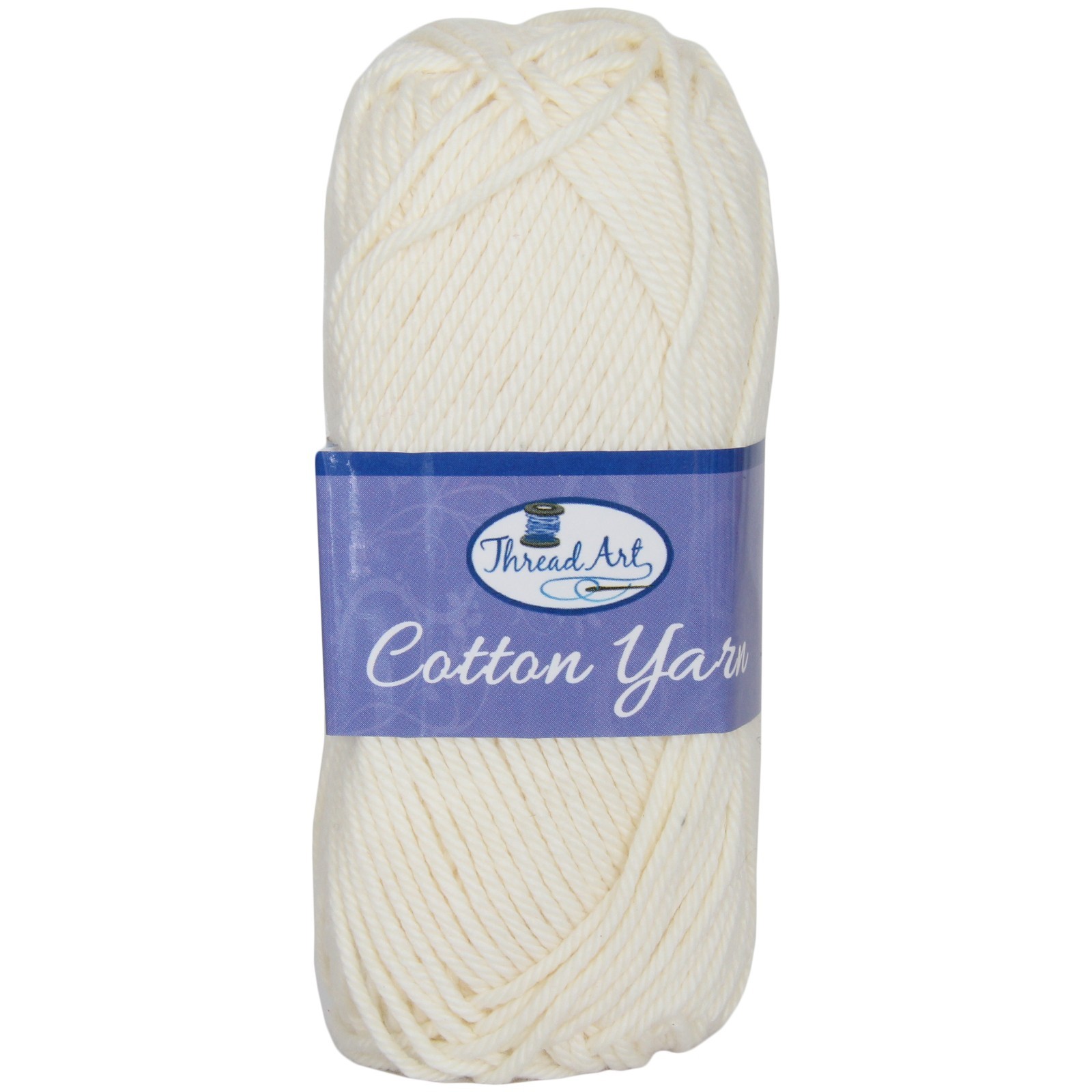

Photos from current listings. Actual item, color, and included accessories may vary.
Yarn Crochet Buying Guide
Choosing crochet yarn is mostly a decision about fiber, weight, and put-up, because the same hook and pattern behave very differently in cotton versus acrylic or wool. The most common buying mistake is grabbing a #4 worsted skein without checking yardage per gram, twist tightness, and whether the fiber has enough elasticity for the stitch pattern you plan to work.
Yarn Weight:#1–#6 CYC (fingering to super bulky)Fiber Type:Cotton / Wool / Acrylic / BlendsSkein Put-Up:50 g / 100 g / 200 g ballsHook Size Range:2.25–9.0 mm by weight
Typical price range$9.49
Key takeaways
- Yarn weight governs hook size: #4 worsted medium typically pairs with a 5.0–5.5 mm hook, while #3 DK uses 4.0–4.5 mm and #2 sport uses 3.5–4.0 mm.
- Fiber elasticity separates use cases: wool and wool-blend yarns stretch and felt, cotton has almost no memory, and acrylic holds shape but can pill under friction.
- Cotton skeins commonly come in 50 g put-ups with roughly 85–125 m per skein, so buy by total yardage rather than skein count for a full project.
At a glance
- Category
- Yarn
- Last updated
- Nov 28, 2026
Current offers
Highlights
- Yarn weight governs hook size: #4 worsted medium typically pairs with a 5.0–5.5 mm hook, while #3 DK uses 4.0–4.5 mm and #2 sport uses 3.5–4.0 mm.
- Fiber elasticity separates use cases: wool and wool-blend yarns stretch and felt, cotton has almost no memory, and acrylic holds shape but can pill under friction.
- Cotton skeins commonly come in 50 g put-ups with roughly 85–125 m per skein, so buy by total yardage rather than skein count for a full project.
- Plied, tightly twisted yarns resist splitting and show stitch definition; loose single-ply yarns halo and fuzz, which matters for amigurumi versus drapey shawls.
Best use cases
- Pick mercerized or tight-twist 100% cotton #4 worsted for amigurumi, market bags, and dishcloths; skip soft single-ply cottons that stretch and lose shape under stuffing.
- Choose #3 DK or #2 sport acrylic or acrylic-wool blend for garments and blankets where drape, machine washability, and low cost per yard matter most.
- Use superwash wool or wool-nylon blend for wearables that need warmth and memory; avoid 100% untreated wool for baby items that will be washed frequently.
Buying tips
- Check total yardage and skein gram weight together, because a 50 g cotton skein delivers far fewer meters than the same weight in acrylic.
- Prioritize fiber match to the project: cotton for structure and absorbency, wool for warmth and elasticity, acrylic for budget and easy washing.
- Inspect twist and ply structure by eye or swatch; tightly plied yarns suit textured stitches, while loose singles suit drapey lace and shawls.
- Avoid mixing dye lots within one project, and buy enough skeins in a single lot to finish the largest size you might make.
Specs
| Yarn Weight | #1–#6 CYC (fingering to super bulky) |
|---|---|
| Fiber Type | Cotton / Wool / Acrylic / Blends |
| Skein Put-Up | 50 g / 100 g / 200 g balls |
| Hook Size Range | 2.25–9.0 mm by weight |
What to check before buying
- Confirm the pattern's stated yarn weight and hook size, then match your chosen skein's labeled CYC weight category before buying multiple skeins.
- Measure your project's total yardage requirement and divide by the skein's actual yardage, rounding up one extra skein for swatch and repair.
- Check the fiber's care label for machine-wash and dry compatibility with your household routine, especially for items used near skin or dishes.
- Verify hook compatibility: have the recommended metric hook size on hand, since US letter sizes vary between brands.
FAQ
Data sources: eBay / Amazon listings and product attribute feeds. Updated Nov 28, 2026.
Some links on this page are affiliate links. If you buy after clicking one, we may earn a commission at no extra cost to you. This does not change which products appear here or their order. Affiliate disclosure.