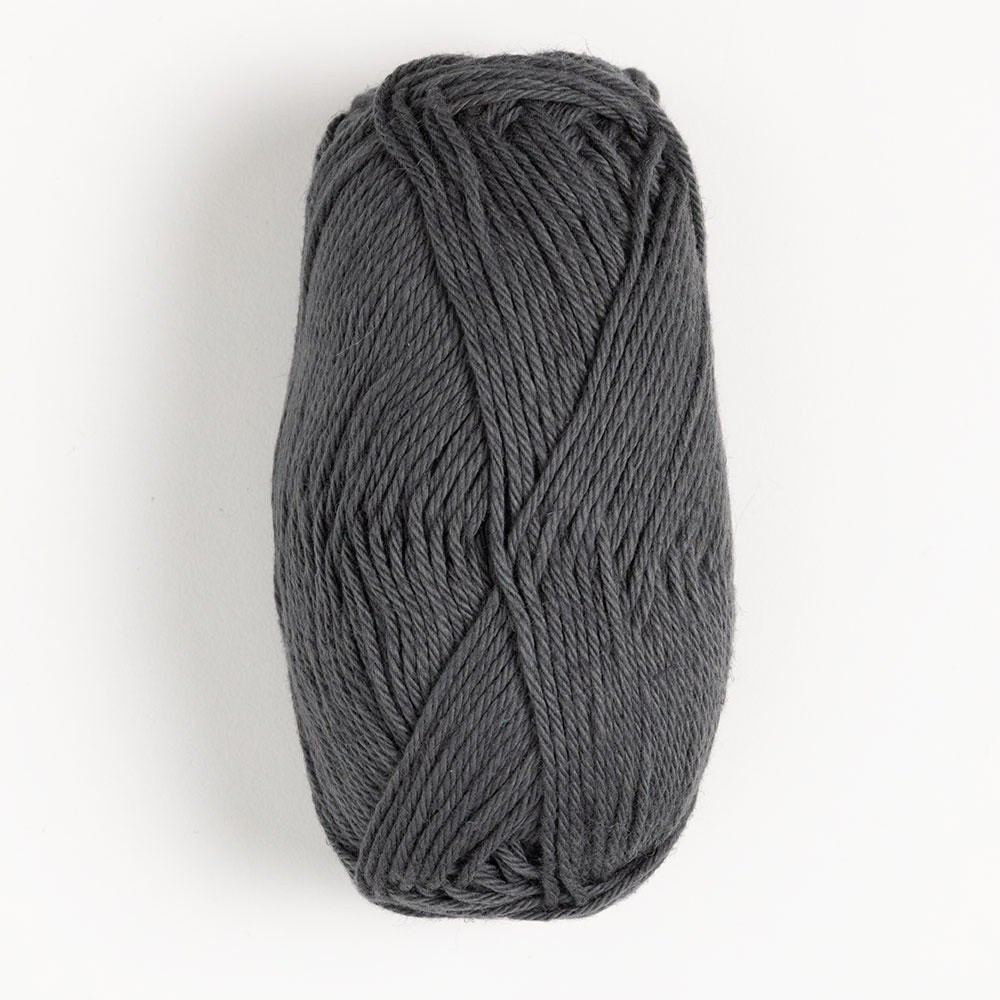

Photos from current listings. Actual item, color, and included accessories may vary.
Yarn Shawl Buying Guide
Shawl projects demand yarn that balances drape, warmth, and yardage—get the fiber wrong and you'll fight a stiff fabric or run short mid-border. Most buyers misjudge shawl sizing (wingspan vs. depth) or pick a weight that doesn't match the pattern's gauge, leading to a too-small wrap or a heavy, unwearable triangle. Start by locking the shawl silhouette and your natural fiber preference, then match yarn weight, yardage, and ply structure to the pattern's gauge and desired drape.
Key takeaways
- Fingering-weight (approximately 400–500 yd per 100 g) produces the best drape for lace and triangular shawls; worsted (approximately 200–220 yd per 100 g) suits cozy triangular wraps but reduces drape.
- Two-ply and three-ply wool yarns create loft and elasticity for textured stitches, while single-ply yarns (e.g., Malabrigo Mechita) bloom and soften but pill faster under shawl friction.
- Yardage requirements scale with shawl shape: a triangular shawl needs roughly 400–600 yd in fingering, a rectangular stole 600–900 yd, and a circular shawl 800–1,200 yd depending on diameter.
At a glance
- Category
- Yarn
- Last updated
- Nov 28, 2026
Current offers
Highlights
- Fingering-weight (approximately 400–500 yd per 100 g) produces the best drape for lace and triangular shawls; worsted (approximately 200–220 yd per 100 g) suits cozy triangular wraps but reduces drape.
- Two-ply and three-ply wool yarns create loft and elasticity for textured stitches, while single-ply yarns (e.g., Malabrigo Mechita) bloom and soften but pill faster under shawl friction.
- Yardage requirements scale with shawl shape: a triangular shawl needs roughly 400–600 yd in fingering, a rectangular stole 600–900 yd, and a circular shawl 800–1,200 yd depending on diameter.
- Superwash merino resists felting and is machine-washable but has less memory than untreated wool; untreated wool (e.g., Shetland, BFL) holds lace blocking better and is preferred for heirloom shawls.
Best use cases
- Choose fingering-weight superwash merino for a triangular lace shawl you'll wear against skin—soft, washable, and blocks crisply; skip single-ply alpaca if you want durable edges.
- Pick DK or worsted untreated wool for a rustic rectangular stole or camping wrap—warm, wind-resistant, and elastic; avoid cotton-linen blends if the shawl must hold shape without sagging.
- Use a silk-merino fingering blend (e.g., 50/50) for a drapey evening shawl with sheen and memory; avoid 100% silk if you need warmth or low-maintenance washing.
Buying tips
- Check the pattern's suggested gauge and yardage first—shawl patterns often list yardage by size (S/M/L) and shape, so buy one skein extra for swatching and border modifications.
- Prioritize fiber with good blocking memory: untreated wool, BFL, or wool-silk blends hold lace openings; avoid 100% cotton or bamboo for lace shawls unless you want drape without stitch definition.
- Choose two-ply or three-ply yarns for textured shawl stitches (brioche, cables) because higher ply counts resist biasing and pilling; single-ply is best reserved for garter or stockinette lace.
- Inspect yardage per skein: shawl projects often require multiple skeins, so buy all skeins from the same dye lot to avoid color pooling across the wingspan.
Specs
| Yarn Weight | Lace / Fingering / DK / Worsted |
|---|---|
| Fiber Content | Merino / BFL / Alpaca / Silk blends |
| Ply Structure | Single / 2-ply / 3-ply |
| Yardage per 100g | Lace 600–800 yd / Fingering 400–500 yd |
Related searches
What to check before buying
- Measure your desired wingspan (typically 60–72 in for a triangular shawl) and depth (24–36 in); compare against the pattern's finished measurements to calculate yardage needs.
- Confirm the yarn weight matches the pattern's gauge (e.g., 24 sts / 4 in in fingering) by knitting a 4-inch swatch and blocking it before committing to multiple skeins.
- Verify the yarn's care requirements align with your washing routine—superwash for machine-wash, untreated wool for hand-wash and blocking.
- Check that the skein yardage and put-up (e.g., 100 g / 400 yd) allows you to buy all required yardage in one dye lot, especially for gradient or border sections.
FAQ
Data sources: eBay / Amazon listings and product attribute feeds. Updated Nov 28, 2026.
Some links on this page are affiliate links. If you buy after clicking one, we may earn a commission at no extra cost to you. This does not change which products appear here or their order. Affiliate disclosure.