
Photos from current listings. Actual item, color, and included accessories may vary.
Craft Paper Buying Guide
Craft paper spans thin decorative sheets to heavy cardstock, and the defining trade-off is paper weight and surface finish versus cost and cutter compatibility. Buyers should treat 65–80 lb cardstock as the minimum for durable scrapbook pages and 12×12 inch pads as the standard for full-page layouts, while 6×6 pads suit card fronts and journaling. The decision rule: match paper weight (gsm) to your adhesive and cutting tools, and choose acid-free lignin-free stock for anything meant to be archived.
Median $18.49
Key takeaways
- Paper weight drives performance: 65–80 lb (176–216 gsm) cardstock resists warping from wet glue, while 20–24 lb (75–90 gsm) text paper buckles and is best for layering or die-cut accents.
- Acid-free and lignin-free stock prevents yellowing and embrittlement over decades; buffered papers (pH 7.5–9.0) are the archive standard for photos and memorabilia.
- Sheet size dictates layout math: 12×12 in pads cover full scrapbook pages and 6×6 in pads suit card fronts, while 8.5×11 in sheets are the cut-down economy option.
At a glance
- Category
- Paper Crafts & Scrapbooking
- Last updated
- Nov 27, 2026
Current offers
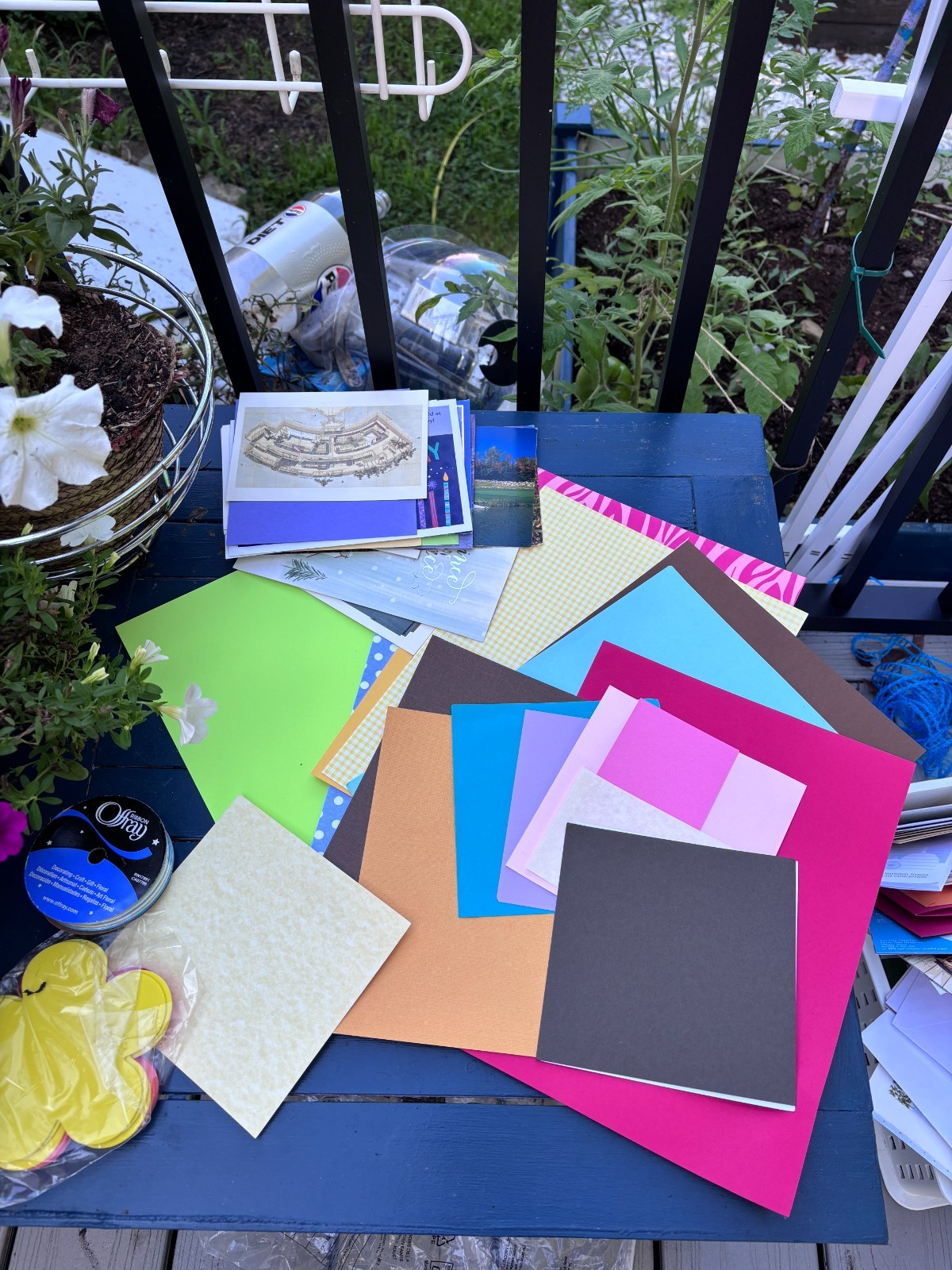 Huge Craft Paper Destash Lot Mixed Scrapbook Cardstock Greeting Cards Stickers$9.99View on eBay
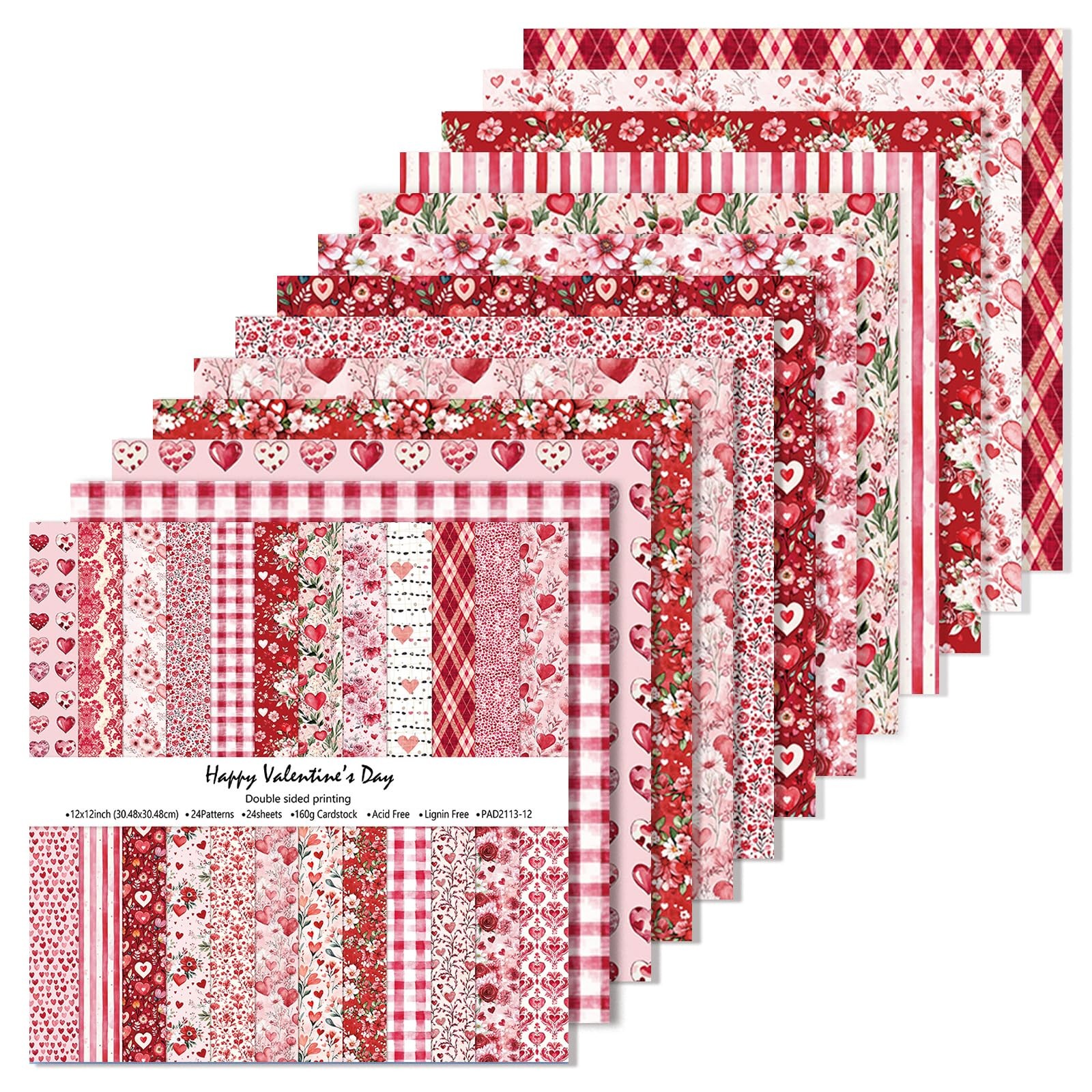 Scrapbook Paper 24 Sheets 12x12 Double Sided Floral Craft Paper$15.59Last checked Nov 21, 2026View on eBay
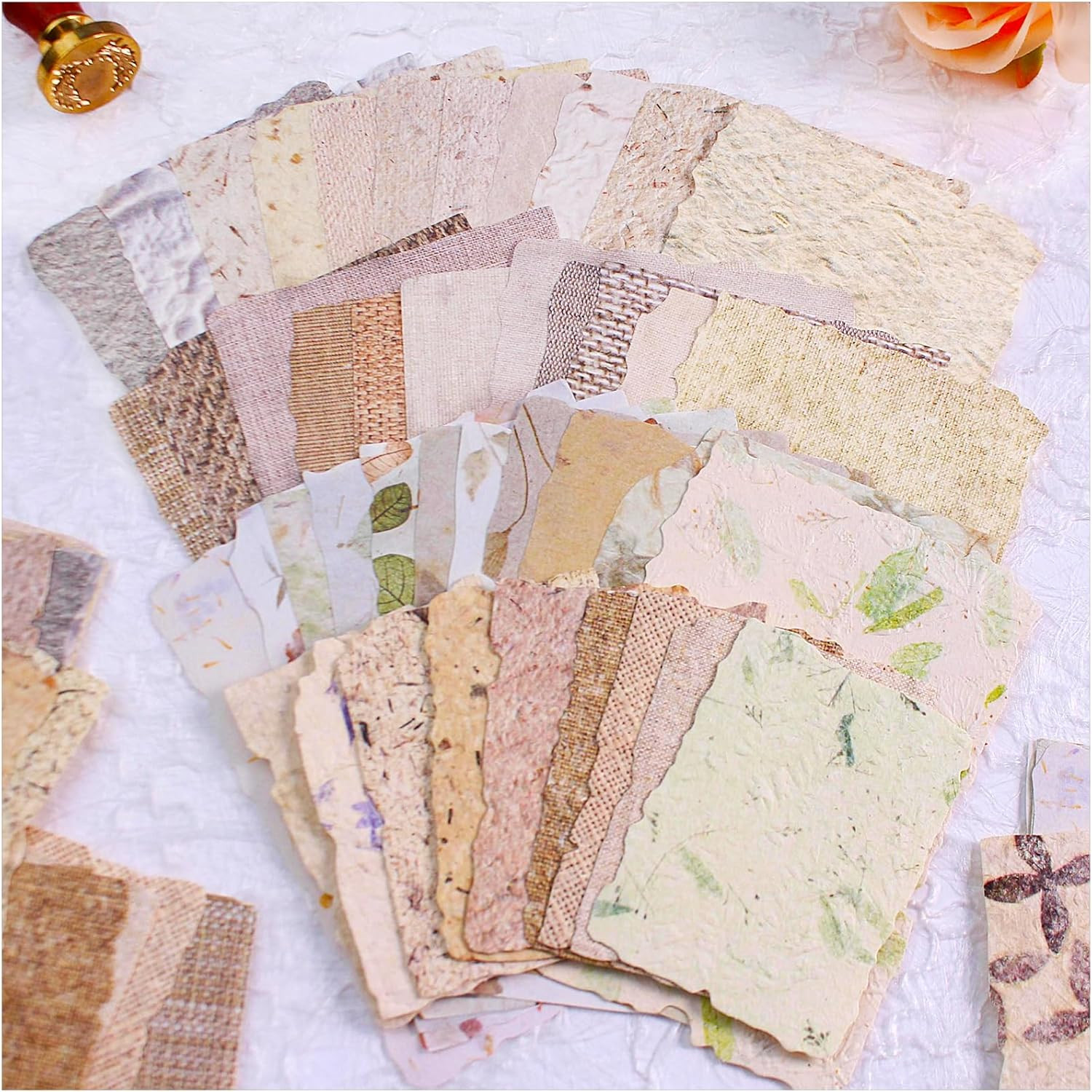 84 Sheets Textured Scrapbook Paper 3D Embossed Deckled Edge Craft Paper Set$17.99Last checked Nov 24, 2026View on eBay
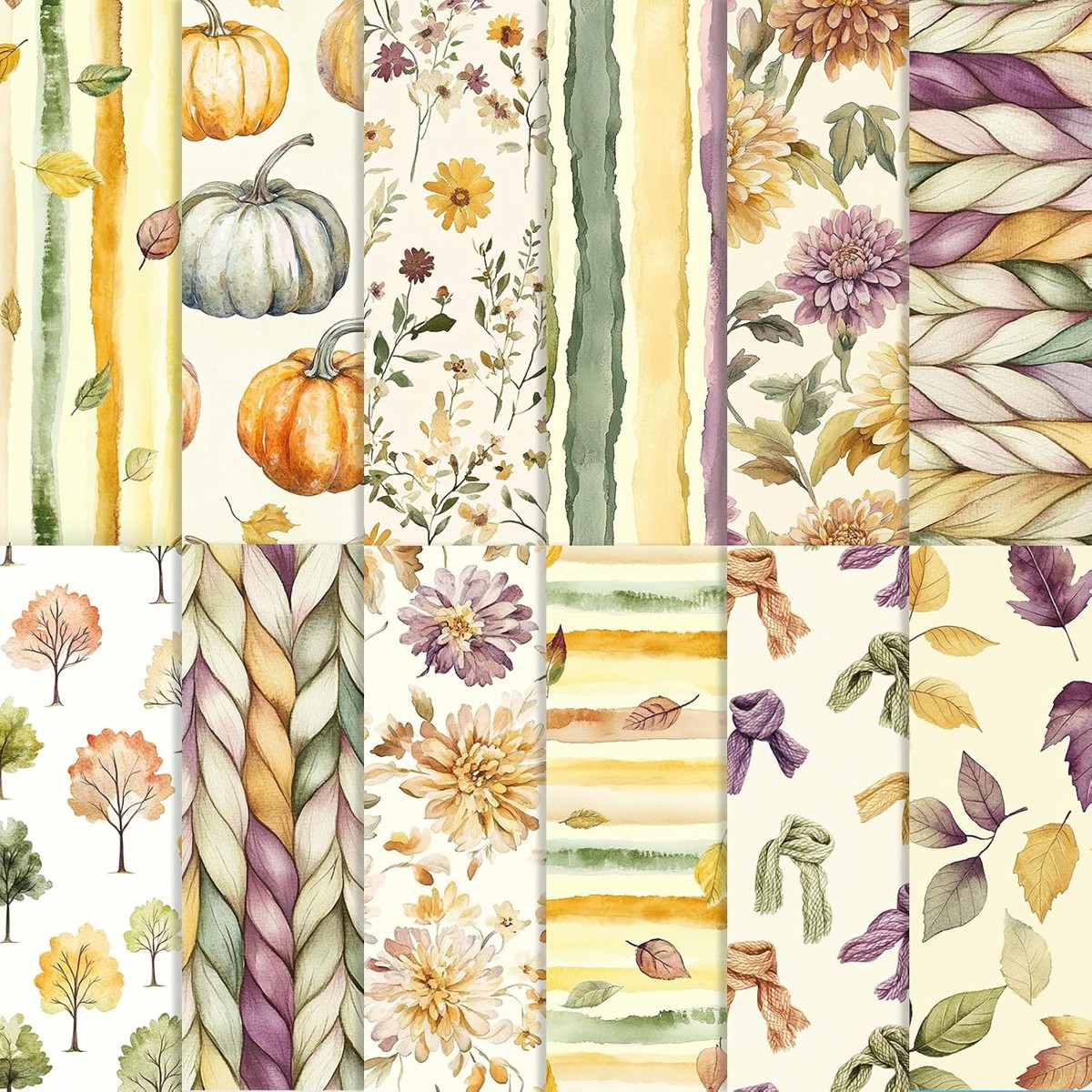 24 Sheets Fall Scrapbook Paper, Autumn Decorative Craft Paper Folded Flat for Fa$18.99View on eBay
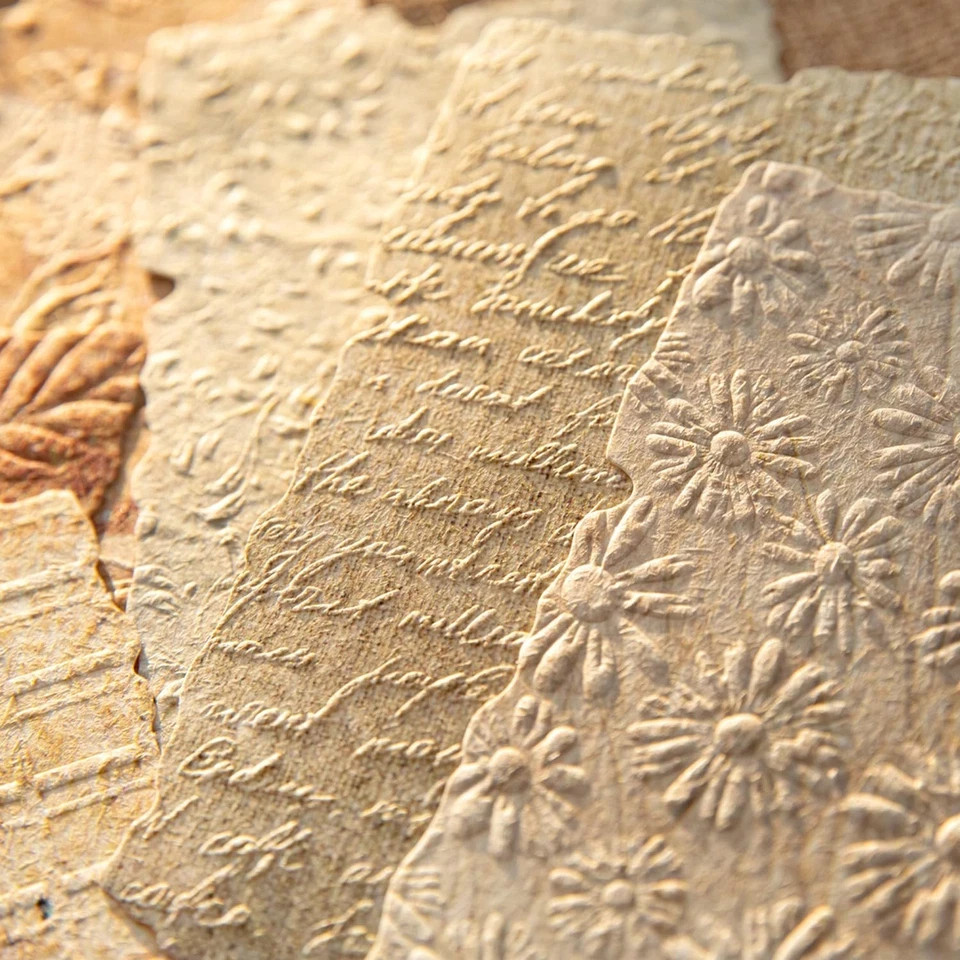 168Pcs Scrapbook Paper - 6 pack Embossed Textured&Printing Craft Paper Assort$20.69Last checked Nov 26, 2026View on eBay
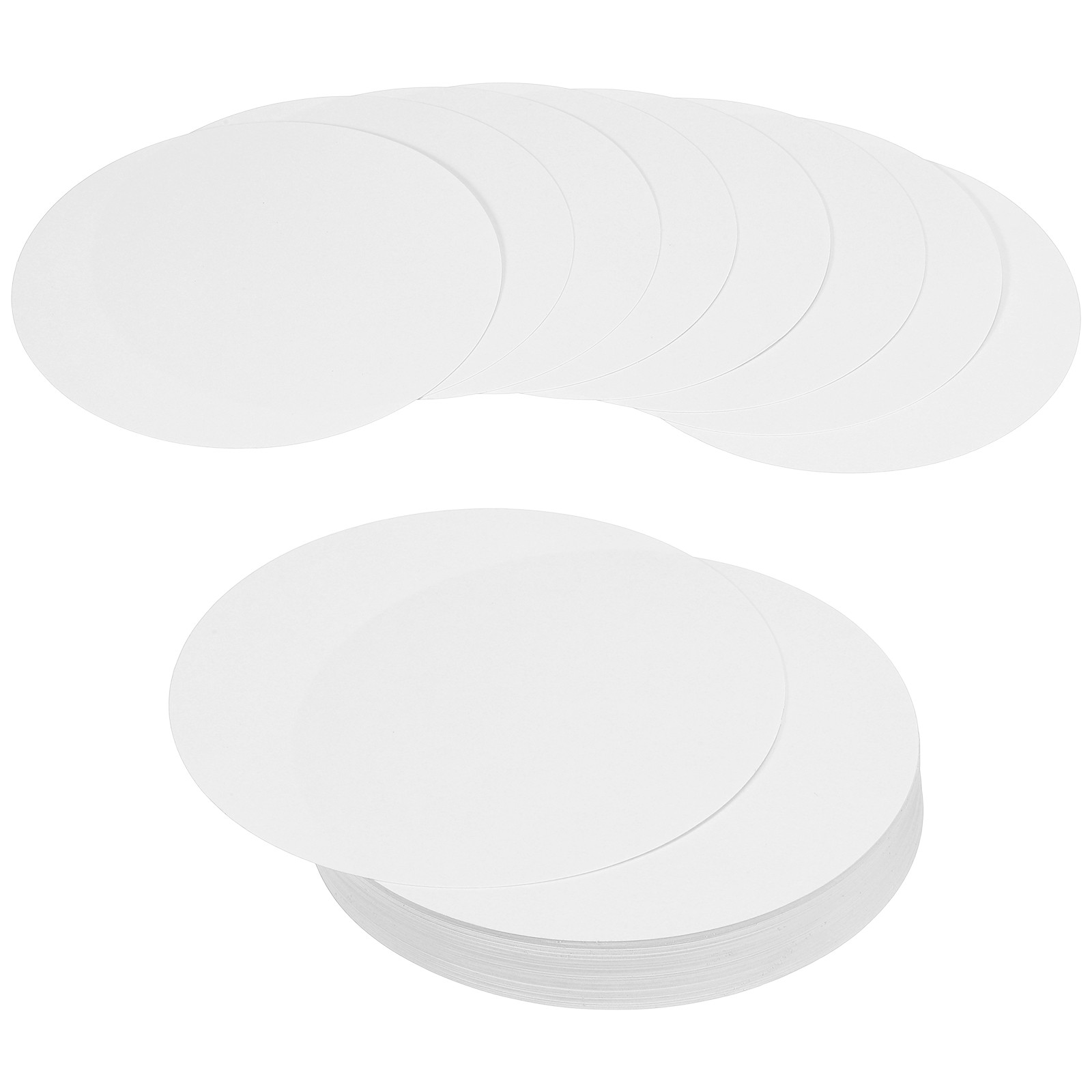 72 Sheet Circle Card Stock 5" Round Cutouts Paper for Crafts White$25.20Last checked Nov 24, 2026View on eBay
Highlights
- Paper weight drives performance: 65–80 lb (176–216 gsm) cardstock resists warping from wet glue, while 20–24 lb (75–90 gsm) text paper buckles and is best for layering or die-cut accents.
- Acid-free and lignin-free stock prevents yellowing and embrittlement over decades; buffered papers (pH 7.5–9.0) are the archive standard for photos and memorabilia.
- Sheet size dictates layout math: 12×12 in pads cover full scrapbook pages and 6×6 in pads suit card fronts, while 8.5×11 in sheets are the cut-down economy option.
- Surface finish changes adhesion and cutting: textured or embossed sheets hide glue lines and suit dry embossing, while smooth matte or glitter finishes require compatible adhesives and may dull blades faster.
Best use cases
- Full-page scrapbook albums: choose 12×12 in, 65–80 lb acid-free cardstock pads; skip thin 6×6 decorative sheets because they cannot span a 12×12 page without seams.
- Greeting cards and journaling: 6×6 in pads in 65 lb weight are ideal for card fronts and layered journal spreads; avoid 12×12 pads if you only need small accents, as trimming wastes material.
- Die-cutting and embossing: pick 80–110 lb smooth or lightly textured cardstock that holds crisp cuts; skip heavily glittered or coated sheets that flake and clog dies.
- Photo-safe keepsakes: use acid-free, lignin-free, buffered cardstock and avoid unknown-composition destash lots that may contain acidic or recycled newsprint fibers.
Buying tips
- Match paper weight to technique: use 65–80 lb for general scrapbooking, 80–110 lb for card bases and die-cutting, and 20–24 lb text weight only for layering or background accents.
- Check the inch dimensions before buying: 12×12 in is the scrapbook standard, 6×6 in suits card fronts, and 8.5×11 in is the budget cut-down size; mixing sizes creates trimming waste.
- Confirm acid-free and lignin-free labeling for any project involving photos; unbuffered or unknown papers risk yellowing and adhesive failure within years.
- For glitter and foil sheets, verify they are cardstock-backed rather than thin paper, and expect to clean cutting blades and use tacky glue rather than tape runners.
Specs
| Paper Weight | 65–110 lb cardstock / 20–24 lb text |
|---|---|
| Sheet Size | 12×12 in / 6×6 in / 8.5×11 in |
| Acid & Lignin | Acid-free, lignin-free, buffered |
| Surface Finish | Smooth matte / textured / glitter / foil |
Related searches
What to check before buying
- Measure your album or page protector: standard scrapbook pages are 12×12 in, so a 12×12 pad is required for full-bleed layouts without seams.
- Check your cutter and die machine maximum width: most trimmers handle 12 in, but some die-cut machines require sheets cut down to 6 in or smaller.
- Verify adhesive compatibility: wet glue and tape runners work on smooth cardstock, but textured, glitter, and coated sheets need tacky glue or double-sided tape.
- Confirm storage conditions: paper warps in humid rooms, so store pads flat in a dry space and avoid garages or basements with high moisture.
FAQ
Data sources: eBay / Amazon listings and product attribute feeds. Updated Nov 27, 2026.
Some links on this page are affiliate links. If you buy after clicking one, we may earn a commission at no extra cost to you. This does not change which products appear here or their order. Affiliate disclosure.