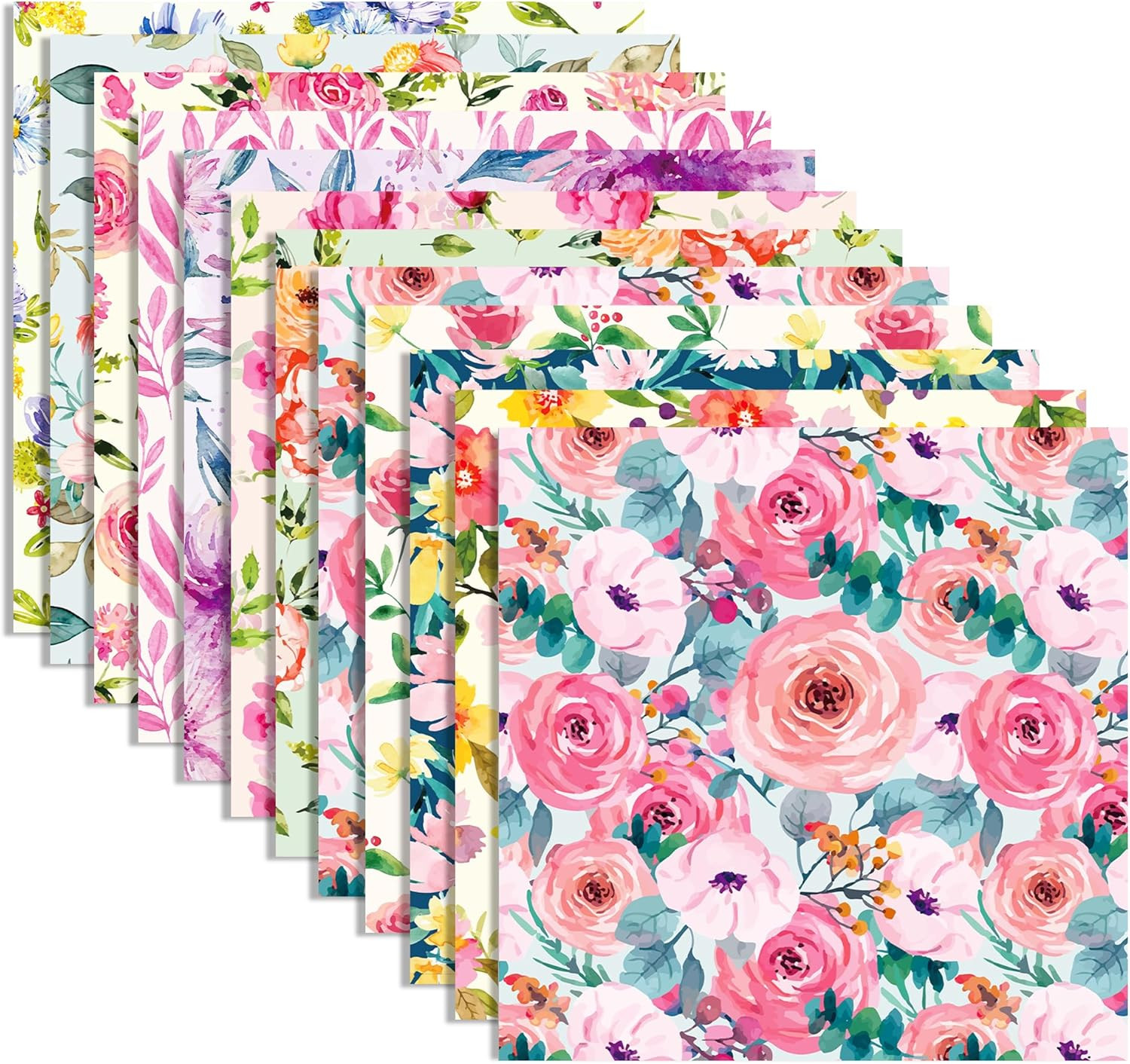

Photos from current listings. Actual item, color, and included accessories may vary.
Double Sided Scrapbook Paper Buying Guide
Double-sided scrapbook paper is patterned cardstock printed on both faces, so every cut and fold shows a finished design. The core trade-off is paper weight (GSM) versus sheet count: lighter 180–200 GSM pads are affordable and abundant but prone to bleed-through, while 250+ GSM cardstock holds up to adhesives and dimensional embellishments. Choose 65 lb / 240 GSM or heavier for archival layouts and lighter 180–200 GSM only for cards, punch-outs, and practice pieces.
Median $15.36
Key takeaways
- Paper weight is the durability divider: 180–200 GSM (≈65 lb text) suits die-cutting and cards; 216–250 GSM (80–90 lb cardstock) resists warping from wet adhesive and layered embellishments.
- Sheet count vs GSM: 24–36 sheet pads at 180–200 GSM are starter volume; 100+ sheet lots trade GSM for quantity and often mix single- and double-sided sheets.
- Double-sided designs must be registered front-to-back; mirrored or misaligned reverse prints ruin folded cards, mini-albums, and waterfall mechanisms.
At a glance
- Category
- Paper Crafts & Scrapbooking
- Last updated
- Nov 29, 2026
Current offers
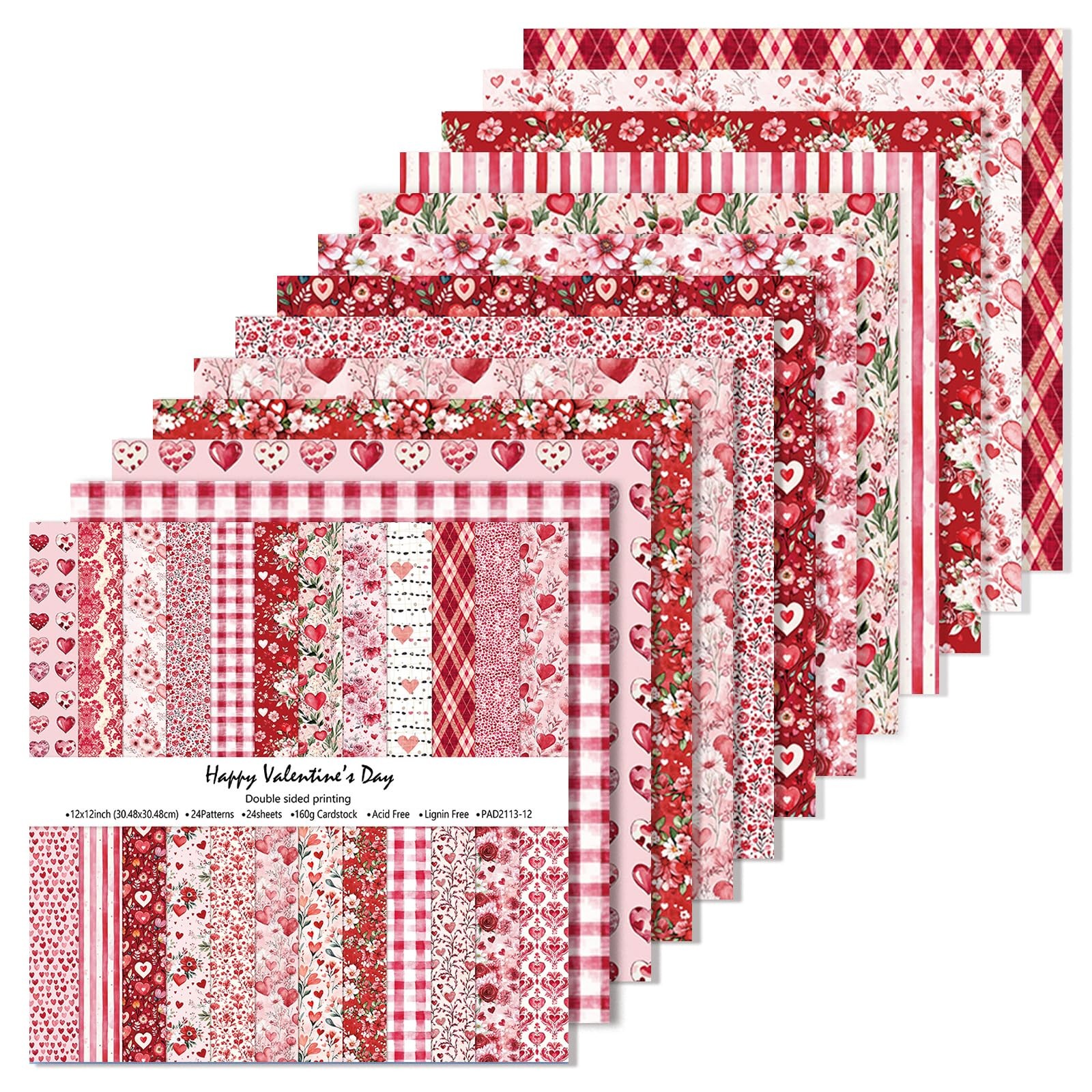
Highlights
- Paper weight is the durability divider: 180–200 GSM (≈65 lb text) suits die-cutting and cards; 216–250 GSM (80–90 lb cardstock) resists warping from wet adhesive and layered embellishments.
- Sheet count vs GSM: 24–36 sheet pads at 180–200 GSM are starter volume; 100+ sheet lots trade GSM for quantity and often mix single- and double-sided sheets.
- Double-sided designs must be registered front-to-back; mirrored or misaligned reverse prints ruin folded cards, mini-albums, and waterfall mechanisms.
- 12x12 in (30.5x30.5 cm) is the layout standard; 6x6 and 8x8 pads serve card fronts and mini-albums, while 11.8 in (30 cm) metric sheets fit A4-based albums.
Best use cases
- 12x12 layouts and albums: choose 216+ GSM double-sided cardstock so photos, wet glue, and layering do not buckle the page.
- Greeting cards and gift tags: 180–200 GSM 6x6 or 12x12 pads fold cleanly and pass through die-cut machines without cracking.
- Mini-albums and journals: pick coordinated double-sided pads where both faces share a palette; skip mixed lots with mismatched reverse patterns.
- High-volume classroom or kids' crafts: buy 100+ sheet multi-design lots at 180 GSM; skip premium 250 GSM stock for messy glue projects.
Buying tips
- Match GSM to technique: 180–200 GSM for folding and die-cutting, 216–250 GSM for wet media and dimensional layouts, 300+ GSM for album covers only.
- Check sheet yield per design: a 24-sheet pad with 12 double-sided designs gives two sheets per pattern; a 36-sheet pad with 18 designs likewise.
- For 12x12 layouts you need full 12x12 in sheets; 6x6 pads cannot cover a full page background without piecing.
- Verify both sides are pattern-printed, not white-core: 'double-sided' sometimes means pattern front and solid color back, which limits folding projects.
Specs
| Paper Weight | 180–250 GSM (65–90 lb) |
|---|---|
| Sheet Size | 12x12, 8x8, 6x6, 11.8 in |
| Reverse Print | Pattern/pattern or pattern/solid |
| Sheet Count | 24–36 pads; 100+ lots |
Related searches
What to check before buying
- Measure your album or page protector: 12x12 in pages need 12x12 in sheets; 8.5x11 albums need 8.5x11 or trimmed 12x12 stock.
- Check your adhesive and medium: wet glue, gesso, and ink blending require 216+ GSM to prevent cockling; tape runners work on 180 GSM.
- Confirm die-cut machine compatibility: 180–250 GSM cardstock cuts cleanly in standard consumer die-cutters; 300+ GSM may need multiple passes.
- Storage and humidity: paper warps in damp rooms, so store pads flat in a sealed bin with a desiccant pack if your craft space is humid.
FAQ
Data sources: eBay / Amazon listings and product attribute feeds. Updated Nov 29, 2026.
Some links on this page are affiliate links. If you buy after clicking one, we may earn a commission at no extra cost to you. This does not change which products appear here or their order. Affiliate disclosure.