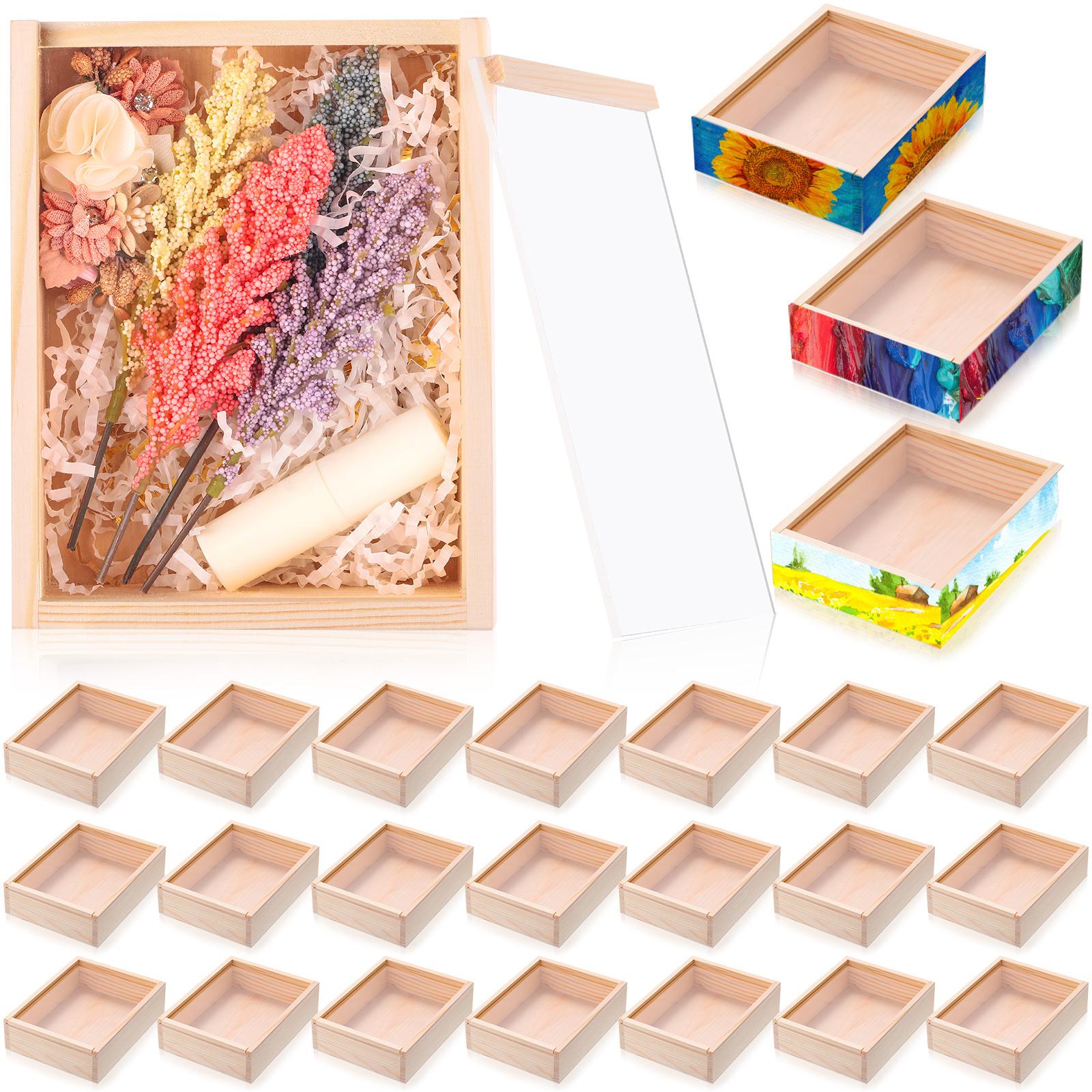

Photos from current listings. Actual item, color, and included accessories may vary.
Shadow Box With Slot Buying Guide
A shadow box with slot is a display frame featuring a top or side slit that lets you insert flat memorabilia, dried flowers, or tickets without opening the frame. The core trade-off is between acrylic or glass glazing and wood or MDF construction: acrylic resists shattering but scratches, while glass offers clarity but adds weight and fragility. The decision rule is simple—choose a slotted box only when you need frequent, damage-free insertion of flat items; otherwise, a standard hinged or magnetic-back shadow box provides better depth and dust control.
Key takeaways
- Slot width and depth determine usability: a 3–5 mm slot accepts standard cardstock, tickets, and pressed flowers, while slots under 2 mm jam on thicker papers or fabric.
- Acrylic lids (often 2–3 mm thick) are shatter-resistant and lighter than glass, but they scratch easily; glass glazing offers superior optical clarity at the cost of fragility and weight.
- Wooden shadow boxes typically use MDF or pine; MDF is dimensionally stable and smooth for painting, while pine shows grain and can warp in humid rooms.
At a glance
- Category
- Paper Crafts & Scrapbooking
- Last updated
- Nov 29, 2026
Current offers
Highlights
- Slot width and depth determine usability: a 3–5 mm slot accepts standard cardstock, tickets, and pressed flowers, while slots under 2 mm jam on thicker papers or fabric.
- Acrylic lids (often 2–3 mm thick) are shatter-resistant and lighter than glass, but they scratch easily; glass glazing offers superior optical clarity at the cost of fragility and weight.
- Wooden shadow boxes typically use MDF or pine; MDF is dimensionally stable and smooth for painting, while pine shows grain and can warp in humid rooms.
- Pack sizes like 10-pack units suit craft-fair production or classroom use; single boxes are better for one-off gifts, as bulk packs often lack individual gift packaging.
Best use cases
- Best fit: dried flower and botanical specimen displays—pick a slotted box with a 3–5 mm slot and acrylic lid so you can add or swap stems without disassembling the frame.
- Best fit: ticket and concert stub keepsakes—choose a side-slot box that lets you drop in flat paper items; skip front-loading boxes that require removing the lid and risking creases.
- Wrong fit: 3D objects like medals or figurines—skip slotted boxes entirely; their shallow depth (often under 1 inch) cannot accommodate depth, so choose a deep hinged shadow box instead.
- Wrong fit: high-humidity bathrooms or kitchens—avoid MDF and untreated pine slotted boxes; moisture warps the frame and fogs acrylic, so select sealed glass-front units rated for damp rooms.
Buying tips
- Measure your thickest item first: if it exceeds 5 mm (e.g., layered scrapbook pages or fabric swatches), a standard slot will not accept it—choose a box with a removable back or a wider custom slot.
- For wall mounting, confirm the box has a rear hangar or sawtooth hanger; slotted boxes often lack mounting hardware, so budget for adhesive strips or picture wire.
- Acrylic lids scratch with dry dusting—use a microfiber cloth and avoid paper towels; if clarity is critical for heirloom display, pay more for glass glazing.
- Check interior depth before buying: most slotted specimen boxes are 0.8–1.2 inches deep, which fits pressed flowers and tickets but not bulkier memorabilia.
Specs
| Lid Material | Acrylic vs. Glass |
|---|---|
| Slot Opening | 3–5 mm top/side slit |
| Frame Material | MDF, Pine, or Composite Wood |
| Interior Depth | 0.8–1.5 in (flat items only) |
Related searches
What to check before buying
- Measure your insertion item’s width and thickness—confirm it passes through the slot (typically 3–5 mm) without bending or forcing.
- Verify the box’s outer dimensions fit your shelf or wall space, and that the slot orientation (top vs. side) matches how you will access it.
- Check the lid material and thickness: 2–3 mm acrylic is typical for craft boxes; confirm it is not brittle polystyrene, which yellows and cracks.
- Confirm the back panel is removable or solid—if you plan to mount heavy items, a solid back with hangar is required; slotted backs are for flat inserts only.
FAQ
Data sources: eBay / Amazon listings and product attribute feeds. Updated Nov 29, 2026.
Some links on this page are affiliate links. If you buy after clicking one, we may earn a commission at no extra cost to you. This does not change which products appear here or their order. Affiliate disclosure.