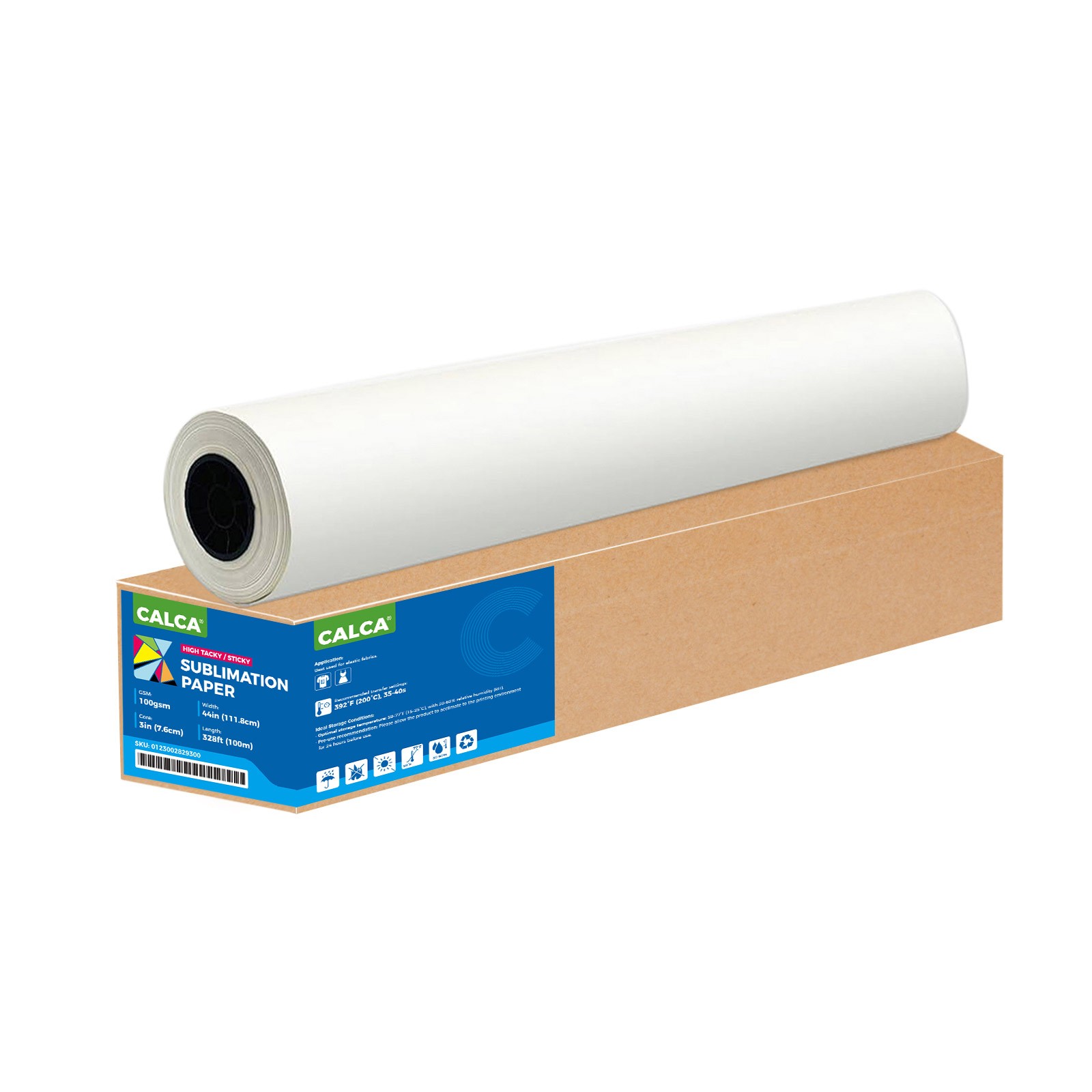

Photos from current listings. Actual item, color, and included accessories may vary.
Transfer Paper Buying Guide
Transfer paper selection hinges on your base material, transfer method (iron, heat press, or hand-rubbing), and whether you need a mirror-image or cut-and-weed workflow. Buyers often pick a sheet that ghosts, cracks after one wash, or refuses to bond to cotton blends because they ignored carrier-sheet and polymer-layer differences. Get the paper class right first, then match sheet size and pack format to your project volume.
Key takeaways
- Light-fabric and dark-fabric transfer sheets use different opaque polymer layers; dark-fabric variants carry a white background that blocks garment color but adds a rubbery hand-feel.
- Inkjet transfer paper requires mirror printing and a dry-iron or heat-press cure, while laser transfer paper fuses toner at higher temperatures and resists smearing without a pre-print fixative.
- Heat-press temperature windows typically run 150-180°C for 15-30 seconds with firm pressure; household irons lack consistent pressure and are the leading cause of partial adhesion.
At a glance
- Category
- Paper Crafts & Scrapbooking
- Last updated
- Nov 29, 2026
Current offers
Highlights
- Light-fabric and dark-fabric transfer sheets use different opaque polymer layers; dark-fabric variants carry a white background that blocks garment color but adds a rubbery hand-feel.
- Inkjet transfer paper requires mirror printing and a dry-iron or heat-press cure, while laser transfer paper fuses toner at higher temperatures and resists smearing without a pre-print fixative.
- Heat-press temperature windows typically run 150-180°C for 15-30 seconds with firm pressure; household irons lack consistent pressure and are the leading cause of partial adhesion.
- Tracing and graphite transfer papers rely on a wax or pigment coating rubbed with a stylus; they are single-use in the rubbed zone and unsuitable for fabric that will be washed.
Best use cases
- Best fit: Light-fabric inkjet sheets for white or pastel cotton tees and tote bags — choose a pack sized to your printer's max sheet width (usually A4 or Letter).
- Best fit: Dark-fabric sheets for black or navy garments where the design must stay opaque; skip them on stretchy synthetics because the white layer cracks at flex points.
- Best fit: Graphite or wax-free tracing paper for sewists and scrapbookers transferring embroidery or pattern lines onto paper and canvas — not for washable apparel.
- Wrong fit: Laser transfer paper in an inkjet printer (or vice versa) — the coating chemistry is incompatible and will jam or flake; confirm your printer technology before buying.
Buying tips
- Confirm your printer technology first: inkjet-coated sheets and laser-coated sheets are not interchangeable, and feeding the wrong type can damage the fuser.
- Choose dark-fabric sheets only when the garment color would mute the design; on white cotton, light-fabric sheets give a softer hand-feel and better breathability.
- Size sheets to your printer's rated media width and your heat-press platen — oversized sheets waste coating and can curl during feeding.
- Inspect the carrier sheet thickness: thicker PET carriers survive repeated peel-and-reuse cycles for multi-color layered vinyl workflows, while thin paper carriers tear on the first peel.
Specs
| Printer Technology | Inkjet vs Laser (coating-specific) |
|---|---|
| Fabric Tone | Light-fabric vs Dark-fabric opaque |
| Transfer Method | Heat press / iron vs hand-rub tracing |
| Sheet Format | A4 / Letter / A3 pack sizes |
What to check before buying
- Measure your heat-press platen or iron soleplate footprint; sheets larger than the platen leave uncured edges that peel after washing.
- Verify your garment fiber content: 100% cotton bonds best, cotton-poly blends need lower press temperatures, and fully synthetic fabrics require specialty low-temp sheets.
- Check your printer's maximum media weight and sheet thickness rating; heavy transfer stock can exceed feed specifications on compact inkjets.
- Confirm you have a firm, flat pressing surface and a protective cover sheet or Teflon pressing cloth — direct iron contact melts the polymer layer onto the soleplate.
FAQ
Data sources: eBay / Amazon listings and product attribute feeds. Updated Nov 29, 2026.
Some links on this page are affiliate links. If you buy after clicking one, we may earn a commission at no extra cost to you. This does not change which products appear here or their order. Affiliate disclosure.