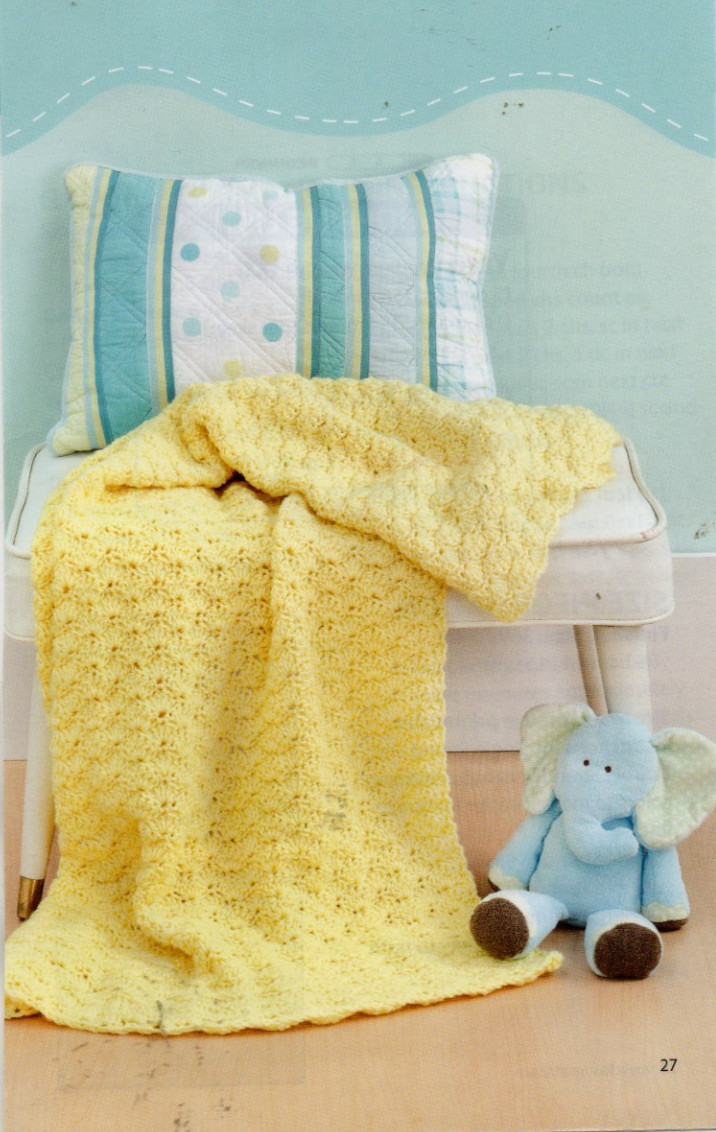

Photos from current listings. Actual item, color, and included accessories may vary.
Crochet Blanket Buying Guide
Crochet blankets range from heirloom thread-lace throws to quick bulky-yarn afghans, and the core trade-off is yarn weight versus stitch density: heavier yarns finish faster but can pill and stretch, while finer yarns create drape and detail at the cost of many more hours. The decision rule is simple: match yarn weight and fiber to the blanket's job (baby, decor, daily-use throw) and verify yardage before starting, because a beautiful stitch pattern in the wrong gauge becomes a stiff or undersized blanket.
Median $1.15
Key takeaways
- Yarn weight class drives gauge and drape: worsted (CYC 4) on a 5.0-5.5 mm hook yields about 12-16 stitches per 4 in, while bulky (CYC 5-6) on 6.5-9 mm hooks finishes a throw in a fraction of the time but pills faster.
- Fiber grade determines durability: superwash merino and acrylic blends survive machine washing, while untreated wool felts and cotton grows heavier and stretches under its own weight in large blankets.
- Construction method changes stretch and warmth: joined granny squares create structured, replaceable panels, whereas one-piece ripple or corner-to-corner (C2C) blankets distribute weight evenly with no seam stress points.
At a glance
- Category
- Knitting & Crochet Patterns
- Last updated
- Nov 28, 2026
Current offers
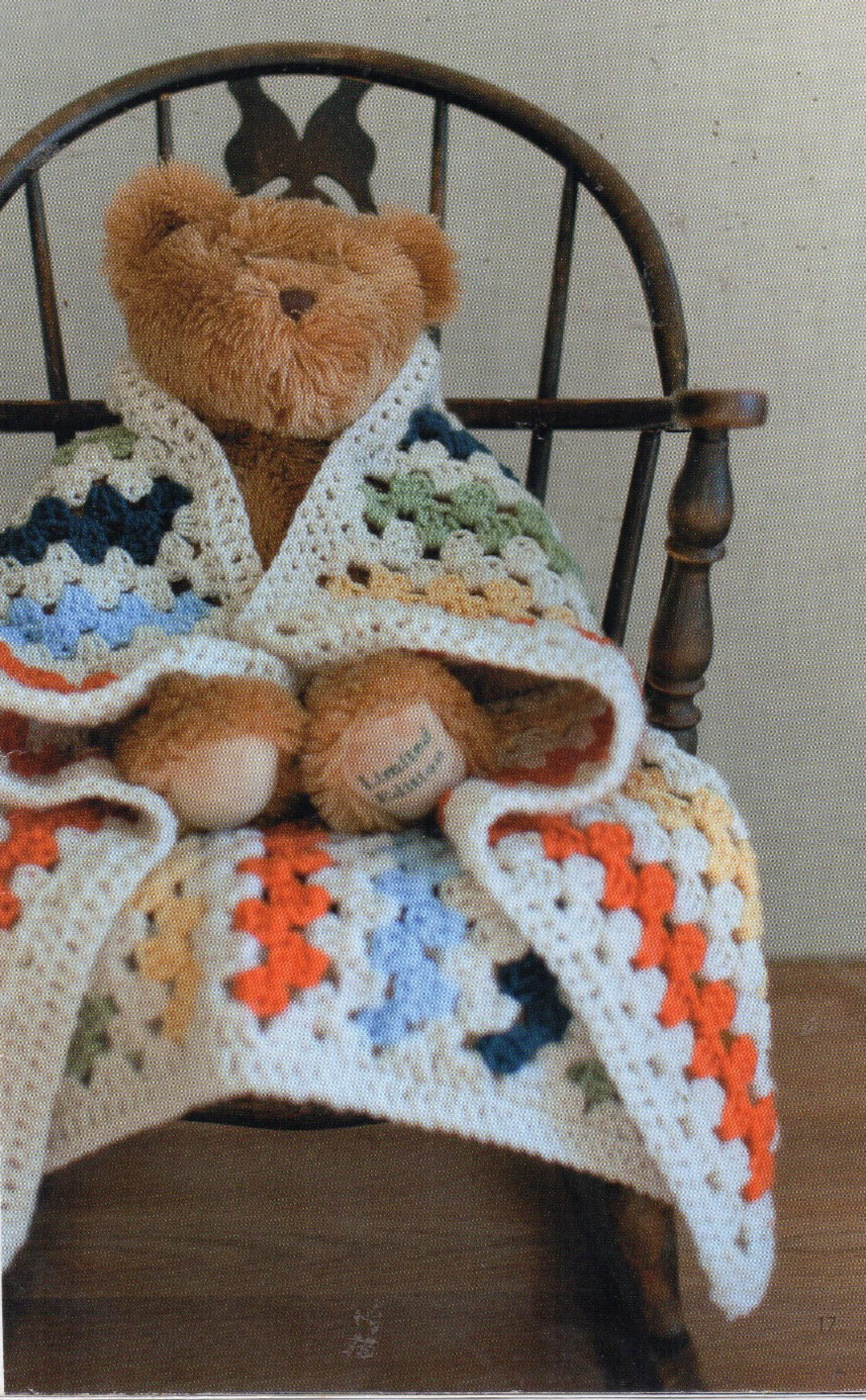
Highlights
- Yarn weight class drives gauge and drape: worsted (CYC 4) on a 5.0-5.5 mm hook yields about 12-16 stitches per 4 in, while bulky (CYC 5-6) on 6.5-9 mm hooks finishes a throw in a fraction of the time but pills faster.
- Fiber grade determines durability: superwash merino and acrylic blends survive machine washing, while untreated wool felts and cotton grows heavier and stretches under its own weight in large blankets.
- Construction method changes stretch and warmth: joined granny squares create structured, replaceable panels, whereas one-piece ripple or corner-to-corner (C2C) blankets distribute weight evenly with no seam stress points.
- Pattern format matters for execution: charted and written row-by-row instructions with stitch counts per row prevent the wavy edges and missed increases common in abbreviated vintage-style patterns.
Best use cases
- Baby blanket: choose DK or worsted superwash merino or acrylic blend at 30 x 36 in with a tight single-crochet or corner-to-corner fabric — skip bulky chenille, which sheds and poses a loose-fiber risk for infants.
- Daily-use throw for a sofa: pick worsted-weight acrylic or acrylic-wool blend at 50 x 60 in with a dense half-double-crochet or ripple pattern — skip pure cotton, which stretches and sags from its own weight.
- Decorative or gift heirloom: use fingering or sport-weight wool or cotton-blend thread for lace and filet patterns at 40 x 50 in — skip these fine gauges for anything that will see frequent machine washing.
Buying tips
- Calculate total yardage before buying: a worsted 50 x 60 in throw needs roughly 1,800-2,200 yd, so verify the pattern's stated yardage and buy all skeins in one dye lot.
- Match hook size to yarn label gauge; a 5.0 mm hook with worsted weight is the standard starting point, and swatching a 6 in square confirms your personal tension before committing.
- For blankets larger than 40 in wide, choose a join-as-you-go or one-piece construction; seamed squares in fine yarn concentrate stress at seams and split over time.
- Select superwash-treated wool or solution-dyed acrylic for anything machine-washed; untreated wool and hand-dyed cotton require cold hand-washing and flat drying.
Specs
| Yarn Weight | Fingering to Super Bulky (CYC 1-6) |
|---|---|
| Hook Size Range | 3.5 mm to 9.0 mm |
| Fiber Type | Acrylic / Wool / Cotton / Blend |
| Pattern Format | Written rows / Charted / Video |
Related searches
What to check before buying
- Confirm finished dimensions from the pattern's gauge math — a 4 in gauge swatch scaled to a 50 x 60 in throw requires roughly 12.5 x 15 pattern repeats, so verify the repeat count divides cleanly.
- Check yarn care labels against your washer and dryer: superwash and acrylic tolerate machine drying on low, while untreated wool and cotton must be flat-dried.
- Verify hook size availability in your region's sizing standard (US vs metric), since a pattern calling for a US H-8 is a 5.0 mm hook, not an 8 mm hook.
- For baby items, confirm the pattern specifies a tight gauge and avoid open lace or long fringe that can tangle; choose smooth, washable yarns over fuzzy or chenille textures.
FAQ
Data sources: eBay / Amazon listings and product attribute feeds. Updated Nov 28, 2026.
Some links on this page are affiliate links. If you buy after clicking one, we may earn a commission at no extra cost to you. This does not change which products appear here or their order. Affiliate disclosure.