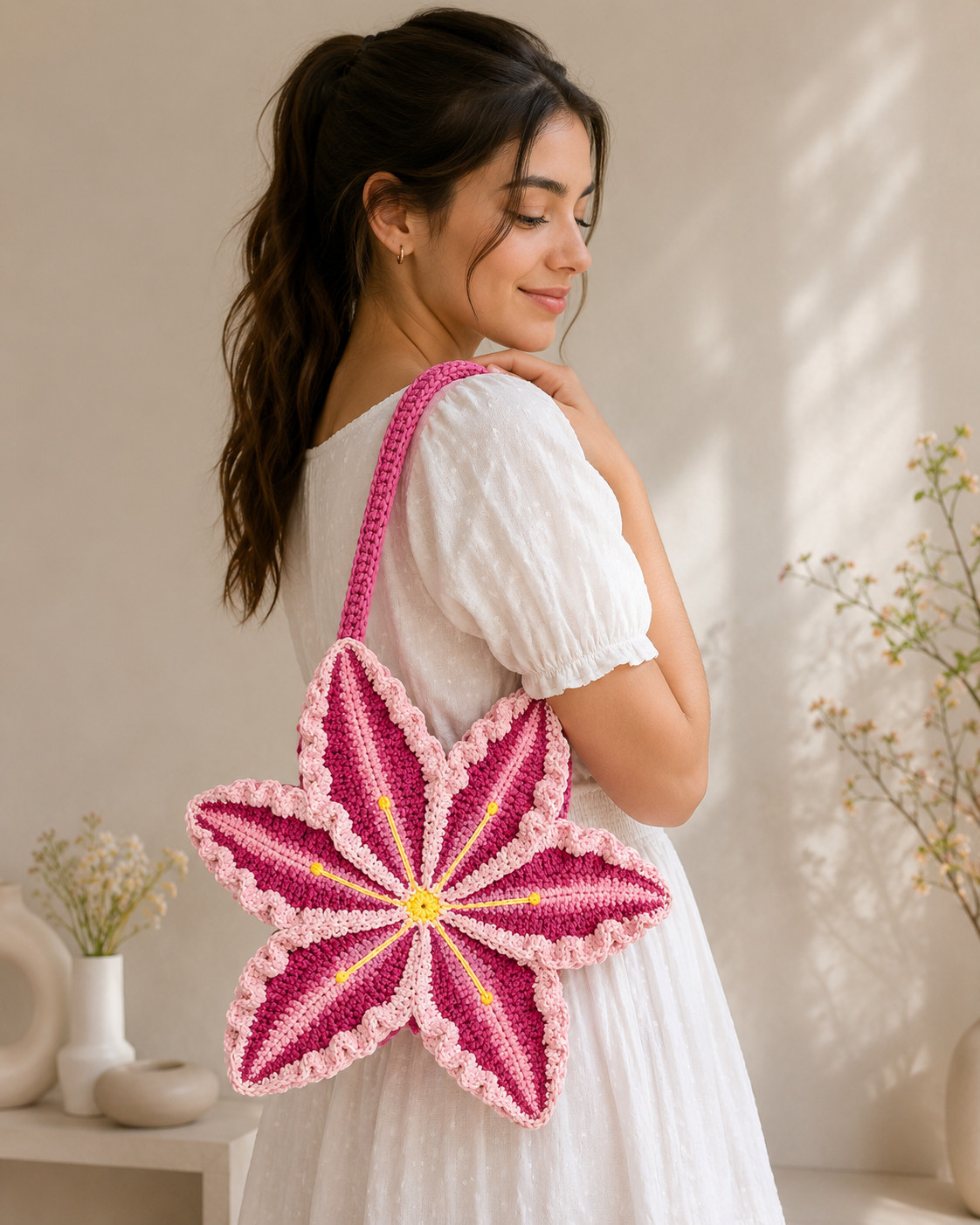

Photos from current listings. Actual item, color, and included accessories may vary.
Crochet Tote Bag Pattern Buying Guide
A crochet tote bag pattern is a set of written instructions that translates yarn weight, hook size, and stitch gauge into a durable, load-bearing bag. The primary trade-off is between open, decorative stitch patterns and dense, reinforced constructions that resist stretching under weight. The decision rule: prioritize a pattern that specifies a tight gauge (single crochet or linked stitches) and a reinforced base or lining, and avoid open mesh or untested lace totes for daily carry.
Key takeaways
- Gauge is the load-bearing spec: a 4-inch square in single crochet at 16 sts x 18 rows yields a firm fabric; 12 sts x 14 rows is too loose for heavy tote loads.
- Yarn fiber dictates durability: cotton (predominantly worsted weight, 4 oz / 200 yds per skein) holds shape and resists pilling; acrylic stretches permanently under sustained weight.
- Base construction separates durable totes from compromises: a flat oval or rectangular base worked in single crochet with increases at corners distributes load; a simple chain-ring base concentrates stress.
At a glance
- Category
- Knitting & Crochet Patterns
- Last updated
- Nov 28, 2026
Current offers
Highlights
- Gauge is the load-bearing spec: a 4-inch square in single crochet at 16 sts x 18 rows yields a firm fabric; 12 sts x 14 rows is too loose for heavy tote loads.
- Yarn fiber dictates durability: cotton (predominantly worsted weight, 4 oz / 200 yds per skein) holds shape and resists pilling; acrylic stretches permanently under sustained weight.
- Base construction separates durable totes from compromises: a flat oval or rectangular base worked in single crochet with increases at corners distributes load; a simple chain-ring base concentrates stress.
- Handle attachment is the failure point: sewn-on handles must be reinforced with a double layer of single crochet or rivets; integrated crochet straps should be worked into the body for at least 6 stitches of overlap.
Best use cases
- Best fit: daily market or library tote — choose a pattern with a reinforced rectangular base, tight single-crochet gauge, and sewn-in fabric lining; skip open mesh or net patterns that sag.
- Best fit: beginner's first bag — pick a pattern using only single crochet and half double crochet in a flat rectangle folded and seamed, with a gauge swatch requirement; skip patterns with colorwork or shaped bases.
- Best fit: decorative or gift bag — a floral or lace pattern (e.g., lily flower motif) is appropriate for light loads and display; do not use for groceries or books.
- Wrong fit: heavy hauling (laptops, produce) with any unlined, open-stitch pattern — the fabric will stretch 2-4 inches in length within weeks; choose a tightly gauged, lined tote instead.
Buying tips
- Match hook to yarn label: worsted-weight cotton typically calls for a 5.0 mm (H-8) hook; a pattern specifying 4.0 mm (G-6) with worsted cotton produces a dense, durable fabric.
- Calculate yardage before buying: a standard tote (12 x 14 inches body) in single crochet at 16 sts/4 in requires approximately 400-500 yards of worsted-weight cotton; add 20% for seamed or lined versions.
- Choose patterns that include a gauge swatch instruction and a finished measurement — patterns stating only 'one size' without gauge or dimensions are unreliable for load-bearing use.
- For PDF patterns, verify the file includes both written instructions and a chart or photo tutorial for the base and handle join; text-only patterns with no visuals are a compromise for complex constructions.
Specs
| Gauge | 16 sc x 18 rows = 4 in (worsted cotton) |
|---|---|
| Yarn Weight | Worsted (4) / DK (3) for tighter gauge |
| Fiber | Cotton or cotton-blend; avoid 100% acrylic |
| Base Type | Reinforced oval/rectangular vs chain-ring |
Related searches
What to check before buying
- Measure your intended load: a laptop up to 15 inches requires a finished bag width of at least 14 inches and a reinforced base; compare to the pattern's stated finished dimensions.
- Confirm yarn weight and fiber match the pattern's gauge: substituting aran for worsted changes gauge by 2-3 stitches per 4 inches, altering final size and durability.
- Check handle drop: a shoulder tote needs a 10-12 inch drop; a hand-carry tote needs 5-6 inches — the pattern must state handle length or drop.
- Verify PDF compatibility: patterns delivered as PDF require a reader on your device; ensure the file is downloadable and printable before purchase, especially for instant-download listings.
FAQ
Data sources: eBay / Amazon listings and product attribute feeds. Updated Nov 28, 2026.
Some links on this page are affiliate links. If you buy after clicking one, we may earn a commission at no extra cost to you. This does not change which products appear here or their order. Affiliate disclosure.