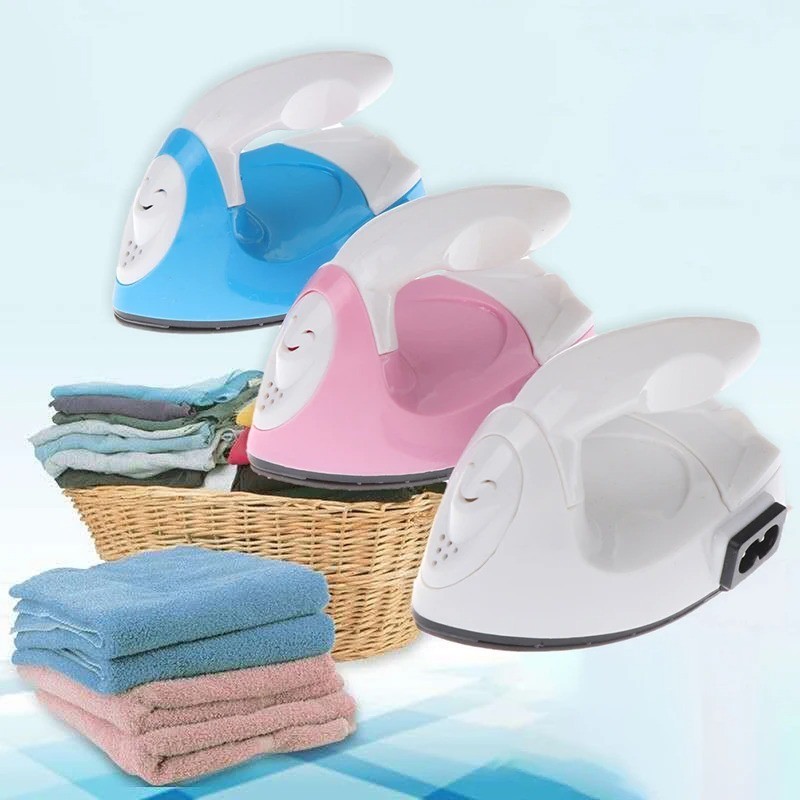

Photos from current listings. Actual item, color, and included accessories may vary.
Small Quilting Iron Buying Guide
A small quilting iron is a compact, low-wattage heat tool sized for detail pressing, seam setting, and foundation-piecing work where a full-size iron is too clumsy. The core trade-off is between fast, stable heat recovery (higher wattage, better soleplate mass) and portability/safety (cool-touch handles, travel-friendly size, lower power draw). Choose a model with a thermostatic dial and a non-stick or ceramic soleplate for repeatable results; skip unregulated mini irons that spike and scorch delicate fabrics.
Key takeaways
- Wattage tiers separate real quilters' tools from craft toys: 20–40W models heat slowly and sag under load, while 60–100W mini irons hold seam-setting temperature through repeated presses.
- Soleplate material governs glide and scorch risk: ceramic-coated or polished stainless plates release starch and fusible residue; bare aluminum plates can pit and drag on batiks.
- Thermostatic dial vs. fixed heat: adjustable 60–200°C (140–390°F) ranges let you press cotton at higher heat and set fusible web at lower heat without guessing.
At a glance
- Category
- Quilt Patterns, Pressing & Storage
- Last updated
- Nov 28, 2026
Current offers
Highlights
- Wattage tiers separate real quilters' tools from craft toys: 20–40W models heat slowly and sag under load, while 60–100W mini irons hold seam-setting temperature through repeated presses.
- Soleplate material governs glide and scorch risk: ceramic-coated or polished stainless plates release starch and fusible residue; bare aluminum plates can pit and drag on batiks.
- Thermostatic dial vs. fixed heat: adjustable 60–200°C (140–390°F) ranges let you press cotton at higher heat and set fusible web at lower heat without guessing.
- Physical footprint matters more than weight: soleplates around 2–3 inches wide fit inside half-square triangle units and 1-inch foundation strips that a standard 5-inch iron cannot reach.
Best use cases
- Best fit: foundation paper piecing and miniature quilts—pick a 60W+ iron with a pointed tip and adjustable dial to press 1-inch seams without distorting the paper.
- Best fit: travel and retreats—choose a compact 20–40W iron with a cool-touch handle and a travel case; skip high-wattage models that may trip hotel or RV circuits.
- Wrong fit: pressing large quilt tops or yardage—a mini iron's small soleplate makes this painfully slow; use a full-size iron with a 12+ inch plate for those tasks.
- Wrong fit: heavy fusible appliqué production—low-wattage minis cannot sustain the heat needed to bond large web sheets; step up to a mid-size craft press or full iron.
Buying tips
- Match wattage to task: 20–40W for light travel touch-ups, 60–100W for daily seam pressing and foundation piecing where heat recovery matters.
- Check the soleplate size against your smallest unit: a 2–3 inch plate fits 1-inch finished strips; anything wider than 3.5 inches defeats the purpose of a detail iron.
- Insist on a thermostatic dial with a marked temperature range—fixed-heat minis force you to hover the iron, which causes uneven fusible bonds and scorched synthetics.
- Verify the handle stays cool: look for a double-wall or silicone-insulated grip; uninsulated metal handles on budget minis become unsafe within minutes of continuous use.
Specs
| Wattage Tier | 20-40W travel vs 60-100W quilting |
|---|---|
| Soleplate Type | Ceramic / Stainless / Aluminum |
| Heat Control | Thermostatic dial vs fixed heat |
| Plate Width | 2-3 in detail vs 3.5+ in general |
Related searches
What to check before buying
- Measure your pressing station: a mini iron needs a stable heat-safe pad or silicone mat roughly 8x8 inches, plus clearance for the cord.
- Confirm your outlet and travel plans: 20–40W models run on standard 110–120V US circuits and most 220–240V outlets with a plug adapter; high-wattage minis may exceed inverter limits on RV or boat power.
- Check fabric and fusible compatibility: verify the iron's low-end dial reaches 60–90°C for heat-sensitive fusibles and its high end reaches 180–200°C for cotton seam setting.
- Plan for accessories: a mini iron stand or rest, a pressing mat, and a seam roller are companion parts that keep the hot soleplate off your table between presses.
FAQ
Data sources: eBay / Amazon listings and product attribute feeds. Updated Nov 28, 2026.
Some links on this page are affiliate links. If you buy after clicking one, we may earn a commission at no extra cost to you. This does not change which products appear here or their order. Affiliate disclosure.