
Photos from current listings. Actual item, color, and included accessories may vary.
Clay Tool Kit Buying Guide
A clay tool kit bundles the core shaping, cutting, and texturing implements for hand-building, wheel throwing, and sculpting. The primary trade-off is between low-cost high-piece-count sets with soft stainless and plastic components versus smaller kits built around hardened steel, wood, and silicone that hold an edge and resist corrosion. The clear decision rule: buy for the specific clay body and technique you work in, and treat piece count as a red flag rather than a feature.
Median $15.66
Key takeaways
- Wire-end and ribbon tools are the workhorses: hardened stainless steel holds a sharp ribbon and resists rust, while soft 201-series stainless bends and burrs quickly.
- Wood and bamboo ribs are preferable to plastic ribs for throwing and smoothing because they do not gouge leather-hard clay and they burnish rather than drag.
- Silicone-tipped shapers and colour shapers are essential for polymer and fine sculpting, while metal loops and needle tools suit stoneware and porcelain at leather-hard stages.
At a glance
- Category
- Pottery Tools & Molds
- Last updated
- Nov 28, 2026
Current offers
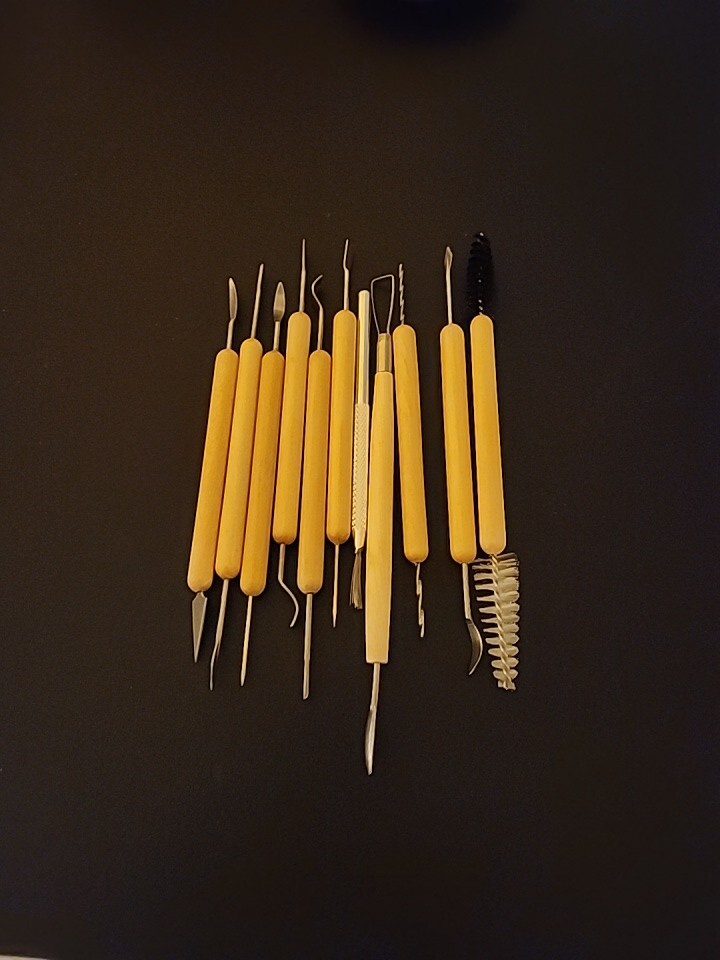 11 Pcs Pottery Tool Set Clay Sculpting Modeling Ceramics Art Kit$7.99View on eBay
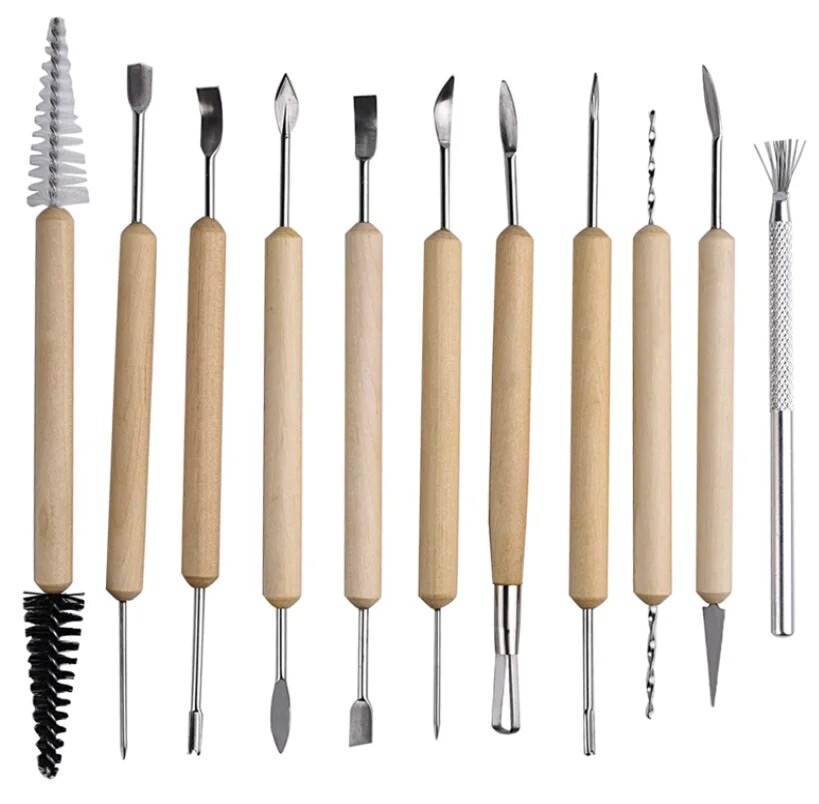 11 Pcs Pottery Tool Set Clay Sculpting Modeling Ceramics$10.99View on eBay
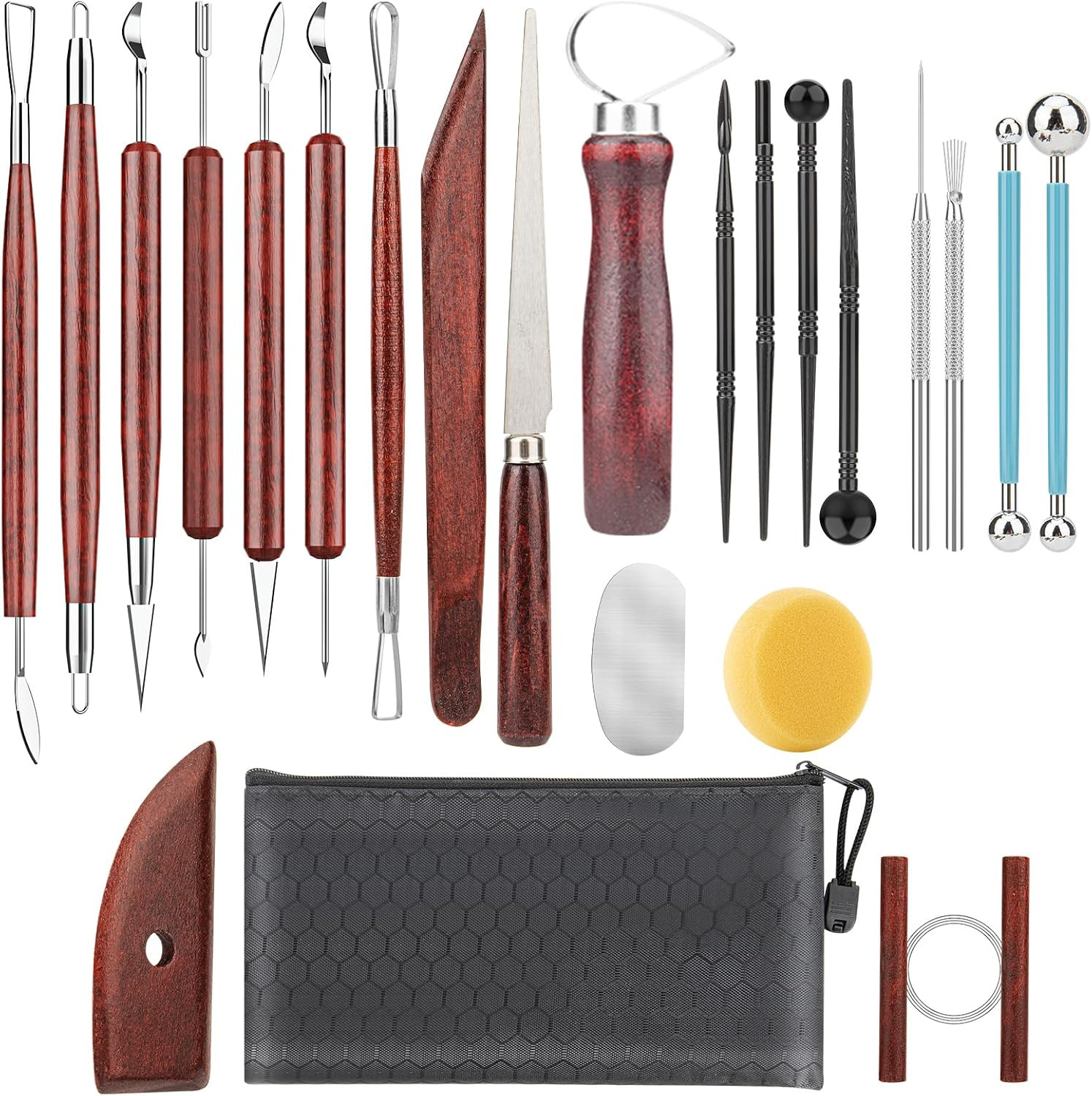 23PCS Clay Tools Sculpting, Ceramic & Pottery Modeling Tool, Ceramics Tools Set$13.89View on eBay
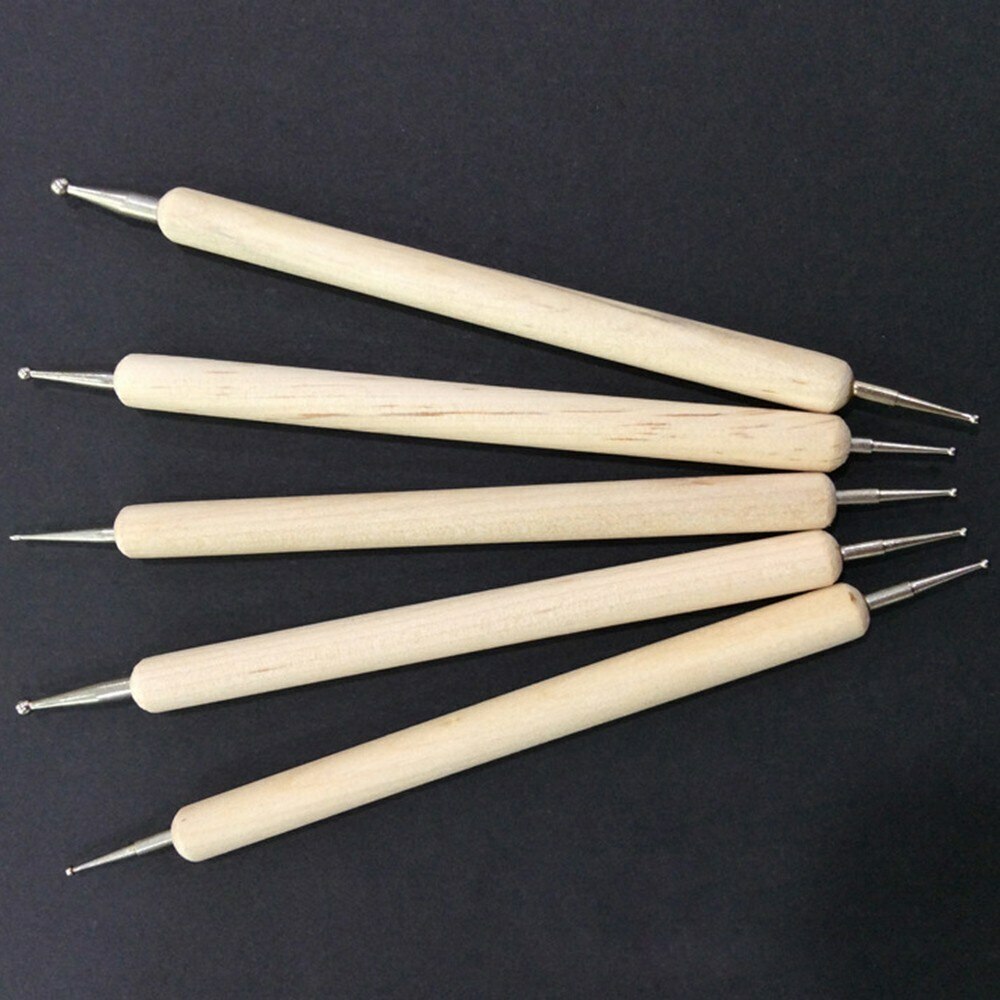 5pieces DIY leather craft blanking carving tool set handmade Clay sculpture set$13.99View on eBay
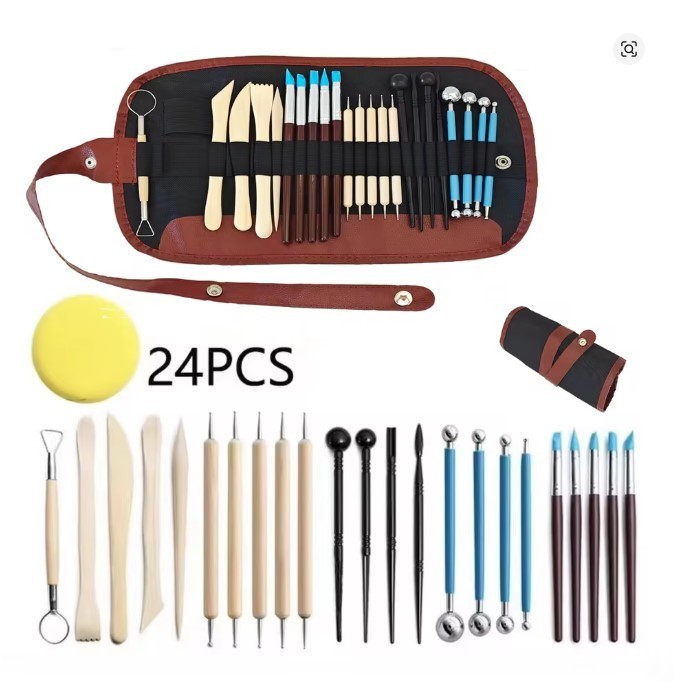 23PCS Clay Sculpting Tools Set Pottery Ceramic Polymer Modeling Kit Supplies$14.40View on eBay
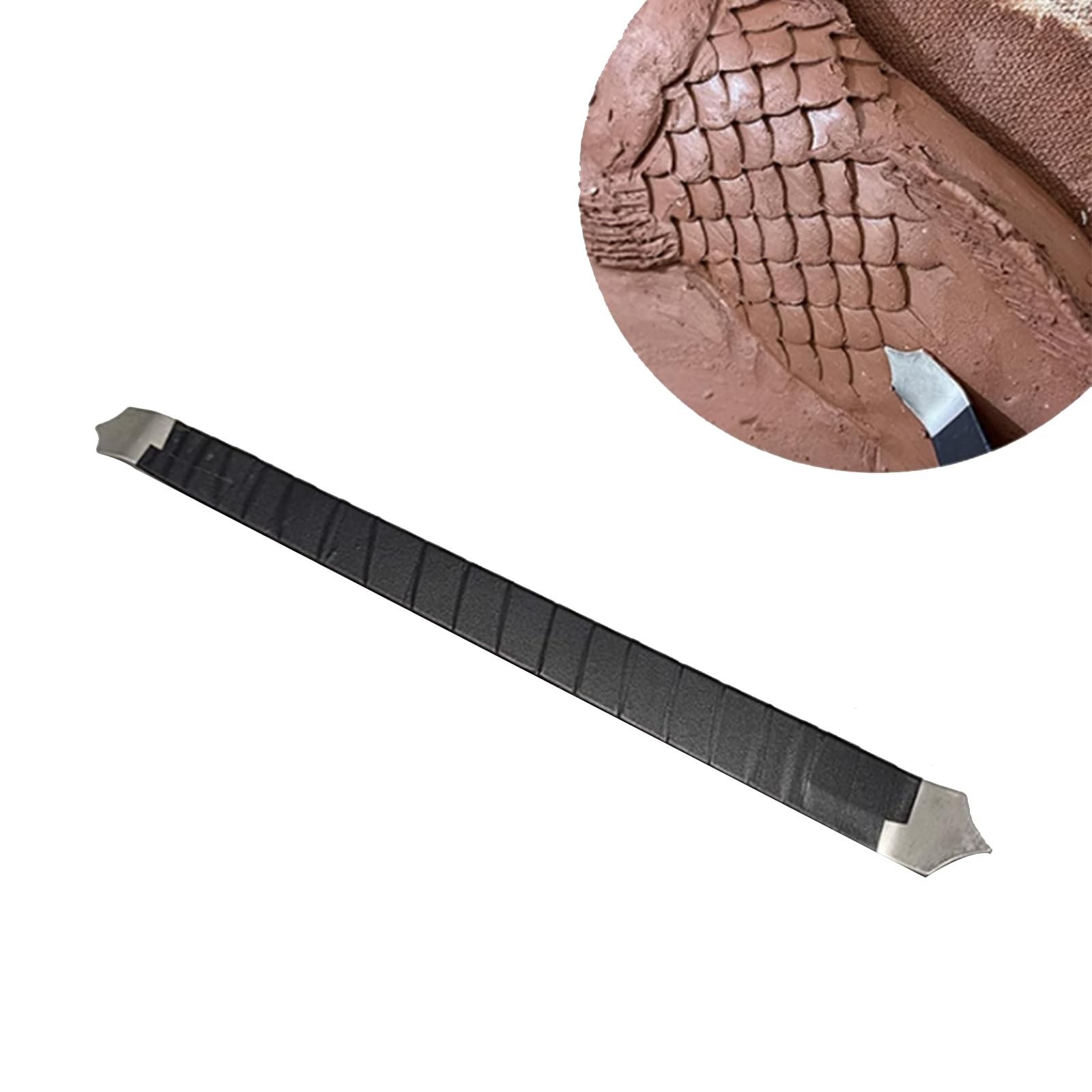 Pottery Clay Modeling Tools Fish Scale Texture Pattern Sculpture Tool...$14.76View on eBay
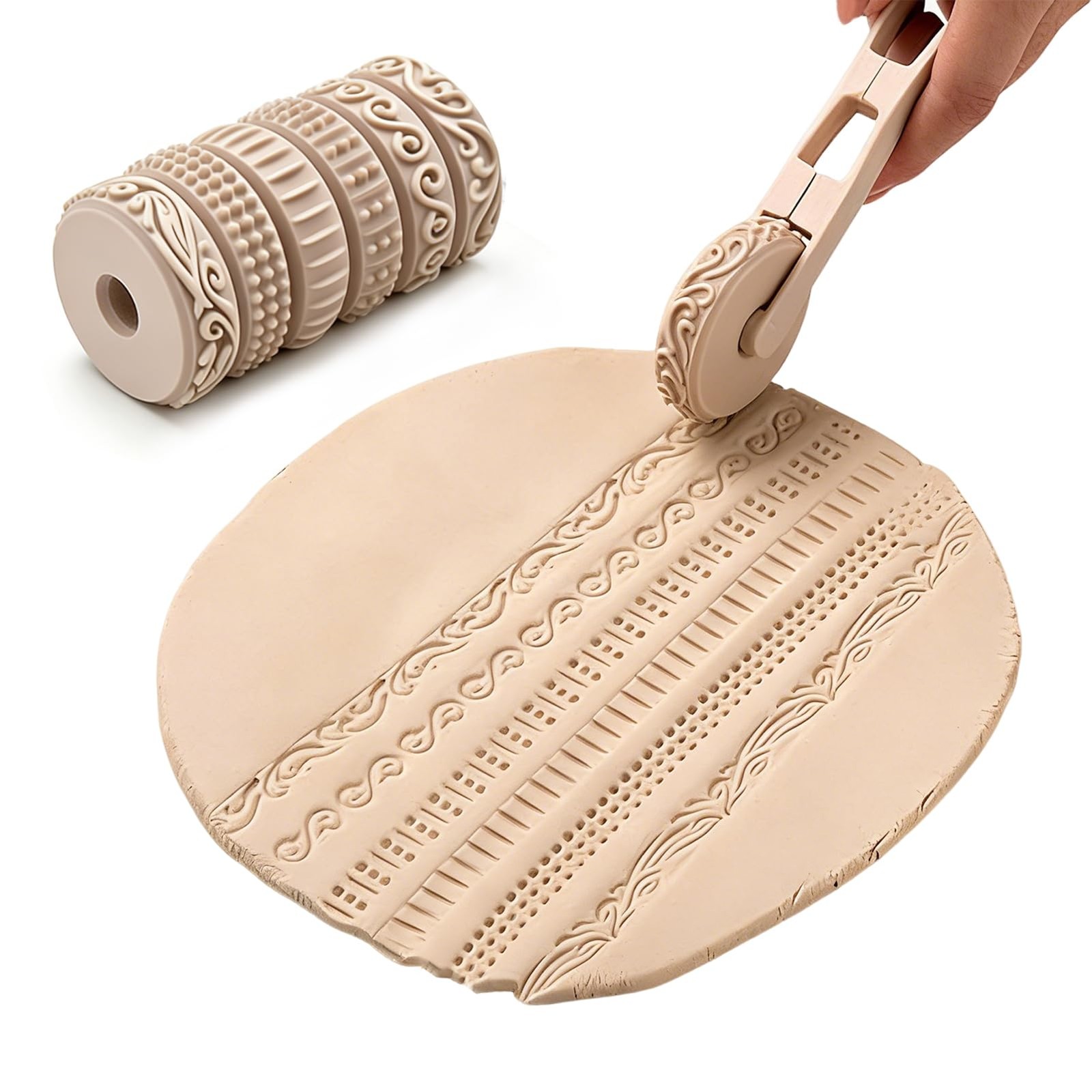 Clay Texture Rollers, 6 Patterns Clay Sculpting Tools, Clay Roller Set for Mo...$16.56View on eBay
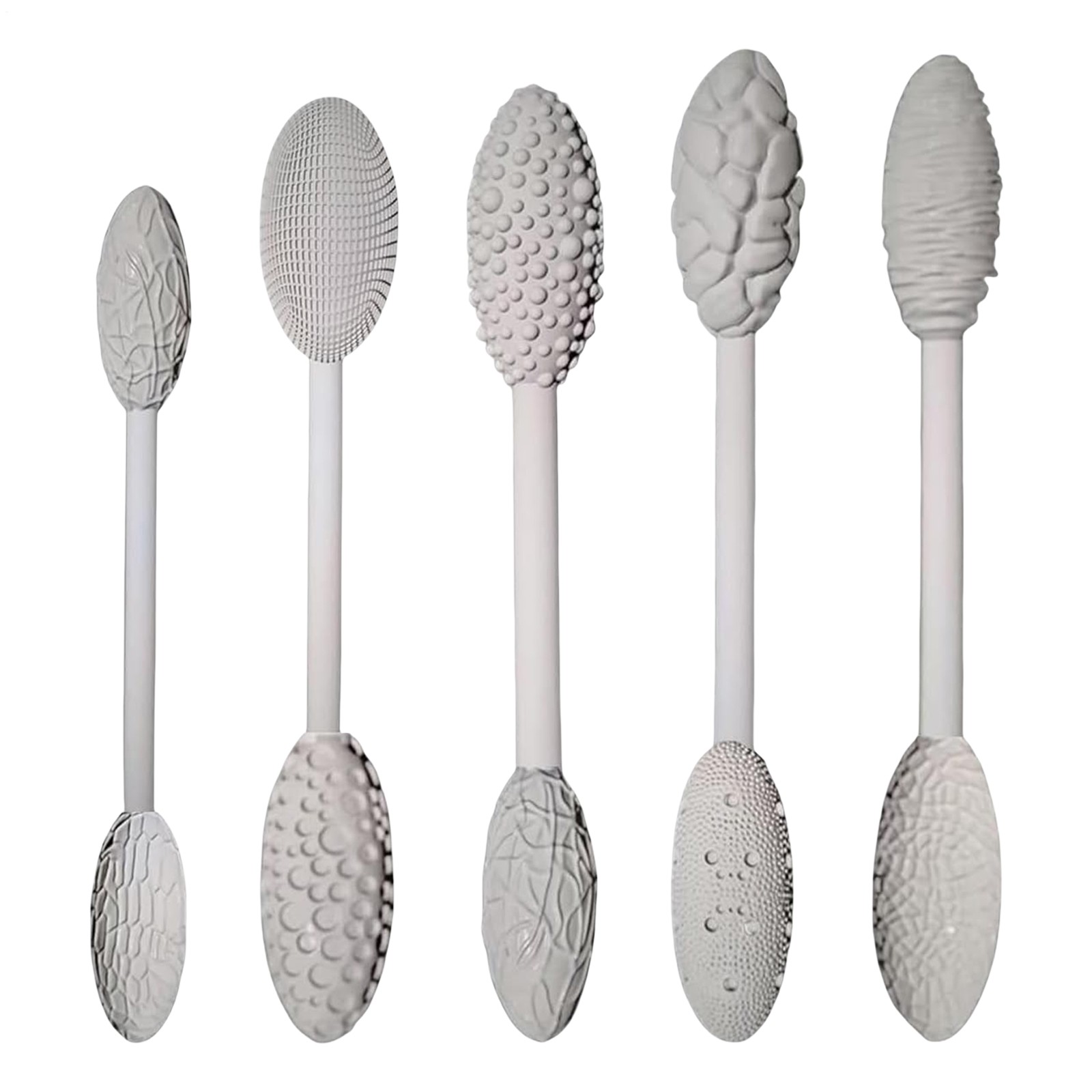 5pcs Texture Tool Sets For Clay Art Double-Ended Pottery Roller Sculpting Kit$19.65View on eBay
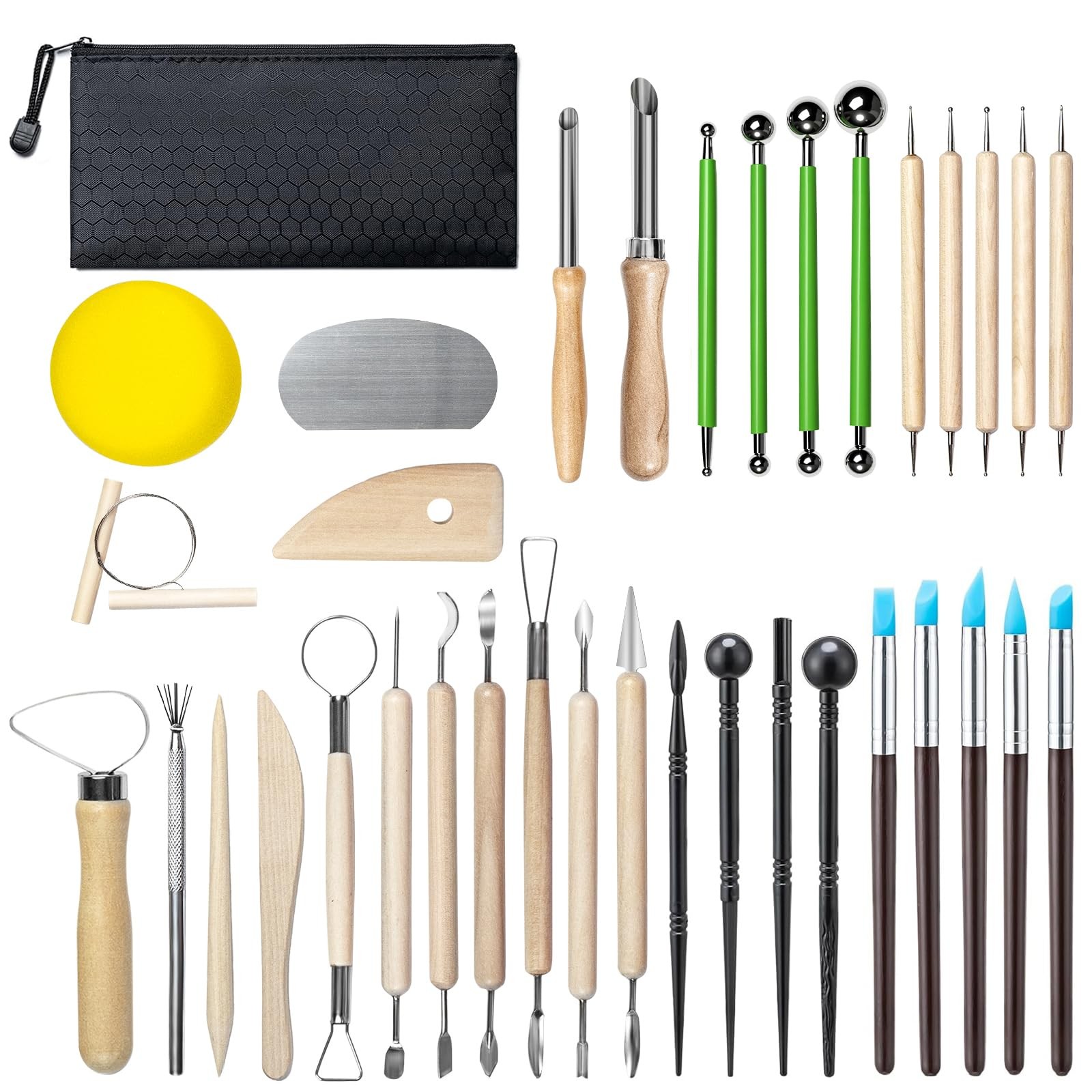 36 PCS Clay Sculpting Tools Kit Pottery Modeling Carving Set for Beginners$26.99View on eBay
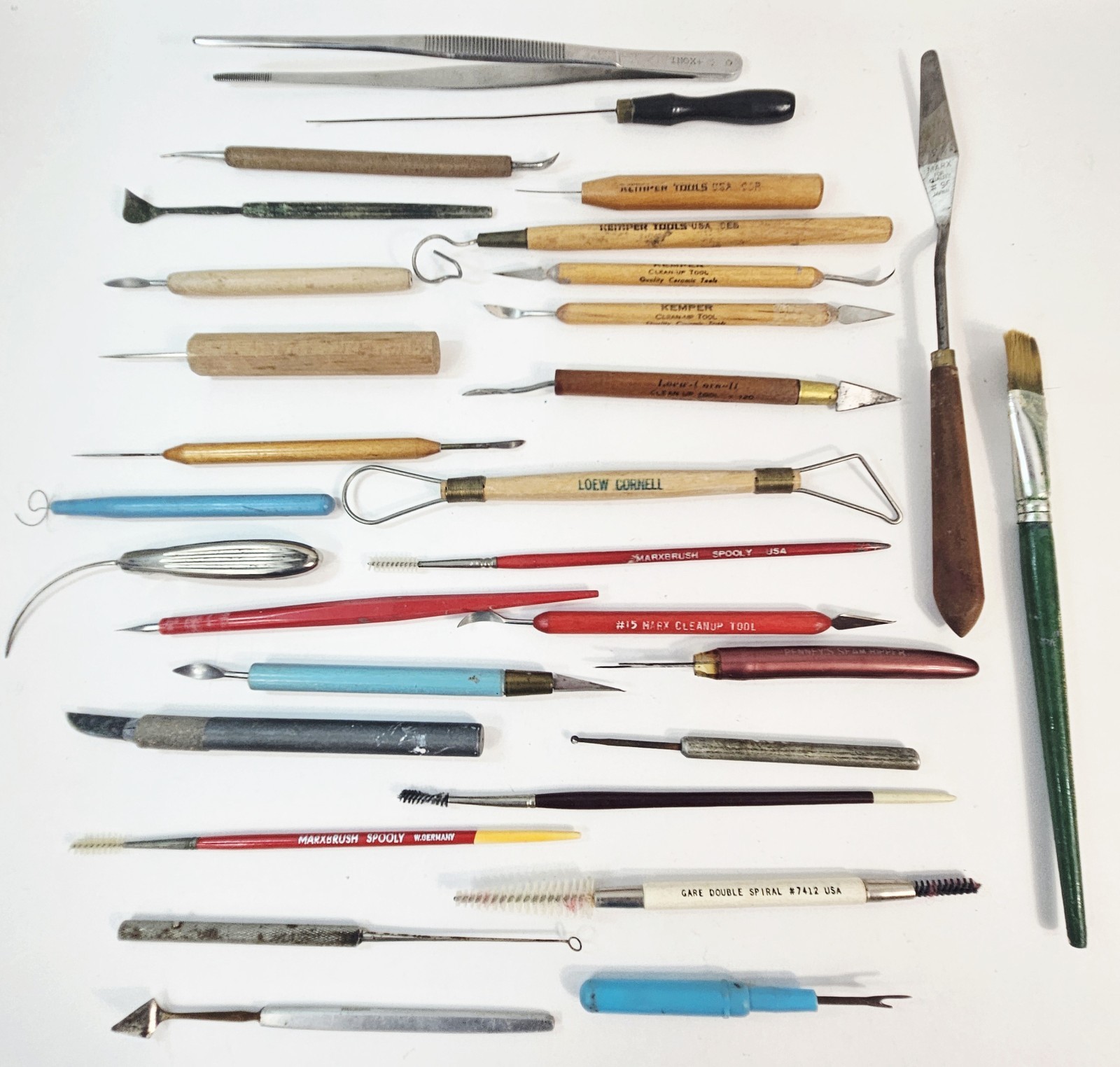 Mixed Lot of 30 Ceramic, Pottery Clay, Clean up Tools Kemper, Loew-Cornell +more$34.99View on eBay
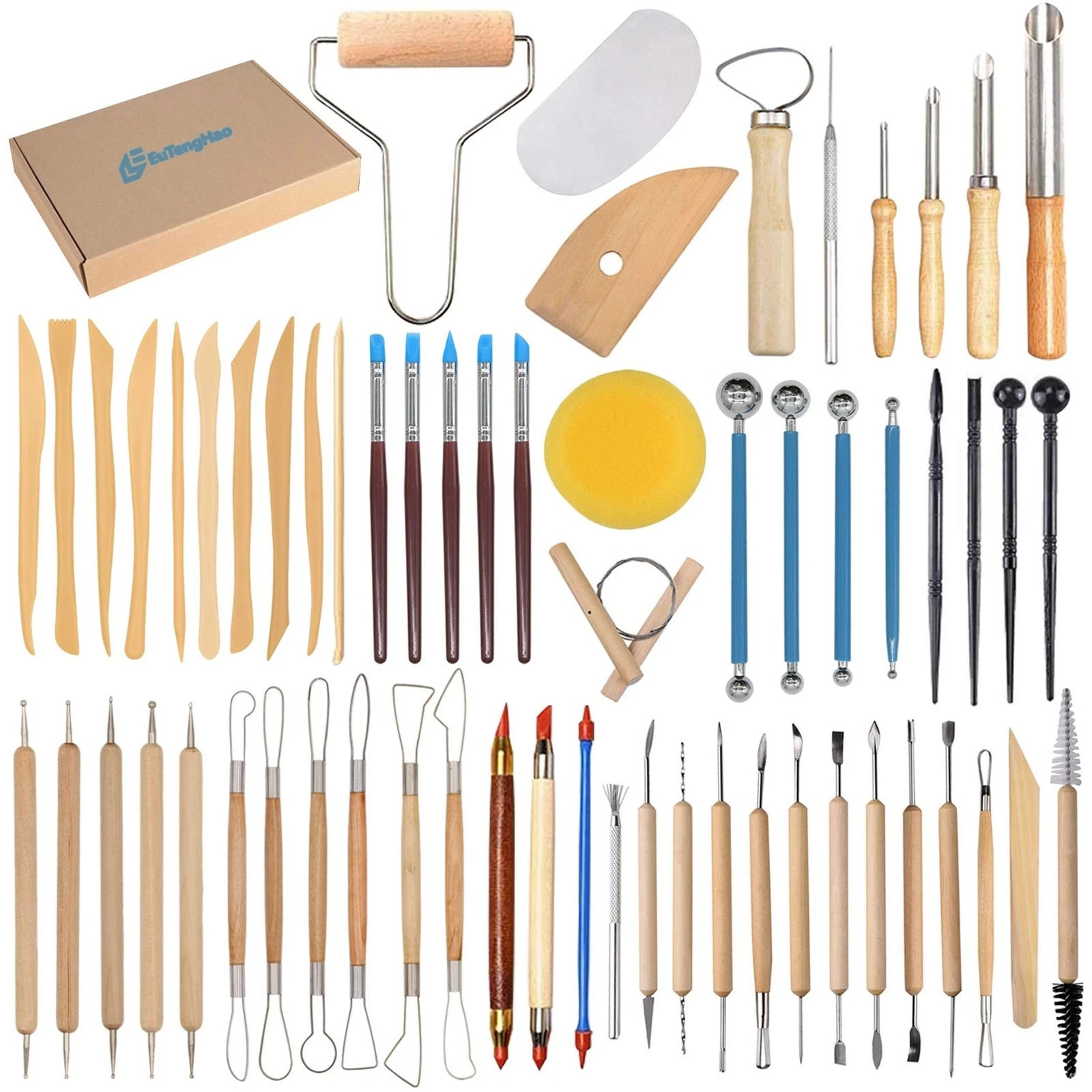 61 Pcs Ceramic Clay Tools Kit Pottery Tools Clay Sculpting Shapers Carving Too..$40.19Last checked Nov 28, 2026View on eBay
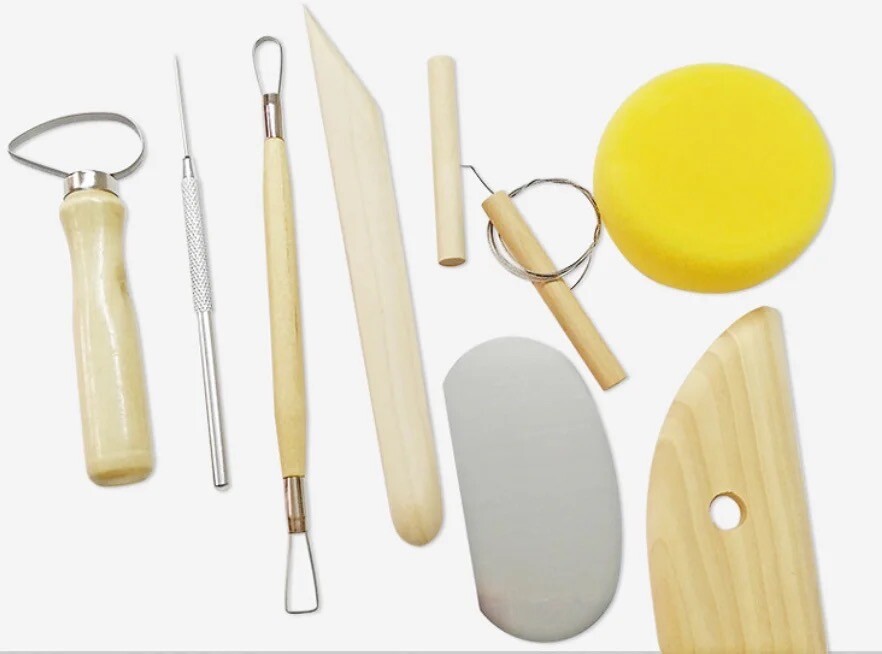 8 Pack Clay Pottery Tool Kit for Ceramics, Wax Carving, Sculpting, Molding .$965.00Last checked Nov 18, 2026View on eBay
Highlights
- Wire-end and ribbon tools are the workhorses: hardened stainless steel holds a sharp ribbon and resists rust, while soft 201-series stainless bends and burrs quickly.
- Wood and bamboo ribs are preferable to plastic ribs for throwing and smoothing because they do not gouge leather-hard clay and they burnish rather than drag.
- Silicone-tipped shapers and colour shapers are essential for polymer and fine sculpting, while metal loops and needle tools suit stoneware and porcelain at leather-hard stages.
- Texture rollers and stamps must match the clay's shrinkage: deep, undercut patterns crack as the piece dries, so choose shallow 1-2 mm relief for functional ware.
Best use cases
- Best fit: a wheel thrower on stoneware or porcelain should pick a kit with wood ribs, a steel needle tool, a sponge, and a wire clay cutter, and skip kits dominated by plastic modelling sticks.
- Best fit: a hand-builder working slab and coil should choose a kit with a rolling pin or roller, a steel fettling knife, and a scoring tool, and skip needle-and-loop sets aimed at wheel work.
- Best fit: a polymer or fine-art sculptor should buy silicone-tipped shapers, a scalpel-style blade, and ball stylus tools, and skip wooden ribs and large loop tools.
- Wrong fit: a beginner buying a 61-piece set will find most tools redundant; a 10-15 piece kit covering cutting, shaping, smoothing, and texturing is more usable and easier to keep sharp.
Buying tips
- Check the steel grade: tools listed as stainless steel should specify 304 or 420 grade; unmarked steel is usually soft 201 and will bend at the loop under firm clay pressure.
- Match tool size to clay body: fine 1-3 mm loops and needles suit porcelain and polymer, while 5-10 mm loops and stout ribs suit coarse stoneware and large sculptural work.
- Wooden ribs should be hardwood such as boxwood or beech, not soft pine; softwood ribs wear concave and leave drag marks on leather-hard clay.
- Silicone shaper tips should be firm (roughly 60-70 Shore A) for controlled blending; soft gel tips are for paint effects, not clay sculpting.
Specs
| Tool Material | Stainless steel / wood / silicone |
|---|---|
| Piece Count | 10-15 core vs 30+ filler sets |
| Loop Size | 1-3 mm fine / 5-10 mm coarse |
| Clay Compatibility | Water-based / polymer / mixed |
Related searches
What to check before buying
- Confirm your clay body and working stage (wet, leather-hard, bone dry) so the kit's loop and blade tools match the hardness you carve.
- Measure your wheel head or work surface: wire cutters and long ribs need clearance, and a kit with a 30 cm wire cutter suits a full-size wheel.
- Check that wooden and bamboo tools are sealed or oiled, since unsealed wood swells and splits when washed alongside clay.
- For polymer clay, verify the kit includes a dedicated oven-safe or non-stick surface tool, as metal tools mar polymer and plastic tools melt.
FAQ
Data sources: eBay / Amazon listings and product attribute feeds. Updated Nov 28, 2026.
Some links on this page are affiliate links. If you buy after clicking one, we may earn a commission at no extra cost to you. This does not change which products appear here or their order. Affiliate disclosure.