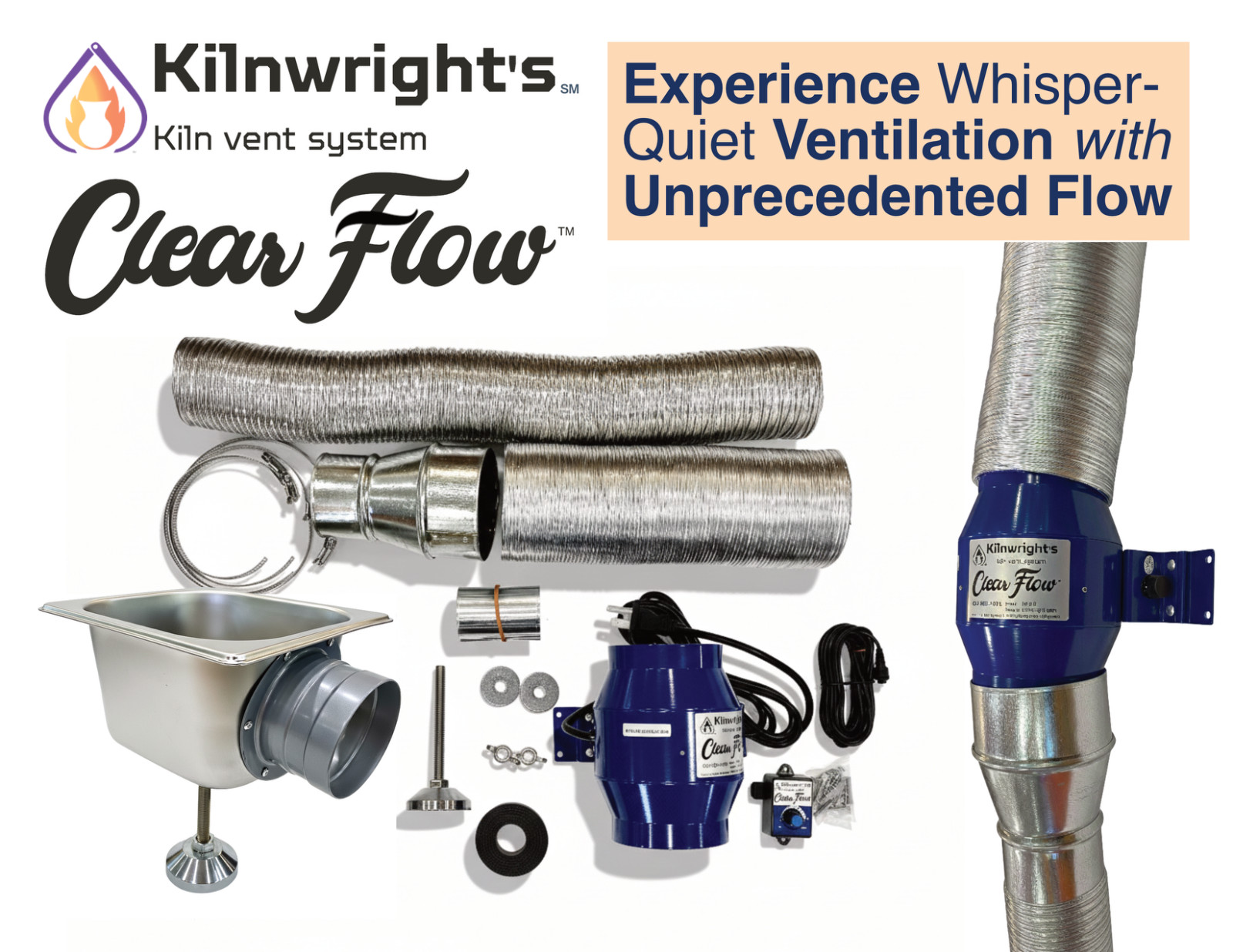

Photos from current listings. Actual item, color, and included accessories may vary.
Electric Kiln Ceramics Buying Guide
Shoppers searching for an electric kiln for ceramics often conflate the kiln itself with ventilation accessories, and the biggest mistakes are undersizing the chamber, ignoring electrical service requirements, and skipping a vent system. Focus on chamber volume, cone rating, and voltage/breaker compatibility before brand or controller features. A kiln is only as good as the circuit and venting it is installed with.
Key takeaways
- Electric kilns are rated by maximum cone: cone 6 (approx. 2232°F) for mid-fire stoneware, cone 10 (approx. 2345°F) for high-fire; most hobby kilns top out at cone 6.
- Chamber volume in cubic feet drives batch size: small test kilns run under 1 cu ft, hobby units 2-4 cu ft, full studio kilns 7+ cu ft.
- Voltage and amperage dictate installation: 120V plug-in units for small test kilns, 240V hardwired 30-60A circuits for most hobby and studio kilns.
At a glance
- Category
- Pottery Wheels & Kilns
- Last updated
- Nov 28, 2026
Current offers
Highlights
- Electric kilns are rated by maximum cone: cone 6 (approx. 2232°F) for mid-fire stoneware, cone 10 (approx. 2345°F) for high-fire; most hobby kilns top out at cone 6.
- Chamber volume in cubic feet drives batch size: small test kilns run under 1 cu ft, hobby units 2-4 cu ft, full studio kilns 7+ cu ft.
- Voltage and amperage dictate installation: 120V plug-in units for small test kilns, 240V hardwired 30-60A circuits for most hobby and studio kilns.
- Vent systems (like down-draft blowers) remove fumes and equalize chamber temperature; top-loading kilns typically use a vent hood or down-draft vent through the floor or wall.
Best use cases
- Best fit: a 2-3 cu ft cone 6 kiln on a dedicated 240V 30-40A circuit for a home studio firing small batches of mugs and bowls; skip 120V test kilns if you need production volume.
- Best fit: a vented top-loading kiln with a down-draft blower for indoor garages or basements; choose a hardwired 240V model and add the vent kit at purchase rather than retrofitting.
- Wrong fit: buying a cone 10 kiln for a 120V outlet or standard dryer circuit; high-fire kilns demand 240V service and often 6-8 gauge wiring that most homes lack.
- Wrong fit: skipping ventilation on any indoor kiln; fumes, CO, and glaze volatiles require a vent hood or down-draft system regardless of chamber size.
Buying tips
- Size the chamber to your firing frequency: 1-2 cu ft suits weekly hobby batches, 3-4 cu ft fits small production, and 7+ cu ft demands a dedicated studio circuit.
- Prioritize cone rating over brand: cone 6 covers most mid-fire glazes and stoneware; only choose cone 10 if you actually fire high-fire clay bodies.
- Check the electrical service first: 120V plug-in kilns are limited to small test chambers; 240V hardwired units need a dedicated breaker and often a licensed electrician.
- Budget for ventilation from the start: a down-draft blower or vent hood adds cost but is mandatory for indoor use and improves temperature uniformity.
Specs
| Max Cone Rating | Cone 6 (mid-fire) vs Cone 10 (high-fire) |
|---|---|
| Chamber Volume | Under 1 to 7+ cu ft |
| Electrical Service | 120V plug-in vs 240V hardwired 30-60A |
| Ventilation Type | Down-draft blower vs hood |
Related searches
What to check before buying
- Measure the kiln footprint and clearance to combustibles: most kilns need at least 18-24 inches from walls and ceilings, plus a non-combustible stand.
- Confirm your electrical panel supports the kiln's voltage and amperage; 240V hobby kilns typically require a 30-60A dedicated circuit.
- Verify venting path: top-loading kilns need a hood or down-draft vent with ducting to outdoors, and the blower must match the kiln's cfm needs.
- Check floor load and surface: kilns are heavy (hundreds of pounds) and require a level, non-combustible floor or stand rated for the weight.
FAQ
Data sources: eBay / Amazon listings and product attribute feeds. Updated Nov 28, 2026.
Some links on this page are affiliate links. If you buy after clicking one, we may earn a commission at no extra cost to you. This does not change which products appear here or their order. Affiliate disclosure.