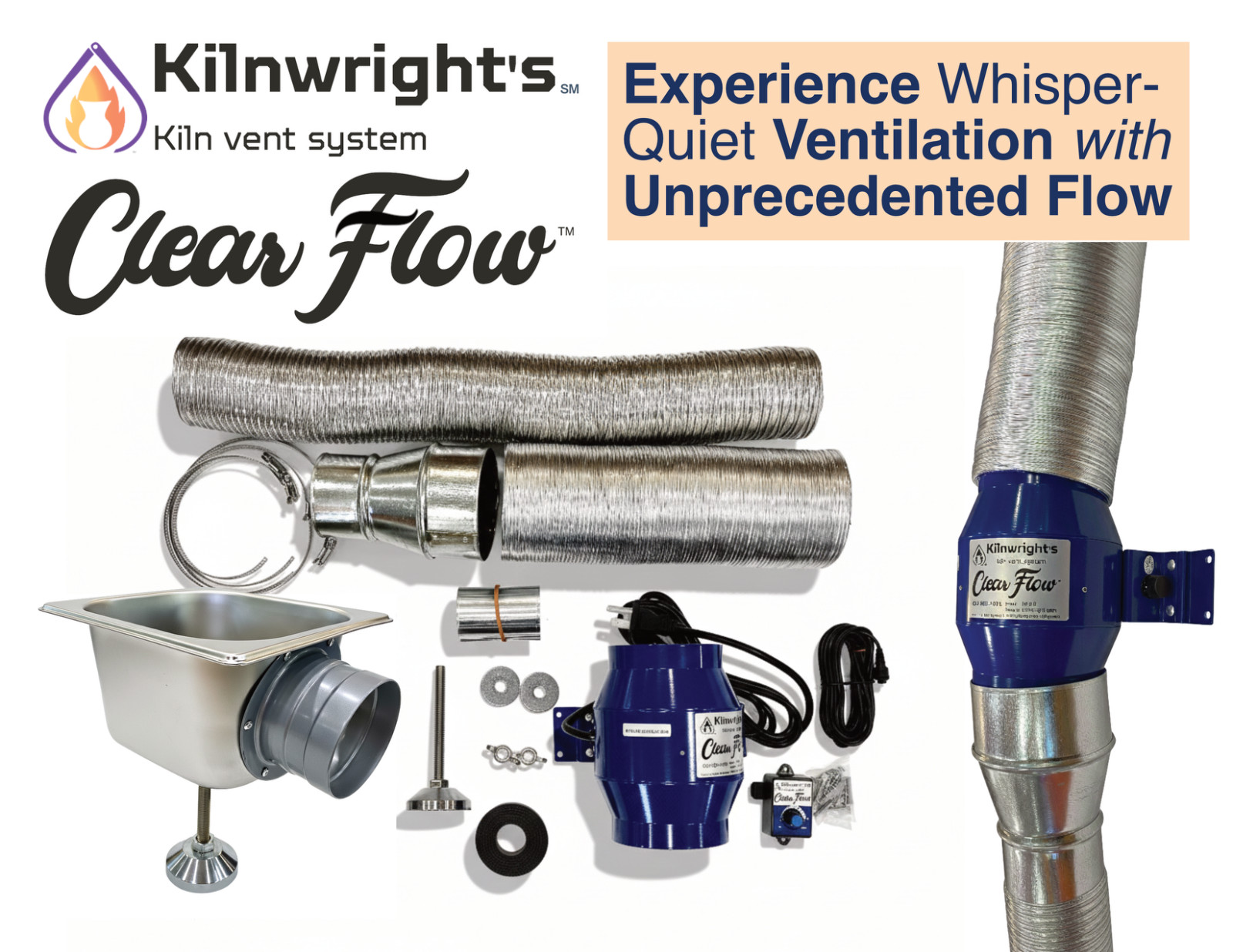

Photos from current listings. Actual item, color, and included accessories may vary.
Kiln Buying Guide
Kilns are high-temperature chambers for firing clay, glass, and metal; the core trade-off is between chamber size and power availability versus precise digital control and safety features. Buyers must distinguish true ceramic kilns (cone 6-10, 220V+) from low-temperature craft kilns and melting furnaces (1650W, 110V, max 1100°C) that cannot vitrify stoneware. The decision rule: choose a kiln rated to at least cone 6 (1220°C) with digital ramp control and a matching electrical circuit; skip any unit that lacks a pyrometric shutoff or exceeds your circuit's amperage.
Key takeaways
- True pottery kilns reach cone 6 (1220°C) or cone 10 (1300°C); 1650W 'kilns' max out near 1100°C and only suit low-fire craft and metal melting.
- Digital controllers with ramp/soak programs and a kiln sitter (mechanical cone shutoff) are the two standard shutoff architectures; digital offers repeatability, sitter is fail-safe.
- Chamber voltage determines circuit: 120V units run on household 15-20A but cap at small chambers and low-fire; 240V units need a dedicated 30-50A breaker.
At a glance
- Category
- Pottery Wheels & Kilns
- Last updated
- Nov 28, 2026
Current offers
Highlights
- True pottery kilns reach cone 6 (1220°C) or cone 10 (1300°C); 1650W 'kilns' max out near 1100°C and only suit low-fire craft and metal melting.
- Digital controllers with ramp/soak programs and a kiln sitter (mechanical cone shutoff) are the two standard shutoff architectures; digital offers repeatability, sitter is fail-safe.
- Chamber voltage determines circuit: 120V units run on household 15-20A but cap at small chambers and low-fire; 240V units need a dedicated 30-50A breaker.
- Vent systems (downdraft or overhead) remove fumes and protect elements; top-loaders need a vent matched to lid diameter and hinge style.
Best use cases
- Home studio for stoneware: pick a 240V digital kiln rated to cone 6 with at least 2 cu ft chamber and a kiln sitter backup; skip 120V craft kilns.
- Apartment or classroom low-fire: choose a 120V mini kiln (under 1 cu ft) with digital control for bisque and decals; skip any unit without a pyrometric shutoff.
- Metal melting and small castings: a 1650W electric melting furnace is correct for aluminum and copper alloys; do not expect it to fire pottery to maturity.
- Production or shared studio: select a front-loading 240V kiln with 4+ cu ft, digital ramp control, and a hardwired circuit; skip top-loaders if you need frequent large-piece access.
Buying tips
- Chamber size rule: 1 cu ft suits beads and small tests; 2-3 cu ft handles mugs and bowls; 4+ cu ft is for platters and production batches.
- Controller tier: PID digital with ramp/soak beats basic infinite-switch models; a kiln sitter alone is acceptable only for low-fire and simple cycles.
- Element and brick grade: Kanthal A-1 elements and 2600°F-rated firebrick last longer; thin firebrick (under 2.5 in) loses heat and cycles slowly.
Specs
| Max Temp | Cone 6 (1220°C) vs 1100°C craft |
|---|---|
| Voltage / Circuit | 120V 20A vs 240V 30-50A dedicated |
| Control Type | Digital PID ramp/soak vs kiln sitter |
| Chamber Size | 0.5-1 cu ft mini vs 2-4+ cu ft studio |
Related searches
What to check before buying
- Measure the installation space: kiln footprint plus 18 in clearance on all sides and above; top-loaders need lid swing clearance.
- Verify electrical: dedicated circuit amperage, voltage (120V vs 240V), plug type (NEMA 5-15, 6-30, 6-50), and wire gauge match the kiln nameplate.
- Check floor and ventilation: kilns need a non-combustible floor (concrete or kiln stand) and a vent or open-air path for fumes.
- Confirm companion parts: kiln shelves, posts, stilts, and a pyrometer or cones are sold separately; budget for them before firing.
FAQ
Data sources: eBay / Amazon listings and product attribute feeds. Updated Nov 28, 2026.
Some links on this page are affiliate links. If you buy after clicking one, we may earn a commission at no extra cost to you. This does not change which products appear here or their order. Affiliate disclosure.