
Photos from current listings. Actual item, color, and included accessories may vary.
Pottery Wheel Teen Buying Guide
A teen pottery wheel is a compact, low-torque electric wheel sized for ages 12–17, balancing motor power and bat diameter against noise, splash control, and clay capacity. The core trade-off is brushed vs. brushless motors and plastic vs. sealed metal bearings: cheap brushed units stall under 2 kg of clay and leak clay slurry into the gearbox within months. Buy a wheel rated for at least 3 kg centered clay with a brushless motor and a 25 cm bat if the teen throws regularly; skip sub-1 kg toy wheels unless it is a trial-intro purchase.
Median $139.10
Key takeaways
- Brushless DC motors deliver constant torque at 0–250 RPM and typically outlast brushed motors 3–5x because there are no carbon brushes to wear out.
- Bat diameter of 25 cm (10 in) is the practical minimum for teens to center 2–3 kg of clay; 30 cm bats let them throw mugs and small bowls without re-wedging off the bat.
- Sealed ball bearings and a splash pan with a drain port keep clay slurry out of the motor housing—open bushings are the #1 cause of wheel failure in teen use.
At a glance
- Category
- Pottery Wheels & Kilns
- Last updated
- Nov 27, 2026
Current offers
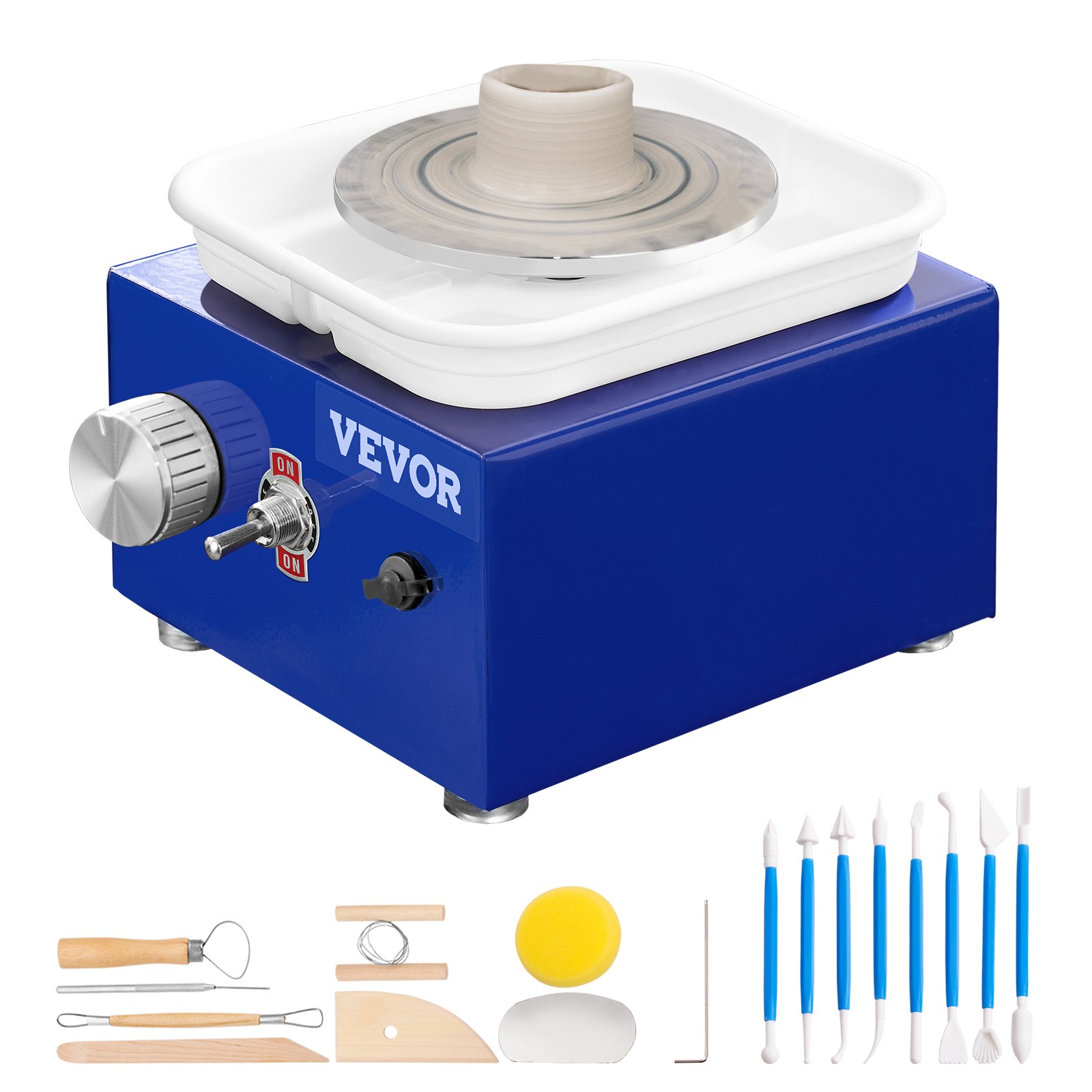 VEVOR Pottery Wheel Mini Ceramic Wheel Sculpting Tools Apron Two Turntables 30W$36.99View on eBay
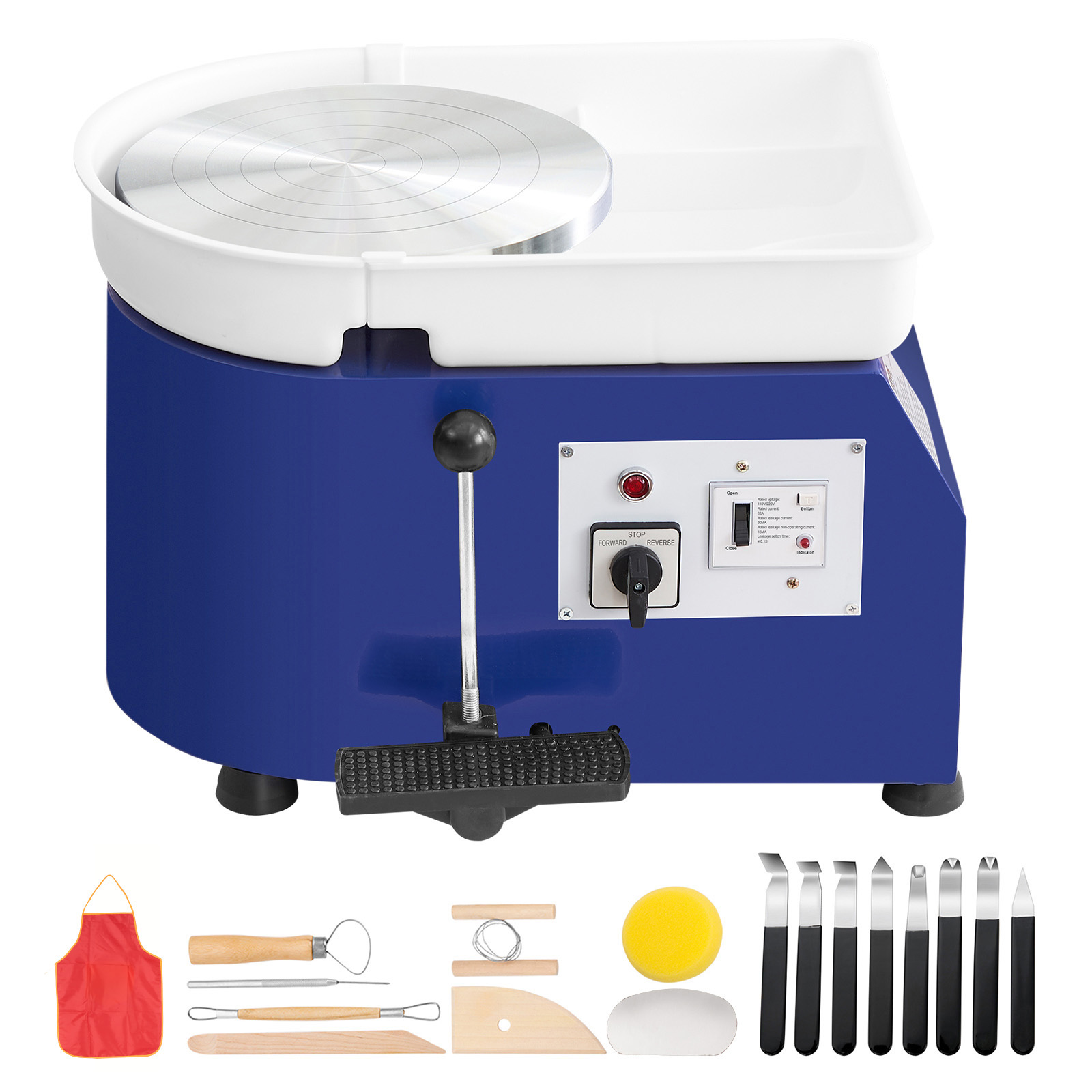 Pottery Wheel, 350W, 11 In Clay Forming Machine, 60-300 RPM Adjustable Speed With Handle And Pedal Control, ABS Detachable Basin, Accessory Kit For Adults And Beginners Craft DIY, Blue$117.99View on Mallflare
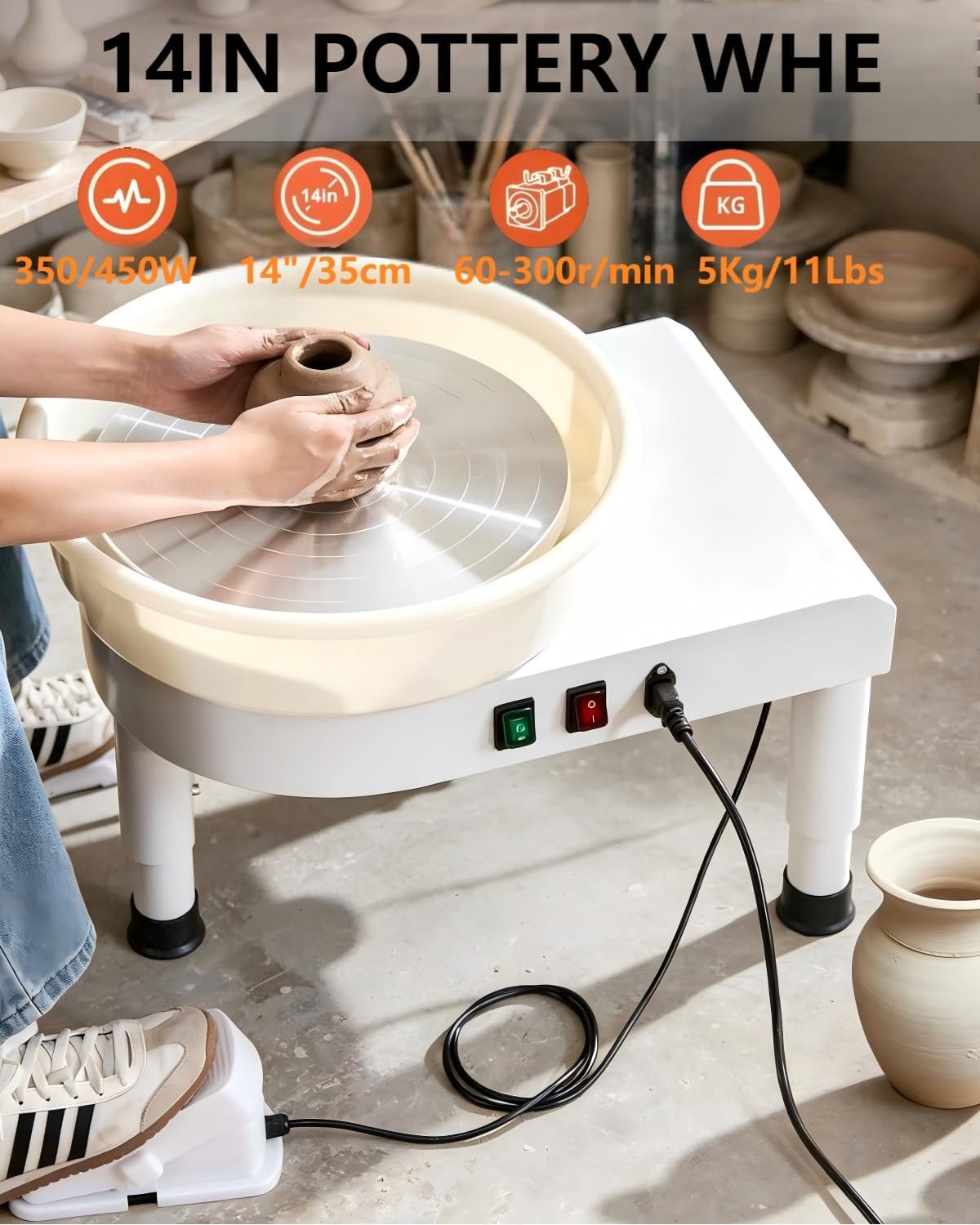 Pottery Wheel 14" Ceramic Wheel Machine 60-300 RPM Speed Adjustable DIY Clay Art$136.20View on eBay
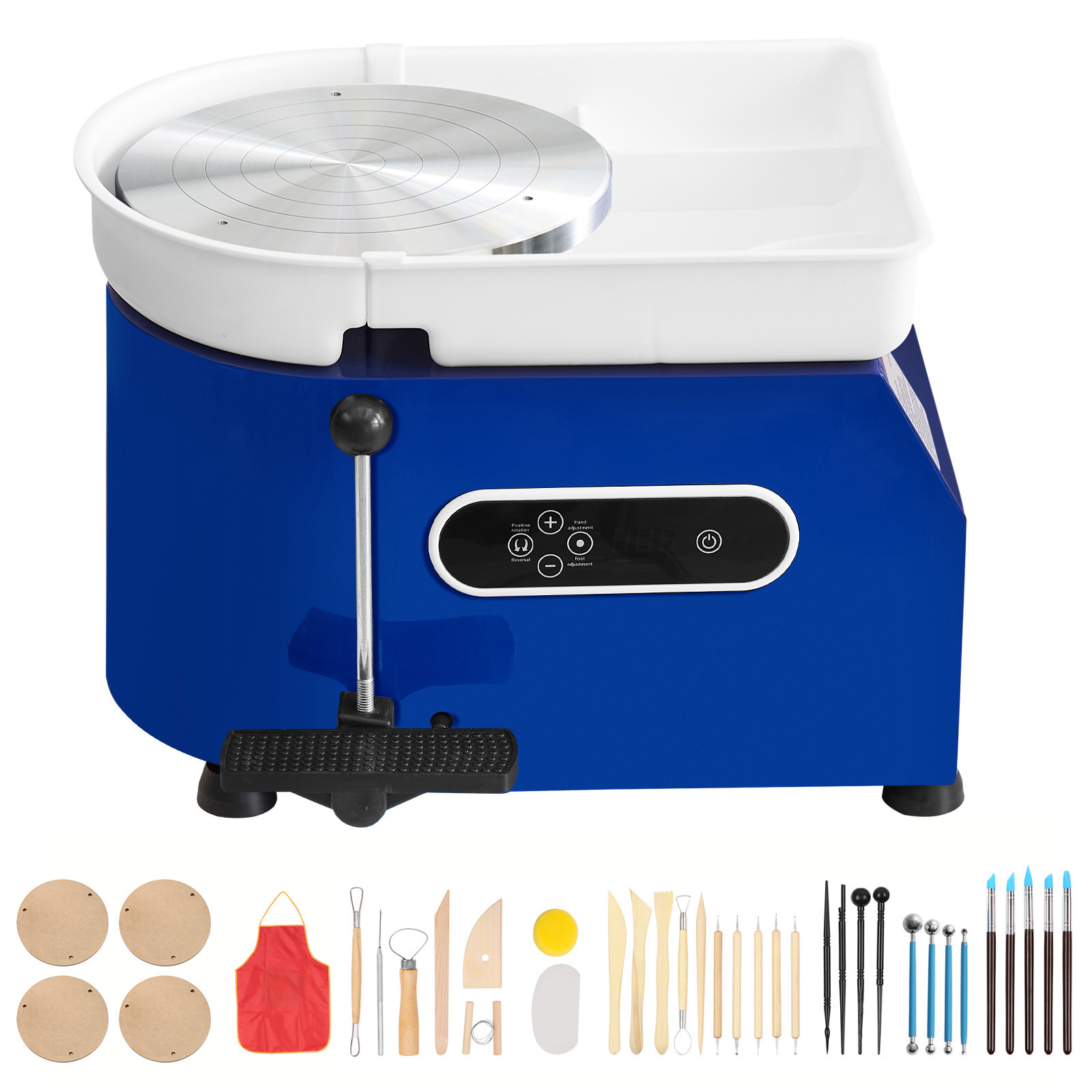 Pottery Wheel, 450W, 11 In Clay Forming Machine, 60-300 RPM Adjustable Speed With Handle And Pedal Control, ABS Detachable Basin, Accessory Kit For Adults And Beginners Craft DIY, Blue$118.99View on Mallflare
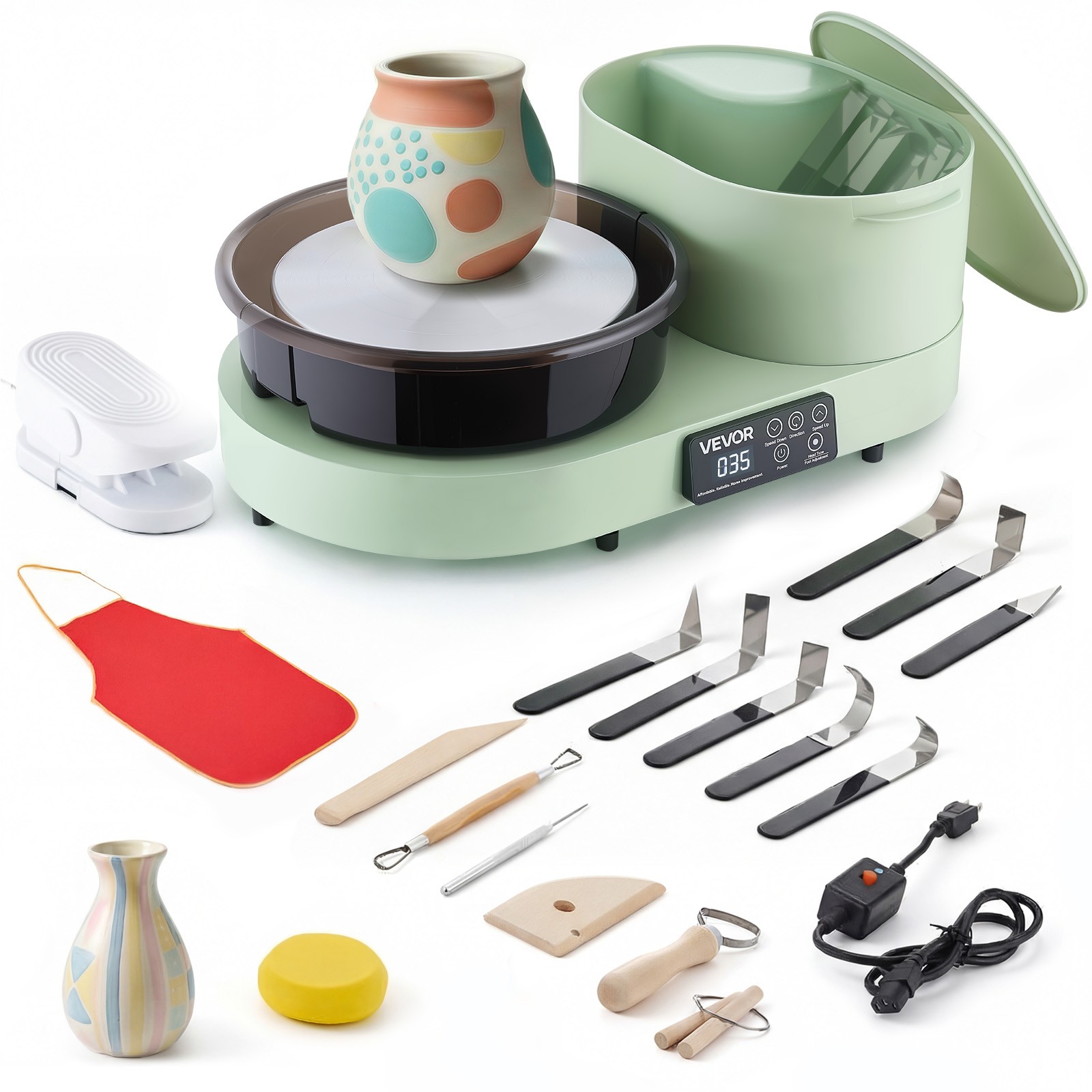 VEVOR Pottery Wheel for Adults Ceramic Wheel 11" Aluminum Turntable 450W Green$143.90View on eBay
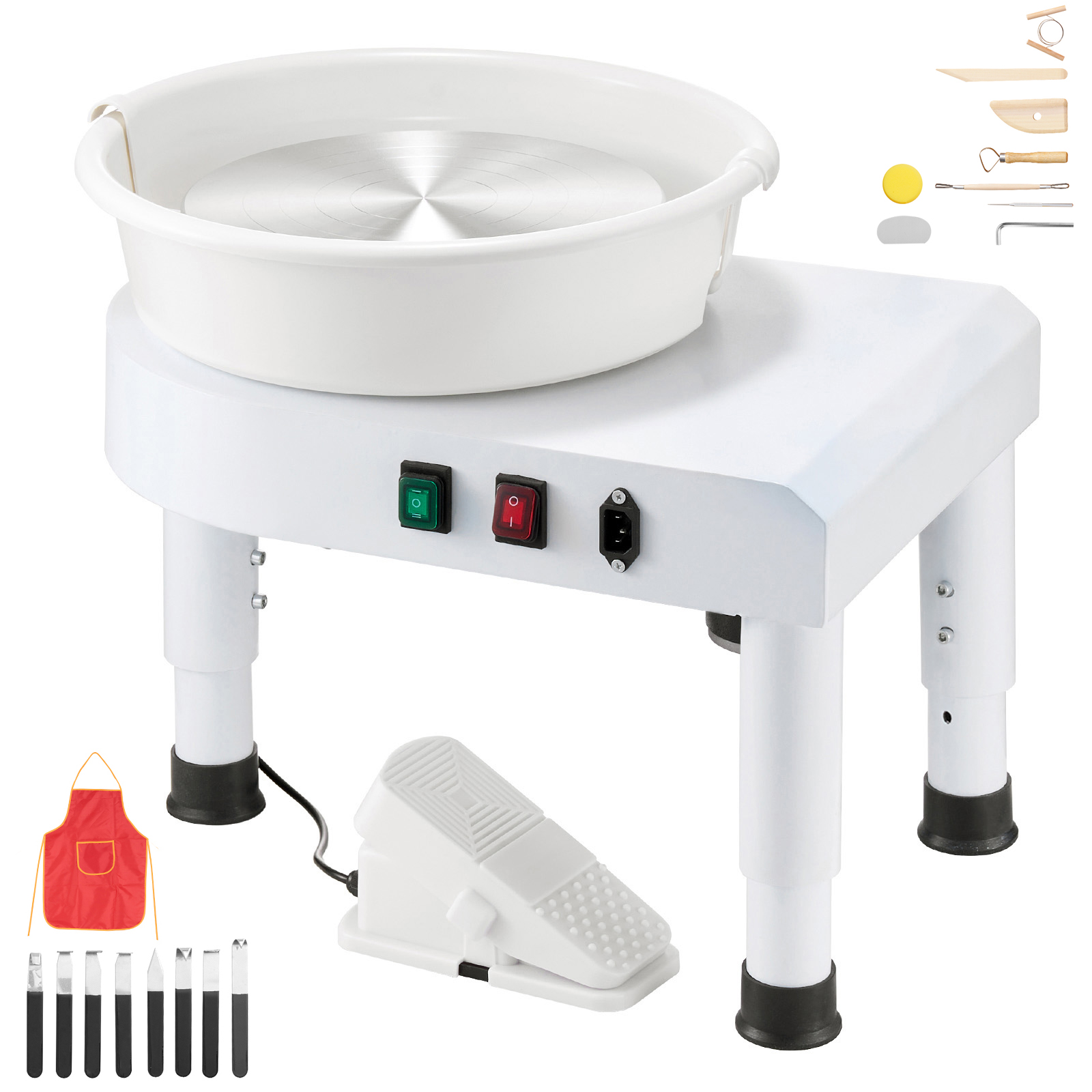 Pottery Wheel, 11 In Ceramic Forming Machine, 60-300 RPM Adjustable Speed With Foot Pedal Control, Detachable Basin, Lift Leg, Complete Accessories For Home DIY, White$124.99View on Mallflare
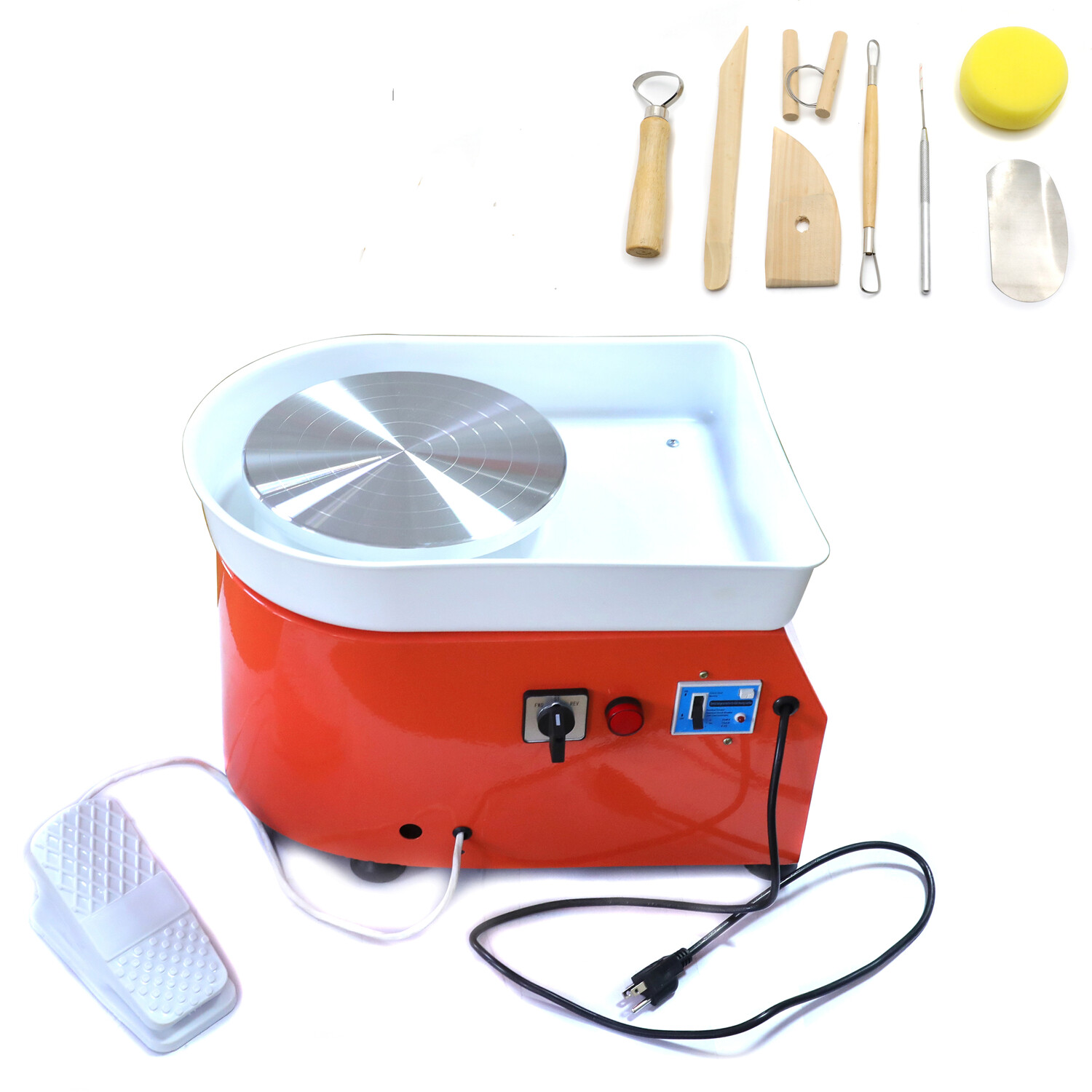 350w Pottery Wheel Table Top Forming Machine W/ Removable Foot Pedal Clay Craft$151.59View on eBay
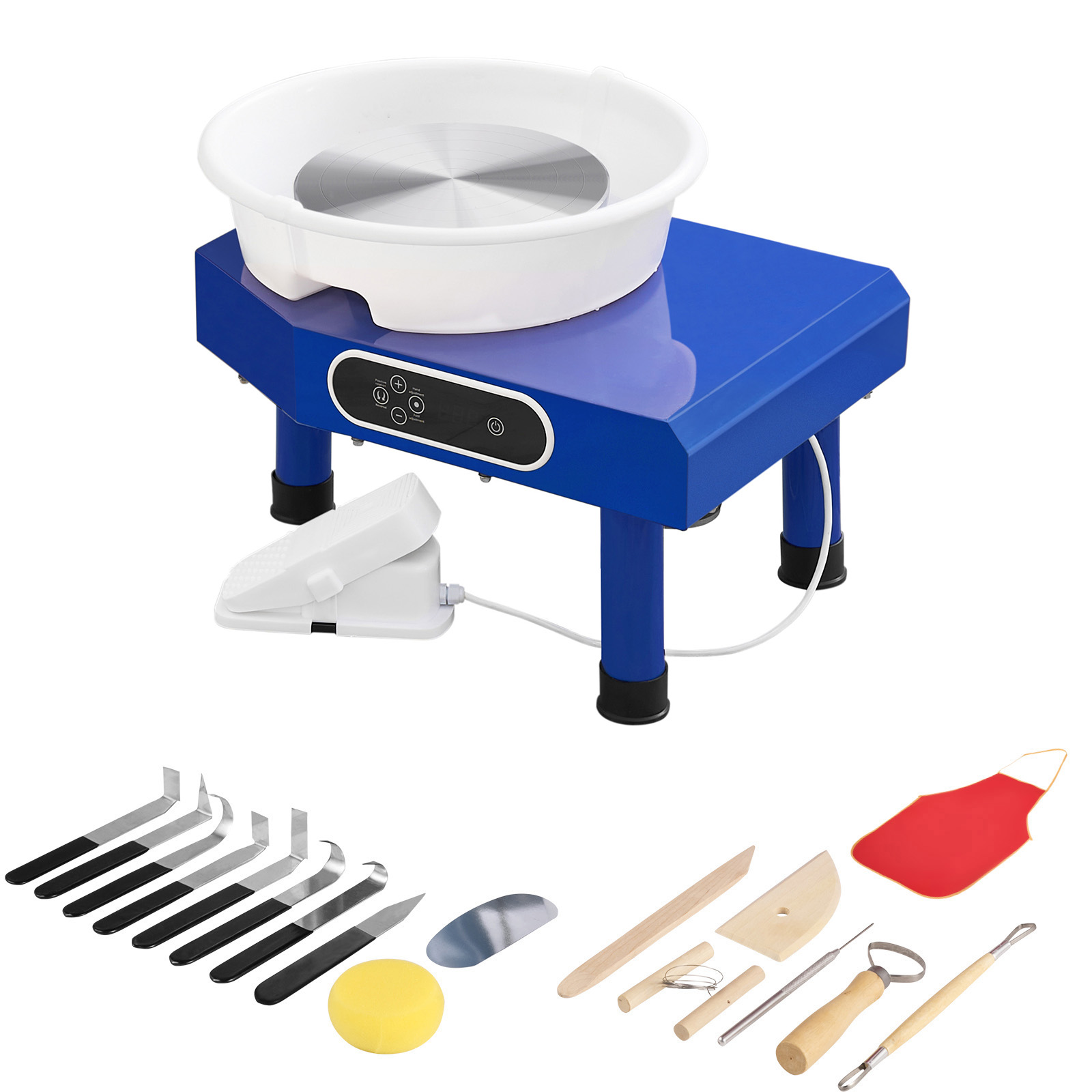 Pottery Wheel, 10 In Ceramic Forming Machine, 60-300 RPM Adjustable Speed With Foot Pedal, ABS Detachable Basin, Manual LCD Panel, Sculpting Tool And Apron, For Home Craft DIY$128.99View on Mallflare
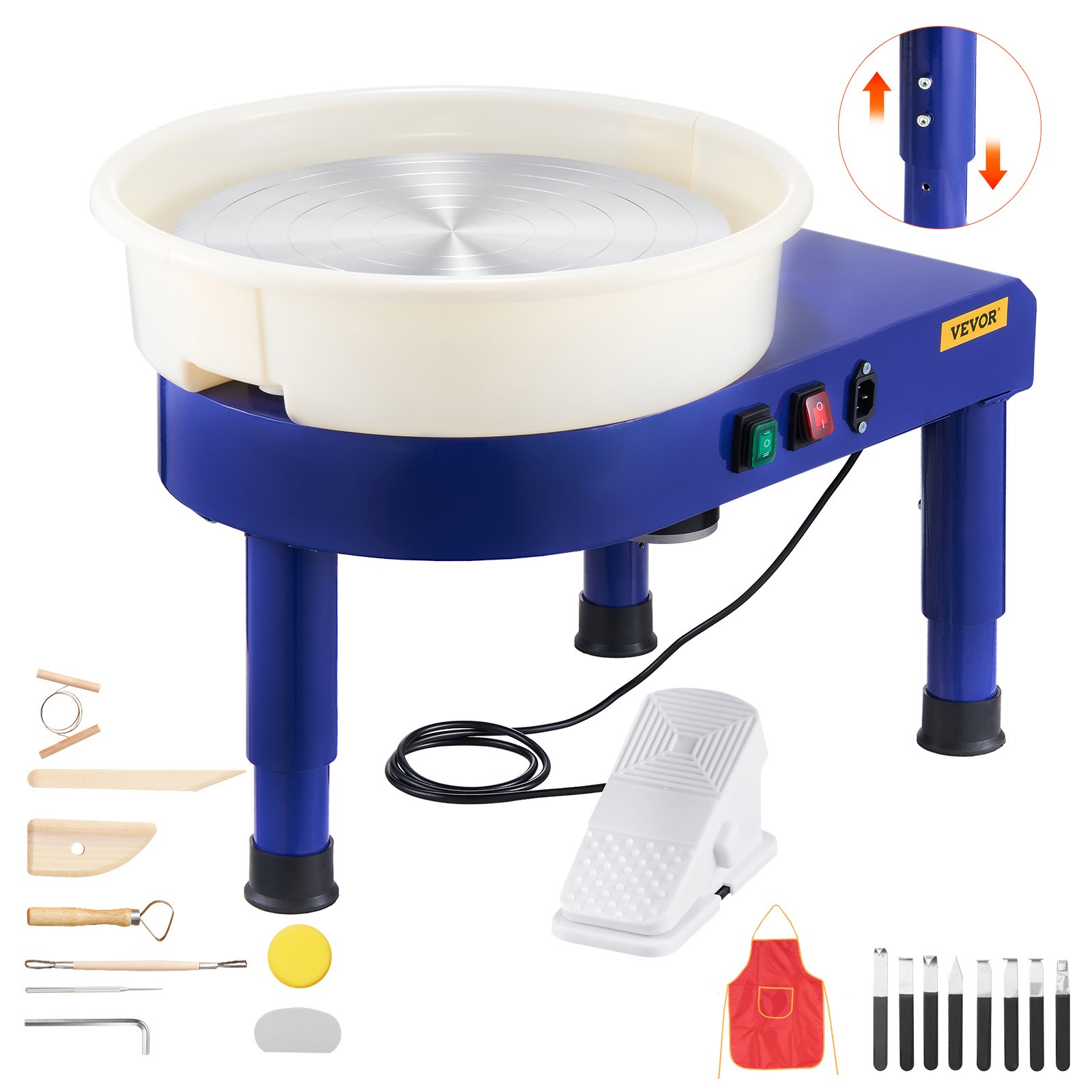 VEVOR Pottery Wheel 14 in Ceramic Wheel Forming Machine 60-300 RPM for DIY Blue$159.90View on eBay
 Pottery Wheel For Adults, 11" Aluminum Turntable, 450W Electric Table Top With Foot Pedal, 30-300 RPM Adjustable Speed, Body, For Beginners, DIY Clay Art Craft, Green$141.99View on Mallflare
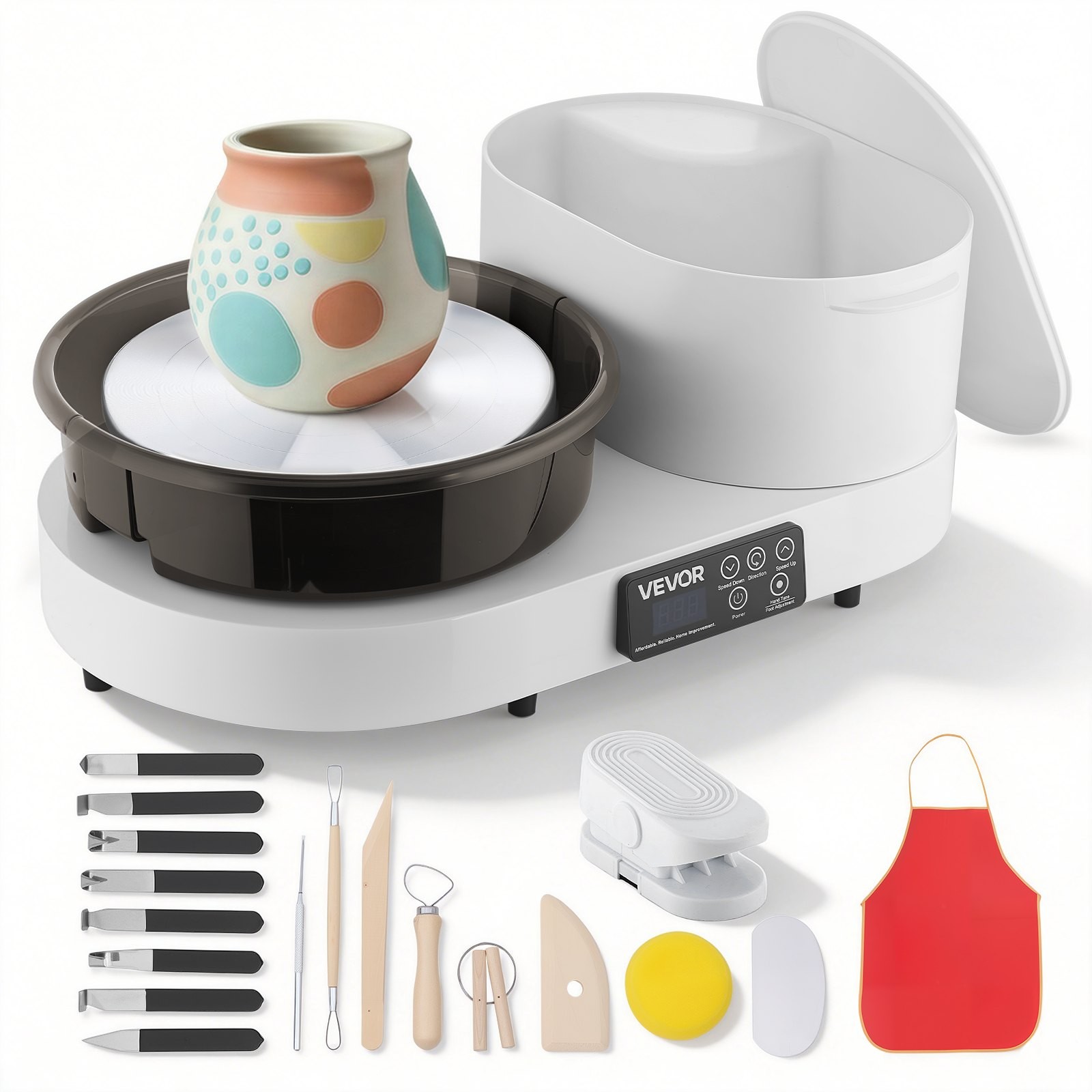 Pottery Wheel for Adults, 11" Aluminum Turntable, 450W Electric Table Top Potter$196.99View on eBay
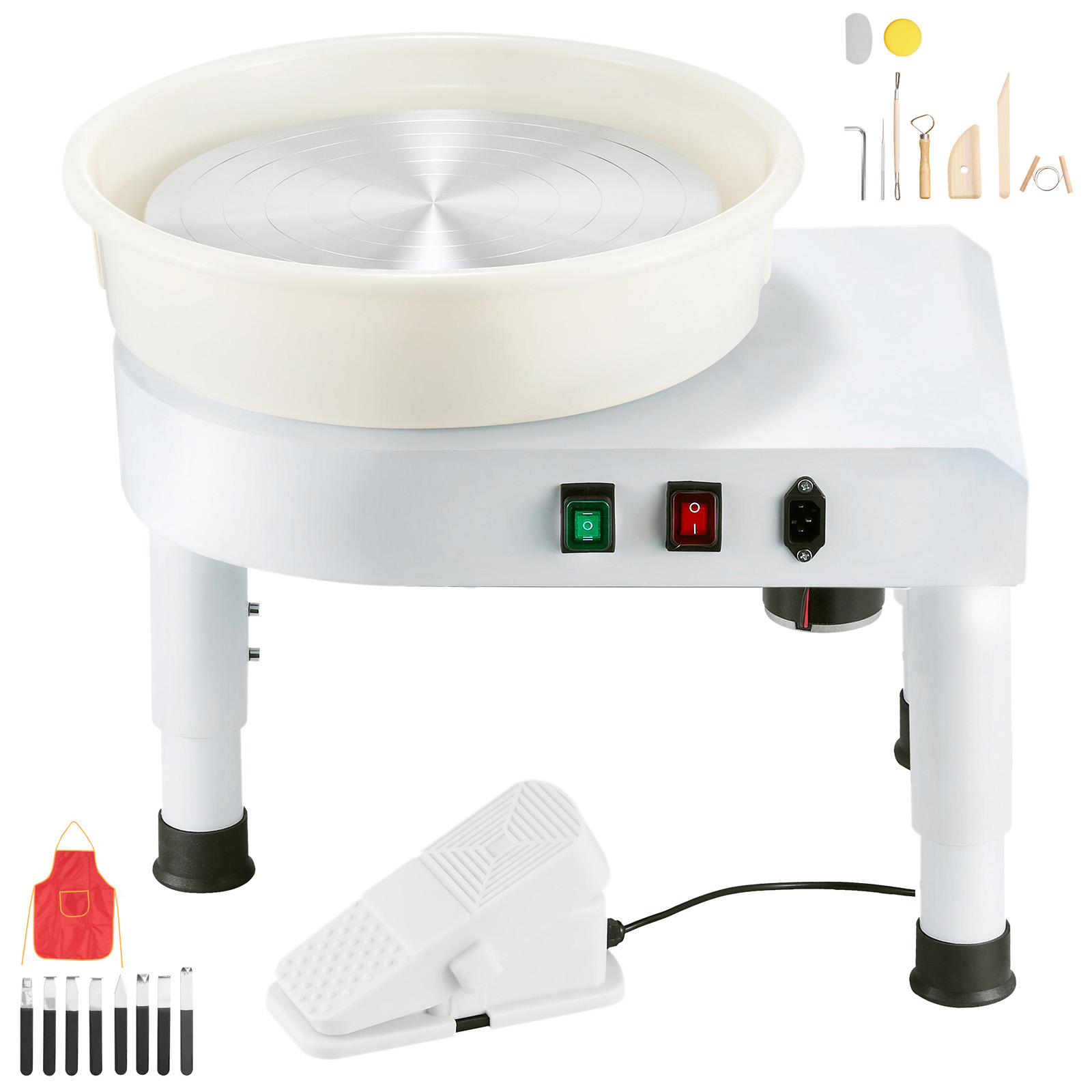 Pottery Wheel, 14 In Ceramic Forming Machine, 60-300 RPM Adjustable Speed With Foot Pedal Control, Detachable Basin, Lift Leg, Complete Accessories For Home DIY, White$160.99View on Mallflare
Highlights
- Brushless DC motors deliver constant torque at 0–250 RPM and typically outlast brushed motors 3–5x because there are no carbon brushes to wear out.
- Bat diameter of 25 cm (10 in) is the practical minimum for teens to center 2–3 kg of clay; 30 cm bats let them throw mugs and small bowls without re-wedging off the bat.
- Sealed ball bearings and a splash pan with a drain port keep clay slurry out of the motor housing—open bushings are the #1 cause of wheel failure in teen use.
- Variable-speed foot pedals with a 0–240 RPM range and reversible direction are standard on serious teen wheels; fixed-speed or 3-setting switches limit centering control.
Best use cases
- Best fit: a 12–15 year old doing weekly 1–2 hour sessions at home — pick a 25 cm bat, 3 kg clay capacity, brushless motor, and splash pan; skip 30 cm wheels that add footprint without added benefit.
- Best fit: a 16–17 year old throwing 3–5 kg and making functional ware — choose a 30 cm bat, 5 kg capacity, reversible direction, and sealed bearings; skip tabletop toy wheels rated under 1 kg.
- Wrong fit: a shared classroom or sibling use — a single 3 kg teen wheel will overheat under continuous 2-hour use; pick a 5 kg+ motor with thermal cutoff instead of a budget 1 kg unit.
- Wrong fit: a first-time trial where interest is unproven — a 1–2 kg brushed wheel with a 20 cm bat is acceptable only as a short-term intro; do not expect centering of full 2 kg clay or long-term durability.
Buying tips
- Match clay capacity to the teen's body weight and hand strength: 1 kg per 15 kg of body weight is a safe starting ceiling; most 13-year-olds top out at 2–3 kg centered clay.
- Choose a brushless motor rated 100–250 W for teen use; brushed motors under 100 W stall and overheat when centering more than 1.5 kg of clay.
- Verify the bat mounting standard: most teen wheels use 3-pin or 4-pin bat pins at 10-inch spacing; confirm replacement bats are available before buying, since proprietary mounts lock you into one supplier.
- Insist on a splash pan with a drain plug and a removable wheel head; without a drain, slurry pools around the shaft seal and destroys bearings within a season.
Specs
| Motor Type | Brushless DC vs brushed AC |
|---|---|
| Clay Capacity | 1–5 kg centered |
| Bat Diameter | 20–30 cm (8–12 in) |
| Speed Range | 0–240 RPM variable, reversible |
Related searches
What to check before buying
- Measure the intended table or floor space: a 25 cm wheel needs roughly 60 x 60 cm of clear footprint plus 30 cm on the throwing side for elbows and splash pan removal.
- Confirm the teen can reach the pedal comfortably while seated: seat height 45–50 cm and pedal cable length of at least 1.5 m are needed for a stable throwing posture.
- Check the electrical plug and voltage standard for your region (120 V 60 Hz vs. 230 V 50 Hz) and confirm the motor is rated for continuous duty, not just peak wattage.
- Plan for a GFCI/RCD-protected outlet within 1.5 m of the wheel and a water source within 3 m; wheels without sealed electronics should never sit on a wet floor without a drip tray.
FAQ
Data sources: eBay / Amazon listings and product attribute feeds. Updated Nov 27, 2026.
Some links on this page are affiliate links. If you buy after clicking one, we may earn a commission at no extra cost to you. This does not change which products appear here or their order. Affiliate disclosure.