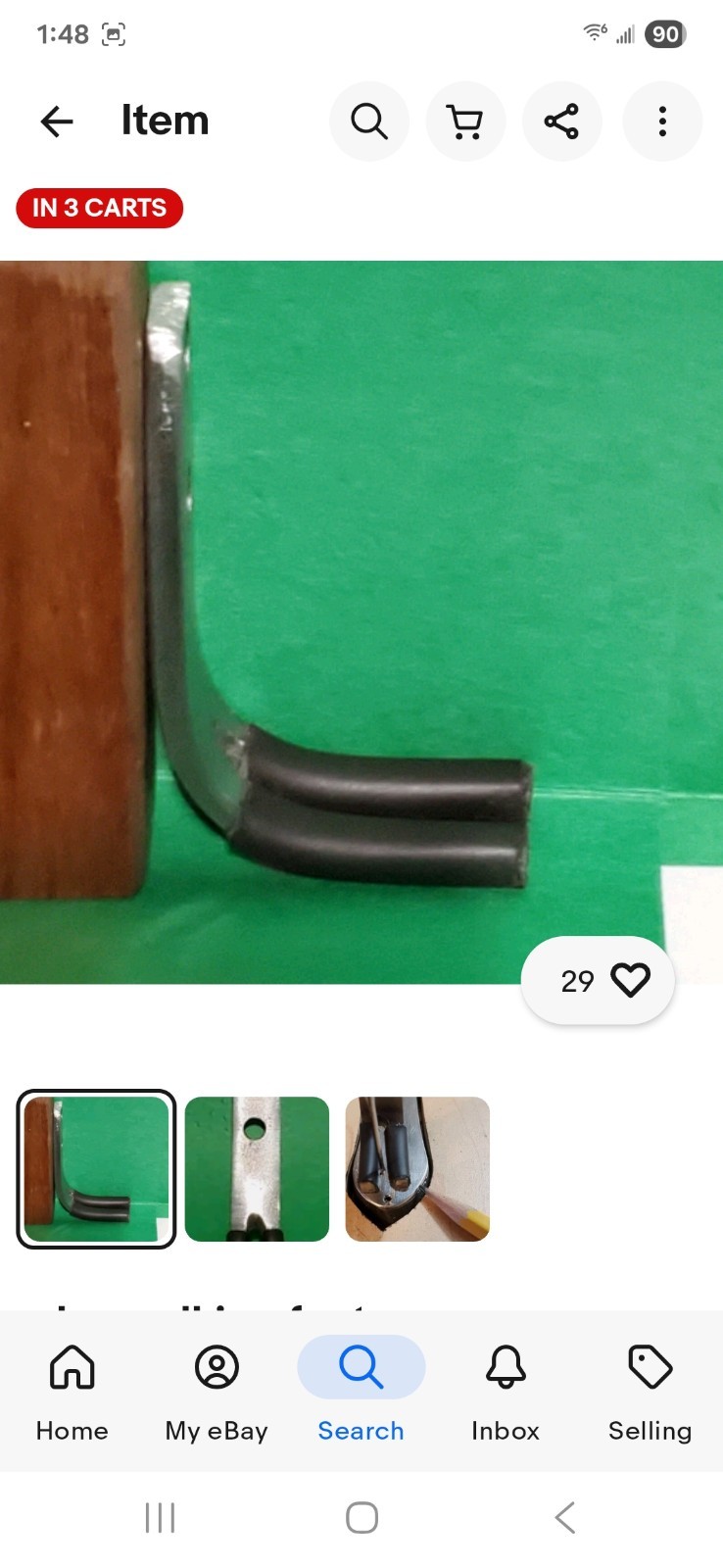

Photos from current listings. Actual item, color, and included accessories may vary.
Clsp Walking Foot Buying Guide
A walking foot (even-feed foot) adds a second set of feed dogs on top of the fabric to move layers together without shifting, and the CLSP walking foot is a generic low-cost attachment in this category. The core trade-off is between stamped, riveted consumer feet that flex under thick seams and machined, screw-adjusted feet with replaceable soles that hold timing on quilts and vinyl. Buy the CLSP only as a light-duty spare for thin quilting cotton; for regular quilting, leather, or multi-layer bags, step up to a branded even-feed foot with adjustable sole pressure and a metal upper drive arm.
Key takeaways
- Consumer walking feet use a stamped metal or molded plastic upper arm driven by the needle clamp; the arm flexes and skips on thick seams, while machined feet use a rigid screw-clamped drive fork that stays timed.
- A walking foot's feed timing depends on the arm length and clamp geometry matching the machine's needle bar; generic CLSP-style feet are built to a broad low-shank pattern, not a specific brand's linkage.
- Sole design matters more than brand: a hinged, replaceable sole with serrated or smooth options lets you switch between quilting cotton and vinyl, while a one-piece molded sole wears flat and drags.
At a glance
- Category
- Presser Feet, Notions & Threading
- Status
- Listings available
- Last updated
- Nov 28, 2026
Current offers
Highlights
- Consumer walking feet use a stamped metal or molded plastic upper arm driven by the needle clamp; the arm flexes and skips on thick seams, while machined feet use a rigid screw-clamped drive fork that stays timed.
- A walking foot's feed timing depends on the arm length and clamp geometry matching the machine's needle bar; generic CLSP-style feet are built to a broad low-shank pattern, not a specific brand's linkage.
- Sole design matters more than brand: a hinged, replaceable sole with serrated or smooth options lets you switch between quilting cotton and vinyl, while a one-piece molded sole wears flat and drags.
- Adjustable sole pressure (via a top screw or spring) is the dividing line between a foot that feeds evenly on 2 layers and one that stalls on 6 layers of batting and binding.
Best use cases
- Best fit: light quilting and topstitching on 2–3 layers of cotton — pick the CLSP as a budget spare if your machine is a low-shank domestic and you sew under ~4 mm total thickness.
- Wrong fit: quilting a full-size quilt with batting — skip generic feet and buy a branded even-feed foot with a rigid drive arm and adjustable pressure, or the foot will drift and skip on long seams.
- Best fit: vinyl, faux leather, and bag making — choose a walking foot with a smooth or roller sole and screw-adjusted pressure; a standard serrated CLSP sole marks and drags on coated fabrics.
- Wrong fit: high-shank or industrial machines — CLSP-style low-shank feet do not fit high-shank presser bars, and industrial walking-foot machines use a built-in upper feed, not a clamp-on attachment.
Buying tips
- Measure your presser bar: low-shank domestic machines have a presser bar about 1/4 inch (6.35 mm) above the needle plate; high-shank machines are about 1/2 inch (12.7 mm) and need a different foot entirely.
- Match the drive arm to your needle clamp: the arm must sit flush on the clamp screw and not bind; a loose fit causes skipped stitches and broken needles on thick seams.
- Choose a metal upper arm and a hinged sole over all-plastic construction; plastic arms flex and crack at the pivot under heavy layers, while metal holds timing.
- Check that the foot clears your feed dogs and needle plate: the sole should sit flat with the needle centered, and the foot should lift at least 6 mm to clear binding and batting.
Specs
| Shank Type | Low-shank 6.35 mm / High-shank 12.7 mm |
|---|---|
| Drive Arm | Stamped metal vs machined rigid fork |
| Sole Type | Serrated / smooth / roller, hinged vs fixed |
| Pressure Adjust | Fixed spring vs screw-adjustable |
Related searches
What to check before buying
- Confirm your machine is low-shank (presser bar ~6.35 mm) before ordering any CLSP-style walking foot; high-shank and industrial machines need a different attachment.
- Test total seam thickness: if your typical project exceeds 4–5 mm (quilts with batting, multi-layer bags), a generic stamped foot will flex — choose a machined foot with adjustable pressure.
- Check needle clamp geometry: the drive arm must engage the clamp screw squarely; offset or short clamps need a brand-specific foot, not a universal one.
- Verify fabric type: serrated soles grip cotton but mark vinyl and knits, so plan on a smooth or roller sole for coated and stretch fabrics.
FAQ
Data sources: eBay / Amazon listings and product attribute feeds. Updated Nov 28, 2026.
Some links on this page are affiliate links. If you buy after clicking one, we may earn a commission at no extra cost to you. This does not change which products appear here or their order. Affiliate disclosure.