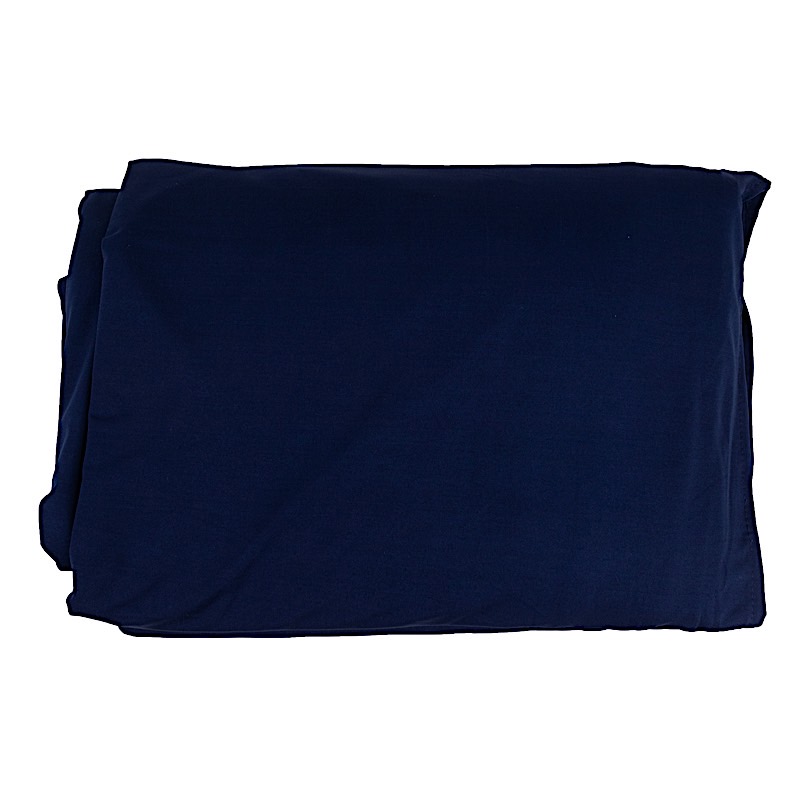

Photos from current listings. Actual item, color, and included accessories may vary.
4 Way Stretch Fabric Buying Guide
4-way stretch fabric stretches in both length and width, defined by elastane/spandex content and knit architecture rather than a brand name. The core trade-off is stretch percentage and recovery versus opacity and durability—cheap high-stretch blends pill and lose shape, while dense tricot knits hold up. Buy by weight (GSM) and fiber blend, not by listing photos.
Median $97.67
Key takeaways
- True 4-way stretch requires 8–20% elastane/spandex in a circular or warp knit; 2-way stretch only flexes across the grain and sags in garments.
- Fabric weight drives performance: 180–220 GSM for light activewear and linings, 240–320 GSM for leggings, swimwear, and structured dancewear.
- Tricot and double-knit constructions resist curling and run less than cheap single-jersey spandex, which snags and shows through when stretched.
At a glance
- Category
- Fabrics & Thread
- Last updated
- Nov 28, 2026
Current offers

Highlights
- True 4-way stretch requires 8–20% elastane/spandex in a circular or warp knit; 2-way stretch only flexes across the grain and sags in garments.
- Fabric weight drives performance: 180–220 GSM for light activewear and linings, 240–320 GSM for leggings, swimwear, and structured dancewear.
- Tricot and double-knit constructions resist curling and run less than cheap single-jersey spandex, which snags and shows through when stretched.
- Matte nylon-spandex hides lumps and photographs poorly; shiny spandex reads costume-grade and shows every seam line under tension.
Best use cases
- Best fit: leggings, swimwear, and dancewear—choose 240–320 GSM nylon-spandex tricot with 15–20% elastane for squat-proof opacity and recovery.
- Best fit: linings, sheer panels, and lightweight tops—pick 180–220 GSM polyester-spandex at 10–12% elastane; skip below 180 GSM for anything load-bearing.
- Wrong fit: structured jackets, bags, or upholstery—4-way stretch knits creep and distort under static load; use woven fabric with mechanical stretch instead.
- Wrong fit: beginners testing patterns—buy 1–2 yards of matte tricot first; shiny 10-yard bolts hide flaws but amplify seam puckering.
Buying tips
- Calculate stretch: a 4-inch strip should extend to 5.5–6 inches (40–50% stretch) for activewear; under 30% stretch is decorative, not functional.
- Match needle and thread: use stretch or ballpoint needles and polyester woolly nylon thread; universal needles cut spandex fibers and cause runs.
- Check recovery: stretch the swatch and release—if it stays baggy or ripples, elastane is degraded or the knit is too loose for garments.
- Prefer nylon-spandex over polyester-spandex for swim and high-chlorine exposure; polyester pills faster but costs less for linings and craft use.
Specs
| Stretch Direction | 4-way (length + width) vs 2-way |
|---|---|
| Fiber Blend | Nylon-spandex vs polyester-spandex |
| Fabric Weight | 180–320 GSM (light to heavy) |
| Knit Construction | Tricot/double knit vs single jersey |
Related searches
What to check before buying
- Measure your project: 60-inch width covers most leggings and swim patterns; order yardage as pattern length plus 10–15% for stretch shrinkage.
- Confirm care and climate: spandex degrades with heat—choose chlorine-resistant nylon-spandex for pools and line-dry all 4-way knits.
- Verify machine setup: a serger or stretch stitch on a standard machine is required; a straight stitch alone will pop seams under stretch.
- Check opacity with a stretch test: hold doubled fabric to light while stretched—if light passes, size up in GSM or add a lining layer.
FAQ
Data sources: eBay / Amazon listings and product attribute feeds. Updated Nov 28, 2026.
Some links on this page are affiliate links. If you buy after clicking one, we may earn a commission at no extra cost to you. This does not change which products appear here or their order. Affiliate disclosure.