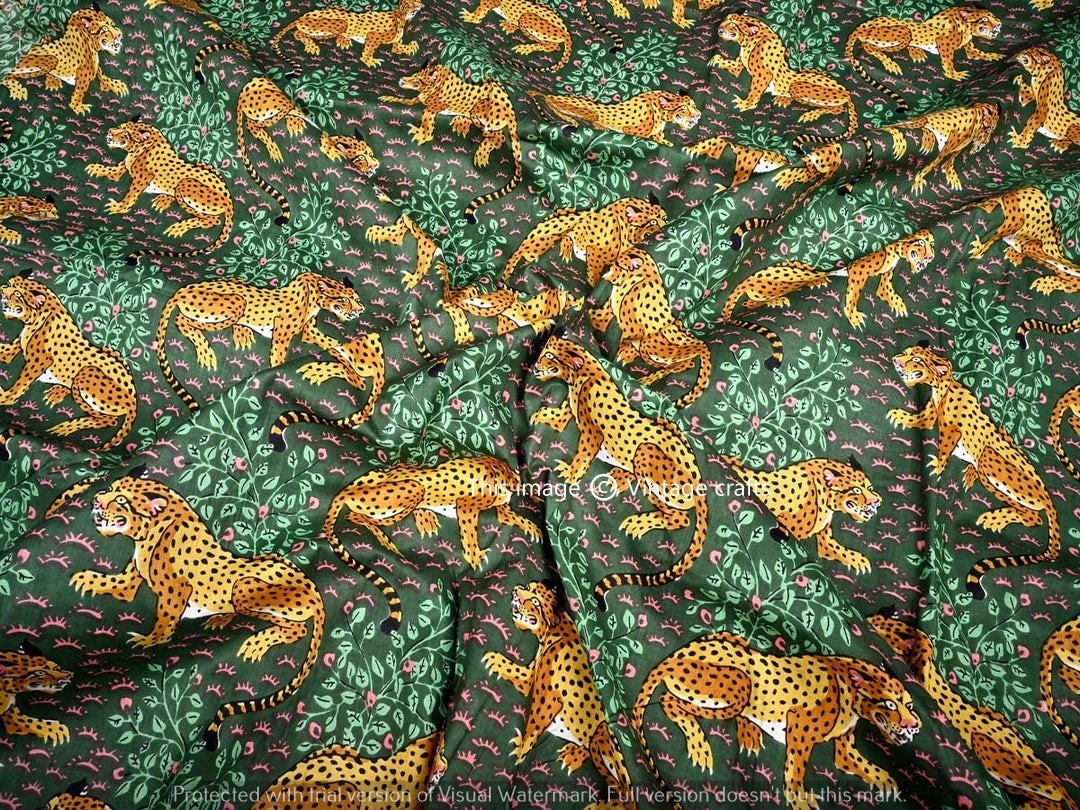

Photos from current listings. Actual item, color, and included accessories may vary.
Block Print Fabric Buying Guide
Block print fabric is a hand-stamped cotton textile where carved wooden blocks and dye are pressed repeatedly across the yardage, producing slight registration shifts and color variation that machine prints cannot replicate. The core trade-off is between true hand-blocked cotton (thicker, colorfast, variable) and screen-printed or digital knockoffs (uniform, cheaper, often thinner). Choose hand-blocked cotton when you need breathable quilting weight with authentic repeat imperfections; skip it when you require perfectly identical panels or synthetic blends.
Median $59.14
Key takeaways
- Authentic hand block printing uses carved teak or sheesham wood blocks dipped in dye and stamped by hand, creating 1-3 mm registration offsets between repeats that signal genuine craftsmanship.
- Quilting-weight block print cotton typically runs 110-130 GSM (about 3.5-4.5 oz per square yard), heavier than apparel voile (60-80 GSM) and lighter than canvas (200+ GSM).
- Colorfastness depends on dye class: natural indigo and madder root fade gracefully but bleed in hot water; fiber-reactive dyes hold color through 40+ cold washes but lack the same patina.
At a glance
- Category
- Fabrics & Thread
- Last updated
- Nov 28, 2026
Current offers
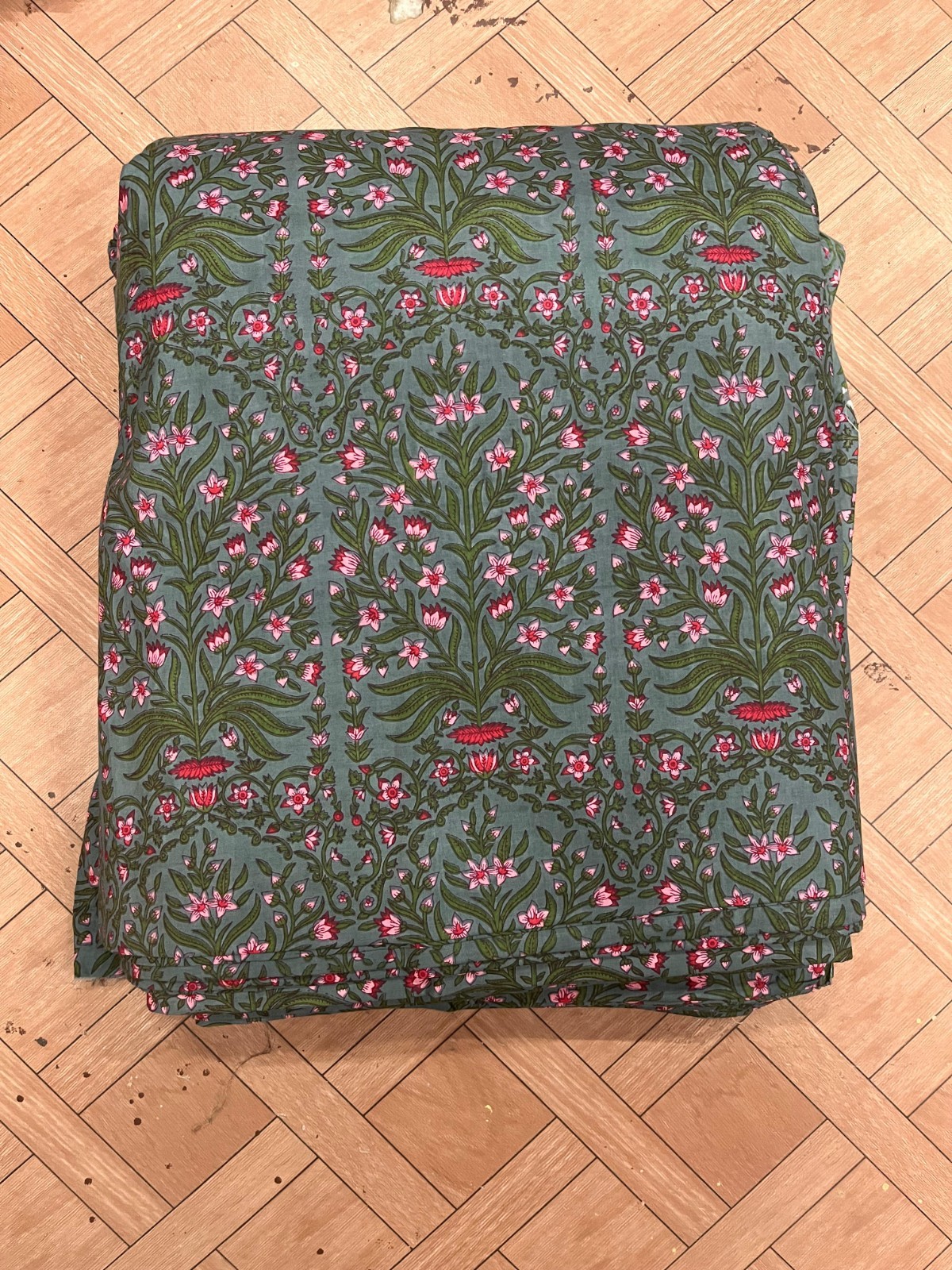
Highlights
- Authentic hand block printing uses carved teak or sheesham wood blocks dipped in dye and stamped by hand, creating 1-3 mm registration offsets between repeats that signal genuine craftsmanship.
- Quilting-weight block print cotton typically runs 110-130 GSM (about 3.5-4.5 oz per square yard), heavier than apparel voile (60-80 GSM) and lighter than canvas (200+ GSM).
- Colorfastness depends on dye class: natural indigo and madder root fade gracefully but bleed in hot water; fiber-reactive dyes hold color through 40+ cold washes but lack the same patina.
- Yardage is sold in running cuts (5-yard and 25-yard bolts are common), and hand-blocked fabric shrinks 5-8% on first wash because the cotton is not pre-shrunk or resin-finished.
Best use cases
- Best fit: quilters making throws or bed runners—pick 5-yard cuts of 110-130 GSM hand-blocked cotton; the slight print variation reads as intentional texture across patchwork squares.
- Best fit: garment sewists making relaxed dresses, shirts, or pajamas—choose lighter 80-100 GSM block print voile or cambric and pre-wash twice before cutting to control shrinkage.
- Wrong fit: projects needing perfectly matched repeats or identical panels (e.g., tailored suits, upholstery with tight pattern alignment)—skip hand block and use screen-printed or digital fabric instead.
- Wrong fit: high-abrasion upholstery or outdoor use—hand-blocked cotton lacks the rub resistance (Martindale under 10,000 cycles) and UV stability of solution-dyed acrylic; choose performance weave instead.
Buying tips
- Buy by weight: for quilting, request 110-130 GSM (3.5-4.5 oz/yd²); for apparel, 80-100 GSM; for bags or light upholstery, 160-200 GSM. Ask for the GSM figure directly—'medium weight' is not a standard.
- Pre-wash every hand-blocked cotton in cold water with a color catcher before cutting; expect 5-8% shrinkage in length and 3-5% in width, so buy 10% extra yardage for quilting borders.
- Check dye type: fiber-reactive dyes are the safest for quilts that will be washed; natural-dye (indigo, madder) fabrics should be dry-cleaned or cold-washed separately for the first three washes to set color.
- Inspect the selvedge: genuine hand-blocked Indian cotton often has a 1-2 cm unprinted selvedge with loom marks; a fully printed edge to the cut line suggests screen printing or digital reproduction.
Specs
| Print Method | Hand block vs screen/digital |
|---|---|
| Fabric Weight | 80-130 GSM quilting/apparel |
| Dye Class | Fiber-reactive vs natural indigo |
| Shrinkage | 5-8% length / 3-5% width |
Related searches
What to check before buying
- Measure your quilt or project in square inches and add 15% for seam allowance, quilting shrinkage, and pattern repeat matching—hand-block repeats rarely align exactly at seams.
- Confirm your machine needle and thread: 110-130 GSM cotton quilts well with a 80/12 universal needle and 50-weight cotton thread; heavier 160+ GSM needs a 90/14 needle.
- Check your water hardness and wash routine: hard water dulls natural dyes faster; use a pH-neutral detergent and avoid chlorine bleach on all block prints.
- Verify the cut length before washing: hand-blocked yardage is cut by hand from bolts and may run 2-4 inches short or long; measure and square the ends before pre-washing.
FAQ
Data sources: eBay / Amazon listings and product attribute feeds. Updated Nov 28, 2026.
Some links on this page are affiliate links. If you buy after clicking one, we may earn a commission at no extra cost to you. This does not change which products appear here or their order. Affiliate disclosure.