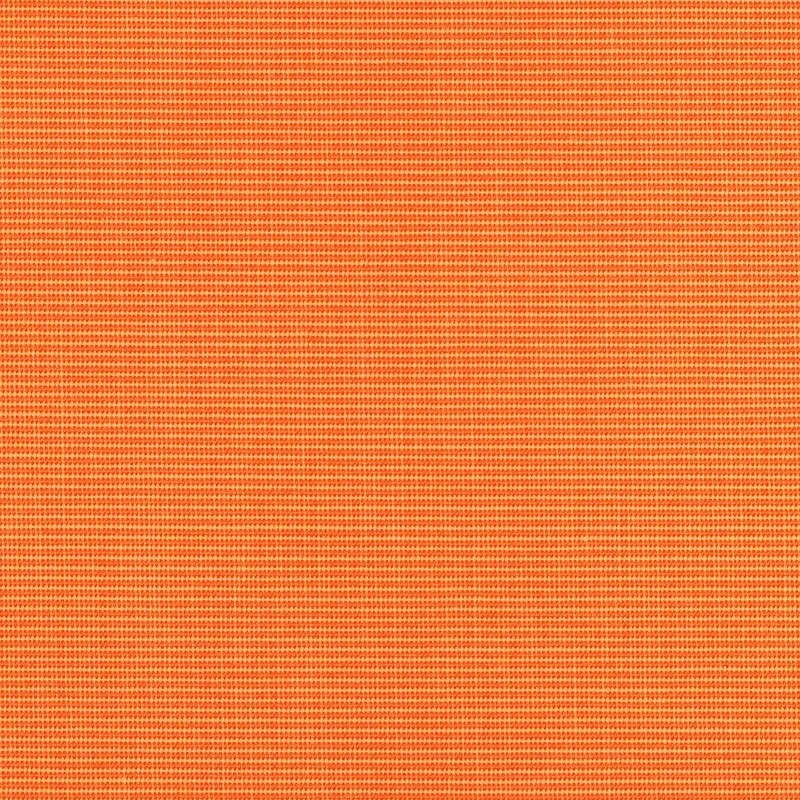

Photos from current listings. Actual item, color, and included accessories may vary.
Canvas Fabric Buying Guide
Canvas fabric is a durable plain-weave textile graded by weight (ounces per square yard) and fiber content, with the primary trade-off being breathable cotton versus weather-resistant synthetic blends. Buyers must match weight to use case—7–10 oz for apparel and crafts, 12–18 oz for upholstery and bags, 18+ oz for heavy-duty structural projects. The decision rule: choose natural cotton duck for breathability and paintability, solution-dyed acrylic for outdoor fade resistance, and avoid uncoated lightweight canvas for any load-bearing or weather-exposed application.
Median $71.95
Key takeaways
- Cotton duck canvas is graded by weight: 7 oz for aprons and tote bags, 10 oz for slipcovers and crafts, 12–18 oz for upholstery and heavy bags, 18+ oz for tents and structural covers.
- Solution-dyed acrylic canvas (e.g., Sunbrella) locks color into the fiber before weaving, resisting UV fade and mildew far better than surface-dyed cotton or polyester.
- Canvas weave density (threads per inch) determines durability more than weight alone; a tight 10 oz duck outperforms a loose 12 oz weave for abrasion and seam strength.
At a glance
- Category
- Fabrics & Thread
- Last updated
- Nov 28, 2026
Current offers
Highlights
- Cotton duck canvas is graded by weight: 7 oz for aprons and tote bags, 10 oz for slipcovers and crafts, 12–18 oz for upholstery and heavy bags, 18+ oz for tents and structural covers.
- Solution-dyed acrylic canvas (e.g., Sunbrella) locks color into the fiber before weaving, resisting UV fade and mildew far better than surface-dyed cotton or polyester.
- Canvas weave density (threads per inch) determines durability more than weight alone; a tight 10 oz duck outperforms a loose 12 oz weave for abrasion and seam strength.
- Water resistance requires either a tight weave (10 oz+) plus a wax or polyurethane coating, or inherently hydrophobic synthetic fibers; untreated cotton canvas absorbs water and can mildew.
Best use cases
- Best fit: 10 oz cotton duck by the yard for tote bags, aprons, slipcovers, and craft projects where breathability and paintability matter; skip synthetic blends if you need to dye or paint the fabric.
- Best fit: solution-dyed acrylic outdoor canvas (54" wide, 5400-series) for patio furniture, awnings, and marine covers exposed to sun and rain; skip untreated cotton duck for any permanent outdoor use.
- Best fit: 12–18 oz cotton duck for upholstery, heavy-duty tool bags, and floor cloths; skip 7–10 oz weights for seating surfaces that see daily abrasion.
- Wrong fit: lightweight canvas under 7 oz for structural or load-bearing projects; it lacks tear strength and will fail at seams under tension.
Buying tips
- Calculate yardage using fabric width: a 54" wide canvas yields 1.5 square yards per running yard, so a 2-yard cut covers 3 square yards (27 sq ft) before seam allowances.
- Choose 10 oz cotton duck for washable, breathable projects; choose 12 oz or heavier for upholstery and bags, where a 2–4 oz weight increase roughly doubles abrasion resistance.
- For outdoor use, specify solution-dyed acrylic (e.g., Sunbrella 5400 series) rather than surface-painted or laminated canvas; solution-dyed fibers retain color 5–10 years in direct sun.
- Pre-wash and shrink cotton canvas before cutting: expect 3–5% shrinkage in length and width, so buy 5% extra yardage for washable finished goods.
Specs
| Fabric Weight | 7–18 oz/yd² (duck grading) |
|---|---|
| Fiber Content | Cotton duck vs solution-dyed acrylic |
| Outdoor Rating | UV-stable acrylic vs untreated cotton |
| Width | 54" or 60" typical |
Related searches
What to check before buying
- Measure your project surface and add 1/2" seam allowance per edge; confirm the fabric width (typically 54" or 60") covers your widest panel without seams.
- Confirm fiber content and weight on the listing: 100% cotton duck for breathable indoor use, solution-dyed acrylic for outdoor UV exposure, and 10 oz+ for any load-bearing seam.
- Check coating compatibility: uncoated canvas accepts paint, dye, and wax; coated or laminated canvas requires specialized adhesives and cannot be dyed.
- For outdoor furniture, verify the fabric is rated for 500+ hours of UV exposure (solution-dyed acrylic) and plan for 1–2% shrinkage on the frame fit.
FAQ
Data sources: eBay / Amazon listings and product attribute feeds. Updated Nov 28, 2026.
Some links on this page are affiliate links. If you buy after clicking one, we may earn a commission at no extra cost to you. This does not change which products appear here or their order. Affiliate disclosure.