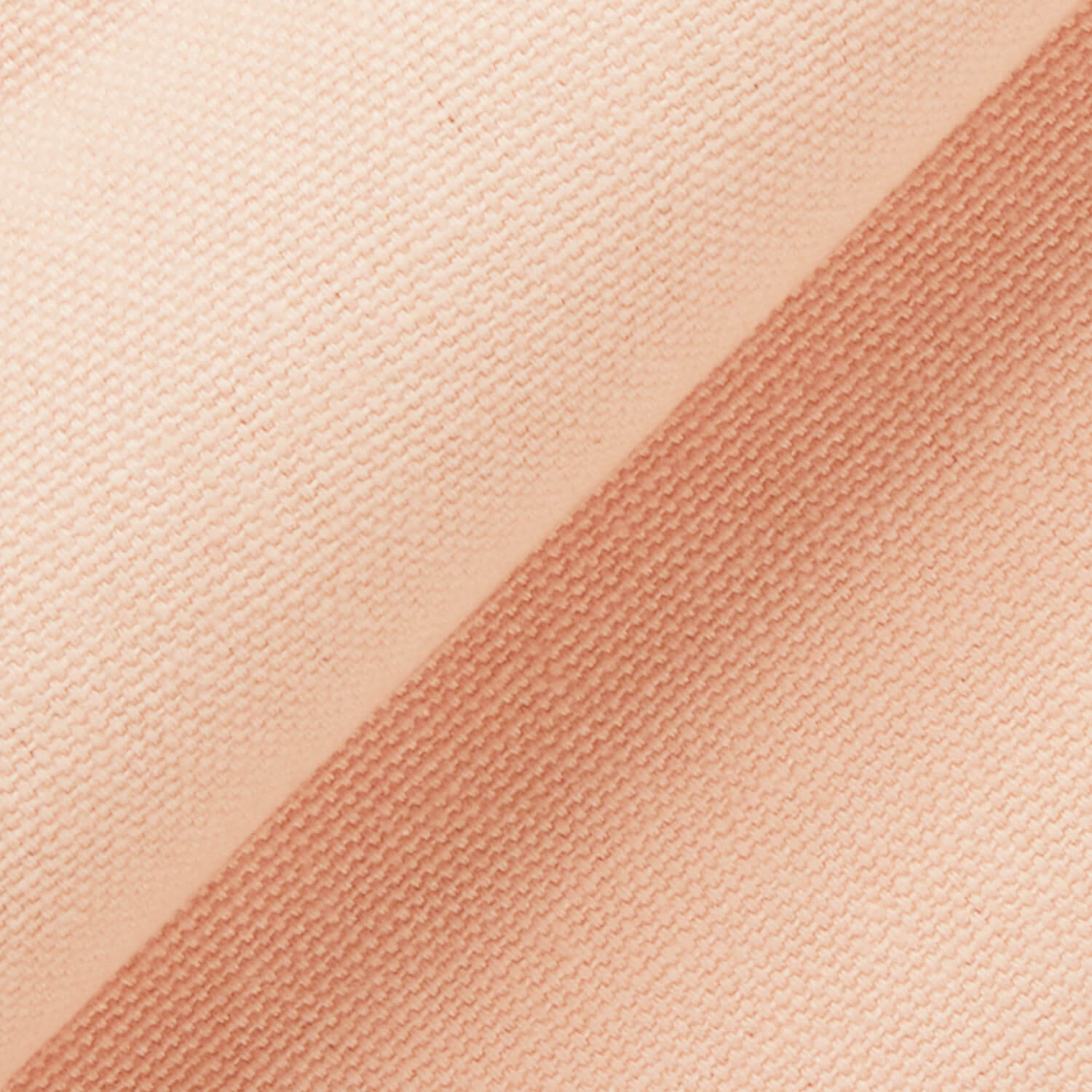

Photos from current listings. Actual item, color, and included accessories may vary.
Cotton Canvas Fabric Buying Guide
Cotton canvas is a plain-weave, heavy-duty fabric graded by weight in ounces per square yard, where 10 oz duck is the workhorse for bags and upholstery and 12–18 oz is structural. The core trade-off is weight versus workability: heavier canvas lasts longer but demands industrial machines and breaks needles on home machines. The decision rule is to match ounce weight to the load and abrasion the finished item will face, then confirm width and whether the fabric is pre-shrunk before cutting.
Key takeaways
- Weight grading: 7–10 oz = bags, aprons, light upholstery; 12–14 oz = heavy totes, slipcovers; 18 oz+ = structural/outdoor covers.
- Duck weave has a tighter, heavier double-fill construction than plain canvas; single-fill canvas is lighter and drapes more for apparel and linings.
- Untreated cotton canvas shrinks 3–10% on first wash; pre-shrunk or sanforized canvas holds cut dimensions and is required for fitted covers.
At a glance
- Category
- Fabrics & Thread
- Last updated
- Nov 28, 2026
Current offers
Highlights
- Weight grading: 7–10 oz = bags, aprons, light upholstery; 12–14 oz = heavy totes, slipcovers; 18 oz+ = structural/outdoor covers.
- Duck weave has a tighter, heavier double-fill construction than plain canvas; single-fill canvas is lighter and drapes more for apparel and linings.
- Untreated cotton canvas shrinks 3–10% on first wash; pre-shrunk or sanforized canvas holds cut dimensions and is required for fitted covers.
- Hypoallergenic cotton duck skips chemical finishes and dyes, making it the correct pick for skin-contact items and pet or child gear.
Best use cases
- Best fit: 10 oz cotton duck for tote bags, tool rolls, and light upholstery — the single most versatile weight and the safest default pick.
- Best fit: 12–18 oz canvas for structural items like slipcovers, hammocks, and outdoor covers where abrasion and load are constant.
- Wrong fit: standard home sewing machines and lightweight needles — 12 oz+ canvas requires a walking-foot or industrial machine and size 16–18 needles.
- Wrong fit: unwashed canvas for fitted covers or garments sized to final dimensions — buy pre-shrunk or pre-wash and cut oversize.
Buying tips
- Pick ounce weight by load: 7–10 oz for carry bags and aprons, 12–14 oz for heavy totes and slipcovers, 18 oz for structural outdoor use.
- For fitted projects, buy pre-shrunk or sanforized canvas; otherwise pre-wash and add 5–8% to all cut dimensions to absorb shrinkage.
- Match needle and machine to weight: size 16–18 canvas needles and a walking foot for 10 oz+, industrial lockstitch for 12 oz+.
- Buy by the continuous yard for multi-piece projects; cut remnants and short yardage rarely match dye lot and weave consistency.
Specs
| Fabric Weight | 7–18 oz/sq yd (10 oz duck standard) |
|---|---|
| Weave Type | Plain weave; duck = double-fill |
| Shrinkage | 3–10% untreated; pre-shrunk stable |
| Finish Options | Untreated, pre-shrunk, water-resistant |
Related searches
What to check before buying
- Measure your project's largest panel and add seam allowance plus 5–8% shrinkage before ordering yardage.
- Confirm fabric width (typically 36–60 in) against your widest pattern piece to avoid piecing seams.
- Verify your machine can handle the chosen ounce weight: home machines cap around 10 oz without a walking foot.
- Check finish type — untreated, pre-shrunk, or water-resistant — since finishes change hand, drape, and care requirements.
FAQ
Data sources: eBay / Amazon listings and product attribute feeds. Updated Nov 28, 2026.
Some links on this page are affiliate links. If you buy after clicking one, we may earn a commission at no extra cost to you. This does not change which products appear here or their order. Affiliate disclosure.