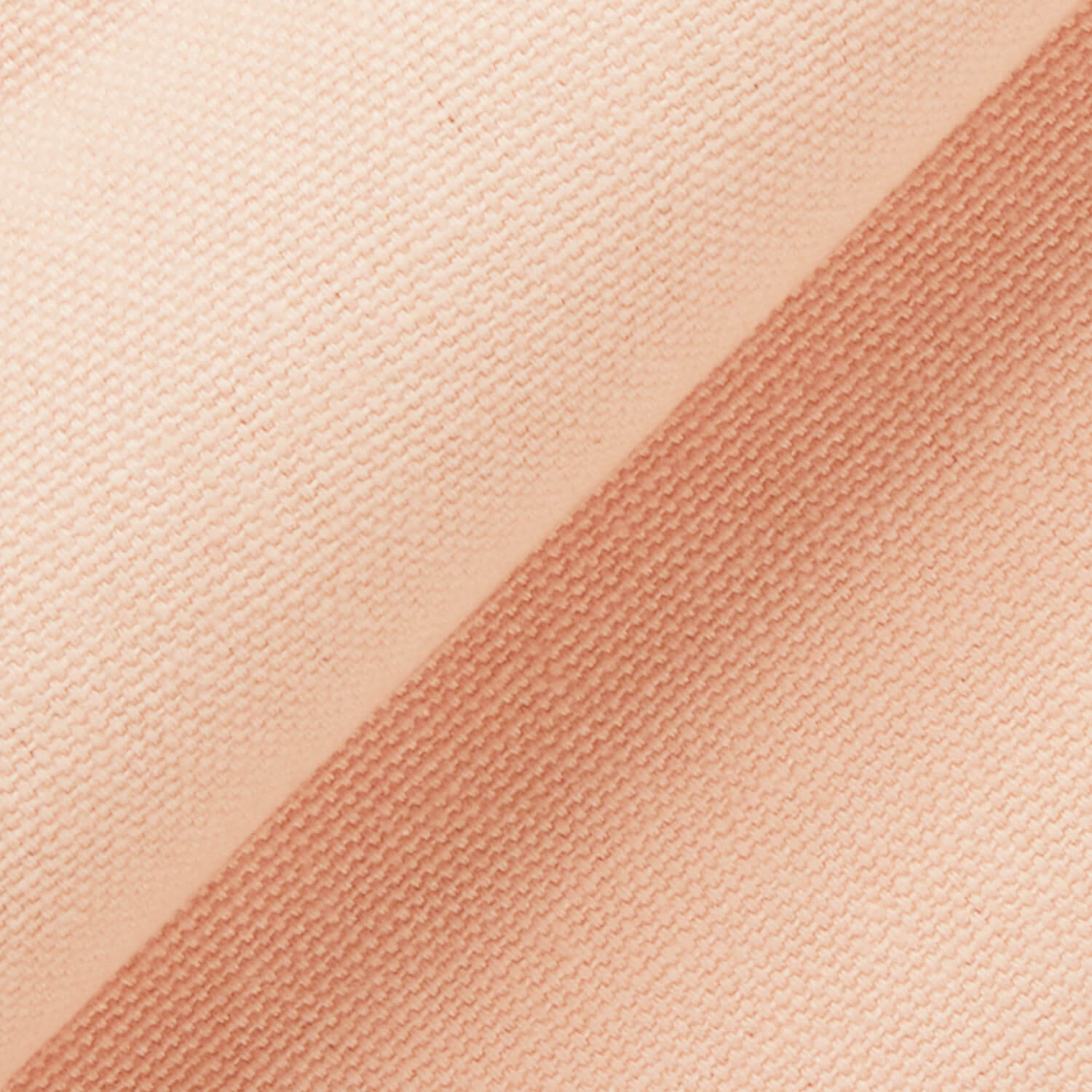

Photos from current listings. Actual item, color, and included accessories may vary.
Duck Canvas Fabric Buying Guide
Duck canvas is a tightly woven, plain-weave cotton fabric graded by weight (ounces per square yard) and designated by numbered duck (10, 12, 14, 18 oz). The core trade-off is weight versus workability: lighter 7–10 oz duck drapes and sews easily but lacks abrasion resistance, while 18 oz+ duck is bulletproof but requires industrial machines and heavy needles. Buy 10–12 oz for bags and upholstery, 14–18 oz for tarps and floor cloths, and skip anything under 7 oz if you need structural durability.
Key takeaways
- Numbered duck follows the old cotton system: 10 oz = #10 duck, 12 oz = #12 duck; higher numbers mean heavier, denser fabric with greater tear strength.
- Standard 10 oz duck is 100% cotton, 2/1 plain weave, ~57–60 inch usable width, and takes dye, wax, and paint well for bags and upholstery.
- 14–18 oz duck is the tarp and floor-cloth tier; it resists punctures and UV better but needs a walking-foot machine and #18–20 needles.
At a glance
- Category
- Fabrics & Thread
- Last updated
- Nov 28, 2026
Current offers
Highlights
- Numbered duck follows the old cotton system: 10 oz = #10 duck, 12 oz = #12 duck; higher numbers mean heavier, denser fabric with greater tear strength.
- Standard 10 oz duck is 100% cotton, 2/1 plain weave, ~57–60 inch usable width, and takes dye, wax, and paint well for bags and upholstery.
- 14–18 oz duck is the tarp and floor-cloth tier; it resists punctures and UV better but needs a walking-foot machine and #18–20 needles.
- Hypoallergenic cotton duck is unbleached, undyed greige goods; washed or pre-shrunk duck reduces shrinkage from the typical 5–8% on first wash.
Best use cases
- Best fit: tote bags, aprons, slipcovers, and light upholstery — choose 7–10 oz duck for sewability on a home machine with a #16 needle.
- Best fit: heavy tarps, floor cloths, tool rolls, and outdoor covers — choose 14–18 oz duck and plan for a walking-foot or industrial machine.
- Wrong fit: garment lining or drapey curtains — duck is too stiff; use cotton voile or linen instead and skip duck entirely.
- Wrong fit: waterproof outdoor gear — untreated cotton duck absorbs water; specify waxed or PU-coated duck rather than plain greige.
Buying tips
- Buy by weight, not by 'heavy duty' label: 10 oz is the all-purpose baseline; step to 12 oz for upholstery and 14–18 oz for tarps.
- Order 10–15% extra yardage: cotton duck shrinks 5–8% on first wash and 1–2% on dry cleaning; pre-wash before cutting.
- Match needle and thread: #16 needle with 40s cotton thread for 10 oz; #18–20 needle with heavy nylon or polyester thread for 14 oz+.
- Check width before cutting: most duck is 57–60 inches wide; 36-inch-wide bolts exist for narrow projects and change your layout math.
Specs
| Fabric Weight | 7–18 oz/sq yd (numbered duck) |
|---|---|
| Weave | Plain weave, 2/1 cotton duck |
| Usable Width | 36 in or 57–60 in bolts |
| Finish Options | Greige / washed / waxed / coated |
Related searches
What to check before buying
- Measure your finished project and add seam allowance plus 10–15% shrinkage allowance before ordering yardage.
- Confirm your sewing machine can handle the weight: home machines handle 10 oz with a #16 needle; 14 oz+ needs a walking foot or industrial head.
- Verify the bolt width (36 vs 57–60 inches) against your pattern layout to avoid buying double the yardage.
- Decide on finish: greige (untreated, absorbent), washed/pre-shrunk (low shrinkage), or waxed/coated (water-resistant) changes both cost and performance.
FAQ
Data sources: eBay / Amazon listings and product attribute feeds. Updated Nov 28, 2026.
Some links on this page are affiliate links. If you buy after clicking one, we may earn a commission at no extra cost to you. This does not change which products appear here or their order. Affiliate disclosure.