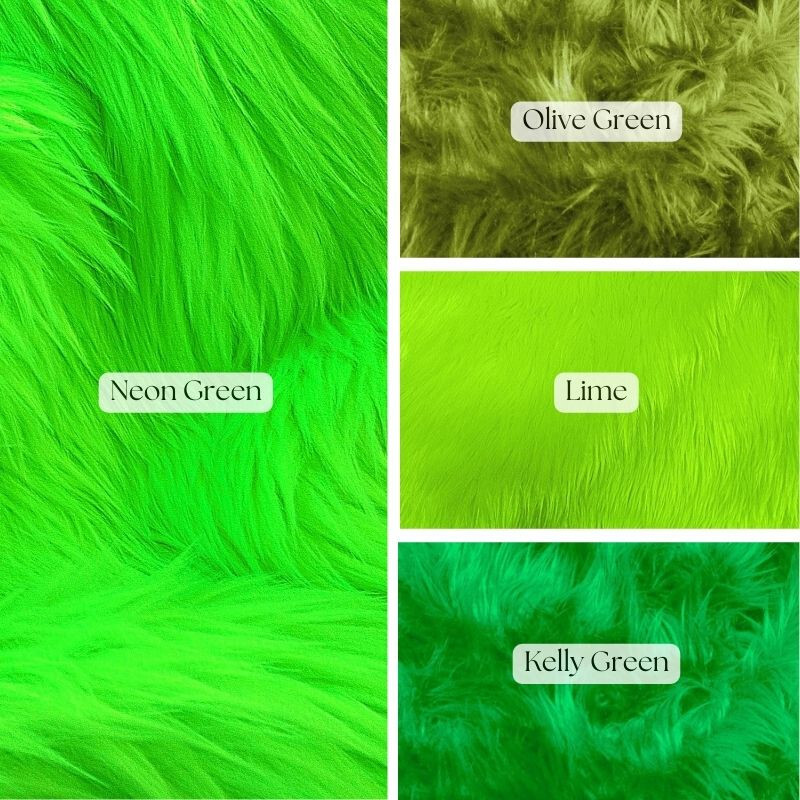

Photos from current listings. Actual item, color, and included accessories may vary.
Faux Fur Fabric Buying Guide
Faux fur fabric is a synthetic pile textile used for apparel, home decor, and costume projects, where the primary trade-off is pile density and backing quality versus cost. Durable options use high-density acrylic or polyester fibers on a woven or heavy-knit backing, while compromises show sparse pile, weak backing, and excessive shedding. The clear decision rule: choose by pile height and backing weight for your end use, not by softness alone.
Median $177.22
Key takeaways
- Pile height ranges from 10 mm (short plush) to 60 mm+ (long shag); longer pile requires higher GSM backing to prevent matting.
- Acrylic fibers mimic real fur best but pill faster; polyester blends resist crushing and are preferable for high-traffic upholstery.
- Woven backings (cotton-poly blend) hold shape for garments, while knit backings stretch and suit throws or costume pieces.
At a glance
- Category
- Fabrics & Thread
- Last updated
- Nov 28, 2026
Current offers
Highlights
- Pile height ranges from 10 mm (short plush) to 60 mm+ (long shag); longer pile requires higher GSM backing to prevent matting.
- Acrylic fibers mimic real fur best but pill faster; polyester blends resist crushing and are preferable for high-traffic upholstery.
- Woven backings (cotton-poly blend) hold shape for garments, while knit backings stretch and suit throws or costume pieces.
- Quality faux fur sheds minimally when fibers are tufted into a dense base cloth, not glued or loosely woven.
Best use cases
- Best fit for apparel (jackets, vests, trims): 15–25 mm pile on woven backing; skip long shag over 40 mm for garments as it matts and catches.
- Best fit for throws and pillows: 20–30 mm pile on heavy knit backing for drape; choose higher GSM for daily use over decorative accent.
- Best fit for costumes and photo backdrops: 40–60 mm shag is acceptable if lightly tufted; avoid for long-term seating.
- Wrong fit for upholstery: low-density acrylic shag under 300 GSM crushes flat in weeks; specify polyester pile ≥ 350 GSM and woven backing.
Buying tips
- Calculate yardage: for a 60-inch-wide fabric, a standard 18×18-inch pillow front needs 0.5 yard; allow 15% extra for pile direction matching.
- Demand woven or heavy-knit backing for anything load-bearing; knit backing stretches and distorts seams on structured garments.
- For washable items, choose polyester over acrylic; acrylic mats and loses loft above 30°C (86°F) wash temperatures.
- Inspect pile density by GSM: 250–350 GSM suits light throws, 350–500 GSM for daily-use upholstery and heavy apparel.
Specs
| Pile Height | 10–60 mm (short plush to shag) |
|---|---|
| Fiber Type | Acrylic (soft) vs Polyester (durable) |
| Backing | Woven (structured) vs Knit (stretch) |
| Weight Range | 250–500 GSM for quality pile |
Related searches
What to check before buying
- Measure your project area and add 15% for pile direction and seam allowance; 60-inch width covers most furniture panels without joins.
- Confirm the fabric is dry-clean or spot-clean only if you lack a front-load washer; agitators destroy pile and backing.
- For upholstery, verify backing is woven and pile is polyester; knit-backed acrylic will pill and crush under body weight.
- Check that you have a walking foot and size 90/14 needle; faux fur requires these for even feed and seam strength.
FAQ
Data sources: eBay / Amazon listings and product attribute feeds. Updated Nov 28, 2026.
Some links on this page are affiliate links. If you buy after clicking one, we may earn a commission at no extra cost to you. This does not change which products appear here or their order. Affiliate disclosure.