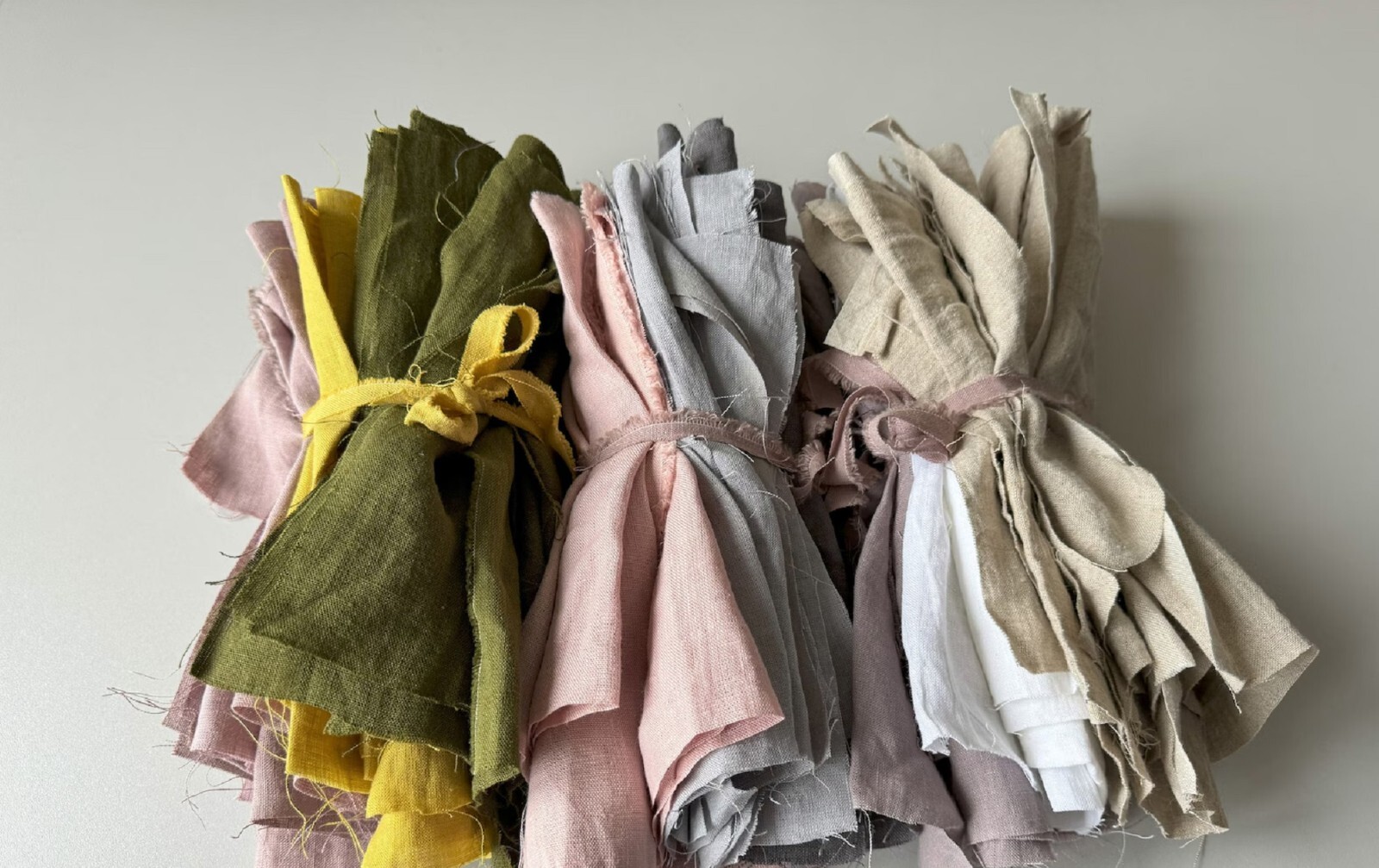

Photos from current listings. Actual item, color, and included accessories may vary.
Linen Fabric Buying Guide
Linen fabric is a woven textile from flax fibers, prized for breathability, moisture wicking, and a crisp hand that softens with every wash. The core trade-off is weight and weave density versus transparency and wrinkle resistance: lightweight handkerchief linen (3–5 oz/yd²) drapes beautifully for shirts but shows through and creases fast, while midweight (6–8 oz/yd²) and heavy (9–12 oz/yd²) plain weaves hold structure for trousers, jackets, and upholstery. The decision rule: for garments, buy midweight 100% linen at 6–8 oz/yd² with a plain or twill weave; skip sub-4 oz sheer linen and loose slub knits unless you specifically want a lightweight summer top.
Key takeaways
- 100% flax linen beats linen-cotton blends on breathability and wicking, but creases more; 55/45 linen-cotton reduces wrinkling at the cost of some moisture management.
- Weight tiers are decisive: 3–5 oz/yd² shirting is semi-sheer, 6–8 oz/yd² suiting/trouser weight is opaque, and 9–12 oz/yd² is upholstery or heavy jacket grade.
- Plain weave is the standard garment construction; twill and herringbone add drape and durability, while loose open weaves snag and distort at seams.
At a glance
- Category
- Fabrics & Thread
- Last updated
- Nov 28, 2026
Current offers
Highlights
- 100% flax linen beats linen-cotton blends on breathability and wicking, but creases more; 55/45 linen-cotton reduces wrinkling at the cost of some moisture management.
- Weight tiers are decisive: 3–5 oz/yd² shirting is semi-sheer, 6–8 oz/yd² suiting/trouser weight is opaque, and 9–12 oz/yd² is upholstery or heavy jacket grade.
- Plain weave is the standard garment construction; twill and herringbone add drape and durability, while loose open weaves snag and distort at seams.
- Pre-washed or garment-dyed linen shrinks 3–5%; untreated greige or loom-state linen can shrink 8–10% on first hot wash, so buy extra yardage for unwashed goods.
Best use cases
- Best fit: shirts, dresses, and summer trousers — pick 6–8 oz/yd² plain-weave 100% linen, pre-washed to limit shrinkage. Skip 3–4 oz handkerchief linen for anything but scarves or sheer overlays.
- Best fit: structured jackets, skirts, and home décor — choose 8–10 oz/yd² twill or heavy plain weave for body and seam strength. Skip loose slub or open-weave décor fabric that frays at cut edges.
- Best fit: quilting and patchwork — use 5–7 oz/yd² tightly woven linen or linen-cotton blend for stable piecing. Skip heavyweight upholstery linen and highly slubbed designer remnants that distort quarter-inch seams.
- Wrong fit: stretch or performance apparel — linen has near-zero elastic recovery; choose linen-elastane blends (2–3% elastane) only if you need give, and skip pure linen for fitted activewear.
Buying tips
- Order by weight, not by name: ask for or read oz/yd² (or gsm) — 6–8 oz/yd² (200–270 gsm) is the garment sweet spot; below 5 oz/yd² is sheer, above 9 oz/yd² is upholstery grade.
- Buy 10–15% extra yardage for unwashed linen: expect 8–10% shrinkage on first wash, versus 3–5% for pre-washed or garment-dyed goods.
- For clothing, specify 100% linen with a plain weave and a thread count around 40–60 per inch; tighter weaves resist seam slippage but feel stiffer until washed.
- Skip fabric labeled only 'linen-look' or 'linen blend' without fiber content — polyester-linen-look fabrics lack wicking; require a stated flax percentage of 55% or higher for genuine linen performance.
Specs
| Fiber Content | 100% flax vs 55/45 linen-cotton |
|---|---|
| Weight Range | 3–5 sheer / 6–8 garment / 9–12 upholstery oz |
| Weave Type | Plain / twill / herringbone |
| Shrinkage | 3–5% pre-washed / 8–10% untreated |
Related searches
What to check before buying
- Confirm weight and fiber content before cutting: 6–8 oz/yd² and 100% or 55%+ linen for garments; 9–12 oz/yd² for upholstery.
- Pre-wash and dry a swatch at your intended laundry temperature to measure actual shrinkage before cutting a garment.
- Check width: garment linen typically runs 55–60 inches wide; narrower 45-inch goods limit layout for wide patterns.
- Inspect weave density against a light source — hold a swatch to a lamp; if you can clearly read text through it, it is too sheer for trousers or structured garments.
FAQ
Data sources: eBay / Amazon listings and product attribute feeds. Updated Nov 28, 2026.
Some links on this page are affiliate links. If you buy after clicking one, we may earn a commission at no extra cost to you. This does not change which products appear here or their order. Affiliate disclosure.