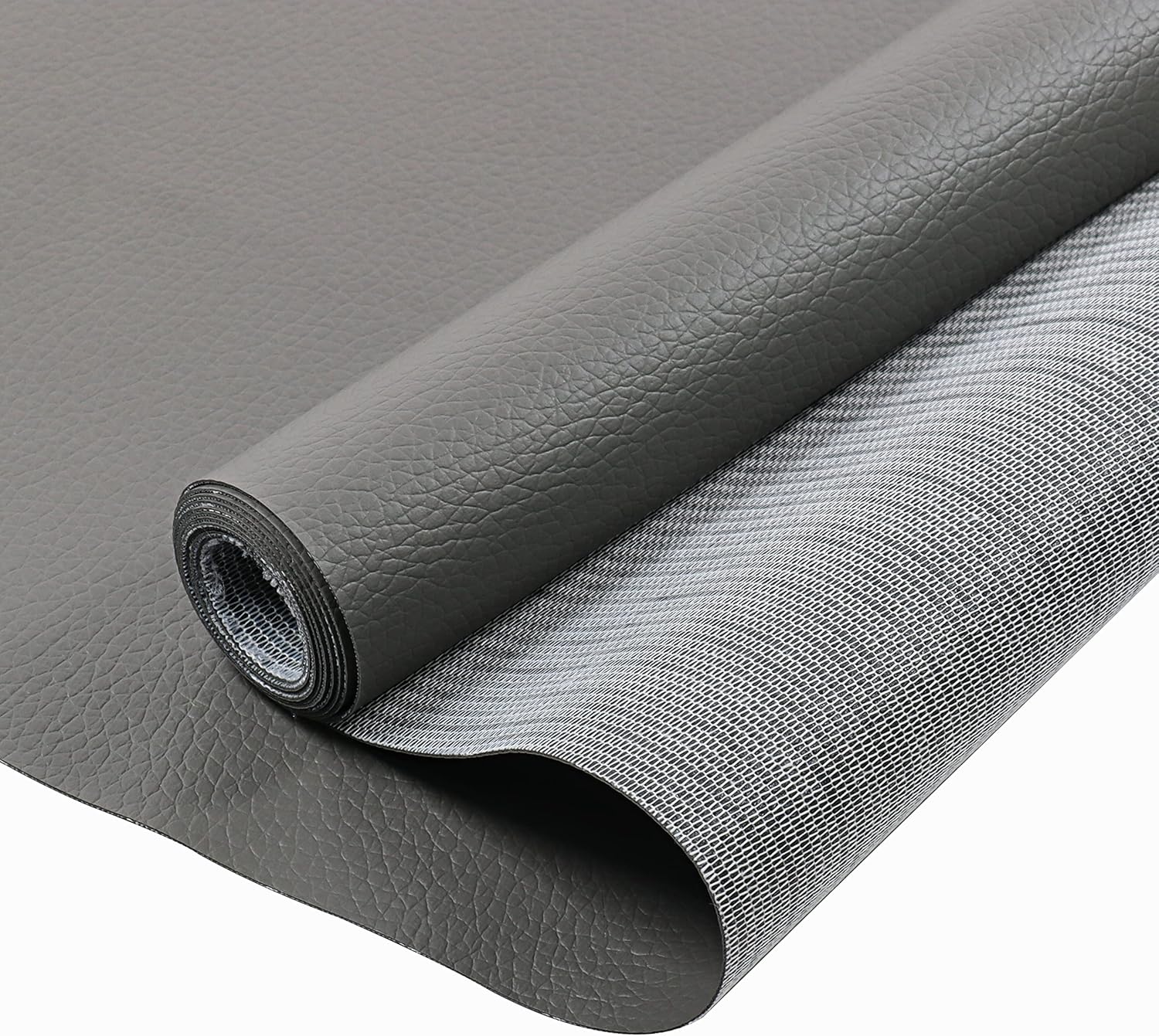

Photos from current listings. Actual item, color, and included accessories may vary.
Waterproof Fabric Buying Guide
Waterproof fabric by the yard spans four distinct material families—vinyl-coated marine leather, ripstop nylon, neoprene, and polyurethane-coated polyester—each with different hydrostatic head ratings, abrasion resistance, and sewability. The primary trade-off is durability versus workability: heavier coatings and thicker substrates resist water and UV longer but demand industrial machines and specialized seams. The rule is simple: match material family to exposure level, and never rely on the fabric alone—every sewn seam must be sealed or welded to keep water out.
Median $30.49
Key takeaways
- Vinyl marine fabric is a PVC-coated synthetic leather, typically 1.0–1.5 mm thick, with anti-UV and non-peeling finishes for boat tops, car upholstery, and outdoor furniture.
- Nylon ripstop is a lightweight woven grid fabric—usually 70D–210D—with a waterproof PU or silicone coating; ripstop squares stop tears from spreading under load.
- Neoprene is a closed-cell synthetic rubber sold at 2 mm–7 mm thicknesses; it is waterproof by volume and used for wetsuits, laptop sleeves, and padded bags.
At a glance
- Category
- Fabrics & Thread
- Last updated
- Nov 28, 2026
Current offers
Highlights
- Vinyl marine fabric is a PVC-coated synthetic leather, typically 1.0–1.5 mm thick, with anti-UV and non-peeling finishes for boat tops, car upholstery, and outdoor furniture.
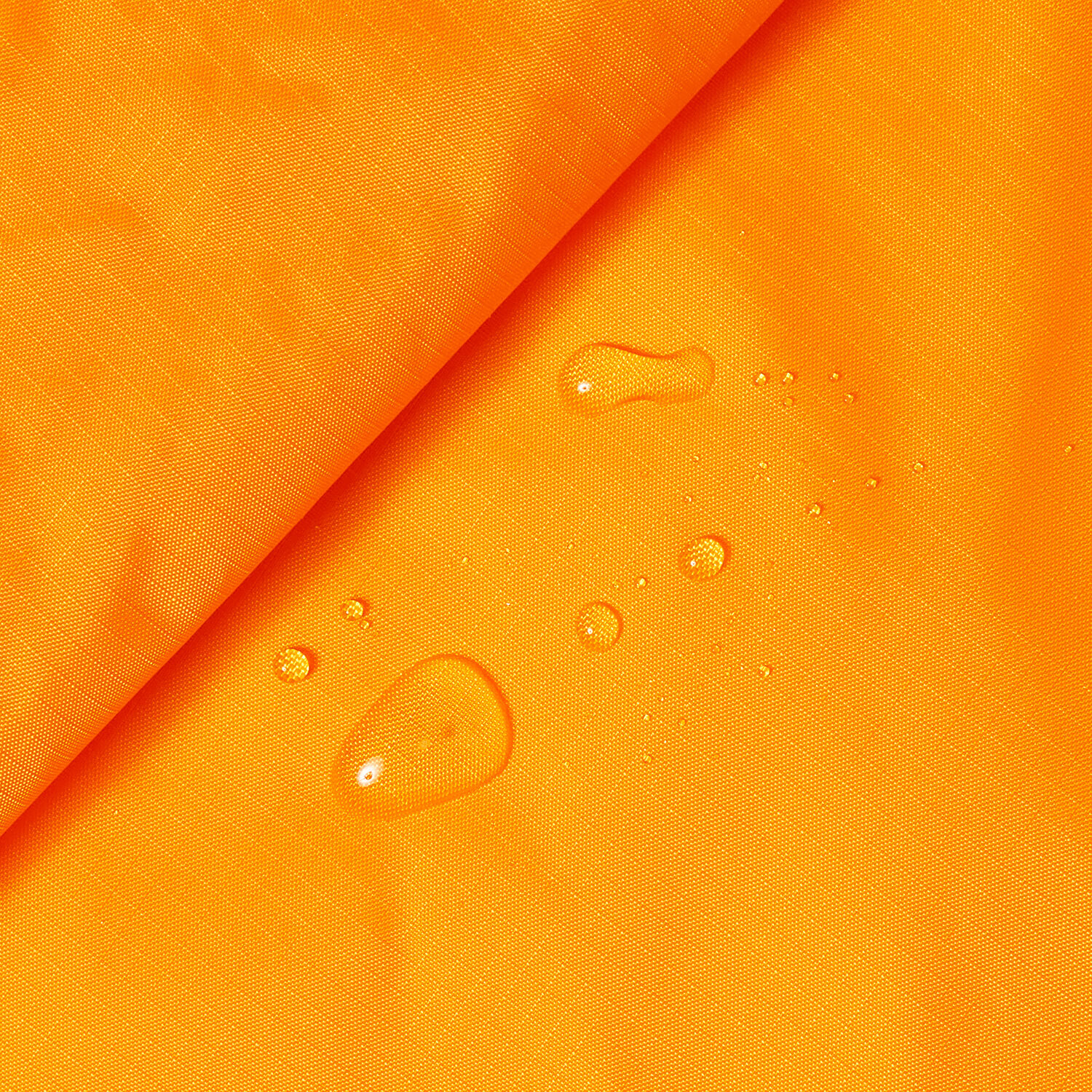
- Nylon ripstop is a lightweight woven grid fabric—usually 70D–210D—with a waterproof PU or silicone coating; ripstop squares stop tears from spreading under load.
- Neoprene is a closed-cell synthetic rubber sold at 2 mm–7 mm thicknesses; it is waterproof by volume and used for wetsuits, laptop sleeves, and padded bags.
- Hydrostatic head (mm) is the waterproofness benchmark: 1,500 mm resists light rain, 5,000 mm handles sustained rain, and 10,000 mm+ suits marine and heavy outdoor exposure.
Best use cases
- Boat covers, bimini tops, and outdoor furniture: choose vinyl marine fabric (anti-UV, non-peeling) at 1.0 mm+ thickness; skip lightweight ripstop, which abrades and UV-degrades faster in salt and sun.
- Camping tarps, backpack covers, and lightweight rain shells: choose 70D–210D ripstop nylon with PU coating; skip 2 mm neoprene, which is far too heavy and bulky for packable gear.
- Wetsuits, scuba accessories, and padded electronics sleeves: choose 2–7 mm neoprene; skip vinyl marine fabric, which stiffens in cold water and lacks the stretch needed for fit.
- Indoor table covers, tote bags, and light outdoor cushions: choose PU-coated polyester or ripstop; skip thick marine vinyl unless the item stays outdoors year-round.
Buying tips
- Match hydrostatic head to exposure: 1,500 mm for light rain, 5,000 mm for sustained rain, 10,000 mm+ for marine and heavy weather; higher ratings cost more and reduce breathability.
- For marine vinyl, insist on 1.0 mm+ thickness and anti-UV, non-peeling coating; thinner vinyl cracks at fold lines within a season of sun exposure.
- For ripstop nylon, pick 70D–210D denier: lower denier is lighter and packable, higher denier resists abrasion; PU coating is waterproof but heavier than silicone.
- Neoprene thickness follows use: 2 mm for sleeves and light padding, 3–5 mm for wetsuit tops and bags, 7 mm for cold-water suits; seams must be glued or blind-stitched to stay waterproof.
Specs
| Material Family | Vinyl / Ripstop Nylon / Neoprene / PU Polyester |
|---|---|
| Waterproof Rating | 1,500–10,000+ mm hydrostatic head |
| Thickness / Denier | Vinyl 1.0–1.5 mm; Nylon 70D–210D |
| Seam Treatment | Seam tape / weld / glue required |
Related searches
What to check before buying
- Measure the finished item and add 15–20% seam allowance and pattern repeat; vinyl and neoprene do not stretch like apparel fabric, so fit must be calculated flat.
- Confirm your sewing machine handles the material: vinyl and 3 mm+ neoprene need a walking foot or industrial machine, and neoprene requires a ballpoint or leather needle.
- Plan seam sealing: sewn waterproof fabric leaks at needle holes, so buy seam tape, seam grip, or plan welded seams for full waterproofness.
- Check UV and temperature exposure: marine vinyl resists UV and salt; ripstop nylon needs UV-stabilized coating for long sun exposure; neoprene stiffens in cold.
FAQ
Data sources: eBay / Amazon listings and product attribute feeds. Updated Nov 28, 2026.
Some links on this page are affiliate links. If you buy after clicking one, we may earn a commission at no extra cost to you. This does not change which products appear here or their order. Affiliate disclosure.