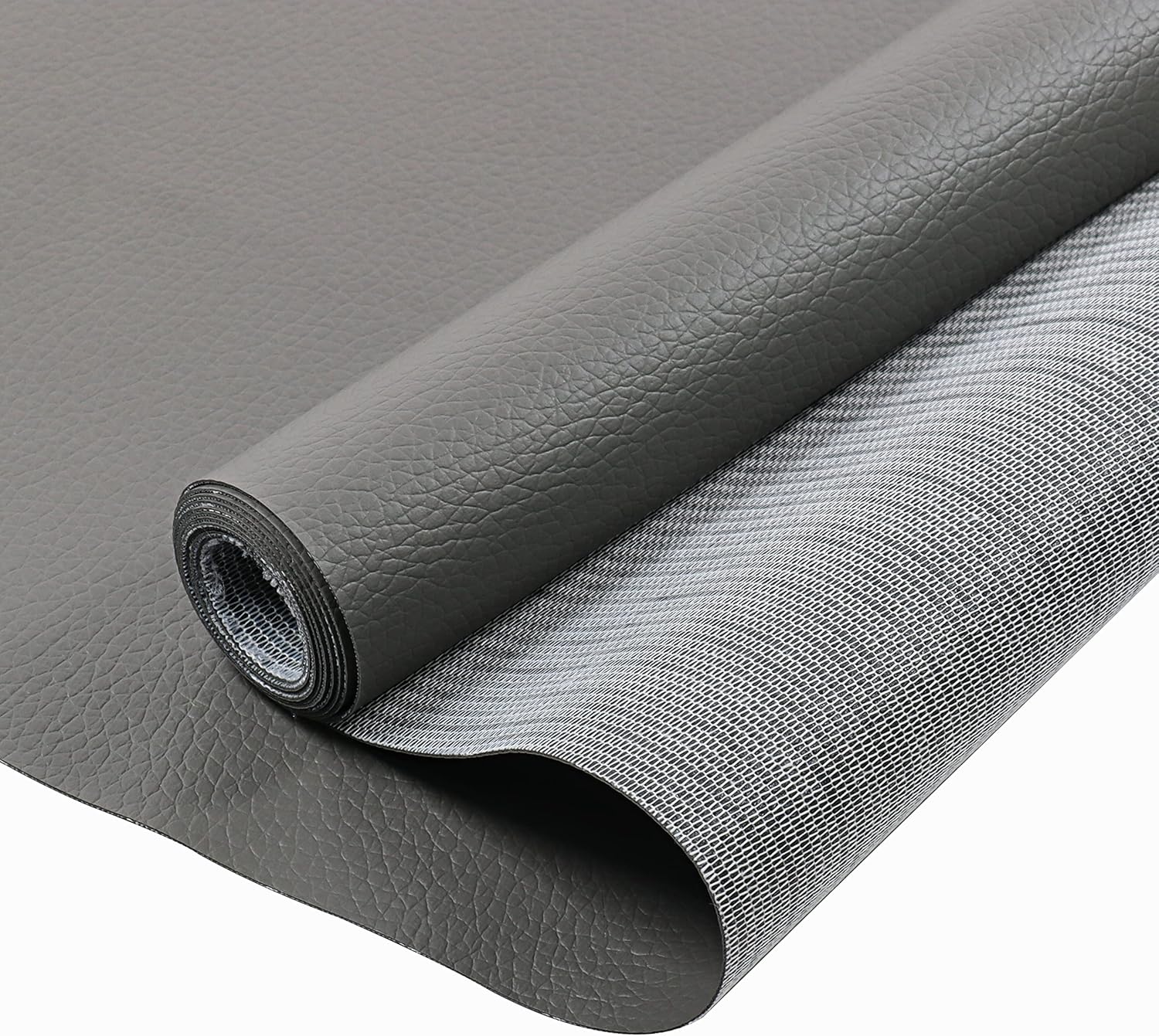

Photos from current listings. Actual item, color, and included accessories may vary.
Waterproof Upholstery Fabric Buying Guide
Waterproof upholstery fabric is a coated or laminated textile engineered to block liquid penetration while serving as a durable seating or structural cover. The primary trade-off is between waterproof performance (PVC vinyl, TPU laminate, or acrylic-coated canvas) and breathability plus hand-feel: fully waterproof barriers trap moisture and heat, while breathable outdoor fabrics resist rain but are not waterproof under pressure. The decision rule: choose PVC vinyl or TPU-laminated fabric for true liquid-blocking on boats, cars, and wipe-clean furniture; choose solution-dyed acrylic canvas for outdoor rain resistance where breathability matters more than full waterproofing.
Key takeaways
- PVC vinyl marine fabric is inherently waterproof (non-porous film) and typically 0.6–1.2 mm thick; thickness above 0.9 mm resists punctures and seam pull-out better on boat seats and high-traffic sofas.
- Anti-UV additives in marine-grade vinyl resist yellowing and cracking under 500+ hours QUV exposure; non-UV-stabilized vinyl embrittles and peels within 1–2 seasons outdoors.
- TPU-laminated woven fabric is waterproof and flexible but breathable only in microporous grades; non-porous TPU traps condensation against foam, so use open-cell foam or ventilation channels.
At a glance
- Category
- Fabrics & Thread
- Last updated
- Nov 28, 2026
Current offers
Highlights
- PVC vinyl marine fabric is inherently waterproof (non-porous film) and typically 0.6–1.2 mm thick; thickness above 0.9 mm resists punctures and seam pull-out better on boat seats and high-traffic sofas.
- Anti-UV additives in marine-grade vinyl resist yellowing and cracking under 500+ hours QUV exposure; non-UV-stabilized vinyl embrittles and peels within 1–2 seasons outdoors.
- TPU-laminated woven fabric is waterproof and flexible but breathable only in microporous grades; non-porous TPU traps condensation against foam, so use open-cell foam or ventilation channels.
- Solution-dyed acrylic canvas (e.g., Sunbrella-type) is water-repellent but not waterproof under standing water or seam pressure; seams require seam sealer or welded construction for true waterproofing.
Best use cases
- Boat and marine seating: pick PVC vinyl at 0.9 mm+ with anti-UV and mildew-resistant backing; skip breathable acrylic canvas for seat cushions where splash and spray are constant.
- Car and RV interior upholstery: choose flexible 0.6–0.8 mm vinyl or TPU laminate for conformability over contoured foam; avoid thick 1.2 mm vinyl on tight curves where it wrinkles and lifts at seams.
- Indoor wipe-clean furniture (kids, pets, dining): TPU-laminated fabric gives a softer hand-feel than PVC and is waterproof; skip untreated linen or cotton blends that stain permanently.
- Outdoor patio cushions under a roof: solution-dyed acrylic canvas is the right breathable choice; skip PVC vinyl on open sunny patios where surface heat and condensation make seating uncomfortable.
Buying tips
- Match thickness to abrasion: 0.6–0.8 mm vinyl for light indoor seating, 0.9–1.2 mm for marine and automotive high-wear; below 0.5 mm vinyl tears at stitch holes under load.
- Confirm waterproof vs water-repellent: only PVC film, TPU laminate, or welded/sealed seams block liquid under pressure; acrylic canvas sheds rain but wicks through seams and puddles.
- Check backing: knitted polyester backing stretches and conforms to curves; non-woven or foam backing adds bulk but can delaminate in heat—avoid foam-backed vinyl for sun-exposed marine use.
- For outdoor UV exposure, require UV-stabilized vinyl or solution-dyed acrylic; standard indoor vinyl cracks and chalks within one summer of direct sun.
Specs
| Waterproof Barrier | PVC film / TPU laminate / acrylic canvas |
|---|---|
| Thickness Range | 0.6–1.2 mm vinyl; canvas 300–600 gsm |
| UV Resistance | UV-stabilized marine grade vs standard |
| Seam Treatment | Sealed/welded vs stitched only |
Related searches
What to check before buying
- Measure seat cushion dimensions and seam allowances: order width matching cushion depth plus 100–150 mm wrap for stapling or sewing; 137 cm-wide vinyl covers most sofa and boat bench panels without seams.
- Confirm substrate compatibility: vinyl and TPU laminate bond to polyurethane foam with spray adhesive; bare foam under non-breathable vinyl needs a ventilation path or moisture barrier to prevent mildew.
- Check climate and exposure: full sun and salt spray demand UV-stabilized marine vinyl or solution-dyed acrylic; indoor climate-controlled rooms tolerate standard vinyl and TPU laminate.
- Verify sewing and tools: vinyl requires a walking-foot machine, 16–18 gauge needles, and bonded polyester thread; a standard household machine skips stitches on 0.9 mm+ vinyl.
FAQ
Data sources: eBay / Amazon listings and product attribute feeds. Updated Nov 28, 2026.
Some links on this page are affiliate links. If you buy after clicking one, we may earn a commission at no extra cost to you. This does not change which products appear here or their order. Affiliate disclosure.