Choosing ceramic glazes & colors often comes down to a basic tension: do you want one finished glaze shade you can brush onto pottery, or a set of color pigments to work into several ceramic materials? AMACO PC-27 Tourmaline and Ceramic Stains take those different routes. The practical choice is whether your project needs a focused glossy glaze or a broader color-making toolkit.
Quick verdict
Pick AMACO PC-27 Tourmaline for a single, ready-to-brush glaze color with a glossy finish and a lower listed price. It is priced at $18.00, which is $47.99 less than Ceramic Stains at $65.99.
Choose Ceramic Stains 60g Each Color when variety and material flexibility matter more than a finished glaze shade. Its 12-color pigment format is designed for use with clay, slip, glazes, and underglazes.
At a glance
| Product | Listed price | Format | Best fit |
|---|---|---|---|
| AMACO PC-27 Tourmaline | $18.00 | 1 pint; brush-on glaze; glossy finish | One named glaze color |
| Ceramic Stains 60g Each Color | $65.99 | 60g per color; 12 colors; water-based pigment powder | Mixing color into clay, slip, glazes, or underglazes |
Where each product wins
AMACO wins when the desired outcome is a single named glaze shade with a glossy finish. The product is identified as a lead-free stoneware high-fire glaze, and its description calls out brush-on use plus layering and combining.
Ceramic Stains wins when you need color across clay, slip, glazes, and underglazes. The water-based pigment powder is sold as 12 colors, each 60g, giving makers several ways to incorporate color. That is a format distinction, not a claim that one firing result is superior.
Product notes
AMACO PC-27 Tourmaline
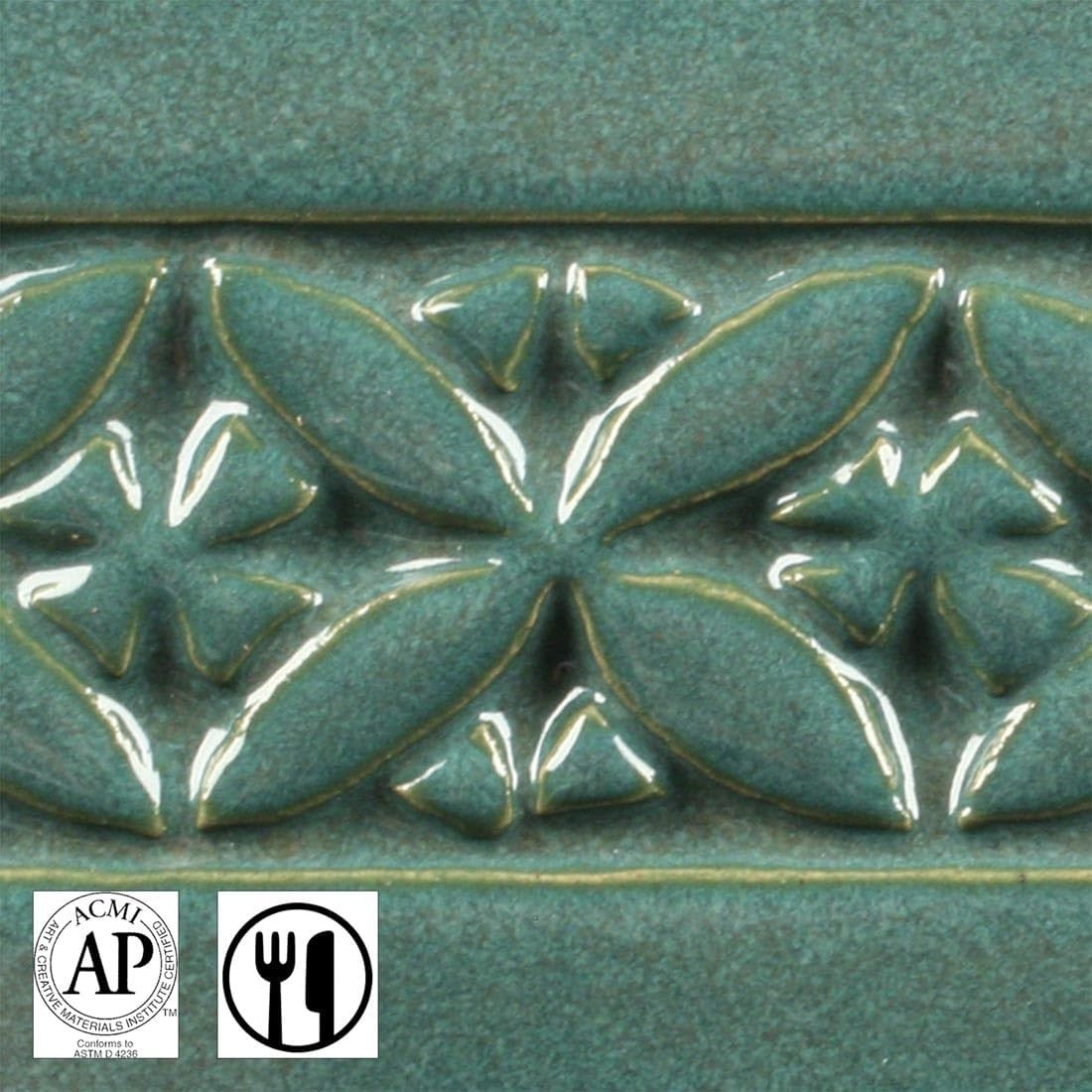
AMACO PC-27 Tourmaline is the focused choice for a project built around one named pottery glaze color. Its description specifies a glossy finish and identifies the product as a lead-free stoneware high-fire glaze, while also describing brush-on application for layering and combining. Those details make it a natural match for someone who already knows the shade they want and prefers a finished glaze product rather than loose pigment. The limitation is range within this purchase: the named color is PC-27 Tourmaline, so it is not the 12-color assortment represented by Ceramic Stains. The pint format is another defined part of this single-color glaze purchase.
Ceramic Stains 60g Each Color
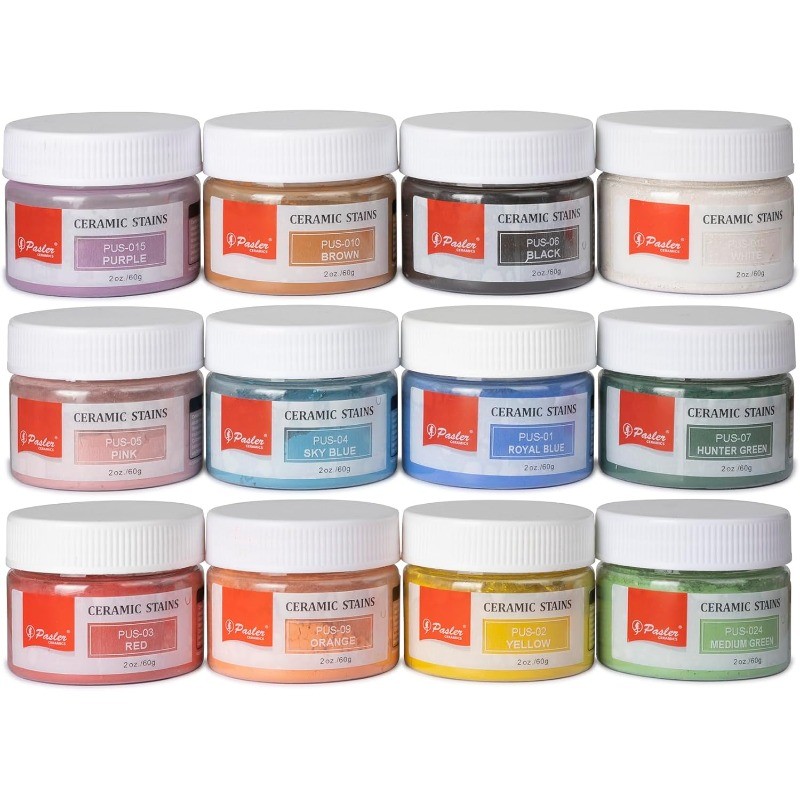
Ceramic Stains 60g Each Color is the better fit for pottery glaze colors that need to move between materials. The description identifies a 12-color set of water-based pigment powder and names clay, clay slip, glazes, and underglazes as uses. That gives a maker multiple routes for building or adjusting color, including ceramic underglaze work, instead of centering the purchase on one finished shade. The trade-off is the preparation format: these are pigment powders for making or mixing, not the brush-on glaze described for AMACO PC-27 Tourmaline. If the project calls for one glossy glaze color, this broader format may add steps rather than simplify the job.
Final choice by use case
- For one focused glossy glaze color: Choose AMACO PC-27 Tourmaline. The named PC-27 Tourmaline shade, lead-free designation, stoneware high-fire description, and brush-on application all point toward a direct glaze workflow.
- For a palette that can cross ceramic materials: Choose Ceramic Stains 60g Each Color. The 12 colors and stated uses with clay, slip, glazes, and underglazes make it the more suitable format for color mixing and experimentation.
- For the simplest decision: AMACO is the clearer match when you already want Tourmaline in a finished glaze. Ceramic Stains is the stronger fit when choosing the color system matters more than buying one ready-to-brush shade.