Choosing ceramic glazes & colors can feel like a choice between a ready-made finish and a broader color system. AMACO PC-27 Tourmaline and Degussa Pottery Pigments, Stains & Underglaze Colors serve different creative briefs: one is centered on a named glaze color, while the other is a pigment-and-stain material with 36 colors. The fastest way to decide is to start with the surface you want and then match the application format.
Quick verdict
AMACO PC-27 Tourmaline is the focused pick for a project built around one named glossy glaze color. Degussa Pottery Pigments is the stronger fit for a palette-driven project where pigment use and color variety matter. At $18.00 versus $68.99, the absolute price difference is $50.99. That makes AMACO the lower-priced choice in this head-to-head, but price alone should not decide if a powder pigment format is what your project needs.
Compact comparison
| Product | Listed price | Glaze type | Key distinction |
|---|---|---|---|
| AMACO PC-27 Tourmaline | $18.00 | Stoneware Glaze | Glossy finish and named Tourmaline color |
| Degussa Pottery Pigments | $68.99 | Stains & Color | Powder material with 36 pigment colors |
Where each product wins
AMACO wins for a defined finish path. PC-27 Tourmaline names the color, and glossy brush-on use gives a direct route for a project where the glaze layer provides the finished look. Layering and combining are also named applications, making it a sensible choice for a potter planning the surface around one glaze.
Degussa wins for color-led flexibility. Its 36-color range can be applied to earthenware, greenware, or bisque, then left unglazed or covered with a clear transparent or gloss glaze. Those choices suit work where color application and final surface treatment are separate decisions. The trade-off is a powder pigment rather than a ready-made glossy glaze, so it is not the direct route to the PC-27 Tourmaline result.
Product notes
AMACO PC-27 Tourmaline High Fire Glaze
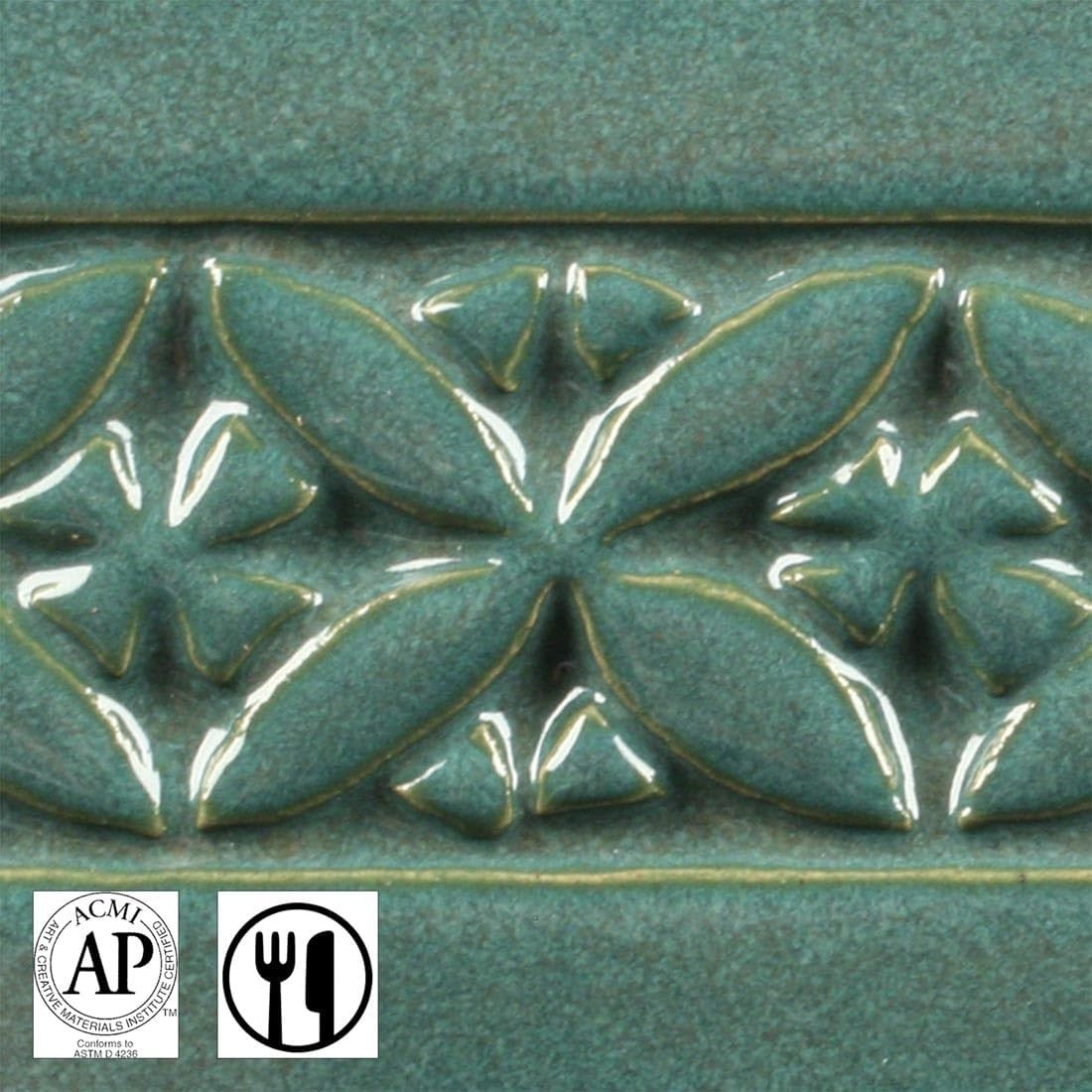
AMACO PC-27 Tourmaline makes sense when the target is a defined color and a glossy glaze surface. The named Tourmaline shade gives the project a clear visual starting point, while layering and combining are identified uses for the material. The 1-pint size keeps the purchase centered on one glaze rather than a collection of colorants. Its limitation is focus: the choice is one named stoneware glaze, not a 36-color pigment system. It also is not the powder format used for pigment-style work. Choose AMACO when PC-27 Tourmaline and a brush-on glaze process match the project; choose Degussa when a broader color palette is more important.
Degussa Pottery Pigments, Stains & Underglaze Colors
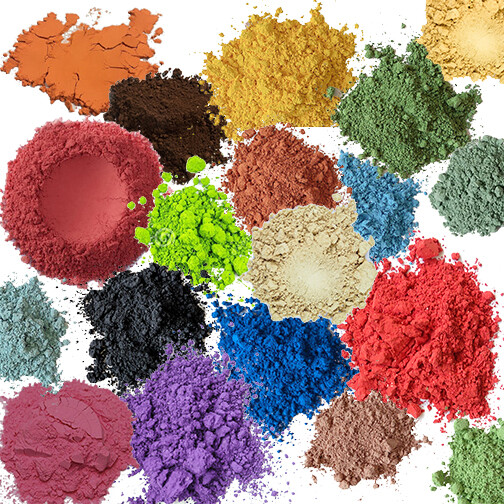
Degussa Pottery Pigments, Stains & Underglaze Colors is aimed at a different workflow. The powder material is offered in 36 colors and can be used on earthenware, greenware, or bisque. Color can remain unglazed or be followed by a clear transparent or gloss glaze, which is useful when the maker wants separate control over color and surface. The limitation is format: it is pigment material, not a ready-made glossy glaze in a pint container, and the amount is 13 oz. Choose it for ceramic underglaze-style work or a multi-color palette; choose AMACO when the desired endpoint is the named PC-27 Tourmaline glaze.
Final choice by use case
- Choose AMACO PC-27 Tourmaline for a single-color project where glossy, brush-on glaze is the central requirement.
- Choose Degussa Pottery Pigments, Stains & Underglaze Colors for ceramic underglaze-style work, a 36-color selection, or pieces moving through earthenware, greenware, or bisque.
- If the choice is still close, decide by format first: AMACO is the named stoneware glaze; Degussa is the powder stain-and-color material. The right ceramic glazes & colors purchase is the one that matches how you plan to apply color, not simply the one with the lower price.