Choosing among knitting & crochet patterns often comes down to a practical fork: do you want a knitting book that builds skills through one connected project, or a crochet format that encourages flexible combinations? Building Blocks Knitting Book by Michelle Hunter and The Granny Square Card Deck take very different approaches, so the right choice depends more on your craft and project style than on price alone.
Quick verdict
Choose Building Blocks Knitting Book by Michelle Hunter if you are a beginning knitter or want a portable project that introduces several knitting techniques before bringing the pieces together. Choose The Granny Square Card Deck if you crochet and want a creative, mix-and-match pattern format with many design directions. The listed price difference is $11.74, making the craft and format distinction especially important when deciding between them.
At a glance
| Pattern resource | Listed price | Craft and format | Main emphasis |
|---|---|---|---|
| Building Blocks Knitting Book | USD 19.99 | Knitting book | Squares, cables, lace, and seaming |
| The Granny Square Card Deck | USD 8.25 | Crochet card deck | 50 mix-and-match design and crochet patterns |
Where each product wins
- Building Blocks Knitting Book wins for structured knitting practice. Its project-led approach moves from individual squares toward a finished throw, giving the book a clear destination rather than a collection of unrelated patterns.
- The Granny Square Card Deck wins for crochet variety and creative control. Its 50-pattern concept is designed around mixing, matching, and exploring different themes instead of following one fixed project path.
Product notes
Building Blocks Knitting Book by Michelle Hunter
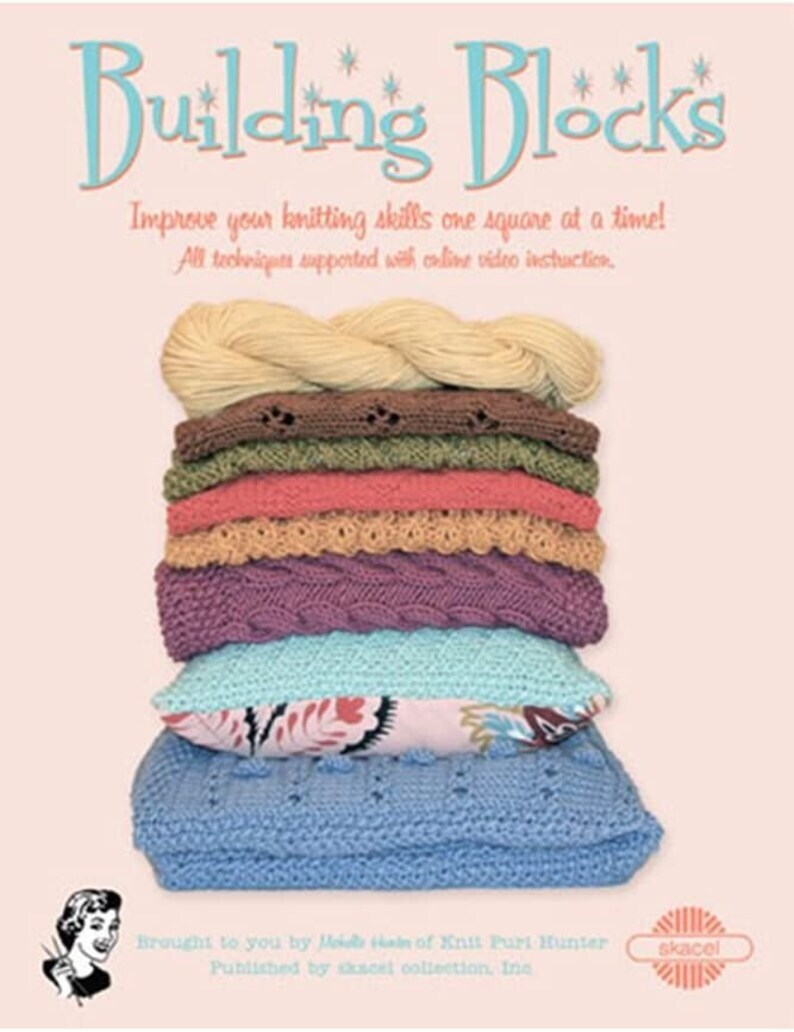
Building Blocks is a strong fit for beginning knitters who want their pattern resource to teach as they go. The book uses squares to expand knitting knowledge, then introduces cables, lace, and other techniques before explaining how to seam the blocks into a throw. That combination gives the project a defined finish while still offering several skills to practice along the way. Its portable-project positioning also suits knitters who prefer work they can take with them. The limitation is its focused craft and outcome: the listed technique is knitting, and the featured project is a seamed throw. Someone seeking crochet motifs or a loose collection of interchangeable designs will find the book less aligned with that goal.
The Granny Square Card Deck
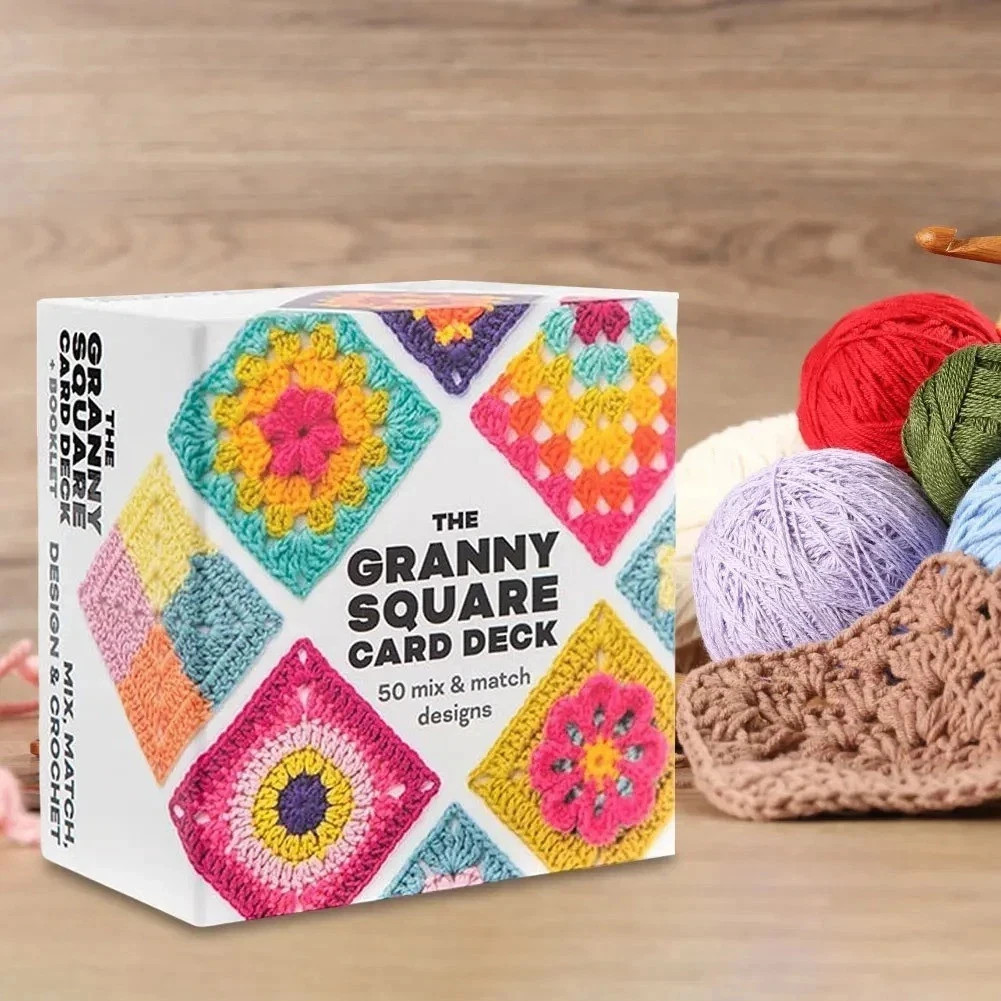
The Granny Square Card Deck suits crocheters who want pattern inspiration to feel exploratory rather than sequential. Its 50 mix-and-match, design, and crochet patterns provide a concrete reason to choose it when combining motifs or browsing creative themes is more appealing than working through a knitting lesson. The card-deck format also makes the resource distinct from a conventional book, with the emphasis placed on generating different project ideas. Its limitation is that its craft focus is crochet, so it does not serve the shopper specifically looking for knitting instruction. It is also centered on granny-square design, making Building Blocks the more relevant choice for someone whose priority is learning knitting techniques through a single throw project.
Final choice by use case
- For a beginning knitter: Choose Building Blocks Knitting Book by Michelle Hunter for its square-based learning path and finished-throw direction.
- For a crochet-focused design session: Choose The Granny Square Card Deck for its mix-and-match pattern approach.
- For a portable knitting project: Building Blocks is the direct match because the description specifically identifies a portable project for knitters.
- For the lower listed price: The Granny Square Card Deck is priced at USD 8.25, compared with USD 19.99 for Building Blocks.
The simplest decision is craft first, then format. Building Blocks is for knitting skill development with a defined project outcome; The Granny Square Card Deck is for crochet experimentation across varied design combinations.
Products in this article
Prices and offers confirmed at review time; verify current details on merchant pages.