When shopping for EVA foam, thermoplastics & tools, the main choice is whether you need easy-cut padding or a heat-shaped sheet for more sculpted costume work. The four materials split into one EPDM foam rubber roll and three Worbla thermoplastics, so matching the material to the job matters more than treating every sheet as interchangeable.
Quick take
Start with the Sponge Foam Rubber Sheet Roll for the foam-rubber route. Start with Worbla for moldable thermoplastic work, then use the product names to narrow the choice: Black Art 2.0, Finest Art, and TranspArt. The notes below separate their different shaping, layering, detail, and finishing workflows.
Listed price comparison
| Product | Listed price | Price bar |
|---|---|---|
| Worbla Black Art 2.0 Thermoplastic | USD 81.00 | |
| Worbla Finest Art Thermoplastic | USD 84.00 | |
| Worbla TranspArt Thermoplastic | USD 78.00 | |
| Sponge Foam Rubber Sheet Roll | USD 25.99 |
Decision matrix
- Material family: The Sponge Foam Rubber Sheet Roll is closed-cell EPDM sponge foam; each Worbla choice is a thermoplastic sheet.
- Format: All three Worbla choices list a half sheet measuring 39.25 × 29.5 inches. The Sponge entry lists a 1/4-inch × 17-inch × 80-inch roll.
- Price position: The Worbla sheets range from $78 to $84, while the Sponge roll is $25.99.
- Workflow screen: Choose by the physical task: cut-and-pad work points to Sponge, while heat-shaped construction points to Worbla.
Product notes
Worbla Black Art 2.0 Thermoplastic
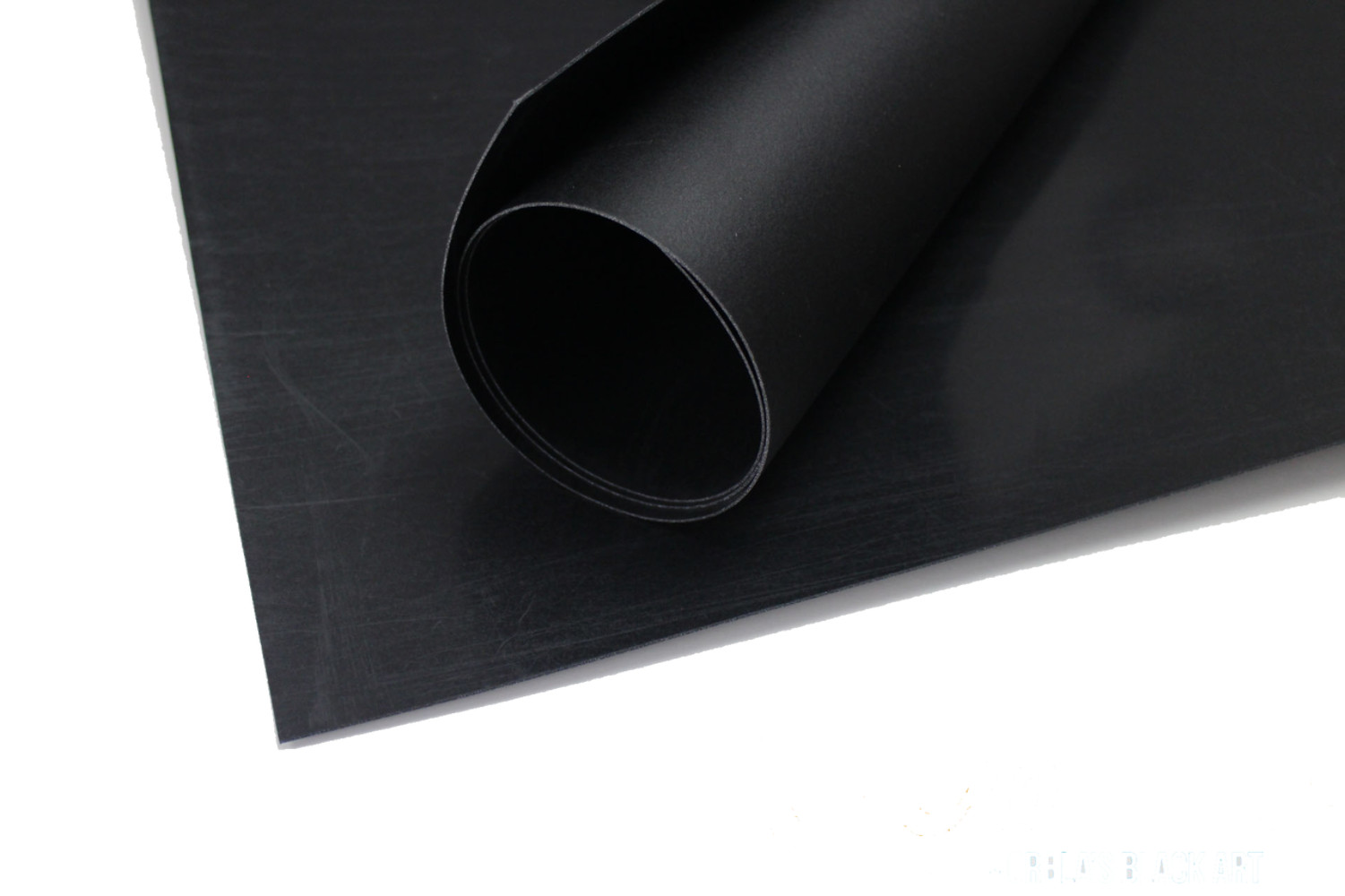
With its smoother texture and less adhesive surface, Worbla Black Art 2.0 suits fine-detail sculpting and editing work in progress. It can take complex curves without a vacuform, can be activated with hot air, water, or steam, and allows scraps to be re-blended into a putty-like material. Those properties make it a practical route for detailed costume builds and reusable offcuts. The limitation is the less-adhesive behavior: it is not the glue-side layering route associated with Worbla Finest Art. Its black color also gives the finished piece a defined starting point, which may not suit a project built around another visible color.
Worbla Finest Art Thermoplastic
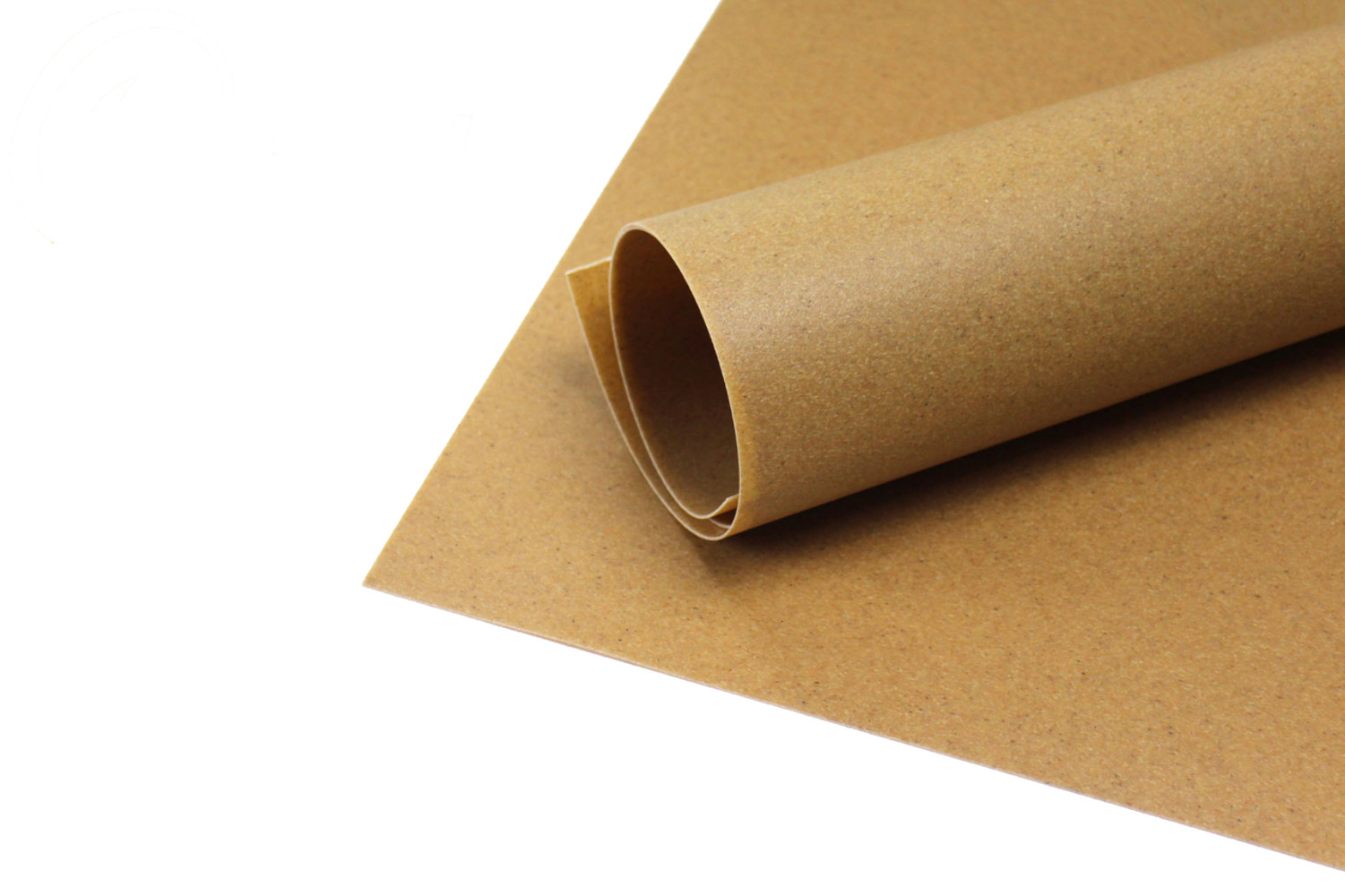
Choose Worbla Finest Art when joining layers is central. One side acts as the glue side for combining it with other sheets, foam, fabric, or other materials. It can be shaped with hot air, water, or steam, then cools and hardens so the form can be sanded and painted. Scraps can be blended and used like clay or putty, which is useful for pattern-heavy work. The limitation is its brown color and half-sheet format: either may constrain a color-specific finish or a plan requiring a larger single panel. It is a direct route for adhesive layering, but not for a project that needs a clear sheet.
Worbla TranspArt Thermoplastic
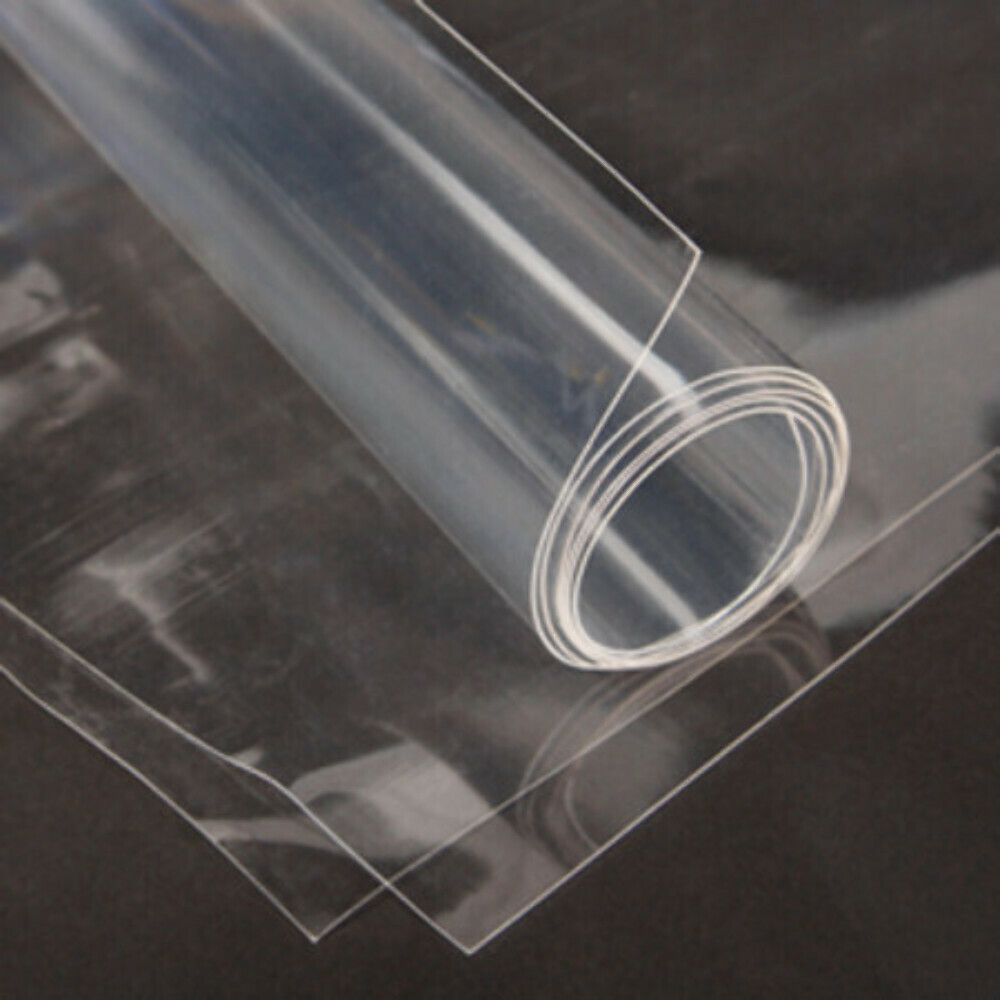
With its clear color, Worbla TranspArt gives a concrete reason to choose it for transparent costume elements, semi-opaque effects, or LED-backed stones. It can be reactivated as often as needed and cast into molds, while spray-paint, thermal foil, and polyester dyes are listed finishing routes. The limitation is a more specific heating procedure: TranspArt should reach 120°C (250°F), and work gloves with rubberized fingers are recommended. That makes the handling workflow more deliberate than selecting a sheet for general sculpting. Choose it when the visual effect depends on transparency or mold casting.
Sponge Foam Rubber Sheet Roll
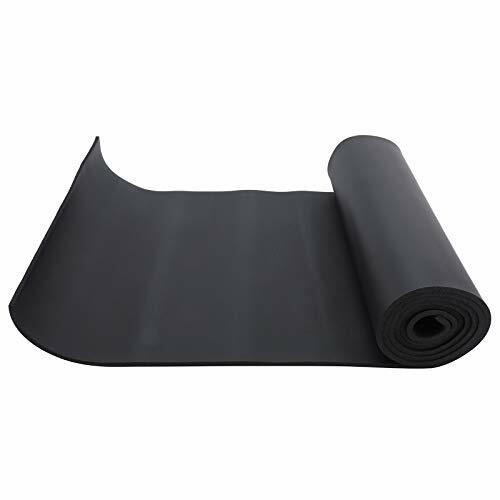
The Sponge Foam Rubber Sheet Roll fits padding, props, costumes, and craft pieces that can be cut with scissors or a cutter. Its closed-cell EPDM sponge foam is waterproof and non-absorbent, giving it a clear role in rubber padding, sealing, and sound-deadening work. The limitation is material behavior: it is foam rubber sheet stock rather than a heat-activated thermoplastic that cools into a hardened shape. The roll format also calls for a different pattern layout from the Worbla half sheets. Choose it when the project prioritizes cut-to-shape padding over molded thermoplastic detail.
Final recommendation by use case
- Fine-detail sculpting and editing: Worbla Black Art 2.0, because it combines a smoother texture and less adhesive behavior with fine-detail and work-in-progress editing uses.
- Layered construction: Worbla Finest Art, because the glue side is intended for joining sheets, foam, and fabric.
- Transparent or LED-backed elements: Worbla TranspArt, the clear thermoplastic choice with mold-casting support.
- Padding and cut-to-shape props: Sponge Foam Rubber Sheet Roll, whose EPDM sheet format and scissors-or-cutter workflow fit that task.
The simplest decision is material-first. Use the Sponge roll when the job is padding or cut sheet work. Use Worbla when the project calls for a moldable thermoplastic, then let the needed finish or construction method decide among Black Art 2.0, Finest Art, and TranspArt. That keeps the choice tied to the actual costume task instead of treating the four materials as interchangeable.