Choosing leather hides & panels comes down to matching the material format to the project. A sheet designed for general craft work can make more sense for wallets, belts, or upholstery, while a vegetable-tanned, heavy-thickness format is aimed at more specialized tooling techniques. The useful question is not which one is universally better, but which specification fits the work you actually plan to do.
Quick verdict
Choose Full Grain Buff Leather Sheet-Premium Craft Leather for Tooling, Upholstery if you want a defined craft sheet at USD 16.99, with tooling and upholstery among its named uses. Choose Veg Tan Full Grain Leather 13/15 Oz. (5.2-6mm) Heavy Thickness Pre-Cut 6" to if vegetable tanning, heavy thickness, and pre-cut tooling pieces matter more; it is listed at USD 269.98. The absolute price gap is USD 252.99, so the format and intended technique should justify the difference for your project.
Comparison at a glance
| Product | Listed price | Key attributes | Best-known project fit |
|---|---|---|---|
| Full Grain Buff Leather Sheet | USD 16.99 | Buffalo; brown; 12 x 8 inches; 2 mm; buffed | Tooling and upholstery |
| Veg Tan Full Grain Leather | USD 269.98 | Cow; beige; vegetable tanned; 13/15 oz (5.2-6 mm); pre-cut pieces | Skirting, stamping, embossing, engraving, water molding, and dyeing |
Where each product wins
- Full Grain Buff Leather Sheet wins when the goal is a brown buffalo sheet with a clearly stated craft-oriented format. Its title connects it directly with tooling and upholstery, while the product description also names wallets and belts.
- Veg Tan Full Grain Leather wins when the work centers on processes such as stamping, embossing, engraving, water molding, or dyeing. Its vegetable-tanned tooling format and pre-cut-piece presentation are more closely aligned with those specific applications.
Product notes
Full Grain Buff Leather Sheet-Premium Craft Leather for Tooling, Upholstery
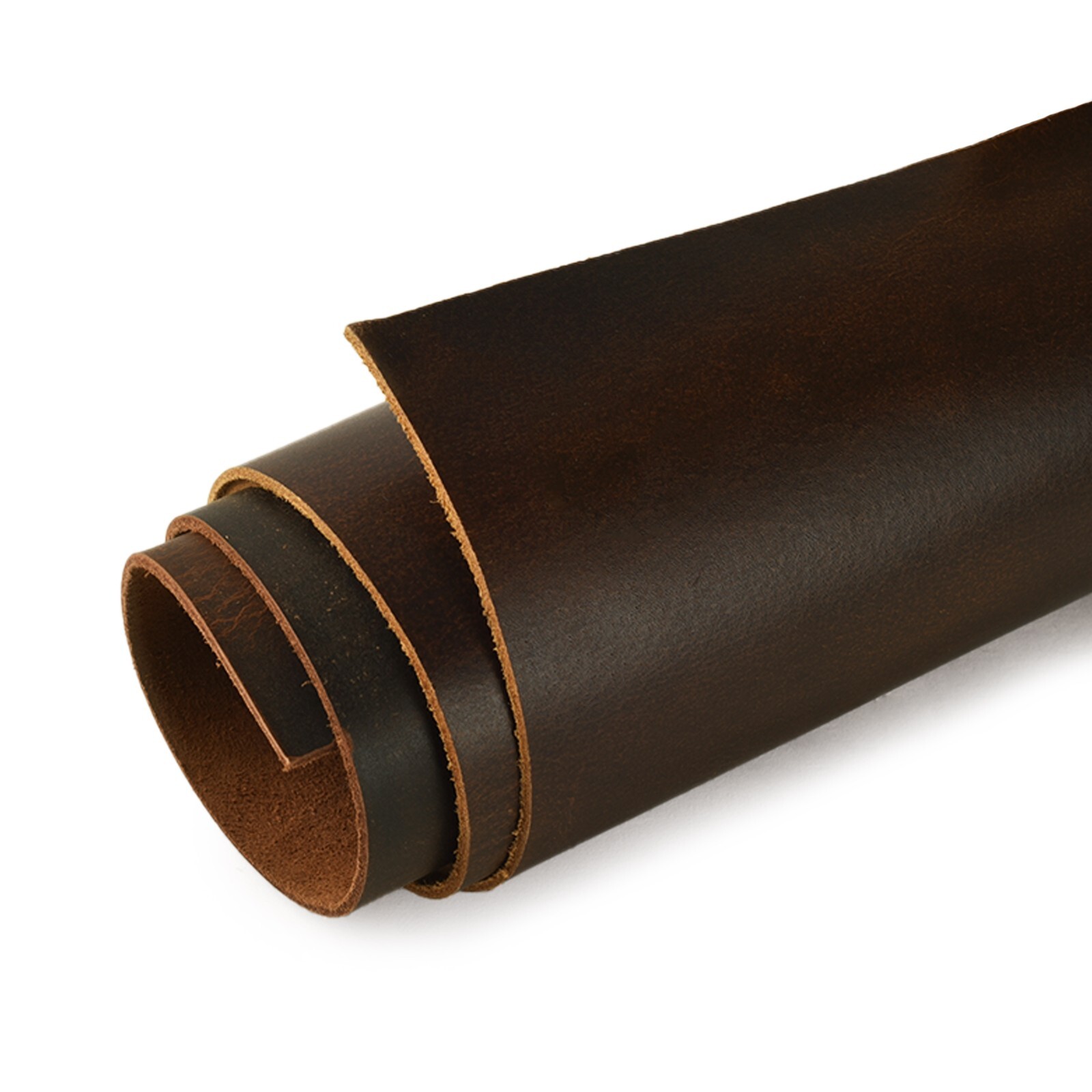
A practical reason to choose this sheet is its broad project wording: wallets, belts, tooling, and upholstery are all connected with the product, giving it a straightforward role in general leather crafting. The buffalo source, brown color, full-grain wording, and buffed finish also make the starting material clearly defined. The main limitation is the specified format: 12 x 8 inches at 2 mm, which is a distinct sheet specification rather than the heavier pre-cut format offered by its rival. Choose it when a compact craft sheet fits the pattern or project, and when the named tooling or upholstery applications are relevant. It is less aligned with work that specifically calls for vegetable tanning or a 13/15 oz specification.
Veg Tan Full Grain Leather 13/15 Oz. (5.2-6mm) Heavy Thickness Pre-Cut 6" to
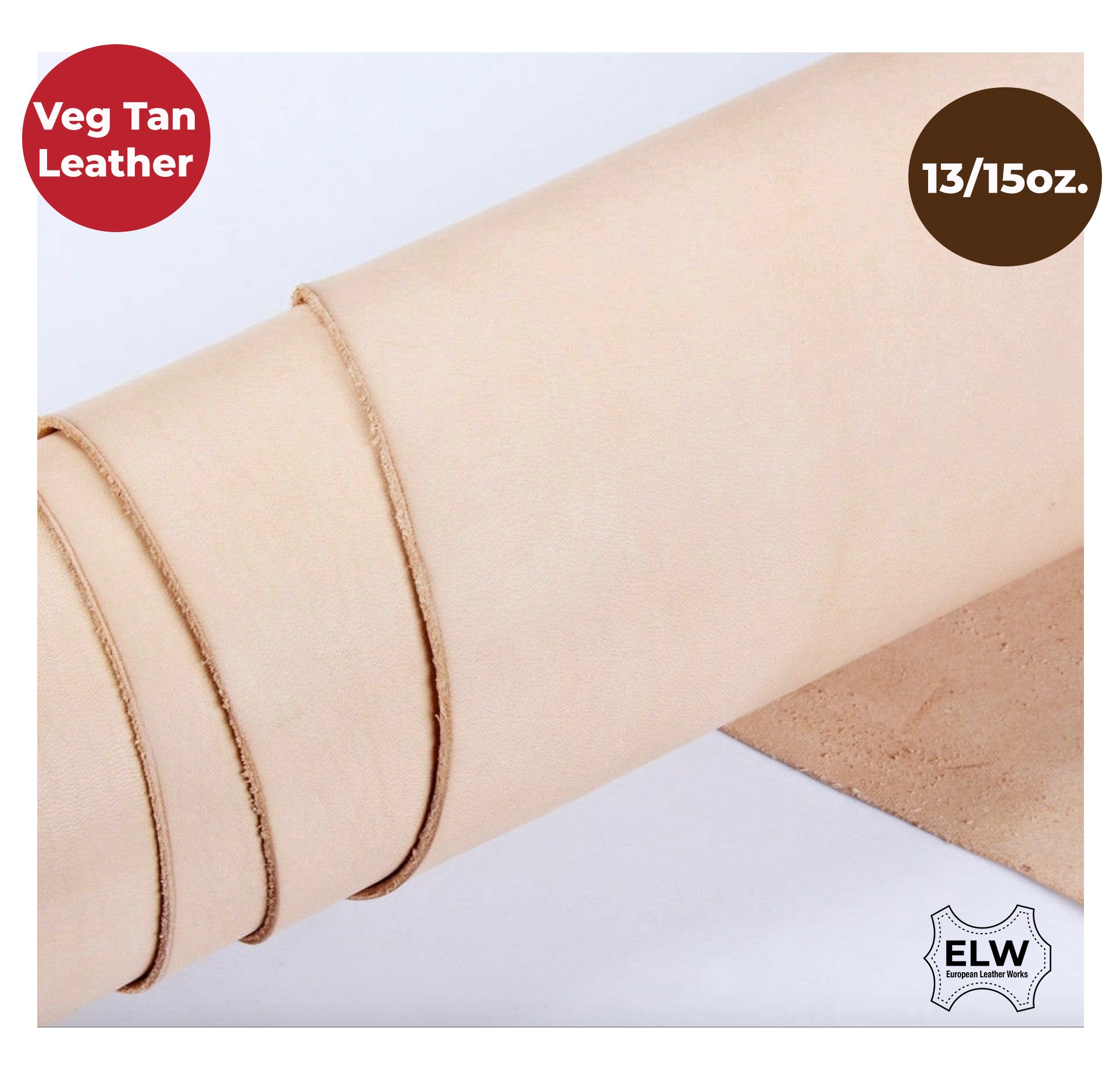
The case for this cowhide option is its process and technique range. It is vegetable tanned, full grain, and associated with skirting, tooling, stamping, embossing, engraving, water molding, and dyeing. The pre-cut-piece format is useful when a project calls for a defined cut rather than a general sheet, and the 13/15 oz (5.2-6 mm) heavy-thickness wording gives the material a specific starting specification. Surface behavior is the main caveat: pushing the epidermis can produce discoloration, while the surface is prone to scratches and crease discoloration. Choose it when those tooling processes and the pre-cut format fit the work; choose its rival when a more compact craft sheet is the closer match.
Final choice by use case
- For wallets, belts, or upholstery: Choose Full Grain Buff Leather Sheet-Premium Craft Leather for Tooling, Upholstery because those uses are directly associated with its sheet format.
- For skirting, stamping, embossing, engraving, water molding, or dyeing: Choose Veg Tan Full Grain Leather 13/15 Oz. (5.2-6mm) Heavy Thickness Pre-Cut 6" to because those techniques are specifically tied to its tooling-oriented format.
- For a compact, clearly defined craft sheet: The buffalo option is the direct match, with its 12 x 8-inch sheet specification.
- For a vegetable-tanned tooling project: The cowhide option is the more relevant choice, provided its surface characteristics suit the intended finish.