Choosing among yarn winders & project bags can mean choosing between two very different ways to work: a compact tool you can carry, or a stand intended for a dedicated craft area. The useful question is whether your routine calls for portability and a lower price or for a vintage stand with an adjustable winding setup. The Manual Yarn Ball Winder and Vintage Wool Winder Stand land on opposite sides of that decision, so the comparison below focuses on format, operation, and the specific materials and uses associated with each.
Quick verdict
The Manual Yarn Ball Winder is the practical choice for a portable setup and is priced at USD 18.99. The Vintage Wool Winder Stand is for someone who specifically wants a vintage stand format and is priced at USD 600.00. The absolute price spread is $581.01, making this a major choice between two different purchase priorities rather than a close price comparison. Choose the manual tool for a compact, direct routine; choose the stand when its vintage form and adjustable winding setup are central to the purchase.
Comparison at a glance
| Comparison point | Manual Yarn Ball Winder | Vintage Wool Winder Stand |
|---|---|---|
| Listed price | USD 18.99 | USD 600.00 |
| Winding setup | Hand crank and battery-free | Adjustable swift |
| Format | Lightweight, compact, portable | Vintage winder stand |
| Condition | New | Used |
Where each product wins
- Manual Yarn Ball Winder wins for broad craft coverage. Its compatibility includes wool, cotton, acrylic, and blends, while its function spans knitting, crocheting, weaving, sewing, and DIY crafts. That makes it the better match when one tool needs to serve several kinds of projects.
- Vintage Wool Winder Stand wins for an oak-centered vintage brief. Its oak construction and vintage designation give it a specific role in a workspace where the stand itself is part of the purchase, rather than simply a means of winding yarn.
Product notes
Manual Yarn Ball Winder
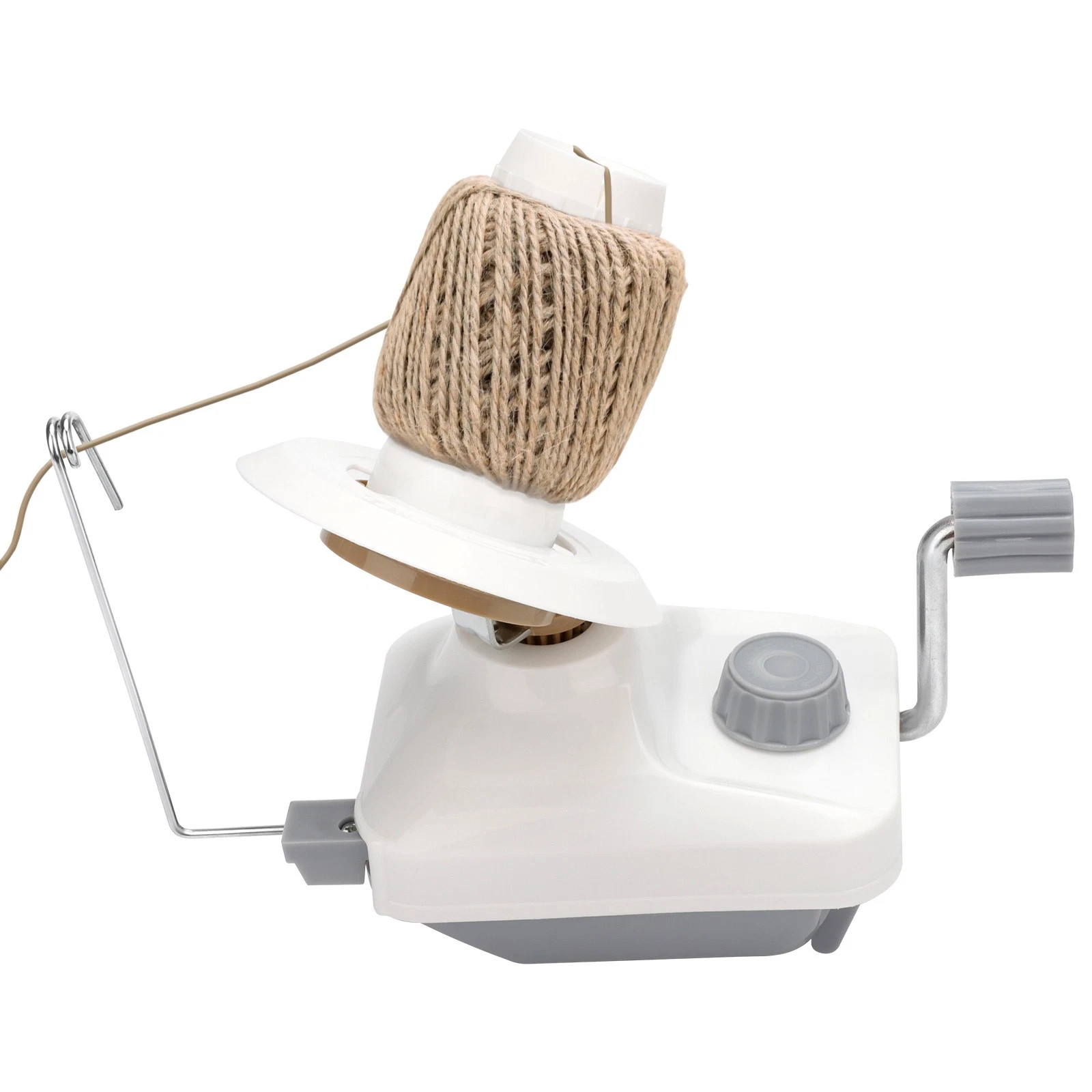
The Manual Yarn Ball Winder makes sense for a crafter who wants one compact tool across several types of work. Its non-slip suction base is the clearest reason to choose it: the base keeps the winder firmly in place while winding. Its materials are plastic and stainless steel, and its dimensions are 16.9 × 16.9 × 12 cm. The concrete limitation is operation: this is a hand-crank, battery-free design, so it calls for manual winding rather than powered operation. That tradeoff suits shoppers who prioritize portability and a small footprint over an automated setup. The combination of suction stability and a carryable form also works well for a home or travel craft routine.
Vintage Wool Winder Stand
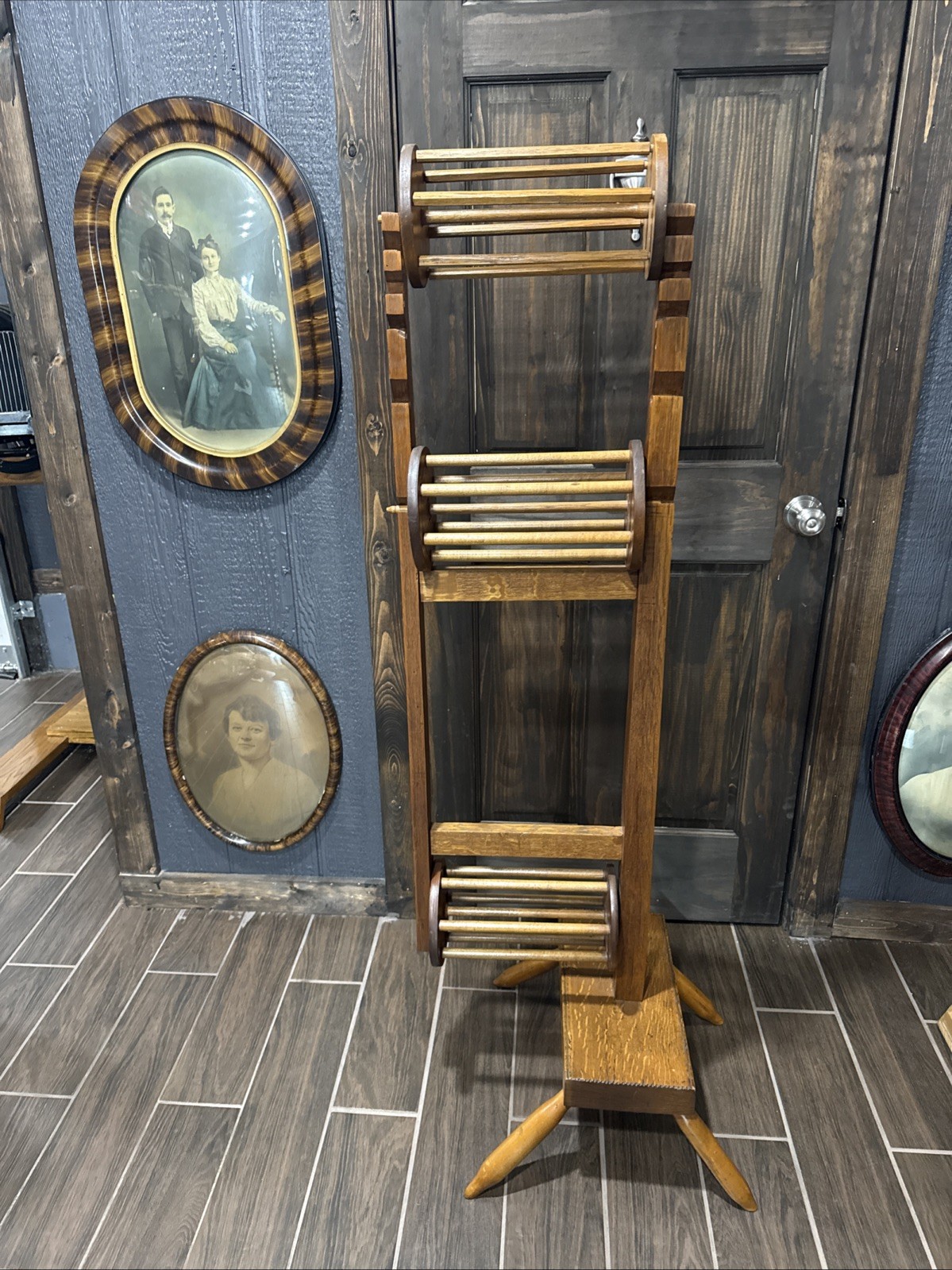
The Vintage Wool Winder Stand suits shoppers who want a stand rather than a compact organizer. Its oak construction gives the piece a defined material identity, while the adjustable swift is the clearest concrete reason to choose it for organizing and winding yarn in a knitting or crocheting workspace. The main limitation is its Used condition and stand format: that combination does not fit a shopper specifically seeking a portable winder. The vintage designation also makes the choice specific to a traditional-looking workspace rather than a simple carryable tool. In short, its appeal comes from the combination of a stand, oak construction, and adjustable winding feature, not from matching the compact format of the manual option.
Final choice by use case
- For a compact, multi-craft routine: choose the Manual Yarn Ball Winder. Its portability, broad compatibility with wool, cotton, acrylic, and blends, and hand-crank format suit a small direct-working setup.
- For a stand-centered workspace: choose the Vintage Wool Winder Stand. The oak construction and vintage winder-stand format fit when the physical character of the tool matters alongside yarn organization.
- If price is decisive: the Manual Yarn Ball Winder is the lower-priced route. If an adjustable swift and vintage stand are the deciding traits, the Vintage Wool Winder Stand is the more specific match.