Choosing ceramic glazes & colors means deciding whether you want a pigment that can move across clay stages or a simpler finished-color workflow. Pottery Pigments Stains Underglaze Colors leans toward the first path, with broad application guidance and a firing range that spans 890-1300°C.
Quick verdict
This formula suits ceramic artists who want one pigment range for earthenware, greenware, and bisque work. Its strongest listed points are the 36-color selection, lead-free formulation, and range extending up to Cone 9. It is less aligned with someone shopping specifically for a premixed glaze.
Pottery Pigments Stains Underglaze Colors
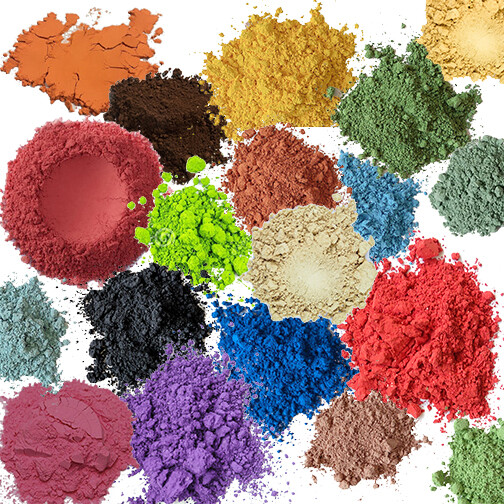
The clearest reason to choose this Degussa pigment selection is its combination of 36 colors and application across three ceramic stages. At USD 68.99, the 13 oz amount also gives the purchase a clearly defined scale. The limitation is equally concrete: it is identified as a powder, so shoppers seeking a ready-to-apply glaze format may find the material choice less convenient.
Who it suits
The fit is strongest for makers who work with earthenware, greenware, or bisque and want color that can be used before a final clear coating. It also makes sense for projects where the stated 890-1300°C range is relevant, including work reaching up to Cone 9. The range is a listed operating span, not a reason to assume every color will behave identically at every temperature.
What stands out from the listed details
These pigments offer two clearly stated finish paths. Left unglazed, they have a silk appearance. Covered with a clear transparent or gloss glaze, the colors intensify. That gives the material a useful role in projects where the surface finish is part of the design rather than an afterthought.
The color selection is another practical draw. Thirty-six colors provide more room for individual color choices than a single-color pigment purchase, while the lead-free specification is a straightforward material detail for ceramic use. The product is made in Germany, and the stated brand is Degussa.
Meaningful trade-offs
The appeal is flexibility across application stages, but the material format asks for more planning than a finished glaze. The final appearance can also change according to whether the pigment is left unglazed or covered with clear transparent or gloss glaze: the former has a silk appearance, while the latter intensifies color. That is helpful when finish control matters, but it is a trade-off for anyone seeking one predictable surface presentation.
Bottom line
Pottery Pigments Stains Underglaze Colors is a focused choice for ceramicists who want a 36-color pigment range, lead-free powder, and application on earthenware, greenware, or bisque. The USD 68.99 price and 13 oz amount make the decision clearest for shoppers who specifically want that combination of color breadth and stage flexibility. If a premixed glaze is the deciding requirement, the powder format is the reason this selection may not be the right fit.