Choosing ceramic glazes & colors means deciding between pigment-led surface decoration and a contained assortment of glazes. The pottery pigment set focuses on stains, underglazes, and color materials, while the assorted glaze set emphasizes easy application, multiple finishes, and crystal-glaze effects. The right choice depends on how you apply color, the clay stage you work on, and the firing schedule you plan to use.
Quick verdict
Choose Pottery Pigments, Stains & Underglaze Colors if you want powder pigments that can be used across earthenware, greenware, or bisque and prefer a clearly stated firing span. Its listed price is $68.99, which is $11 lower than the other set.
Choose 12 Assorted Colors of Non-Toxic Glazes if you want a contained glaze palette with semi-opaque and opaque finishes, easy application, and a crystal-glaze effect. Its listed price is $79.99, making the format and firing focus the key reasons to choose it.
Listed-price and attribute comparison
| Product | Listed price | Core format | Stated application |
|---|---|---|---|
| Pottery Pigments, Stains & Underglaze Colors | $68.99 | Powder stains and color pigments | Earthenware, greenware, or bisque |
| 12 Assorted Colors of Non-Toxic Glazes | $79.99 | Assorted glaze containers | Clay and pottery; semi-opaque and opaque glazes |
Where each set wins
Pottery Pigments, Stains & Underglaze Colors has the edge when you want a silk-like appearance left unglazed or want color to intensify beneath a clear transparent or gloss glaze. The ability to work before or after bisque also gives the application process more flexibility.
12 Assorted Colors of Non-Toxic Glazes is the better fit when your design involves using colors individually, combining them, or adding accent highlights. Its crystal glazes are described as spreading during firing, giving the set a specific decorative direction.
Both descriptions identify the materials as lead-free. The second set also uses non-toxic wording, but that shared safety-related detail does not by itself decide the format comparison.
Product notes
Pottery Pigments, Stains & Underglaze Colors
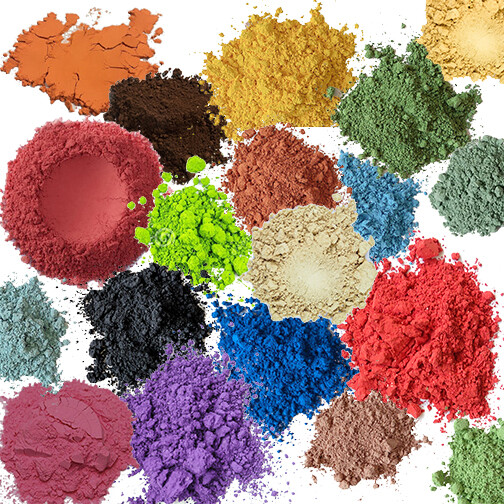
Pottery Pigments, Stains & Underglaze Colors is the more adaptable choice for pigment-led decoration. Its underglaze pigments can be applied on earthenware, greenware, or bisque, while the listed 36 colors provide a broad palette. Left unglazed, the finish is described as silk-like; covered with a clear transparent or gloss glaze, the color intensifies. The firing range is 890-1300°C, up to Cone 9, giving shoppers a clearly stated temperature span for projects planned across that range. The limitation is format: powder stains and color pigments create a different workflow from assorted glaze containers, so this is a less direct fit for someone who specifically wants a contained glaze set. Choose it for its color range, surface timing, and stated firing span.
12 Assorted Colors of Non-Toxic Glazes
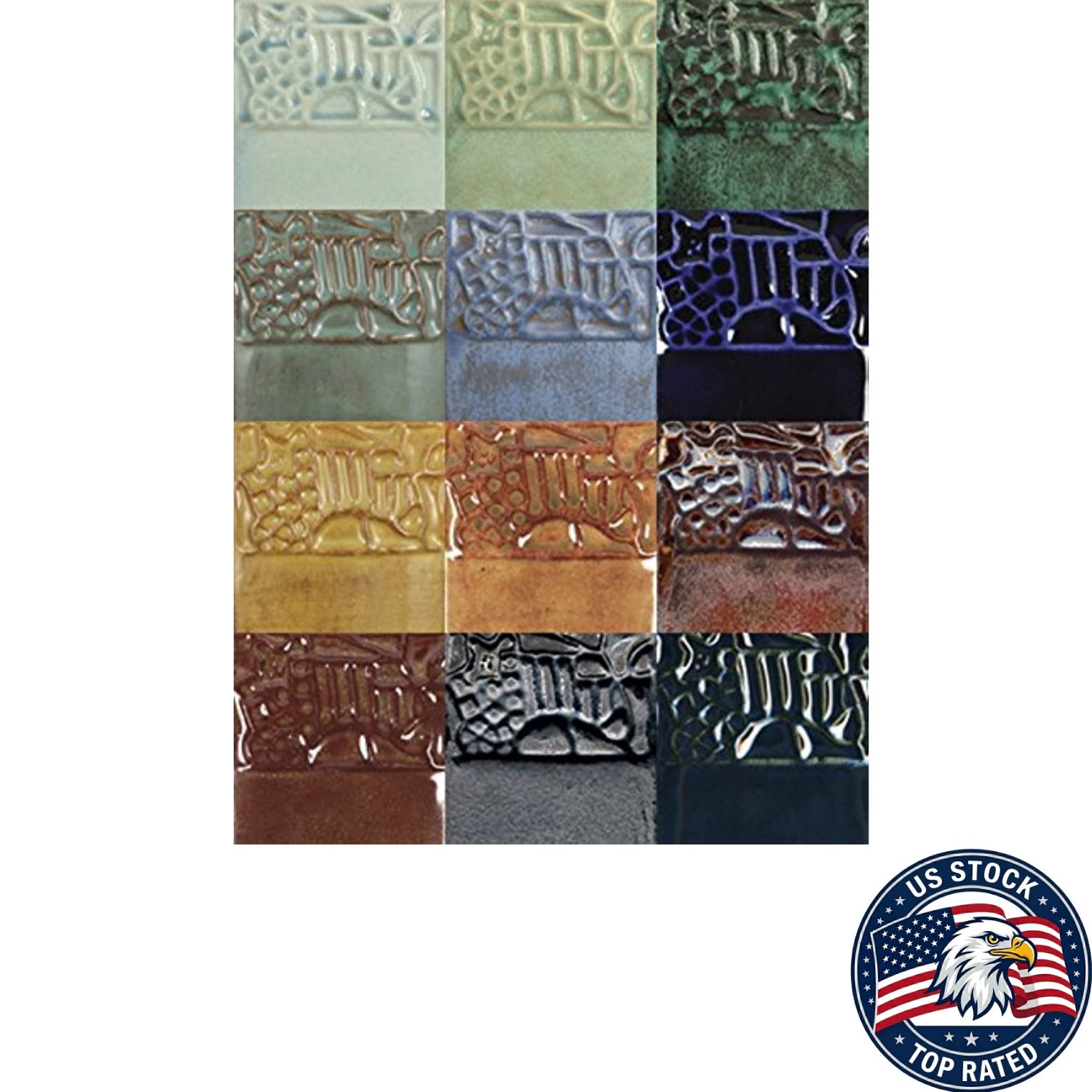
12 Assorted Colors of Non-Toxic Glazes makes the stronger case for a straightforward glaze palette. The set includes 12 colors in 4 oz containers, with semi-opaque and opaque glazes plus easy application. Its crystal glazes are described as spreading during firing, and the colors can be used individually, combined, or as accent highlights. The stated design target is Cone 06/05, while use at higher Cone temperatures is also described, so its clearest use case is work organized around that low-fire range. The limitation is the curated assortment: shoppers seeking a pigment-led palette with many color choices may prefer the other set's 36-color selection. Choose this set when containerized glazes, layering, and the listed crystal effect matter more than a powder-underglaze workflow.
Final choice by use case
- For pigment-led underglaze work: choose Pottery Pigments, Stains & Underglaze Colors. Its 36 colors and application across earthenware, greenware, or bisque make the fit specific.
- For a contained glaze palette: choose 12 Assorted Colors of Non-Toxic Glazes. Its title specifies assorted non-toxic glazes, and the description supports individual color use and layering.
- For projects spanning the listed firing range: choose the pottery pigment set, with its stated 890-1300°C range up to Cone 9.
- For Cone 06/05-centered work: choose the 12-color set, which is designed for that range and also described for higher Cone temperatures.
In short, the pottery pigment set is the clearer match for flexible surface color and a defined temperature span. The assorted glaze set is the more direct route to a contained palette with multiple opacity choices and crystal-glaze effects.