Choosing between pottery wheels & kilns starts with one practical question: do you need to shape clay or fire a finished piece? The Pottery Wheel 12.6in/32cm Ceramic Wheel Machine is aimed at forming, while the Tabletop Electric Kiln 1500W is designed for heat-based work. They serve different stages of a ceramics workflow, so the right choice depends more on your next project than on price alone.
Quick verdict
Choose the Pottery Wheel 12.6in/32cm Ceramic Wheel Machine if your priority is hands-on clay forming at home. Choose the Tabletop Electric Kiln 1500W if you need ceramic firing, ceramic glazing, metal clay work, or jewelry-crafting capability. The kiln is listed at USD 229.49, while the wheel is USD 305.42-a USD 75.93 spread-but the lower price does not make the kiln a substitute for a forming wheel.
At-a-glance comparison
| Decision point | 12.6-inch Pottery Wheel | Tabletop Electric Kiln |
|---|---|---|
| Primary listed role | Clay forming with a ceramic wheel machine | Wax casting, metal melting, ceramic firing |
| Control or power detail | Foot 60-300 RPM; hand 60-320 RPM | PID digital control; 1500W maximum power |
| Stated working range | 12.6in/32cm wheel | Up to 2192°F/1200°C |
| Listed price | USD 305.42 | USD 229.49 |
Where each product wins
Pottery Wheel wins for forming control
The full title, Pottery Wheel 12.6in/32cm Ceramic Wheel Machine Clay Forming DIY Art Craft White, makes its intended use unusually clear. It is the more relevant choice when the project begins with shaping clay on a rotating wheel. The foot- and hand-adjustable controls also give a clay-focused buyer concrete operating details to consider.
Tabletop Electric Kiln wins for firing work
The Tabletop Electric Kiln 1500W for Wax Casting Metal Melting Furnace DIY Project is the direct match for projects that need heat rather than wheel forming. Its named uses extend beyond ceramics to wax casting, metal melting, and DIY craft work, making the kiln the practical choice when firing or casting is the next step.
Product notes
Pottery Wheel 12.6in/32cm Ceramic Wheel Machine
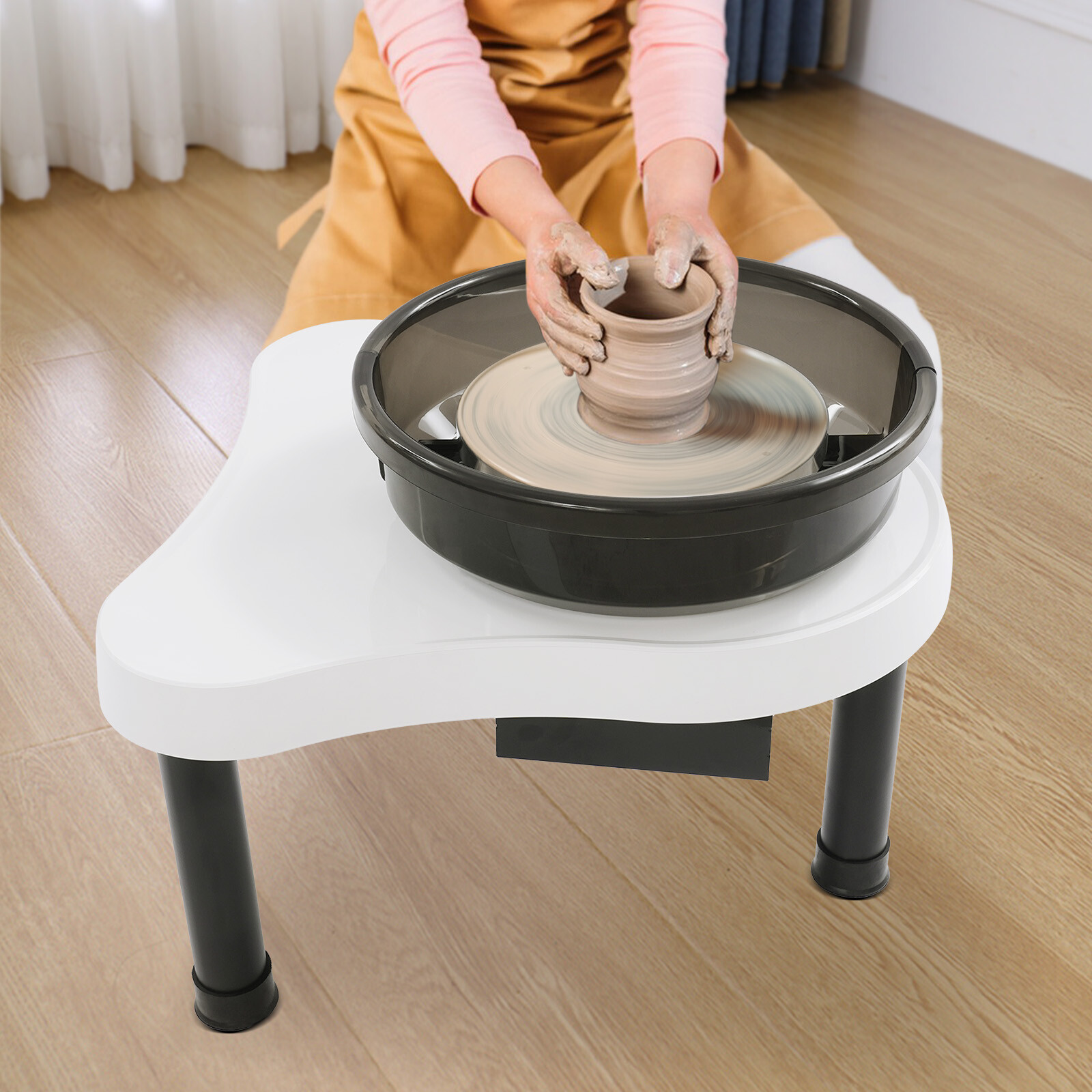
Shoppers who want a dedicated forming station have a clear fit here: the title explicitly identifies a ceramic wheel machine for clay forming, and the description places it in home pottery-making. The listed construction combines ABS, aluminum alloy, and metal, and the attributes include a 3-year manufacturer warranty. Those details give the wheel a defined home-craft focus and a concrete warranty term. The trade-off is scope: the product is framed around forming, so ceramic firing remains a separate stage of the workflow. At USD 305.42, it also costs USD 75.93 more than the tabletop kiln, making its higher listed price easiest to justify for shoppers who specifically need wheel-based clay work.
Tabletop Electric Kiln 1500W
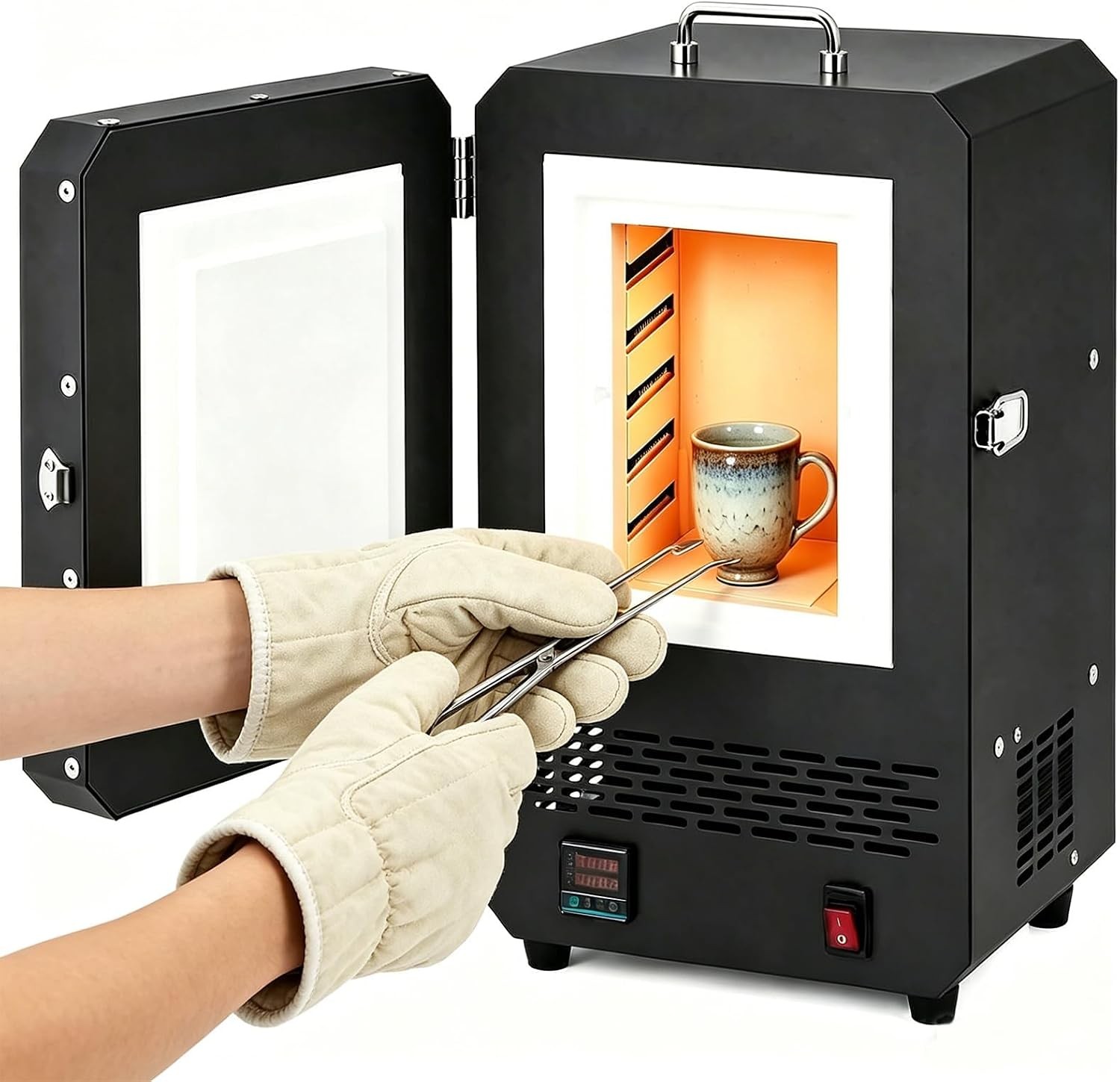
Firing-focused shoppers get a closer match to heat-based projects with the Tabletop Electric Kiln 1500W. Its stated suitable uses include jewelry crafting, metal clay work, and ceramic firing, while the description specifies a PID digital control system. A listed time of 34-38 minutes to reach maximum temperature adds a concrete planning detail without changing the kiln's role. The limitation is physical: the listed 48.5-pound weight and 17.91 x 16.54 x 24.8-inch dimensions deserve attention when assigning it a permanent tabletop position. Its role is also firing and casting rather than clay forming. At USD 229.49, the kiln carries the lower listed price in this comparison.
Final choice by use case
- For shaping clay: Choose the Pottery Wheel 12.6in/32cm Ceramic Wheel Machine, because its title specifically centers on ceramic wheel forming.
- For ceramic firing or glazing: Choose the Tabletop Electric Kiln 1500W, whose stated uses include ceramic firing and whose description addresses temperature control.
- For jewelry crafting or metal clay work: The Tabletop Electric Kiln is the direct fit because those uses are explicitly named.
- For a forming-first setup: The pottery wheel is the appropriate starting point; the electric kiln addresses the later heat-based stage rather than replacing it.
The decision is therefore straightforward: buy the wheel for shaping, or buy the kiln for firing and casting. The USD 75.93 price difference matters, but matching the appliance to the work matters more.