When sewing fabric needs to hold a cleaner shape, the main decision is how much structure the project can take without changing the intended feel of the finished piece. A fusible layer can make a major difference at edges and shaped areas, but a crisp, stiff option is best reserved for garments and details that genuinely need reinforcement.
Quick verdict
Pure Snow White Woven Fusible Interfacing Garment Stabilizer is a focused choice for sewing projects that call for a white, woven, iron-on layer with a firm hand. Its 58-inch width gives you a broad working surface for cutting garment components, while the heat-activated backing is designed for applying structure without sewing the stabilizer into place separately.
At a listed price of USD 6.00 by the yard, it makes sense when the priority is body, edge stability, and resistance to stretching rather than fluid movement. The central trade-off is straightforward: the same crisp, stiff construction that supports structured areas can be too assertive for garments meant to stay soft or drapey.
Who it suits
This interfacing is a natural fit for sewists planning projects with areas that benefit from reinforcement, such as shaped garment sections or edges that need to remain stable during sewing. The woven synthetic-blend construction and iron-on backing point toward a practical structural layer rather than a decorative fabric.
White projects are the clearest match, since the material is described as pure snow white with a matte, solid appearance. The 58-inch width may also be helpful when arranging wider pattern pieces or cutting several smaller stabilizing sections from a yard.
It is less compelling when the design depends on a light, flowing finish. A crisp, stiff stabilizer deliberately adds body, so it can alter the behavior of fabrics selected primarily for softness or drape.
What stands out
The useful feature here is the combination of woven construction and fusible application. A woven base can provide stable support, while the iron-on surface is intended to adhere with heat. That gives garment makers a route to reinforce fabric sections while keeping the stabilizer integrated behind the main material.
Its structural purpose is also clearly defined: adding body and strength, helping limit stretching, and stabilizing edges against fraying during sewing. Those qualities make it more purpose-specific than a general fabric purchase. Select it when the pattern calls for visible shape retention or when a fabric area needs to behave more firmly.
Meaningful trade-offs
The white color is practical for white garment work, but it should be considered as part of the project's visible-fabric plan. Likewise, the firm texture is not a subtle enhancement; it is the defining characteristic of this interfacing.
Because it is sold by the yard, plan the quantity around the number and size of garment pieces requiring stabilization. The 58-inch width can reduce the need to piece together wider interfacing sections, but the overall amount still depends on the pattern layout.
Pure Snow White Woven Fusible Interfacing Garment Stabilizer
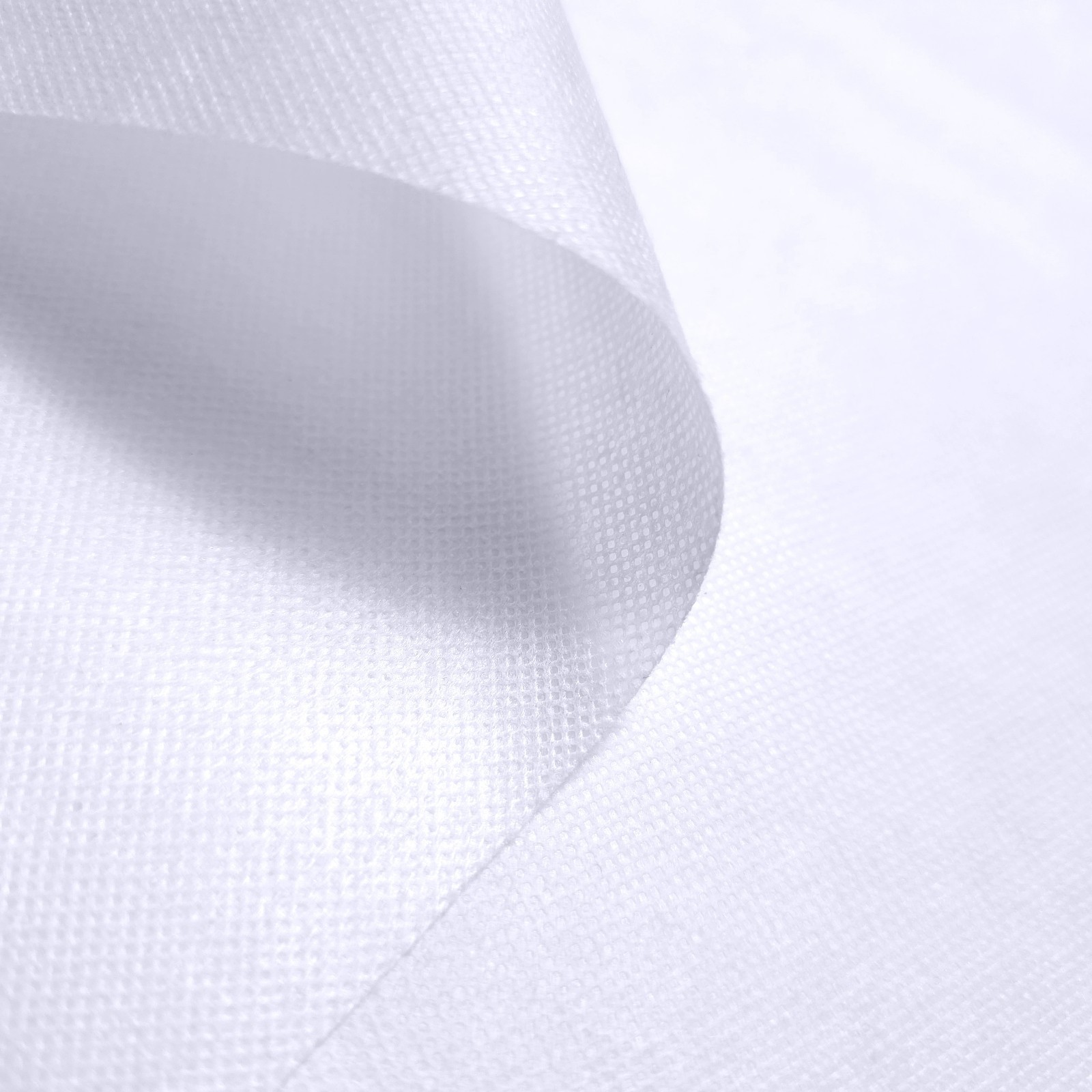
Choose this 58-inch-wide, iron-on woven interfacing when a white garment project needs crisp structure, added body, or steadier edges. Its limitation is equally clear: the stiff structural feel is better for shape-focused components than for designs where maintaining softness and drape is the priority.
Bottom line
Pure Snow White Woven Fusible Interfacing is best approached as a garment-support material, not an all-purpose layer. If your sewing fabric needs a firm, white, fusible stabilizer to reinforce selected areas, its woven construction and crisp character align well with that job. For a softer finished hand, choose a project plan that does not rely on pronounced structural support.