When an EVA foam, thermoplastics & tools project moves beyond simple foam shapes, the material choice can change the whole workflow. Worbla Black Art 2.0 and Worbla TranspArt are both thermoplastic sheets, but their finishes and shaping instructions point to different jobs. The useful shortcut is to choose the detail-oriented black sheet or the clear sheet designed for visual effects.
Quick verdict
Worbla Black Art 2.0 is the detail-oriented sculpting choice, while Worbla TranspArt is the effects-oriented choice. The price spread is $3, so finish and handling-not price alone-should decide this head-to-head.
Compact comparison
| Product | Price | Color | Size | Type |
|---|---|---|---|---|
| Worbla Black Art 2.0 | $81.00 | Black | Half Sheet (39.25 in x 29.5 in) | Thermoplastic |
| Worbla TranspArt | $78.00 | Clear | Half Sheet (39.25 in x 29.5 in) | Thermoplastic |
Where each product wins
Worbla Black Art 2.0
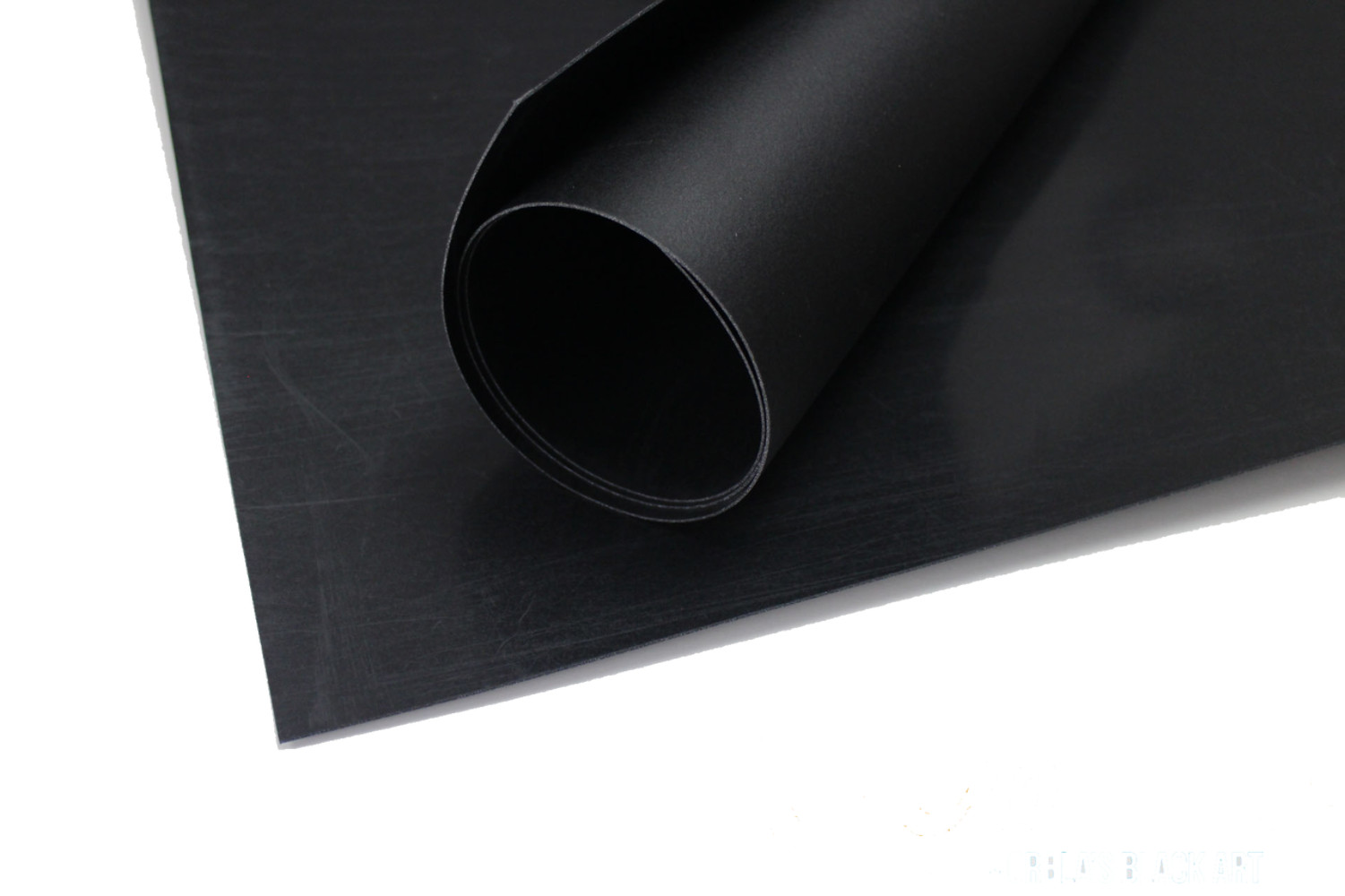
Its clearest use case is forming complex curves without a vacuform. That makes it the more direct pick for sculptural shapes where a vacuum-forming step is not part of the plan.
Worbla TranspArt
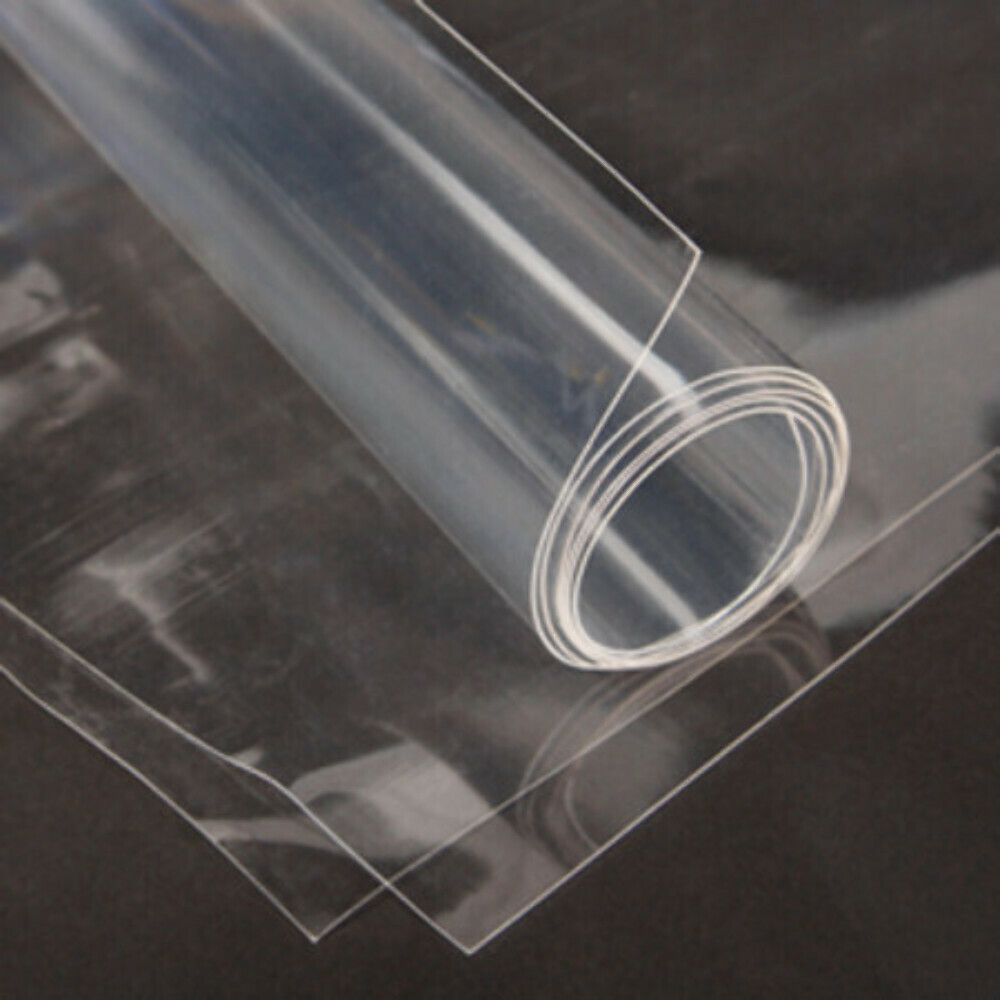
TranspArt wins when the finish is part of the effect. It can be cast into molds and finished with spray paint, thermal foil used for car detailing, or iDye Poly and other polyester dyes. Those options suit projects built around surface treatment or molded forms.
Product notes
Worbla Black Art 2.0
Worbla Black Art 2.0 makes sense for a build that needs activated joining without glue. Its scraps can be conditioned and 100% re-blended, then molded like putty, giving small leftovers a defined role in sculpting. The sheet can also be shaped by hand with hot air, water, or steam, so the working method is not limited to one heat source. The limitation is its less adhesive surface: shoppers specifically seeking a more adhesive behavior should account for that detail. Black Art 2.0 is therefore a focused choice for hand-shaped costume forms, detail placement, and iterative sculpting rather than a clear-material visual brief.
Worbla TranspArt
Worbla TranspArt suits a gradual shaping process because it can be reactivated as often as needed, allowing work bit by bit while the material cools after a few minutes. Modeling tools, a wet sponge, or an old toothbrush are recommended sculpting aids, giving the workflow several practical tool choices. The limitation is the heating instruction: TranspArt should be heated to 120C (250F), with work gloves with rubberized fingers recommended. That requirement makes heat handling part of the plan, even though repeated reactivation supports careful, incremental shaping.
Final choice by use case
- Choose Worbla Black Art 2.0 for fine-detail sculpting, complex curves, activated joining, or reusable scraps that can be re-blended.
- Choose Worbla TranspArt for clear or semi-opaque parts, LED-backed stones, mold casting, or projects that call for spray paint, thermal foil, or polyester dyes.
- If both workflows fit, use the finish as the deciding factor: Black Art 2.0 is the smoother, less adhesive detail-sculpting option, while TranspArt is the clear-effects option with a defined 120C (250F) heating requirement.