
Photos from current listings. Actual item, color, and included accessories may vary.
Acrylic Paint Marker Buying Guide
Acrylic paint markers are valve-action or fiber-wick pens loaded with water-based, opaque acrylic pigment for multi-surface art on rock, wood, glass, fabric, ceramic, and canvas. The core trade-off is pigment load and valve reliability versus tip architecture: cheap fiber-wick pens dry out and skip, while true valve-action markers with replaceable or durable tips deliver consistent flow and true opacity. The decision rule is simple—buy valve-action markers with stated lightfast pigments and dual brush/fine tips for archival work; skip budget fiber-tip sets only if you need permanent outdoor or wash-resistant results.
Median $28.49
Key takeaways
- Valve-action markers (Posca PC-5M, Molotow) use a spring-loaded nib that meters flow and resists clogging; fiber-wick pens rely on capillary action and degrade faster with heavy use.
- Water-based acrylic binders are pigment-suspended emulsions: higher pigment-to-binder ratio (opaque in one pass) separates pro lines from translucent budget sets.
- Tip geometry drives line control: 0.7–1 mm fine tips suit detail and lettering; 5–15 mm broad/brush tips cover fill and bold strokes—dual-tip pens pair both but compromise on nib durability.
At a glance
- Category
- Art Supplies
- Last updated
- Nov 27, 2026
Current offers
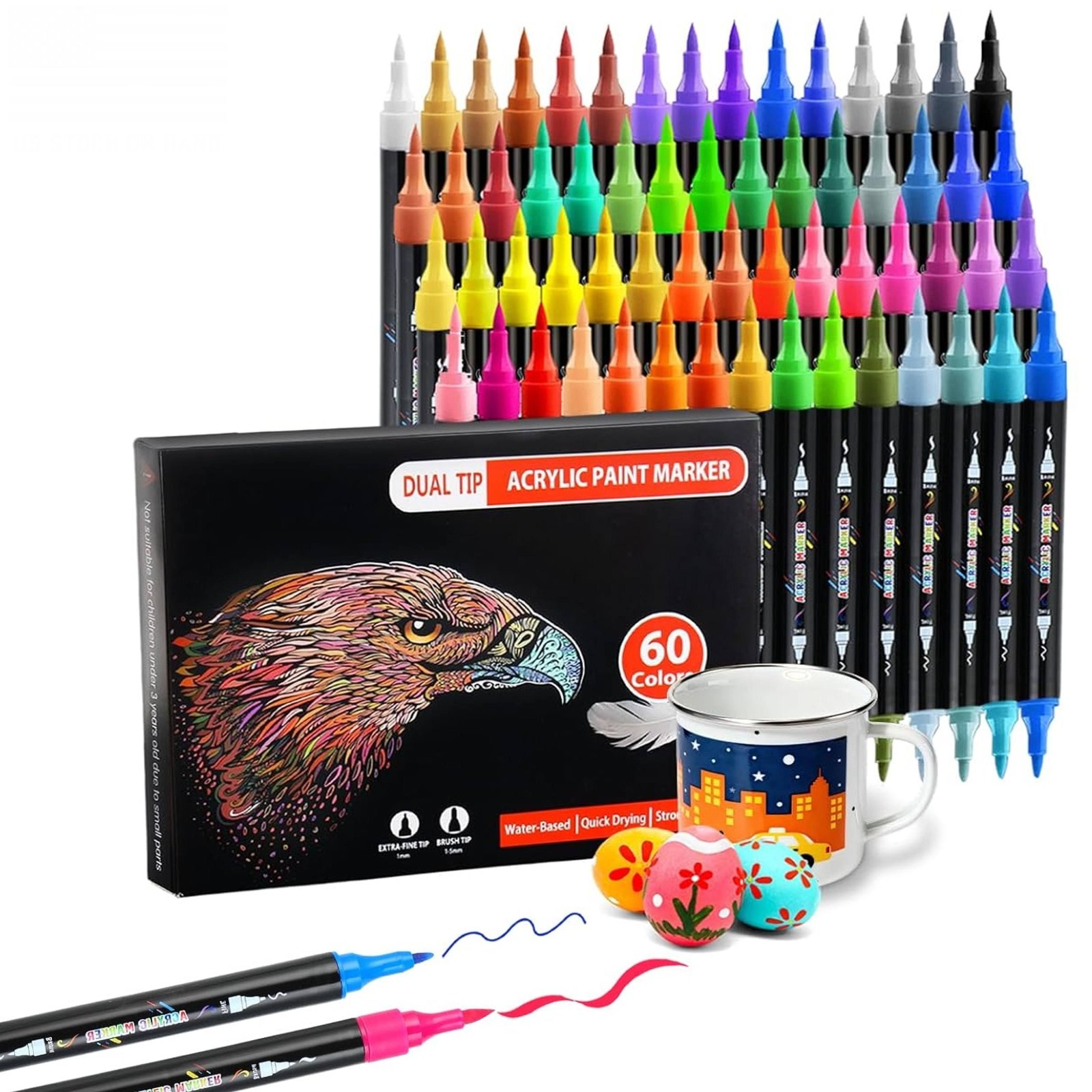 Acrylic Paint Marker Pens Set Brush/Fine Dual Tip Permanent Waterproof Opaque$9.95Last checked Nov 19, 2026View on eBay
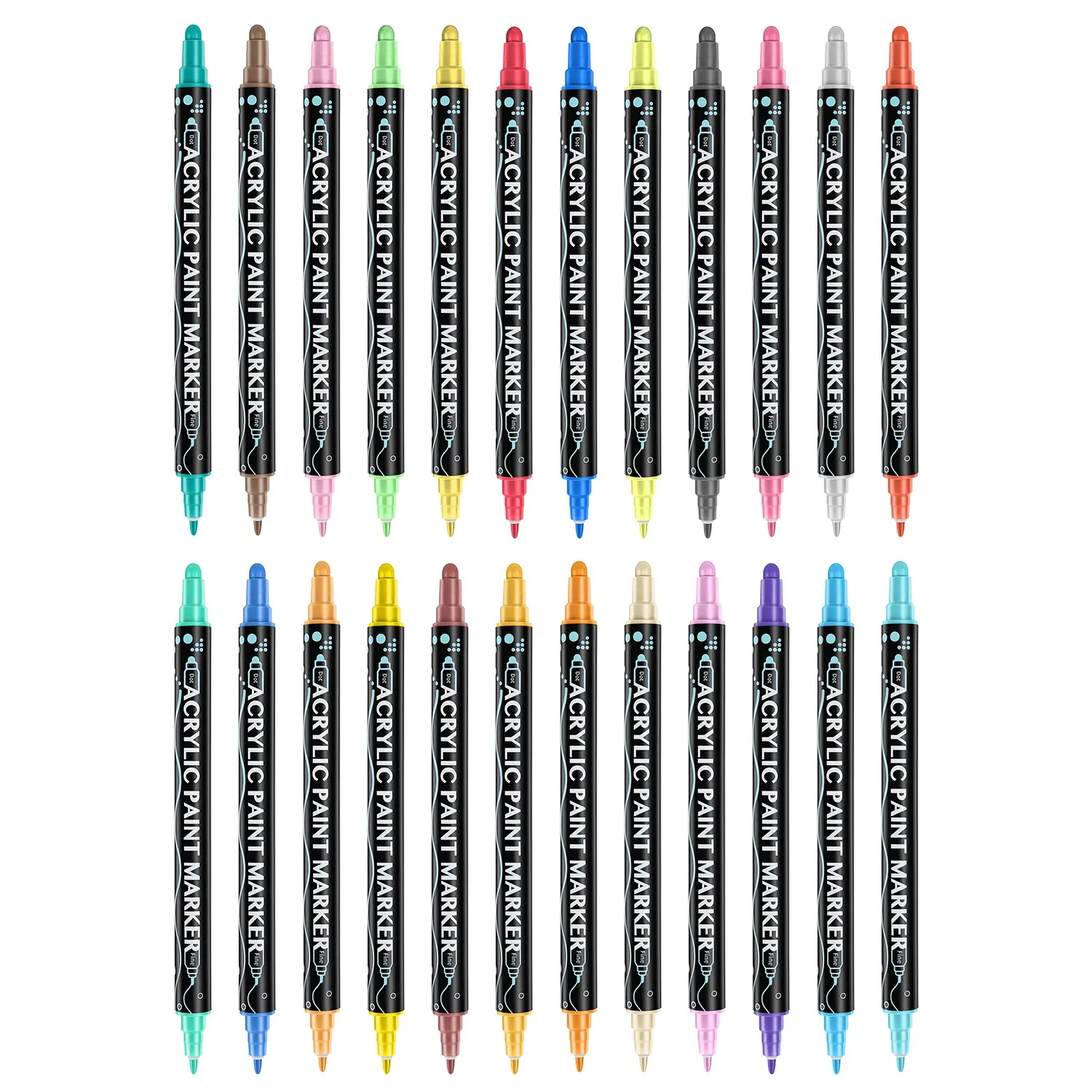 24/48 Colors Dual Tip Acrylic Paint Markers Set, Water-Based Pens with Fine & Broad Tips, Quick-Dry Waterproof Art for Rock Painting, Wood, Glass, Fabric, Ceramic, Canvas & DIY Crafts$27.99View on Mallflare
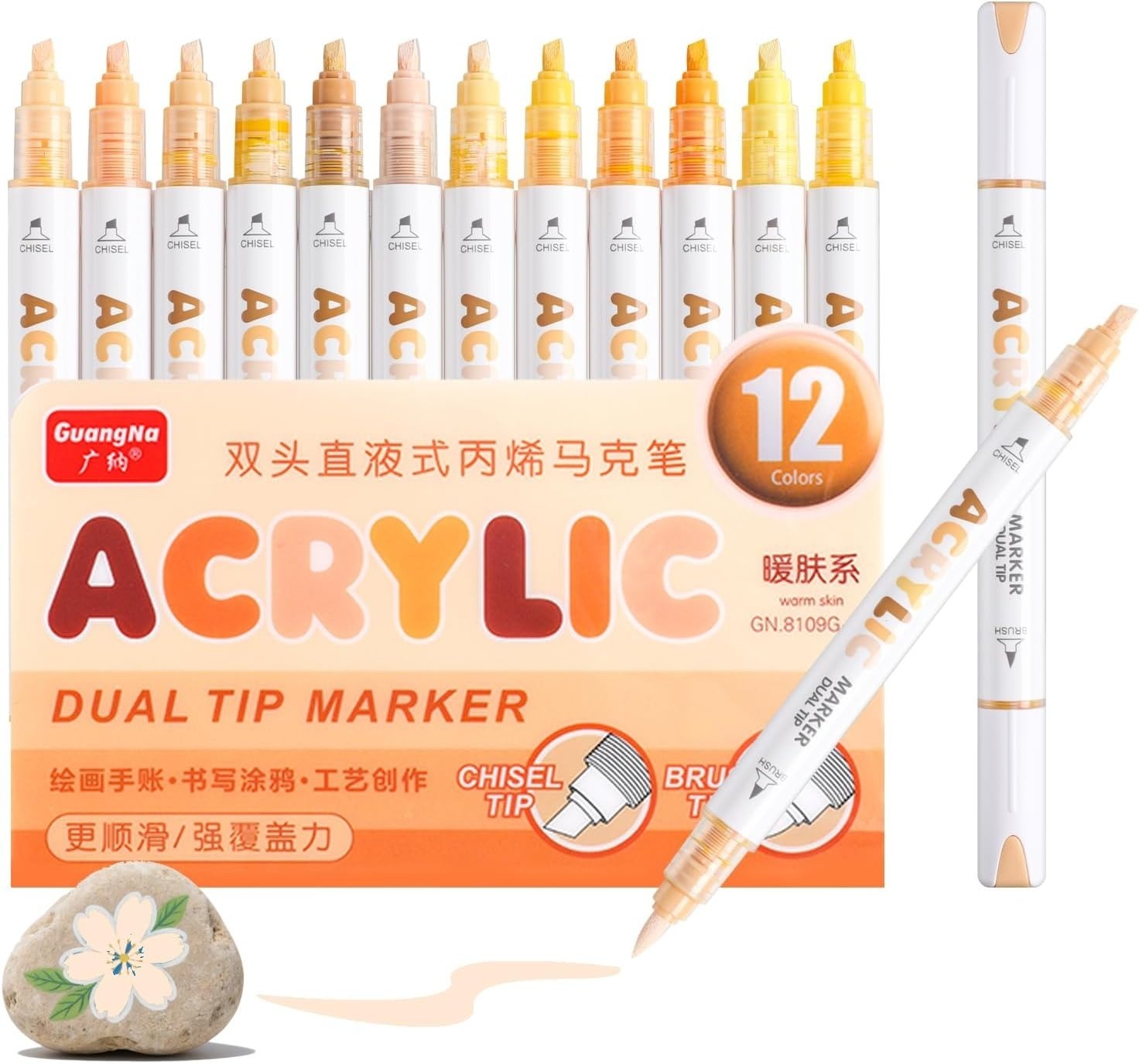 12 Colors Dual Tip Acrylic Paint Pens - Brush & Chisel Tip Acrylic Markers$10.90Last checked Nov 21, 2026View on eBay
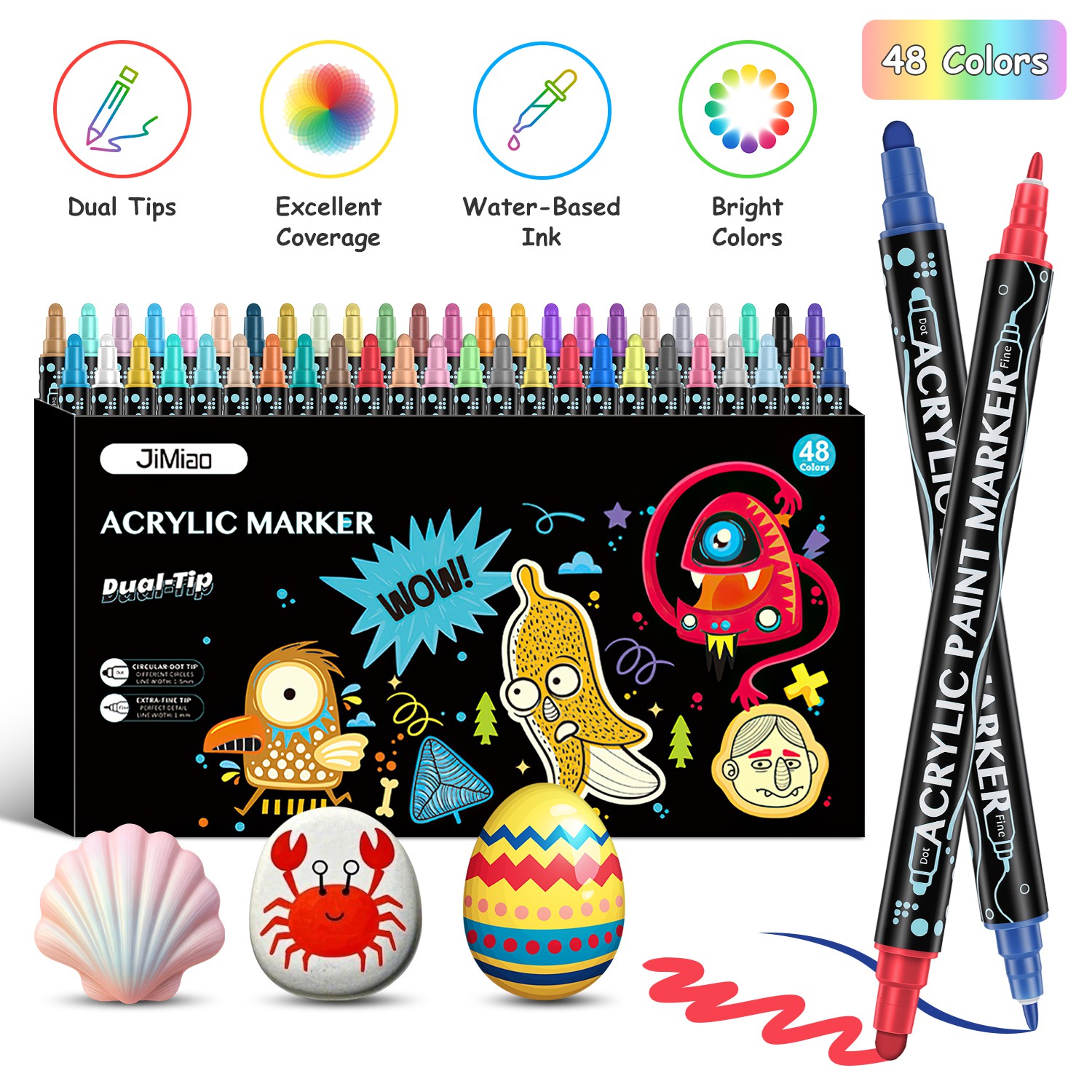 48 Colors Or 24 Options Dual Tip Acrylic Paint Markers Set, Quick-Dry Waterproof Art For Rock Painting, Wood, Glass, Fabric, Ceramic, Canvas & DIY Crafts$28.99View on Mallflare
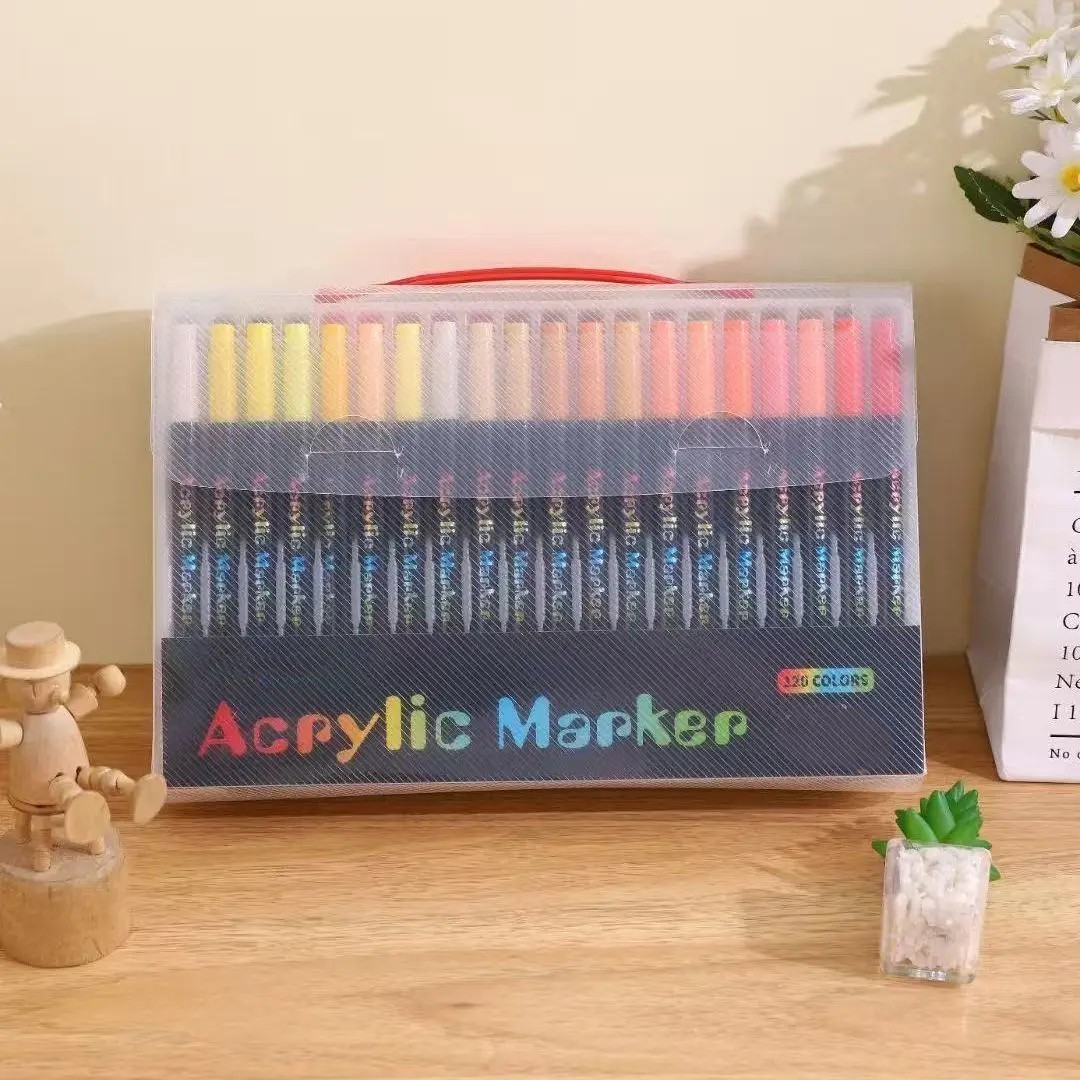 120 Color Acrylic Paint Markers Dual Tip Brush Fine Pens Art Rock Wood Craft Set$27.75View on eBay
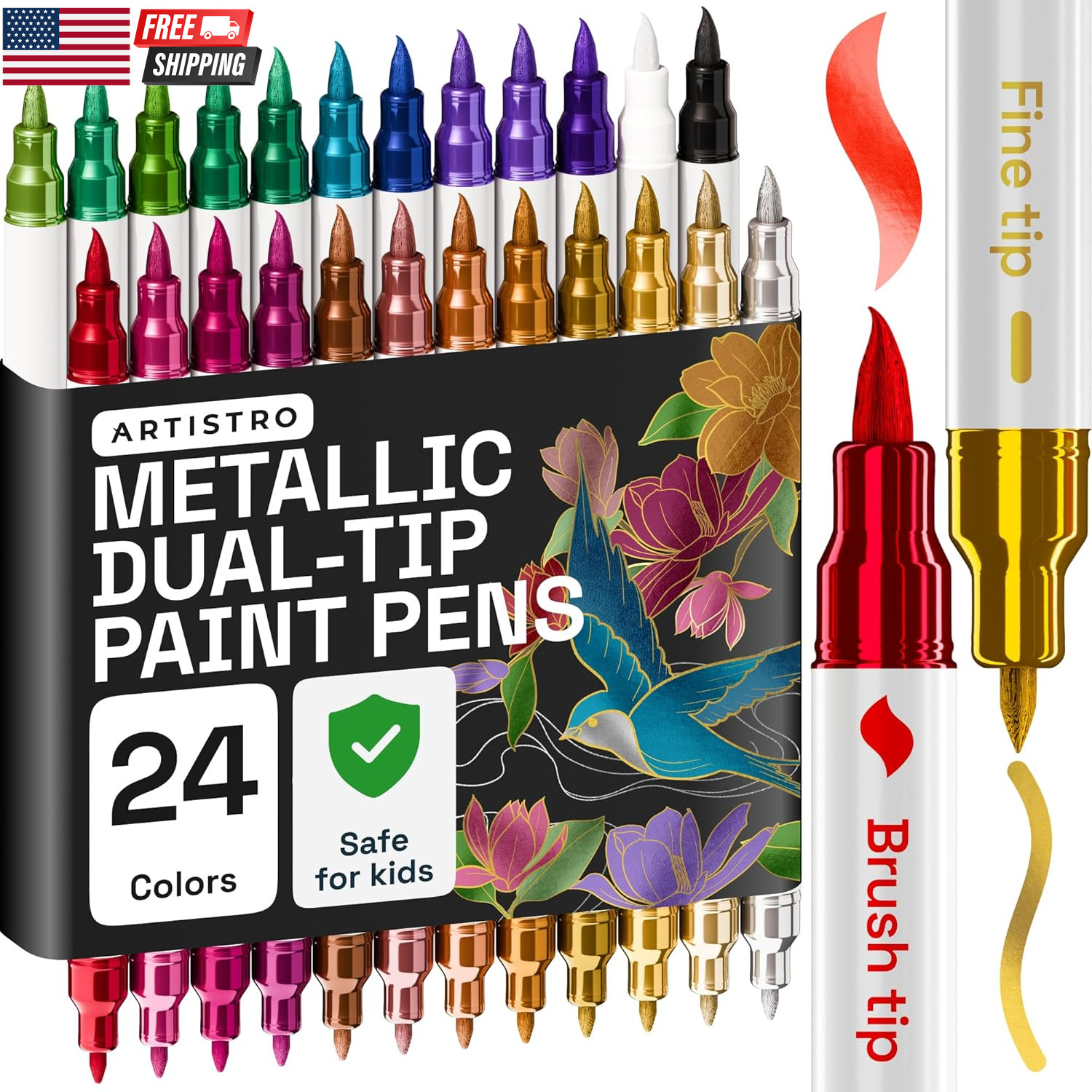 24 Metallic Acrylic Paint Markers - Paint Pens for Drawing, Brush + Fine Tips -$39.04View on eBay
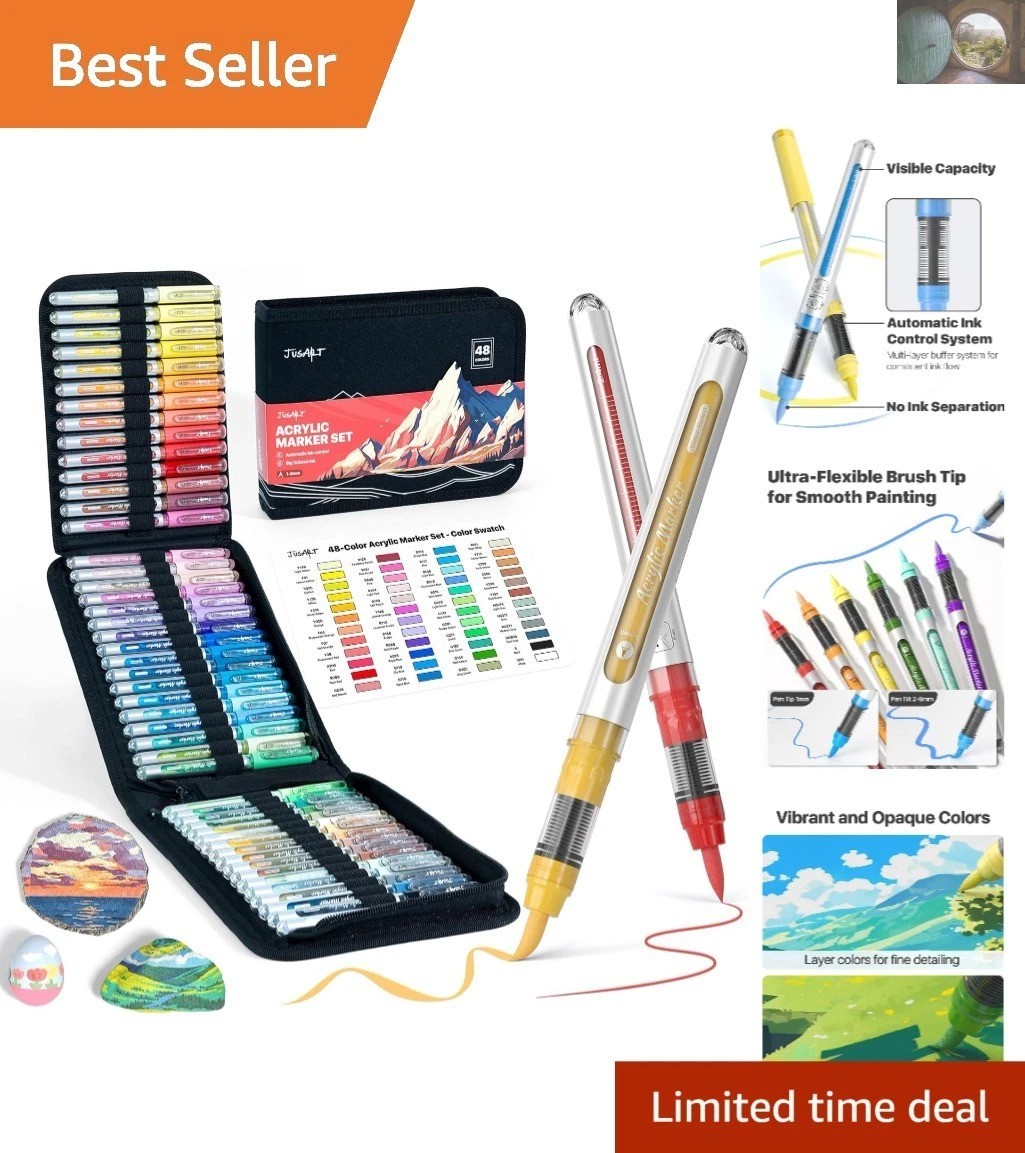 48 Vibrant Colors Acrylic Paint Markers Set - Multi-Surface Art Supplies$51.54Last checked Nov 21, 2026View on eBay
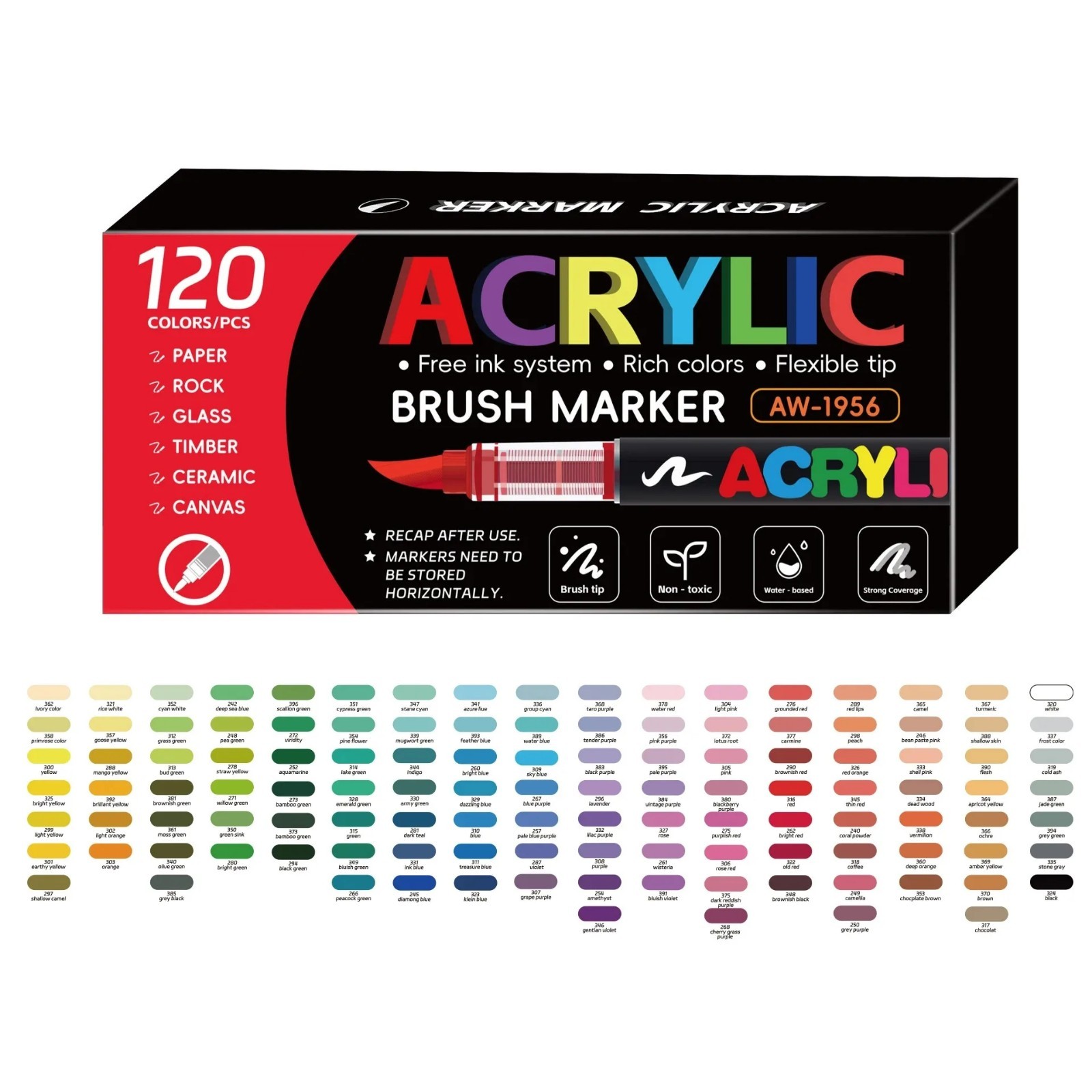 Acrylic Paint Marker Pens Set Brush Tip Permanent Waterproof Opaque 12-120 C Lot$75.60Last checked Nov 19, 2026View on eBay
Highlights
- Valve-action markers (Posca PC-5M, Molotow) use a spring-loaded nib that meters flow and resists clogging; fiber-wick pens rely on capillary action and degrade faster with heavy use.
- Water-based acrylic binders are pigment-suspended emulsions: higher pigment-to-binder ratio (opaque in one pass) separates pro lines from translucent budget sets.
- Tip geometry drives line control: 0.7–1 mm fine tips suit detail and lettering; 5–15 mm broad/brush tips cover fill and bold strokes—dual-tip pens pair both but compromise on nib durability.
- Lightfastness ratings (ASTM I–II) and 'permanent when dry' claims separate archival markers from craft-grade pens that fade under UV within months.
Best use cases
- Rock and wood outdoor art: pick valve-action markers labeled waterproof/UV-resistant with medium 3–5 mm nibs; skip fiber-tip budget sets that bleed and fade after rain exposure.
- Canvas and fine-art illustration: choose dual brush/fine tips with high pigment load and lightfast ratings; skip broad-only craft pens that cannot render fine linework.
- Fabric and ceramic customization: use water-based acrylic markers heat-set with an iron (fabric) or cured 24 hours (ceramic); skip alcohol-ink markers that require solvent resistance and do not bond to glazed ceramic.
- Kids and classroom bulk: 24–48 color dual-tip sets are cost-effective for paper and cardboard; skip premium valve markers where tip damage from heavy-handed use is likely.
Buying tips
- Count actual usable colors, not nominal counts: 120-color sets often repeat hues or include metallic/neon duplicates—24–48 well-chosen colors cover most palettes.
- Check nib size in millimeters: 0.7–1 mm for detail, 2–3 mm for general linework, 5–15 mm for fill; dual-tip pens pair a fine 1 mm with a 5–6 mm broad nib.
- Prefer water-based acrylic over solvent-based for indoor use and kids; solvent markers (alcohol/xylene) require ventilation and attack some plastics.
- Verify replacement nib availability and refill options; valve-action markers with replaceable tips outlast sealed fiber-tip pens by years of regular use.
Specs
| Tip Type | Dual brush/fine vs single medium/broad |
|---|---|
| Ink System | Water-based acrylic vs solvent/alcohol |
| Nib Sizes | 0.7–1 mm fine / 3–6 mm medium / 10–15 mm broad |
| Set Size | 12–24 / 36–48 / 60–120 colors |
Related searches
What to check before buying
- Match nib to substrate: fine 1 mm for detail on paper/canvas, medium 3–5 mm for rock/wood, broad 10–15 mm for large fills.
- Confirm surface prep: porous surfaces (wood, unglazed ceramic) need no primer; glass, glazed ceramic, and metal need clean, degreased surfaces for adhesion.
- Check drying and curing: water-based acrylics dry in 10–20 minutes but fully cure in 24 hours; fabric requires heat-setting with an iron for wash durability.
- Verify storage orientation: valve-action markers store horizontally to keep pigment mixed; fiber-tip pens store cap-down to prevent drying.
FAQ
Data sources: eBay / Amazon listings and product attribute feeds. Updated Nov 27, 2026.
Some links on this page are affiliate links. If you buy after clicking one, we may earn a commission at no extra cost to you. This does not change which products appear here or their order. Affiliate disclosure.