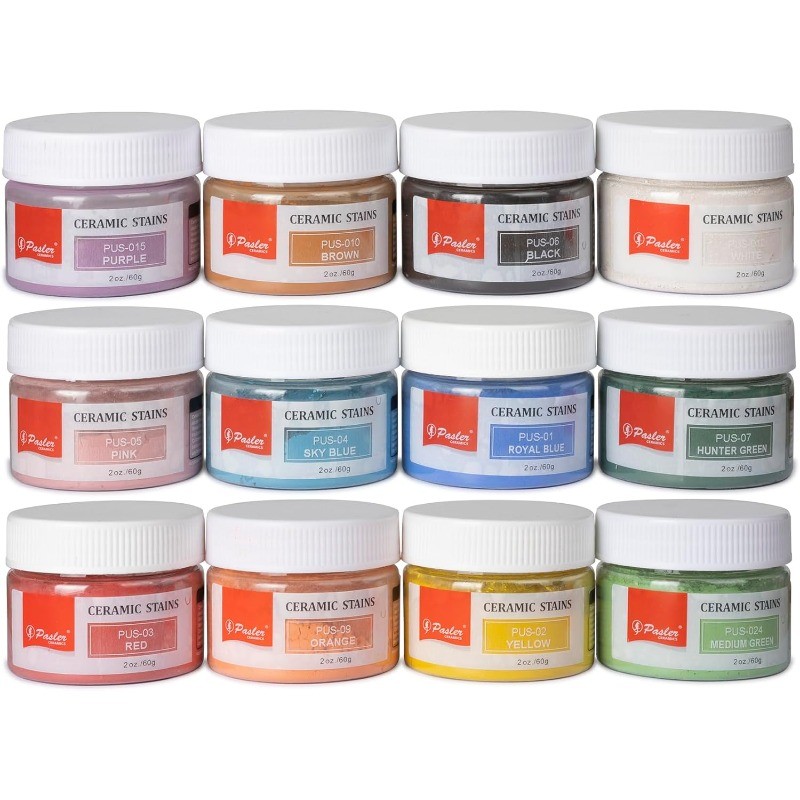

Photos from current listings. Actual item, color, and included accessories may vary.
Ceramic Color Buying Guide
Ceramic colors are mineral-based pigments, stains, and underglazes used to tint clay bodies, bisque, or glaze surfaces before firing. The primary trade-off is pigment chemistry vs. firing range: stains formulated for mid-fire (cone 5-6) will burn out or shift at high-fire (cone 9-10), while true high-fire stains cost more and cover a narrower palette. The decision rule is simple: match the colorant's rated cone range to your clay and glaze firing schedule, and buy encapsulated or commercial stains rather than raw oxides for predictable, repeatable color.
Median $68.99
Key takeaways
- Stains are pre-calcined pigment-oxide blends that stay suspended and fire stably; raw oxides are soluble, messy, and shift color unpredictably.
- Encapsulated stains (e.g., cadmium inclusion pigments) survive high-fire and are food-safe when covered by a stable glaze; non-encapsulated cadmium colors are low-fire only.
- Underglazes are a stain-plus-flux suspension for painting on greenware or bisque; they need a clear overglaze to become durable and food-safe.
At a glance
- Category
- Ceramic Glazes & Colors
- Last updated
- Nov 23, 2026
Current offers
Highlights
- Stains are pre-calcined pigment-oxide blends that stay suspended and fire stably; raw oxides are soluble, messy, and shift color unpredictably.
- Encapsulated stains (e.g., cadmium inclusion pigments) survive high-fire and are food-safe when covered by a stable glaze; non-encapsulated cadmium colors are low-fire only.
- Underglazes are a stain-plus-flux suspension for painting on greenware or bisque; they need a clear overglaze to become durable and food-safe.
- Concentration matters: stains typically comprise 5-15% of a glaze recipe by dry weight, while underglazes are used as-is at brushable consistency.
Best use cases
- Choose commercial encapsulated stains if you high-fire to cone 10 and need food-safe reds, yellows, or oranges—skip raw cadmium or lead-based pigments, which fail or leach at that temperature.
- Choose brushable underglaze sets in 4 oz jars if you paint detailed decoration on bisque and cover with clear glaze; skip powdered stains unless you are comfortable mixing your own glaze recipes.
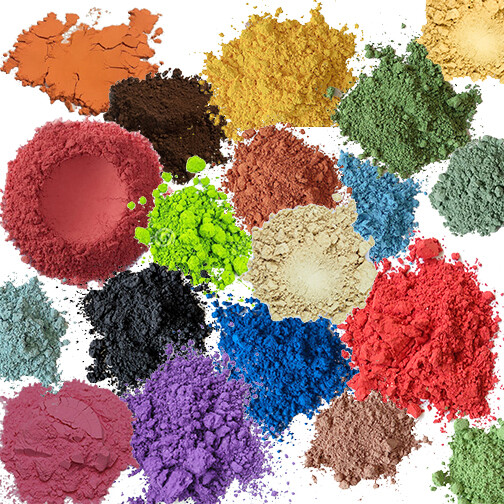
- Choose 60 g powder stain samplers if you formulate your own glazes and need to test color response across a firing range; skip them if you want ready-to-brush color straight from the jar.
- Choose low-fire craft glazes (cone 06-04) for decorative, non-food items; skip them for dinnerware because low-fire glazes are softer and can leach.
Buying tips
- Match the stain's rated cone to your firing: mid-fire stains (cone 5-6) are the most versatile for hobby potters, while cone 10 stains are required for high-fire porcelain and stoneware.
- Use the 5-15% rule for glaze tinting: start at 5% stain by dry weight, test-fire a tile, and increase to 10-15% for saturation; more than 15% risks crawling or pinholing.
- For food-safe surfaces, apply underglaze only under a stable clear glaze (cone 5-6 or higher) and avoid cadmium or lead pigments on contact areas.
- Buy stain sets with individual sealed containers and lot numbers; repeatable color depends on consistent pigment lots, and pre-mixed underglazes settle—stir thoroughly before use.
Specs
| Firing Range | Low-fire 06-04 / Mid 5-6 / High 9-10 |
|---|---|
| Form | Powder stain / Liquid underglaze / Glaze |
| Food Safety | Requires clear overglaze; avoid Cd/Pb |
| Pigment Type | Encapsulated vs raw oxide |
Related searches
What to check before buying
- Confirm your kiln's maximum cone and your clay body's maturity range; colorants must be rated for both firing temperature and atmosphere (oxidation vs. reduction).
- Measure your shelf space and container count: 4 oz jars suit brushwork, while 60 g powder bags suit glaze mixing—plan storage for both.
- Check ventilation and PPE needs: powdered stains require a dust mask and gloves; liquid underglazes are lower-dust but still contain metal oxides.
- Verify compatibility with your clear glaze: test a sample tile to ensure the underglaze does not bubble, bleed, or fade under your specific glaze thickness and firing schedule.
FAQ
Data sources: eBay / Amazon listings and product attribute feeds. Updated Nov 23, 2026.
Some links on this page are affiliate links. If you buy after clicking one, we may earn a commission at no extra cost to you. This does not change which products appear here or their order. Affiliate disclosure.