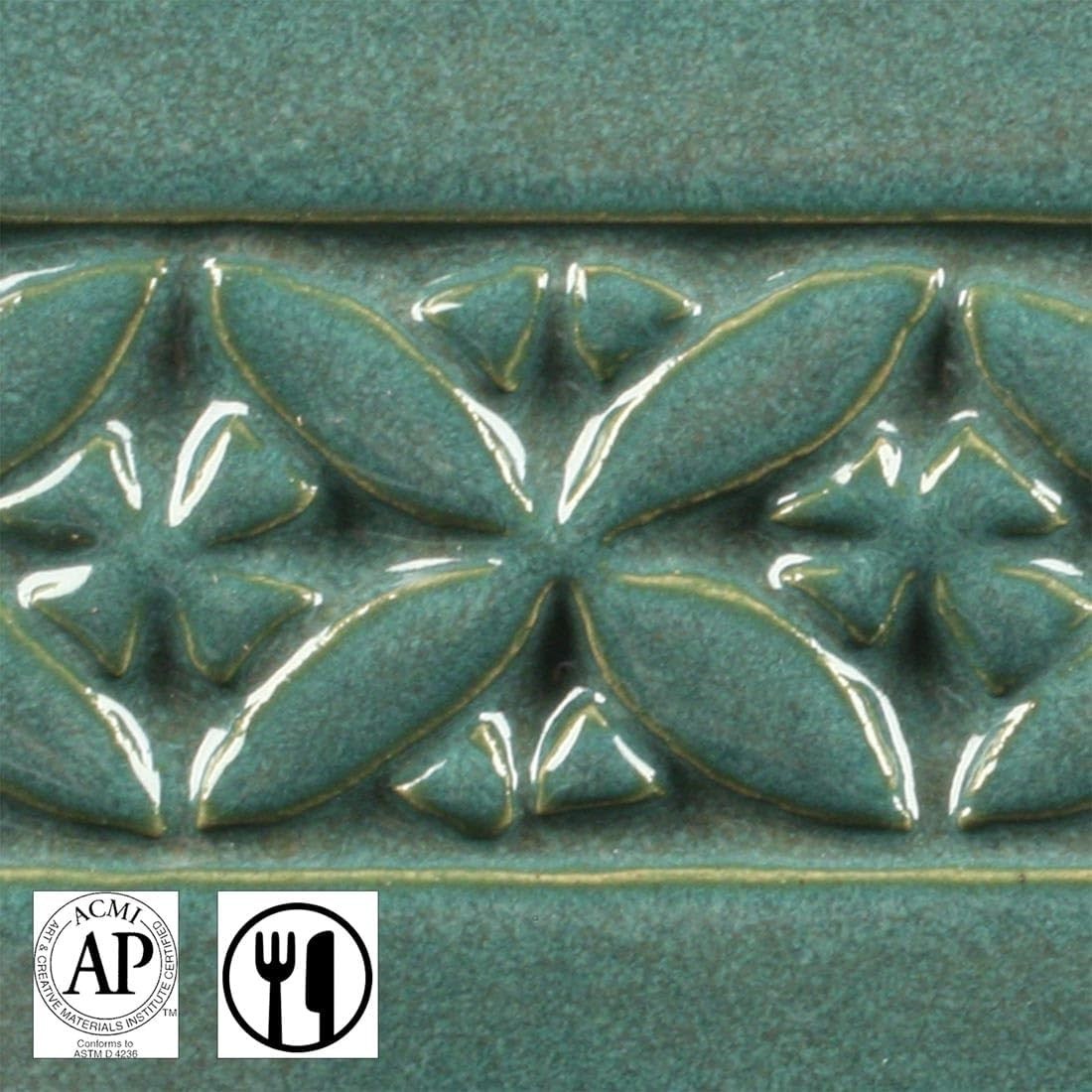

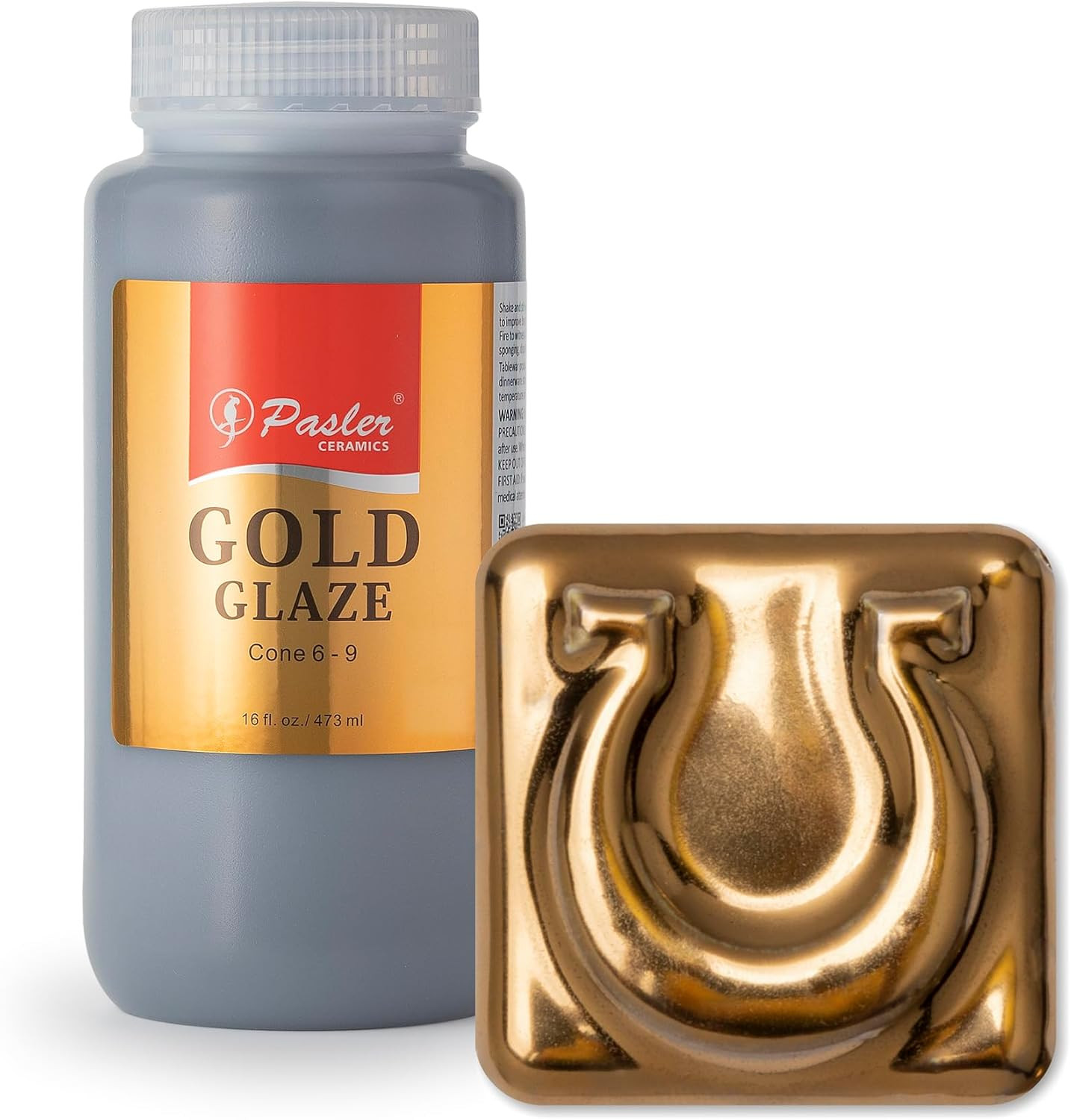
Photos from current listings. Actual item, color, and included accessories may vary.
Ceramic Glaze Pot Buying Guide
A ceramic glaze pot is a ready-to-use, pre-mixed liquid glaze supplied in pint or ounce containers for dipping, pouring, or brushing onto bisque-fired pottery. The key trade-off is firing range versus finish control: low-fire glazes (cone 06–04) offer predictable bright color but weaker durability, while high-fire glazes (cone 5–10) fuse into the clay body for food-safe, chip-resistant surfaces but demand accurate kiln calibration and compatible clay. Buy high-fire, lead-free glazes when the piece will contact food or water; choose low-fire or specialty glazes only for decorative work where abrasion and thermal shock are not factors.
Median $35.09
Key takeaways
- Cone rating is the primary compatibility metric: cone 06–04 glazes mature at roughly 1828–1945°F, while cone 5–10 glazes require 2167–2345°F and will not fully fuse at low-fire temperatures.
- Lead-free labeling is mandatory for food-safe surfaces; glazes containing lead or cadmium are decorative-only and must never contact food or drink.
- Glaze chemistry determines finish: zinc and titanium opacify and matte, boron and lead flux for gloss and low-fire melt, and high alumina/silica ratios raise maturing temperature and durability.
At a glance
- Category
- Ceramic Glazes & Colors
- Last updated
- Nov 23, 2026
Current offers
Highlights
- Cone rating is the primary compatibility metric: cone 06–04 glazes mature at roughly 1828–1945°F, while cone 5–10 glazes require 2167–2345°F and will not fully fuse at low-fire temperatures.
- Lead-free labeling is mandatory for food-safe surfaces; glazes containing lead or cadmium are decorative-only and must never contact food or drink.
- Glaze chemistry determines finish: zinc and titanium opacify and matte, boron and lead flux for gloss and low-fire melt, and high alumina/silica ratios raise maturing temperature and durability.
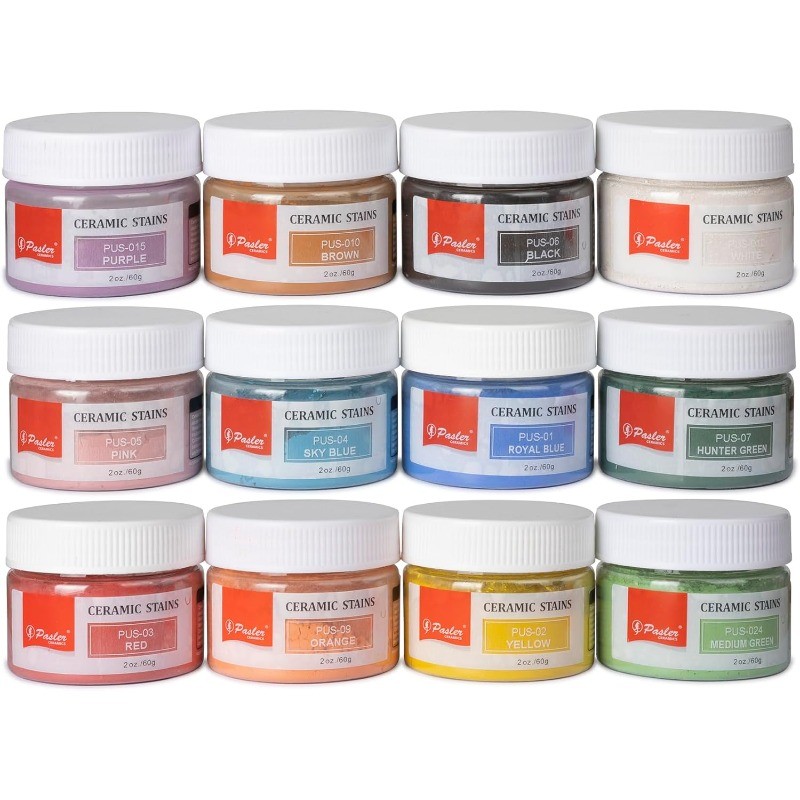
- Pint (16 fl oz) containers cover roughly 3–5 square feet at brushing consistency; 60 g pigment powders are colorants for mixing into base glazes, not stand-alone brushable glaze.
Best use cases
- Food-safe dinnerware and mugs: choose a lead-free, cone 5–10 gloss or satin glaze rated food-safe and pair it with a mid- or high-fire stoneware body; skip low-fire decorative glazes.
- Sculptural and decorative raku or low-fire work: pick cone 06–04 glazes or specialty crackle finishes where thermal shock and food contact are not concerns.
- Custom color development: use 60 g ceramic stain pigments to tint a clear or white base glaze at 2–10% by dry weight; do not apply pigment powder directly to bisque as a glaze.
Buying tips
- Match the glaze cone rating to your clay body's maturity cone within one cone; underfired glaze stays powdery and soluble, overfired glaze runs and can adhere to kiln shelves.
- For food-contact ware, buy only glazes explicitly labeled lead-free and food-safe and confirm the fired surface is gloss or satin, not a matte that can harbor bacteria.
- Estimate coverage at roughly 1 pint per 3–5 square feet of brushed surface; buy the larger container size for dip or pour application on repeated batches.
- Use ceramic stains at 2–10% addition by dry weight of base glaze; above 10% most stains can cause crawling, blistering, or color shift at high fire.
Specs
| Firing Range | Low-fire (cone 06–04) vs High-fire (cone 5–10) |
|---|---|
| Food Safety | Lead-free / food-safe vs decorative-only |
| Container Size | Pint (16 fl oz) vs 60 g stain powder |
| Finish Type | Gloss / Satin / Matte / Specialty |
Related searches
What to check before buying
- Confirm your kiln can reach and reliably hold the glaze's maturing cone, including the correct cone for your clay body.
- Verify the clay body and glaze share a compatible firing range (low-fire earthenware, mid-fire stoneware, or high-fire porcelain/stoneware).
- Check that your work area has ventilation and that glaze containers are labeled with cone, food-safety status, and lead content.
- For food-safe claims, confirm the fired glaze is fully vitrified and the piece will not be used in direct stovetop or broiler contact.
FAQ
Data sources: eBay / Amazon listings and product attribute feeds. Updated Nov 23, 2026.
Some links on this page are affiliate links. If you buy after clicking one, we may earn a commission at no extra cost to you. This does not change which products appear here or their order. Affiliate disclosure.