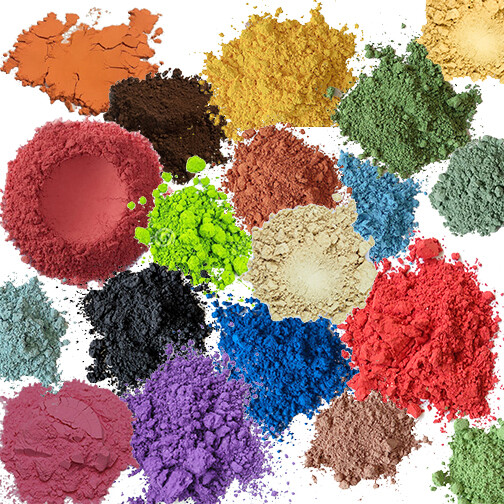

Photos from current listings. Actual item, color, and included accessories may vary.
Ceramic Paint Buying Guide
Ceramic paint encompasses underglazes, stains, and pigments formulated to bond with clay or bisque before a high-fire glaze, not decorative acrylics. The key trade-off is pigment stability and firing range: true ceramic colors survive cone 04–10, while craft paints blister or fade. Choose underglaze for paintable opacity on greenware or bisque; choose stains for tinting slips and glazes—skip any acrylic 'ceramic paint' for functional ware.
Median $74.49
Key takeaways
- Underglazes are clay-based pigments applied to greenware or bisque, then covered with a clear glaze and fired to cone 04–10 for food-safe surfaces.
- Ceramic stains are concentrated metal-oxide colorants mixed into glazes or slips at 1–10% by weight—not painted directly on ware.
- Pigment body chemistry dictates firing range: cadmium-selenium reds cap at cone 06, while cobalt and iron colors stay stable to cone 10.
At a glance
- Category
- Ceramic Glazes & Colors
- Last updated
- Nov 23, 2026
Current offers

Highlights
- Underglazes are clay-based pigments applied to greenware or bisque, then covered with a clear glaze and fired to cone 04–10 for food-safe surfaces.
- Ceramic stains are concentrated metal-oxide colorants mixed into glazes or slips at 1–10% by weight—not painted directly on ware.
- Pigment body chemistry dictates firing range: cadmium-selenium reds cap at cone 06, while cobalt and iron colors stay stable to cone 10.
- Liquid underglaze sets need 3 coats for opacity; dry pigment sets require a media (water, slip, or glaze) and proper ball-milling for smooth color.
Best use cases
- Best fit: Paintable underglaze sets for hand-brushed detail on bisque or greenware—pick a liquid set with a clear overglaze for food-safe finished pots.
- Best fit: Dry pigment stains for potters tinting their own glazes or slips—use 1–5% additions by weight and test-fire before committing a batch.
- Wrong fit: Acrylic 'ceramic paint' pens or craft bottles for functional dinnerware—they sit on the surface and degrade in dishwashers; use only on non-food decorative pieces.
- Wrong fit: High-fire stains in a low-fire kiln schedule—check the color's rated cone; cadmium reds and oranges will burn out above cone 06.
Buying tips
- Match the product's rated cone to your kiln schedule: low-fire (cone 06–04) for bright reds/oranges, mid-fire (cone 5–6) for durability, high-fire (cone 9–10) for reduction effects.
- For underglaze opacity, buy liquid sets with high pigment load—3 coats should cover dark clay; thin sets need 5+ coats and still look streaky.
- Choose stain sets that list pigment chemistry (e.g., cobalt, iron, chrome-tin) so you can predict color shift and firing stability.
- Skip any 'ceramic paint' that lists acrylic resin or water-based craft binder—it will not fuse to clay and is not food-safe after firing.
Specs
| Product Type | Underglaze / Stain / Overglaze |
|---|---|
| Firing Range | Cone 06–10 (low to high fire) |
| Pigment Base | Clay-based / Metal-oxide stain |
| Form | Liquid / Dry powder / Pen |
Related searches
What to check before buying
- Confirm your kiln's maximum cone and firing schedule before buying—stains rated for cone 10 may still shift color in reduction.
- Measure your ware: underglaze sets cover roughly 1 sq ft per ounce at 3 coats; buy enough for your batch size.
- Check clay body compatibility: dark stoneware needs opaque underglaze; porcelain shows thin washes best.
- Verify food-safety: only underglaze sealed under a food-safe clear glaze is dinnerware-safe—stains mixed into glaze inherit the glaze's rating.
FAQ
Data sources: eBay / Amazon listings and product attribute feeds. Updated Nov 23, 2026.
Some links on this page are affiliate links. If you buy after clicking one, we may earn a commission at no extra cost to you. This does not change which products appear here or their order. Affiliate disclosure.