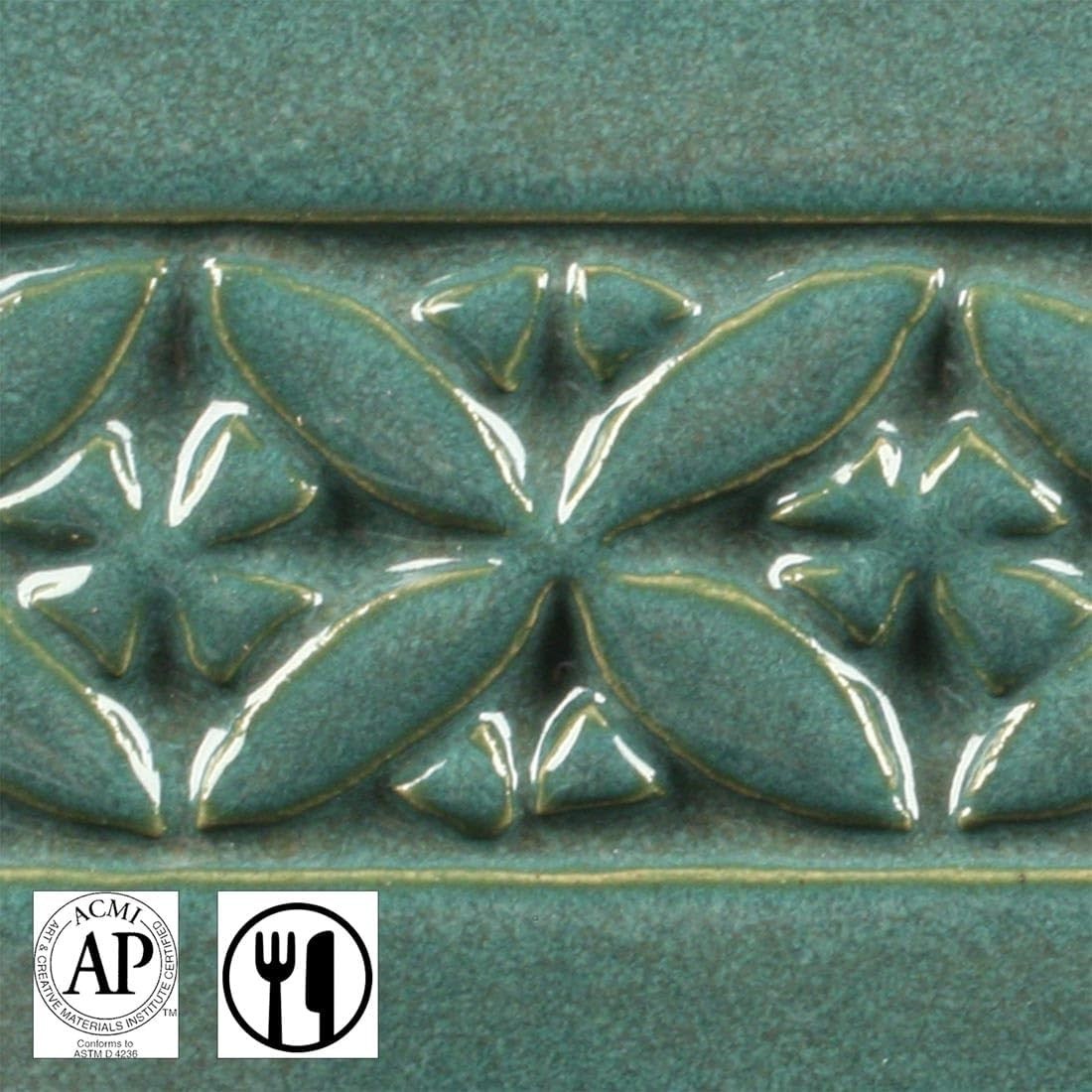

Photos from current listings. Actual item, color, and included accessories may vary.
Pottery Glaz Buying Guide
Pottery glaze is a vitreous glass coating applied to bisque-fired clay to seal, color, and make ware food-safe; the core decision is matching the glaze's maturation temperature and application method to your clay body and firing setup. The decisive rule: buy glazes rated for your exact cone or °C range with a documented food-safe finish, and treat any unlabeled or mismatched-temperature product as a decorative-only compromise.
Median $35.09
Key takeaways
- Cone rating determines fit: low-fire 06-04 (≈1000-1060°C), mid-fire 5-6 (≈1200-1240°C), high-fire 9-10 (≈1280-1300°C) glazes must match your clay's vitrification range or craze and shiver.
- Food safety depends on chemistry, not marketing: lead-free and barium-free formulations with a gloss or satin matrix and no copper or cadmium colorants are the reliable choice for dinnerware surfaces.
- Commercial brush-on glazes use a gum-suspension system (e.g., AMACO PC-27 Tourmaline, Pint, gloss) that stays in suspension and layers evenly, unlike dry-mix powders that require ball milling and sieving.
At a glance
- Category
- Ceramic Glazes & Colors
- Last updated
- Nov 23, 2026
Current offers
Highlights
- Cone rating determines fit: low-fire 06-04 (≈1000-1060°C), mid-fire 5-6 (≈1200-1240°C), high-fire 9-10 (≈1280-1300°C) glazes must match your clay's vitrification range or craze and shiver.
- Food safety depends on chemistry, not marketing: lead-free and barium-free formulations with a gloss or satin matrix and no copper or cadmium colorants are the reliable choice for dinnerware surfaces.
- Commercial brush-on glazes use a gum-suspension system (e.g., AMACO PC-27 Tourmaline, Pint, gloss) that stays in suspension and layers evenly, unlike dry-mix powders that require ball milling and sieving.
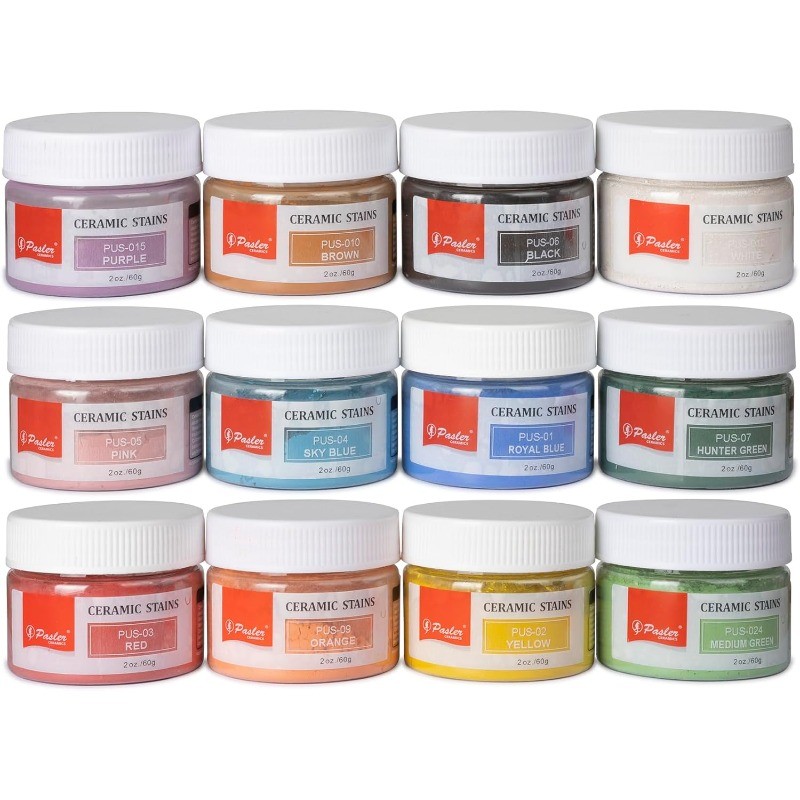
- Ceramic stains are body colorants, not glazes: 60g pigment powders are blended into slip, engobe, or clear glaze at roughly 1-10% by dry weight and need a covering clear glaze for food contact.
Best use cases
- Home studio potter firing mid-fire stoneware in a 5-6 cone electric kiln: choose brush-on dipping/brushing glazes rated Cone 5-6 with lead-free labeling and a full-body clay match; skip low-fire earthenware glazes that will underfire and remain porous.
- Dinnerware and functional ware: pick gloss or satin food-safe glazes with no copper or cadmium in the surface layer; skip metallic, matte-crystalline, or raku glazes for any surface contacting food.
- Sculpture, tiles, and decorative surfaces: high-fire Cone 9-10 glazes and stain pigments give richer color and durability where food safety is irrelevant; skip food-safe premium glazes you do not need and save them for functional ware.
Buying tips
- Match the glaze cone to the clay body, not the kiln: stoneware bisque- and glaze-fires at Cone 5-6 or 9-10; earthenware at 06-04; a one-cone mismatch causes crazing or peeling.
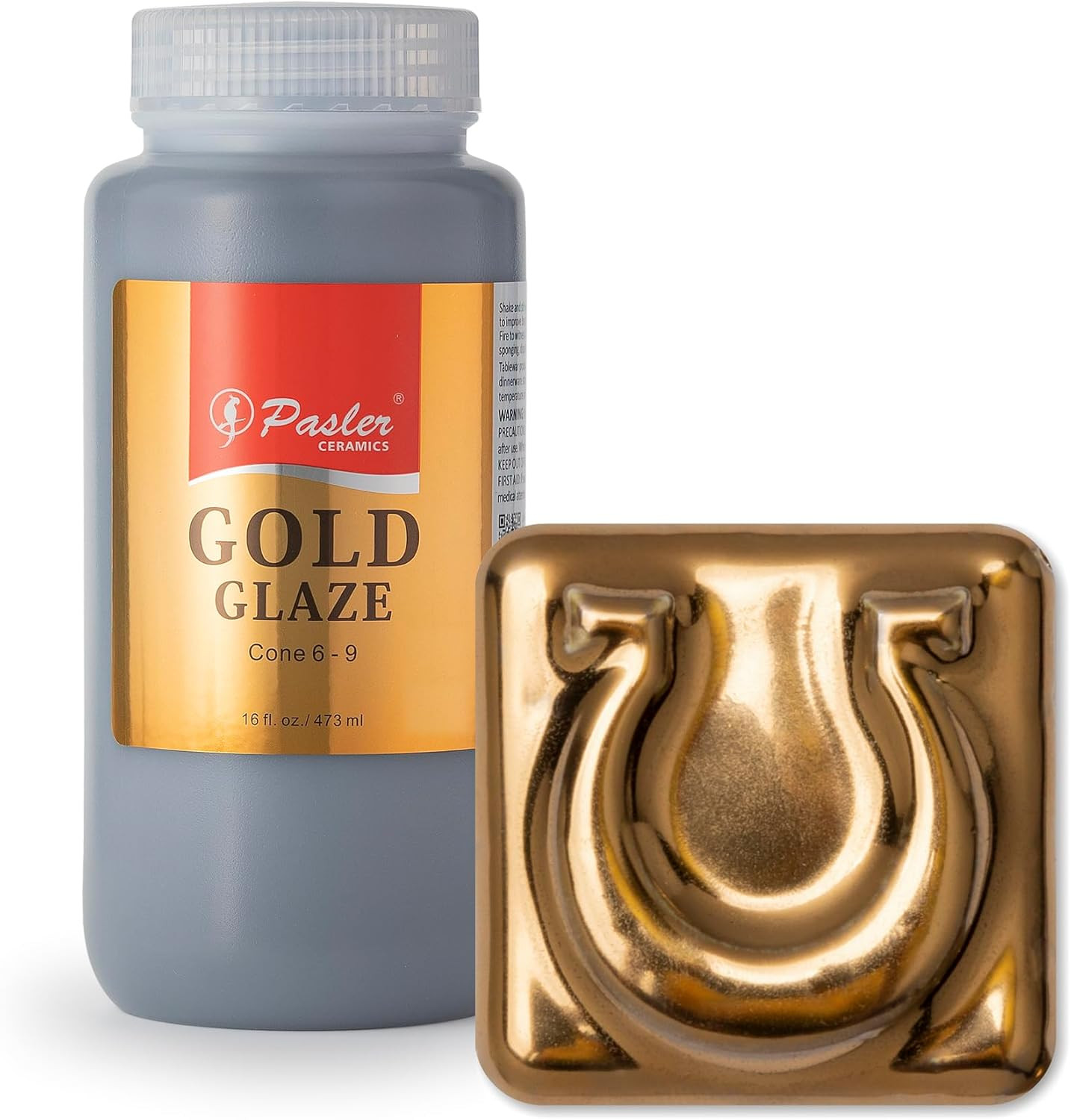
- Buy liquid brush-on glaze in pint or 16 fl oz containers for small tests and touch-ups; switch to dry glaze in 5-10 lb bags once you know your recipe and need repeat coverage.
- For pigment powders, limit additions to about 1-10% of dry glaze weight; above 10% stains can bleed, blister, or alter the glaze's maturation point.
- Check the finish label: gloss and satin are food-safe; matte, crystalline, and metallic finishes are decorative unless the manufacturer explicitly states a food-safe formulation.
Specs
| Firing Range | Low-fire 06-04 to high-fire 9-10 |
|---|---|
| Finish Type | Gloss / satin / matte / metallic |
| Food Safety | Lead-free / barium-free gloss |
| Form | Brush-on liquid / dry mix / stain powder |
Related searches
What to check before buying
- Confirm your kiln's actual achievable cone and your clay body's recommended glaze-firing range before buying any glaze or stain.
- Measure ware and kiln shelf space: brush-on glaze covers roughly 1-2 square feet per pint depending on coats; plan quantities for the batch size you fire.
- Verify ventilation and safety gear for lead-free versus leaded glazes; leaded glazes are for decorative ware only and require dedicated tools and cleanup.
- Confirm your kiln voltage and plug standard match your studio supply (typical 240V for larger electric kilns) and that you have proper furniture, stilts, and witness cones.
FAQ
Data sources: eBay / Amazon listings and product attribute feeds. Updated Nov 23, 2026.
Some links on this page are affiliate links. If you buy after clicking one, we may earn a commission at no extra cost to you. This does not change which products appear here or their order. Affiliate disclosure.