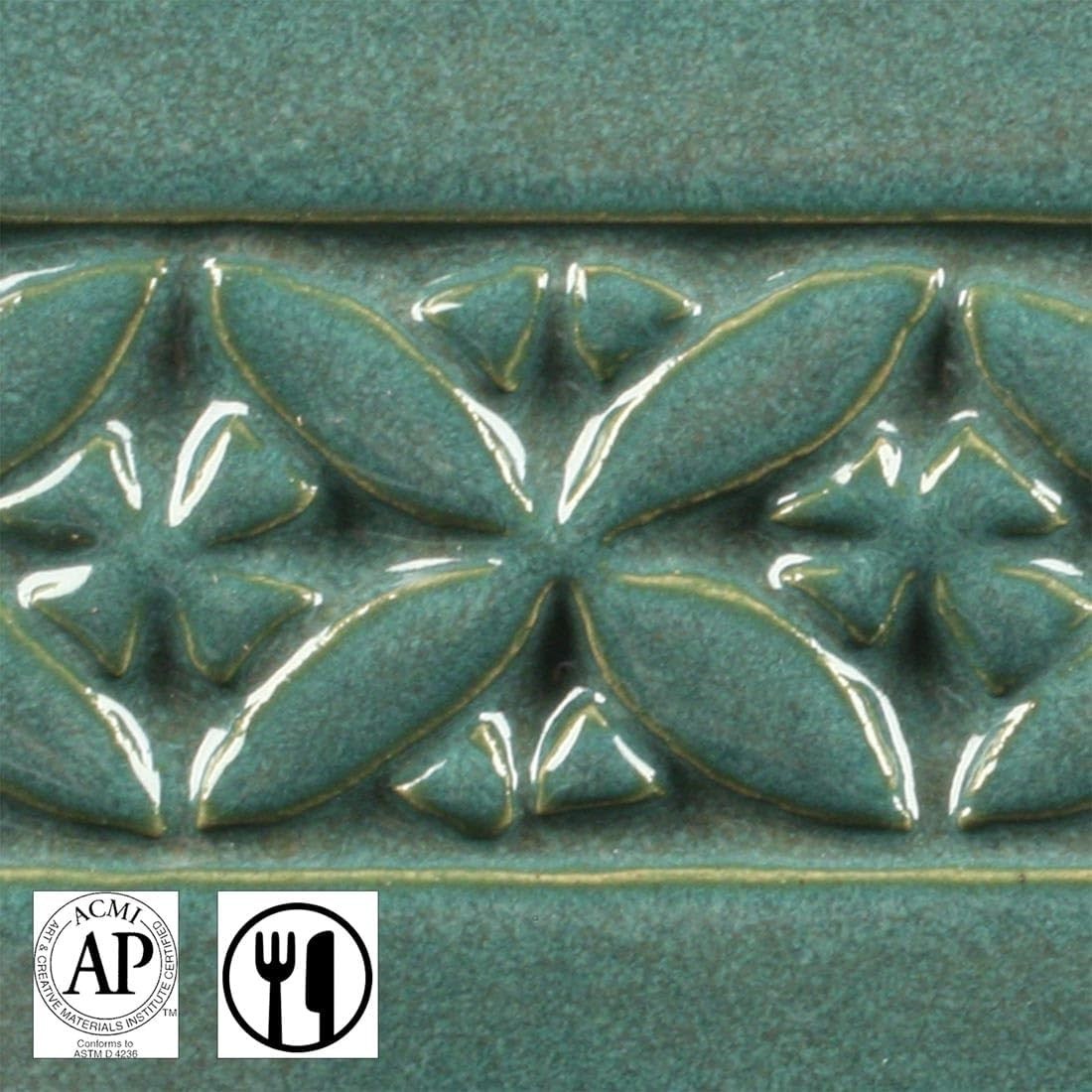

Photos from current listings. Actual item, color, and included accessories may vary.
Pottery Glaze Buying Guide
Pottery glaze is a glass-forming coating applied to bisque-fired clay that determines food safety, surface durability, and firing compatibility. The core trade-off is between low-fire ease (cone 06–04, broad color palette) and high-fire integration (cone 5–10, stronger vitrification but tighter color control). The decision rule: match the glaze's rated cone range to your clay body and kiln, and require a confirmed food-safe rating for any ware that contacts food or drink.
Median $35.09
Key takeaways
- Cone rating is the primary compatibility gate: low-fire glazes (cone 06–04) mature at ~1830–1945°F, mid-fire at cone 5–6 (~2167–2232°F), and high-fire at cone 9–10 (~2300–2340°F); firing outside a glaze's rated range causes under-maturity or running/boiling defects.
- Lead-free and food-safe labeling are separate claims: a lead-free glaze can still be unsuitable for food if its fired surface is crazed, rough, or leaches colorants; confirmed food-safe status requires a stable, non-crazing fired finish.
- Commercial liquid glazes are pre-mixed suspensions sold by fluid volume (pints, 16 fl oz) with specific gravity around 1.4–1.6; dry glazes and stains are sold by weight (e.g., 60 g pigment powders) and must be mixed with a frit or base glaze.
At a glance
- Category
- Ceramic Glazes & Colors
- Last updated
- Nov 23, 2026
Current offers
Highlights
- Cone rating is the primary compatibility gate: low-fire glazes (cone 06–04) mature at ~1830–1945°F, mid-fire at cone 5–6 (~2167–2232°F), and high-fire at cone 9–10 (~2300–2340°F); firing outside a glaze's rated range causes under-maturity or running/boiling defects.
- Lead-free and food-safe labeling are separate claims: a lead-free glaze can still be unsuitable for food if its fired surface is crazed, rough, or leaches colorants; confirmed food-safe status requires a stable, non-crazing fired finish.
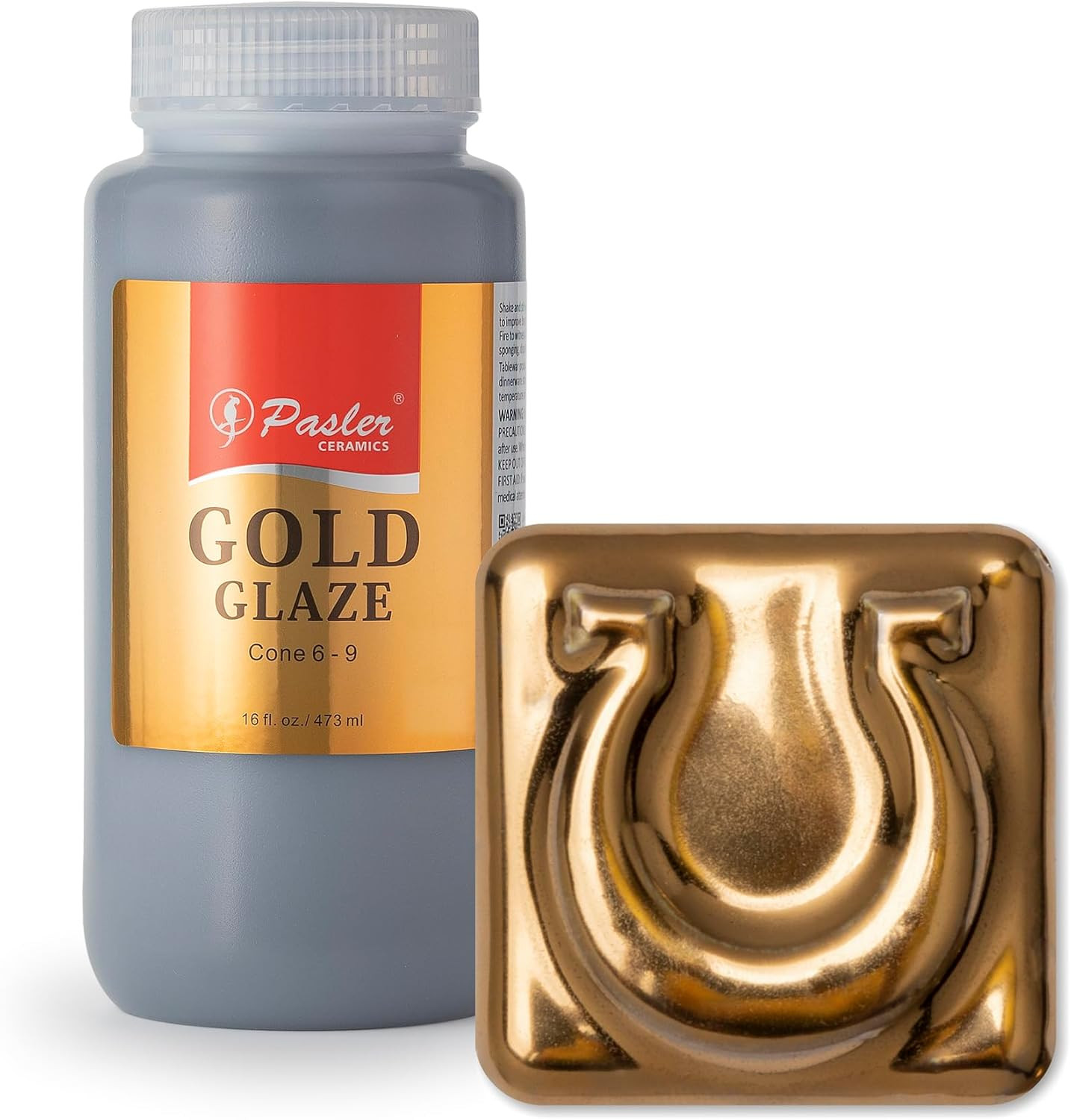
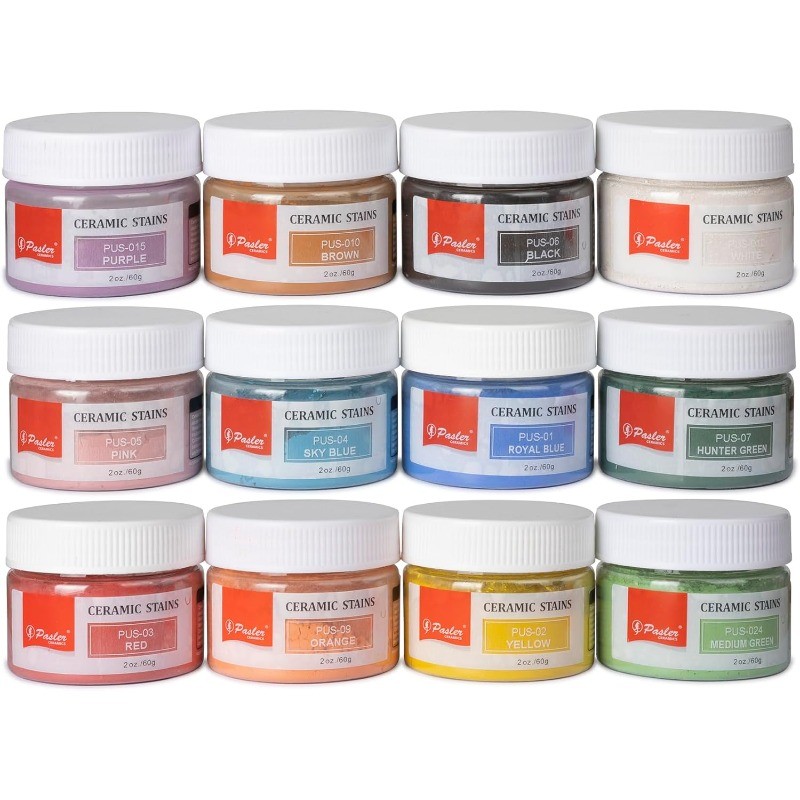
- Commercial liquid glazes are pre-mixed suspensions sold by fluid volume (pints, 16 fl oz) with specific gravity around 1.4–1.6; dry glazes and stains are sold by weight (e.g., 60 g pigment powders) and must be mixed with a frit or base glaze.
- Glaze finish (gloss, satin, matte) and colorant chemistry determine durability: gloss glazes are generally more hygienic and craze-resistant on functional ware; matte surfaces can be food-safe when correctly formulated but tend to stain and abrade more.
Best use cases
- Best fit: mid-fire functional dinnerware — choose a cone 5–6 gloss glaze labeled food safe and lead free, applied over a cone 5–6 stoneware body; skip low-fire glazes that will under-mature at stoneware temperatures.
- Best fit: low-fire decorative and sculptural work — choose cone 06–04 glazes for broad, bright color response and reliable results in small electric kilns; do not use these on functional ware unless the fired surface is confirmed stable and non-crazing.
- Best fit: high-fire reduction or gas work — choose cone 9–10 glazes rated for the kiln atmosphere; skip mid-fire glazes, which will boil or run at cone 9–10 and can damage kiln shelves.
- Wrong fit: buying dry colorant powders as a standalone 'glaze' — stains and pigments require a base glaze or frit; a 60 g pigment powder is not a ready-to-apply coating and will not form a durable surface alone.
Buying tips
- Match the glaze cone to the clay body cone within one cone: cone 5–6 clay with cone 5–6 glaze, cone 9–10 clay with cone 9–10 glaze; never fire a low-fire glaze to stoneware temperature.
- For functional ware, select glazes explicitly labeled food safe and lead free, and prefer gloss finishes; avoid matte or highly textured glazes on food-contact surfaces unless the manufacturer confirms food-safe formulation.
- Calculate coverage from fluid volume: a pint (16 fl oz) typically glazes a small batch of mugs or bowls at 2–3 coats; dry pigments and stains are measured by weight and require a base glaze plus binder.
- Buy compatible companion products — frit or base glaze for stains, proper brushing/ dipping medium, and kiln wash for shelves — because glaze alone will not fire correctly without the matching clay and firing schedule.
Specs
| Cone Range | Low 06–04 / Mid 5–6 / High 9–10 |
|---|---|
| Food Safety | Explicit food-safe label required |
| Lead Content | Lead-free vs leaded (avoid for food) |
| Finish Type | Gloss / satin / matte |
Related searches
What to check before buying
- Confirm your clay body's rated cone range and firing atmosphere (oxidation vs reduction) before selecting a glaze; the glaze cone must fall within the clay's maturity range.
- Measure ware and kiln shelf space: liquid glaze volume must cover the number and surface area of pieces you plan to fire; pints cover small batches, while larger volumes suit repeated production.
- Verify your kiln reaches and holds the glaze's rated cone, and that its elements and controller can execute the required firing schedule without over- or under-firing.
- For food-contact ware, confirm the fired glaze surface is smooth, uncrazed, and labeled food safe and lead free, and that the clay body is also rated for food use.
FAQ
Data sources: eBay / Amazon listings and product attribute feeds. Updated Nov 23, 2026.
Some links on this page are affiliate links. If you buy after clicking one, we may earn a commission at no extra cost to you. This does not change which products appear here or their order. Affiliate disclosure.