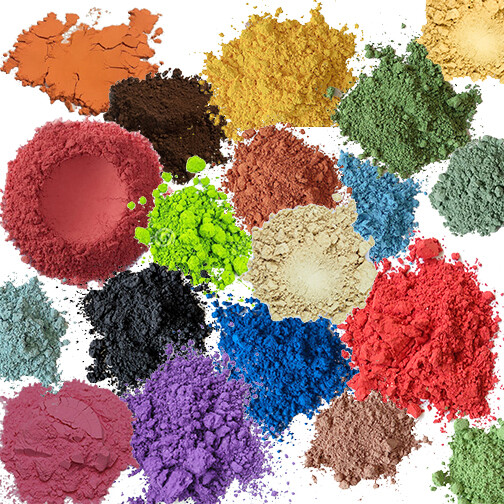

Photos from current listings. Actual item, color, and included accessories may vary.
Pottery Paint Buying Guide
Pottery paint spans underglazes, glazes, stains, and acrylics, each with different firing and durability rules. The core trade-off is kiln-fired ceramic bonding versus air-dry convenience. Choose kiln-fired underglaze or glaze for functional ware; choose acrylic or air-dry only for decorative, non-food items.
Paint Type:Underglaze / Glaze / Stain / AcrylicFiring Cone:Cone 04-06 low-fire / Cone 6 mid-fireFood Safety:Requires food-safe glaze sealFinish:Matte / Gloss / Satin (glaze-dependent)
Typical price range$68.99
Key takeaways
- Underglazes fire at cone 04-06 (approx 1830-2010°F) and require a clear overglaze for food safety and gloss.
- Stains are metallic oxide pigments for body tinting or brushwork; they need a flux or glaze to seal and are not standalone food-safe.
- Acrylic pottery paint bonds by solvent/water evaporation, not vitrification—it scratches, fades, and is not dishwasher-safe.
At a glance
- Category
- Ceramic Glazes & Colors
- Last updated
- Nov 23, 2026
Current offers
Highlights
- Underglazes fire at cone 04-06 (approx 1830-2010°F) and require a clear overglaze for food safety and gloss.
- Stains are metallic oxide pigments for body tinting or brushwork; they need a flux or glaze to seal and are not standalone food-safe.
- Acrylic pottery paint bonds by solvent/water evaporation, not vitrification—it scratches, fades, and is not dishwasher-safe.
- Glazes vitrify at cone 6 (2232°F) or cone 10 (2345°F) and form a glass layer; confirm clay body maturity matches glaze cone.
Best use cases
- Functional mugs and dinnerware: pick cone-matched underglaze plus food-safe clear glaze; skip air-dry acrylics and uncertified stains.
- Sculptural or wall décor: use acrylics or air-dry paints for fast, low-cost color; skip kiln firing entirely.
- Kids' classroom projects: choose non-toxic water-based acrylics on air-dry clay; skip lead-glazed or high-fire products.
- Detailed brushwork on bisque: use underglaze for opaque lines, then clear glaze; avoid thick stain layers that blister under glaze.
Buying tips
- Match product cone rating to your clay body: cone 04 bisque for low-fire underglaze, cone 6 for mid-fire glazes—mismatch causes shivering or crawling.
- For food-contact surfaces, select glazes labeled food-safe and lead-free; underglazes must be fully sealed under a food-safe clear glaze.
- Check pigment concentration: opaque underglazes cover in 2-3 coats; translucent stains need a white base for bright results.
- Buy water-based acrylics for brush cleanup and low odor; solvent-based enamels require ventilation and are not food-safe.
Specs
| Paint Type | Underglaze / Glaze / Stain / Acrylic |
|---|---|
| Firing Cone | Cone 04-06 low-fire / Cone 6 mid-fire |
| Food Safety | Requires food-safe glaze seal |
| Finish | Matte / Gloss / Satin (glaze-dependent) |
Related searches
What to check before buying
- Confirm your kiln or studio fires to the product's cone rating; no kiln access means air-dry or acrylic only.
- Measure bisque surface: porous, dust-free bisque holds underglaze; sealed or glossy surfaces repel water-based paint.
- Verify food-safety certification on glaze labels for plates, mugs, and bowls used with food.
- Check clay body maturity cone against glaze cone; overfiring causes running, underfiring causes matte, unstable surfaces.
FAQ
Data sources: eBay / Amazon listings and product attribute feeds. Updated Nov 23, 2026.
Some links on this page are affiliate links. If you buy after clicking one, we may earn a commission at no extra cost to you. This does not change which products appear here or their order. Affiliate disclosure.