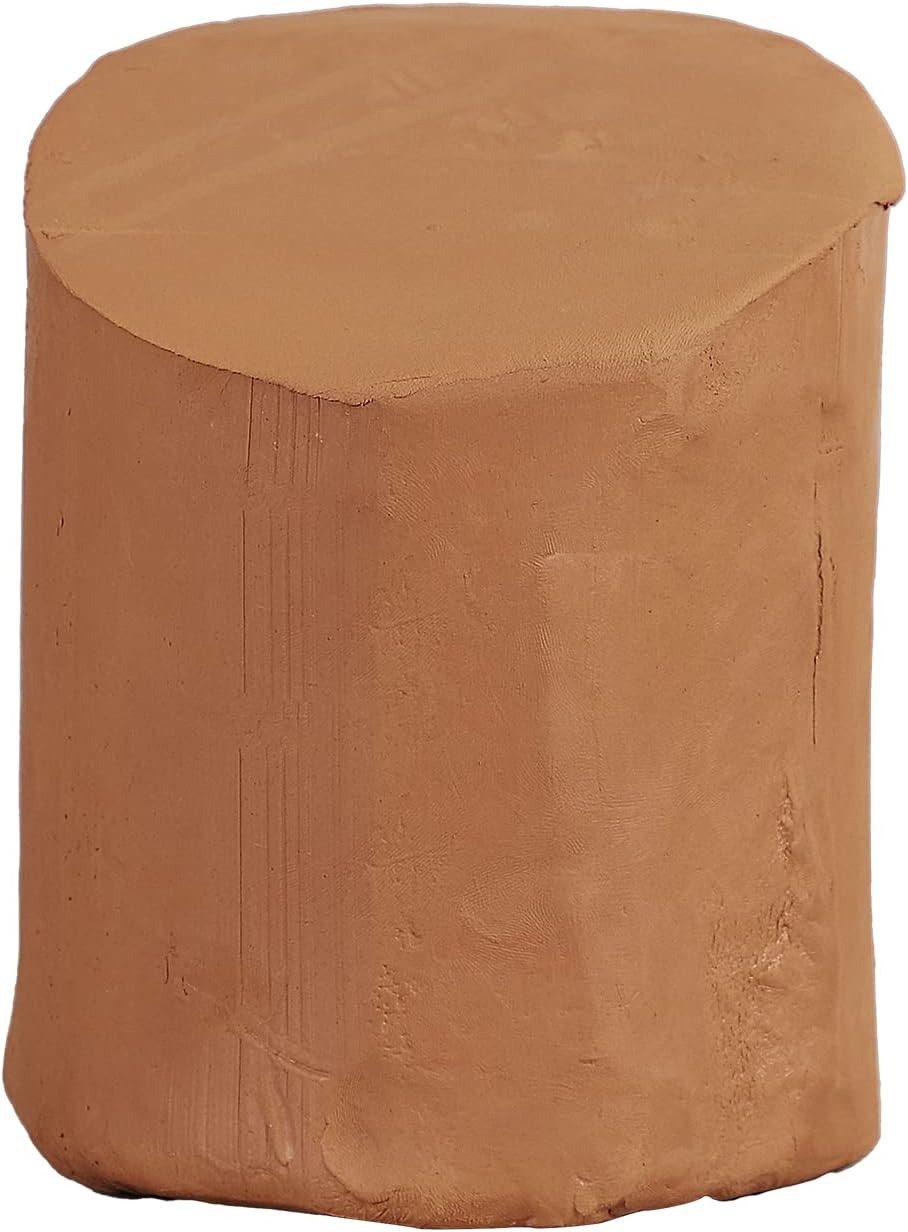

Photos from current listings. Actual item, color, and included accessories may vary.
Pottery Clay Buying Guide
Pottery clay is a plastic, workable ceramic body supplied in moist blocks for wheel throwing, hand-building, and sculpting. The primary trade-off is firing temperature versus color and plasticity: low-fire earthenware (cone 06–04) is easy to throw and vividly colored but porous and chip-prone, while mid-fire stoneware (cone 5–6) and high-fire porcelain (cone 9–10) demand tighter kiln control yet yield vitrified, durable ware. The decision rule: buy low-fire earthenware for beginners and decorative pieces, step to mid-fire stoneware for functional dinnerware, and choose porcelain only with cone 10 capability and prior throwing experience.
Median $39.56
Key takeaways
- Low-fire earthenware matures at cone 06–04 (1830–1945°F); it stays porous (5–15% absorption) so it needs glaze for food safety and is prone to thermal shock.
- Mid-fire stoneware matures at cone 5–6 (2167–2232°F) with 1–3% absorption; it is vitrified enough for daily dishware and tolerates dishwashers better than earthenware.
- Porcelain and high-fire stoneware need cone 9–10 (2300–2345°F) and a kiln rated to that temperature; porcelain's low plasticity makes it harder to center on the wheel than stoneware.
At a glance
- Category
- Pottery Clay & Ceramic Bodies
- Last updated
- Nov 23, 2026
Current offers
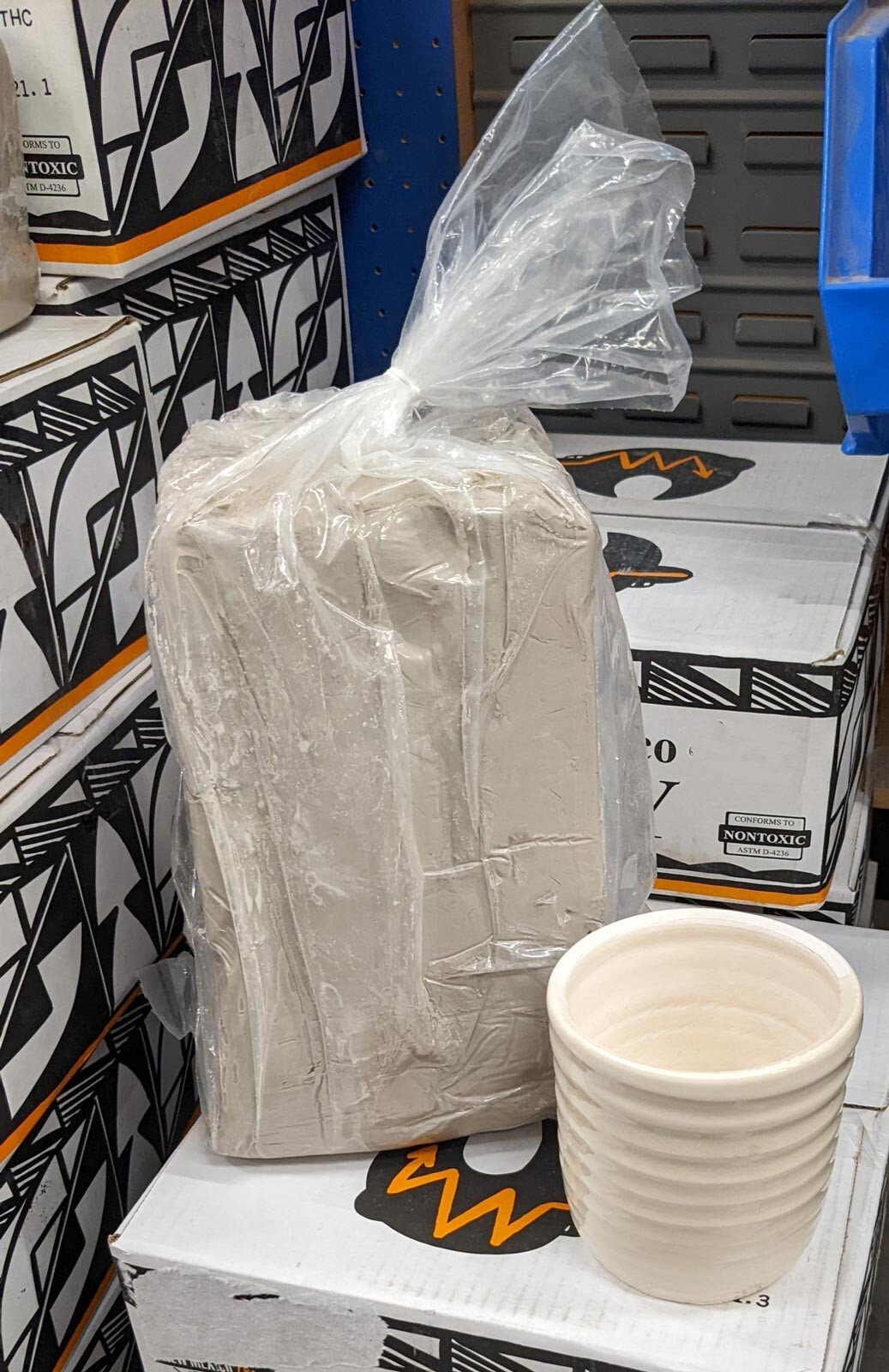
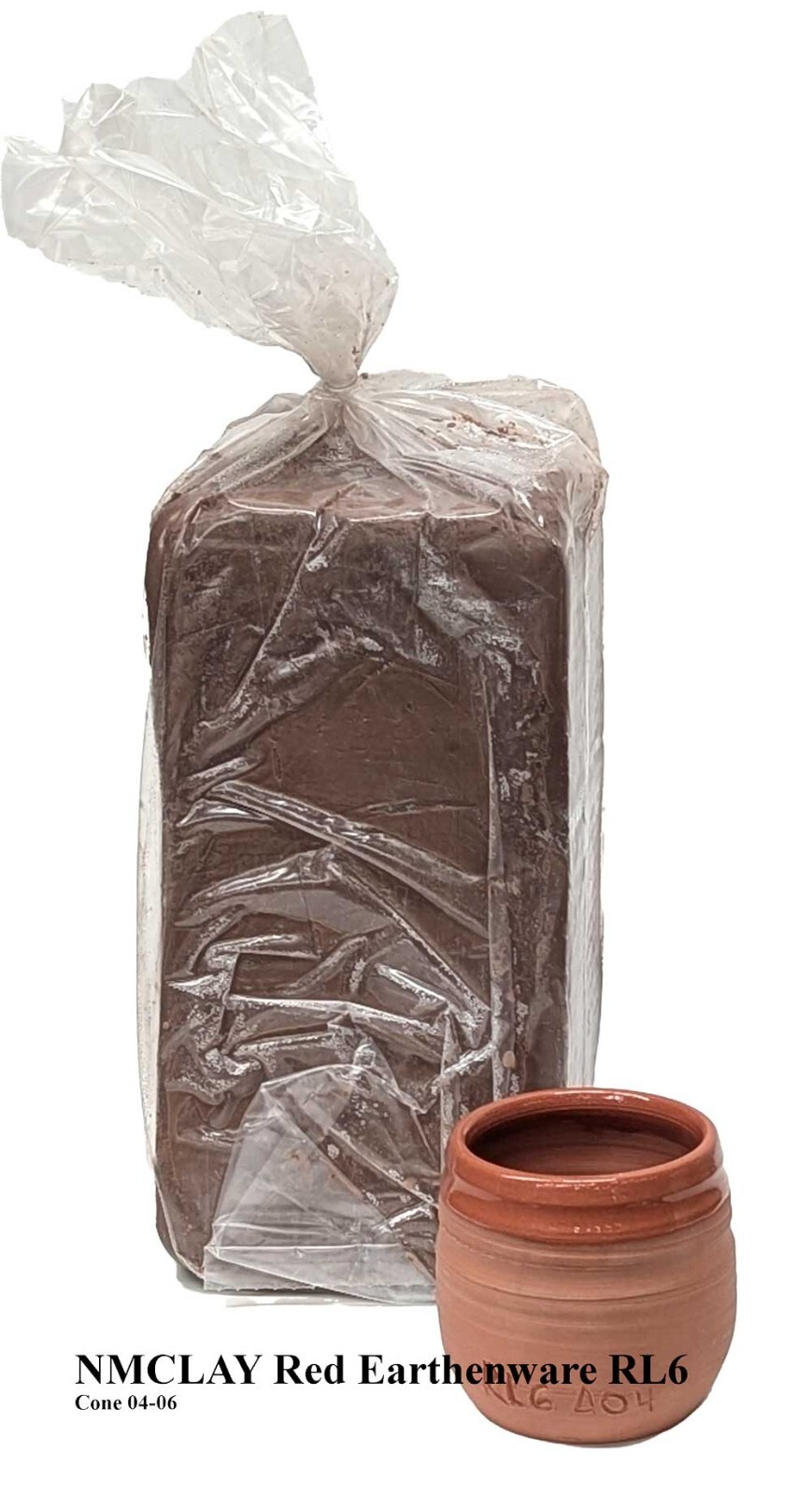
Highlights
- Low-fire earthenware matures at cone 06–04 (1830–1945°F); it stays porous (5–15% absorption) so it needs glaze for food safety and is prone to thermal shock.
- Mid-fire stoneware matures at cone 5–6 (2167–2232°F) with 1–3% absorption; it is vitrified enough for daily dishware and tolerates dishwashers better than earthenware.
- Porcelain and high-fire stoneware need cone 9–10 (2300–2345°F) and a kiln rated to that temperature; porcelain's low plasticity makes it harder to center on the wheel than stoneware.
- Moist clay is sold by weight in sealed blocks or bags; a 25 lb block is a standard bulk unit, while 5 lb bags suit beginners testing a body before committing to bulk.
Best use cases
- Best fit: beginners and wheel-throwing classes should pick low-fire red or white earthenware in a 5 lb bag — it centers easily by hand and forgivingly accepts glaze at cone 06–04.
- Best fit: home studios producing functional mugs and bowls should choose mid-fire stoneware at cone 5–6; skip earthenware because its porosity and thermal shock risk undermine daily use.
- Best fit: sculptors and hand-builders wanting bold color should use red earthenware for its coarse tooth and plastic strength; skip porcelain, whose low green strength sags on large forms.
- Wrong fit: buyers without a kiln rated to the clay's maturation temperature — buy clay only after confirming the kiln reaches cone 06–10; air-dry clay is a separate product.
Buying tips
- Match the clay's cone rating to your kiln's maximum: earthenware needs cone 06–04, stoneware cone 5–6, porcelain cone 9–10; firing a body above its rating bloats and slumps the ware.
- Buy a 5 lb bag to test plasticity, shrinkage, and glaze fit before committing to a 25 lb block; shrinkage of 5–12% means a 10-inch thrown plate dries to roughly 8.8–9.5 inches.
- Keep the body and glaze in the same firing range: low-fire clay with low-fire glaze, mid-fire with mid-fire glaze; mismatched expansion causes crazing or shivering.
- Choose red earthenware for sculpture and decorative raku, white earthenware for bright glaze colors; stoneware for chip-resistant functional ware, porcelain for translucency.
Specs
| Firing Range | Low-fire 06–04 / Mid 5–6 / High 9–10 |
|---|---|
| Body Type | Earthenware / Stoneware / Porcelain |
| Water Absorption | Earthenware 5–15% / Stoneware 1–3% |
| Shrinkage | 5–12% drying + firing |
Related searches
What to check before buying
- Confirm your kiln's maximum cone rating equals or exceeds the clay body's maturation cone before buying any block.
- Measure your wheel's recommended clay weight: most 12–14 inch wheels comfortably center 5–25 lb; very large blocks need a high-torque wheel.
- Plan storage: moist clay must stay sealed and cool; a 25 lb block needs a lidded bin and plastic wrap to prevent drying between sessions.
- Verify you have the matching glaze firing range and a ventilated space, since clay dust (silica) requires wet cleanup and a respirator when mixing dry clay.
FAQ
Data sources: eBay / Amazon listings and product attribute feeds. Updated Nov 23, 2026.
Some links on this page are affiliate links. If you buy after clicking one, we may earn a commission at no extra cost to you. This does not change which products appear here or their order. Affiliate disclosure.