
Photos from current listings. Actual item, color, and included accessories may vary.
Craft Cutting Buying Guide
Craft cutting machines split into two distinct architectures: digital cutters driven by software (vinyl, paper, fabric) and manual die-cutters that press steel dies through rollers. The decisive trade-off is digital versatility versus manual simplicity — digital machines need a computer or app, while manual presses need physical dies but zero power or firmware. Buy digital if you cut varied shapes and materials; buy manual for repetitive, thick-media embossing with no software dependency.
Median $115.82
Key takeaways
- Digital cutters use either drag-blade carriages (vinyl, paper) or higher-force mechanisms (Cricut Maker's adaptive tool system) for fabric and balsa; blade force directly caps material thickness.
- Cutting width tiers matter: 6-inch manual presses and compact cutters handle cardstock and small dies; 12-inch digital cutters match standard 12x12 vinyl rolls and mat sizes.
- Cricut Explore Air 2 is a drag-blade Bluetooth cutter; Cricut Maker adds a stronger carriage for rotary blades and deep-cut tools — a genuine architecture difference, not a firmware tier.
At a glance
- Category
- Craft Cutting, Embroidery & Heat Press Machines
- Last updated
- Nov 29, 2026
Current offers
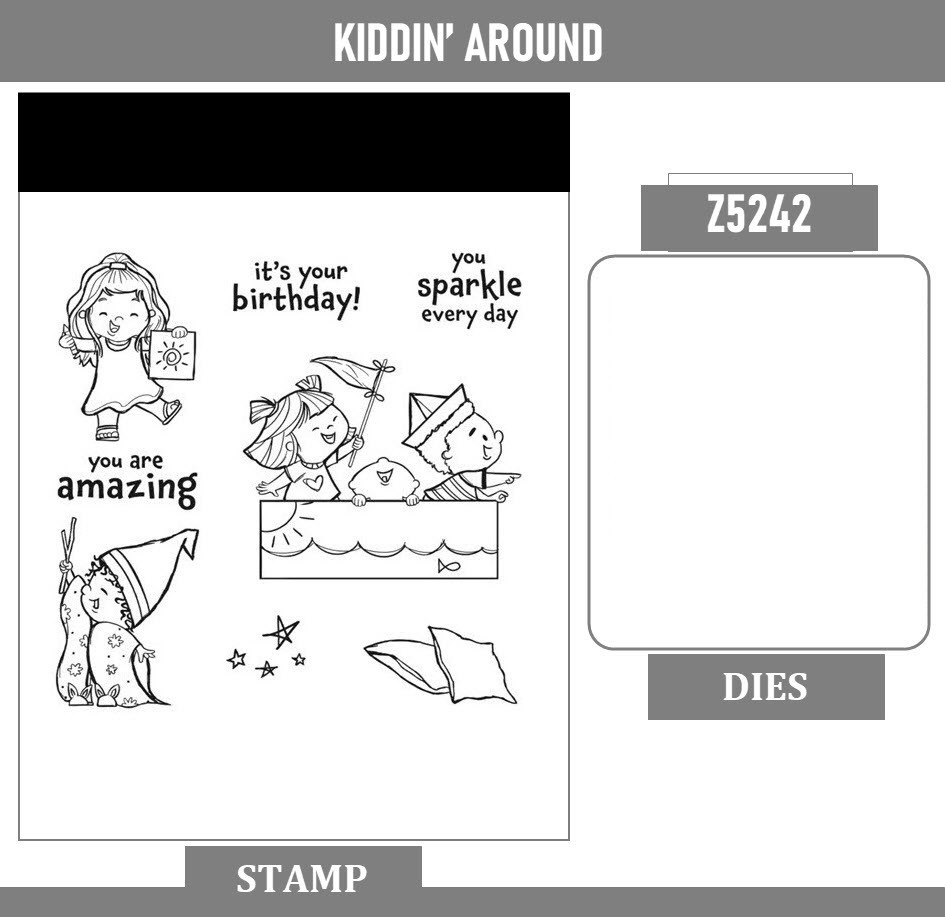 KIDDIN’ AROUND Stamps and Cutting Dies Scrapbooking DIY Card Making Craft$7.47Last checked Nov 29, 2026View on eBay
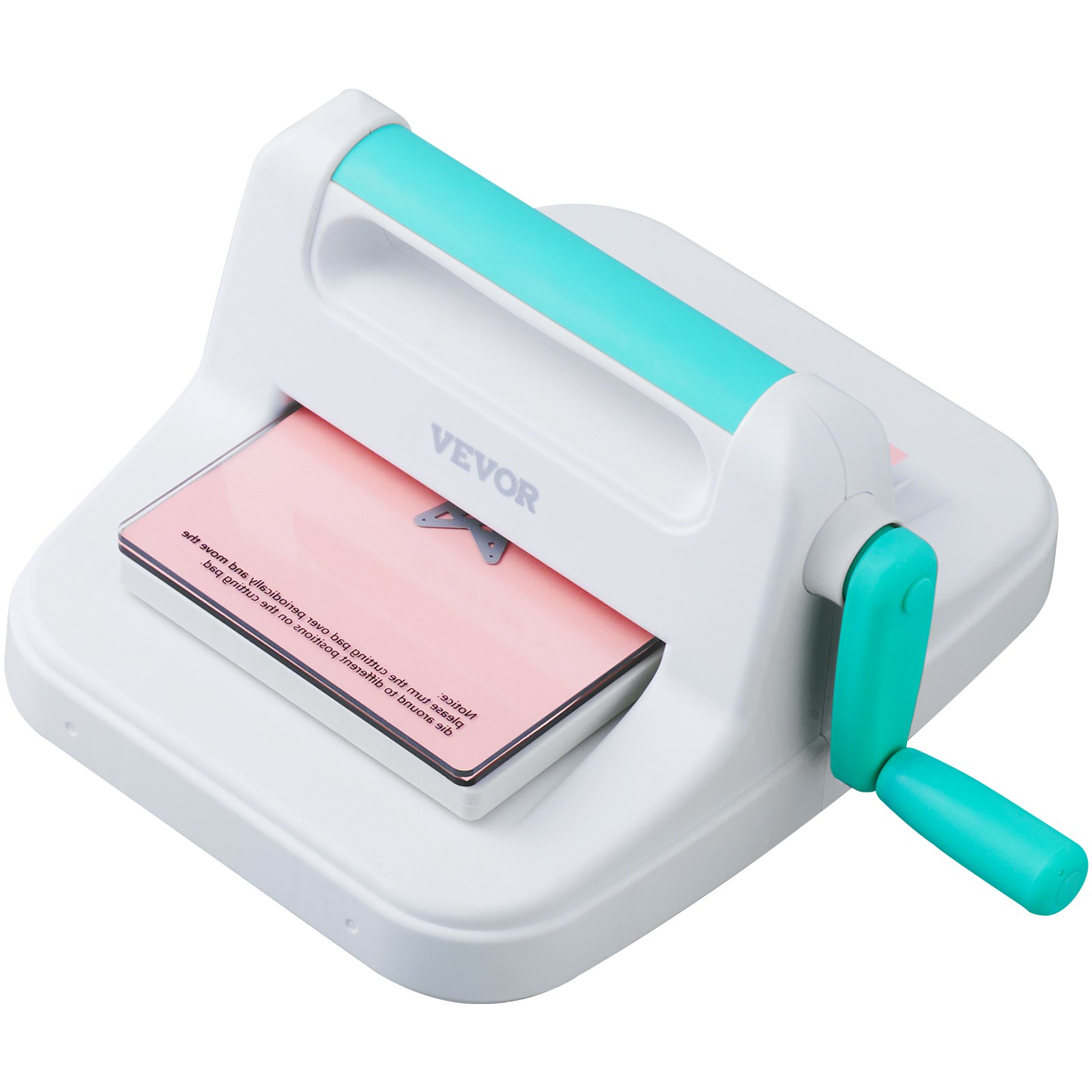 Manual Die Cutting & Embossing Machine, Portable Cut Machines, 6 Inch Opening Scrapbooking Full Kit Included, For Arts & Crafts, Card Making And Crafting, White$83.99View on Mallflare
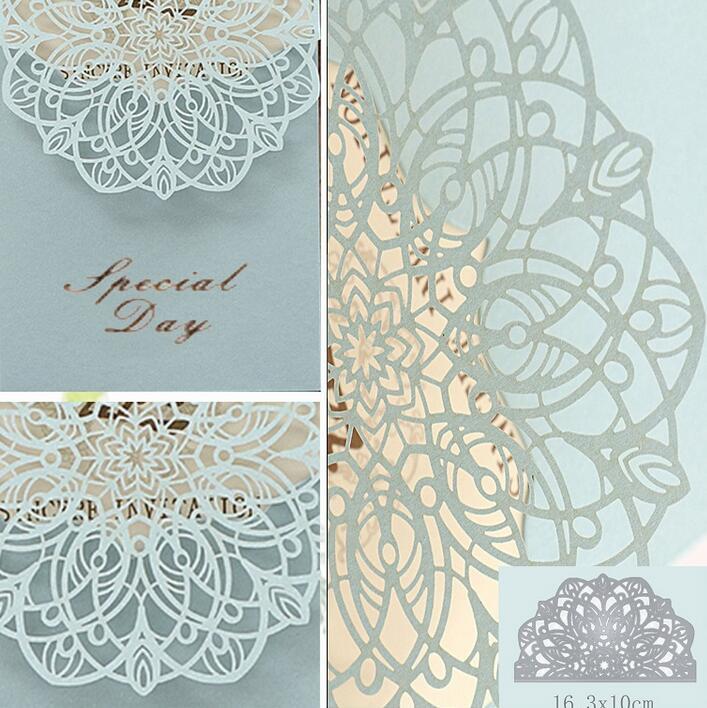 Lace Metal Cutting Dies Scrapbooking Paper Crafts Embossing Stencils Die Cut Diy$7.97Last checked Nov 26, 2026View on eBay
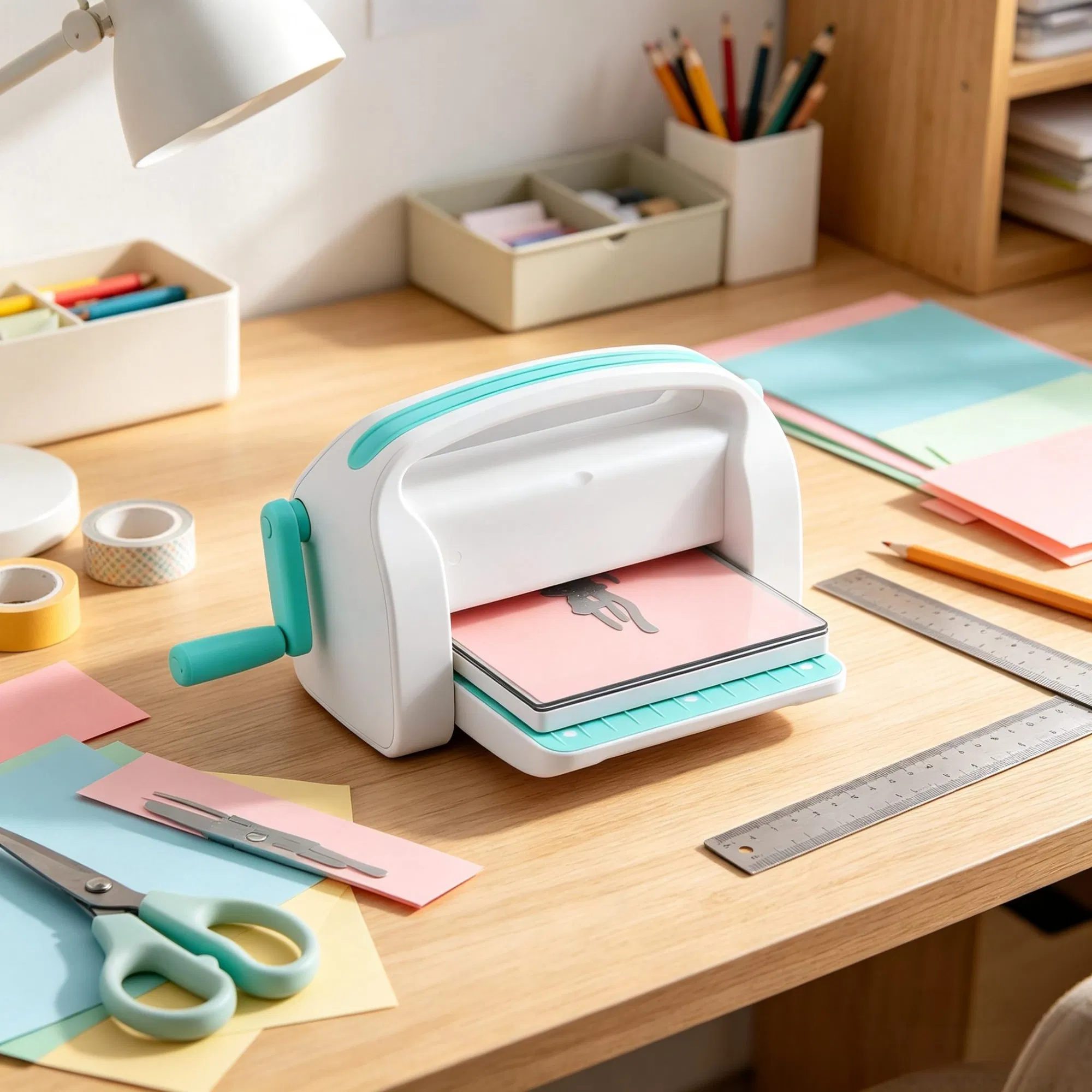 White Manual Die Cutting & Embossing Machine, 9 Inch Opening Portable Scrapbooking with Full Kit, Ideal for Arts, Crafts, Card Making & Paper Crafting$210.99View on Mallflare
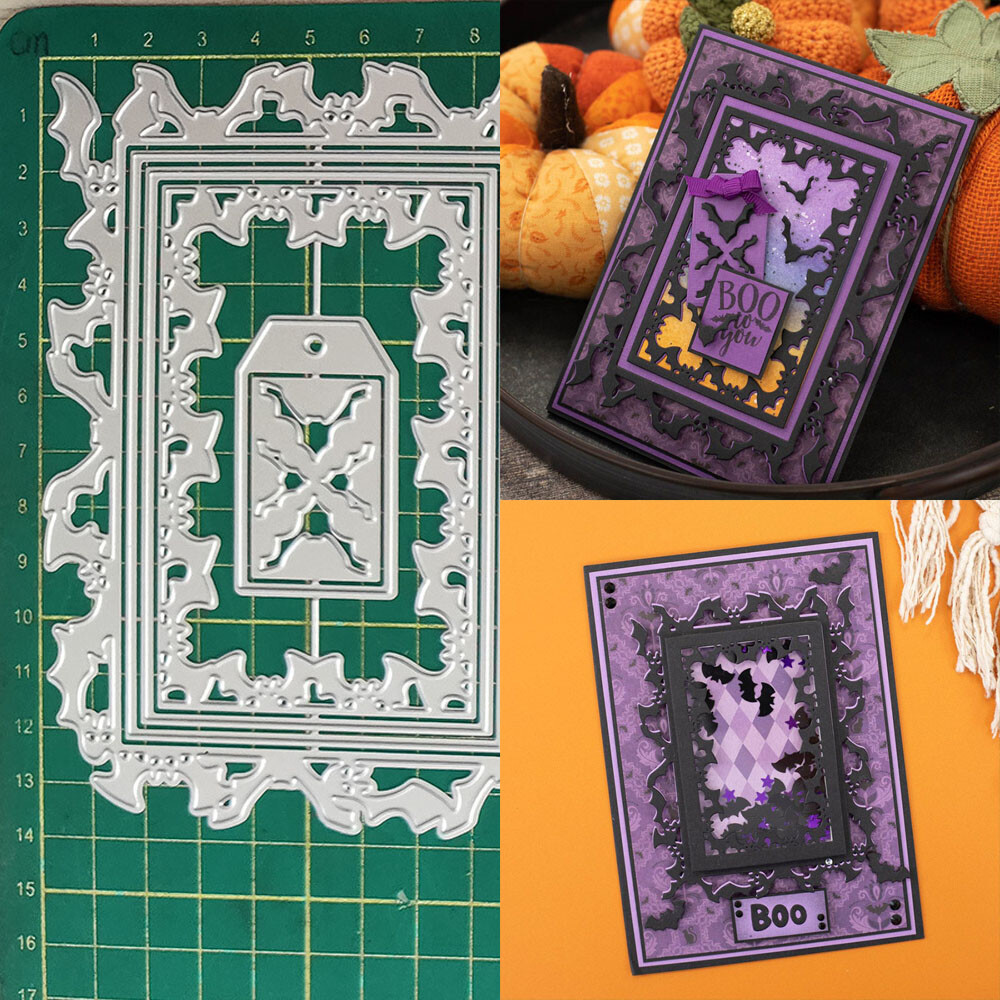 Halloween Metal Cutting Dies Scrapbooking Paper Crafts Embossing Stencil Die Cut$8.77Last checked Nov 26, 2026View on eBay
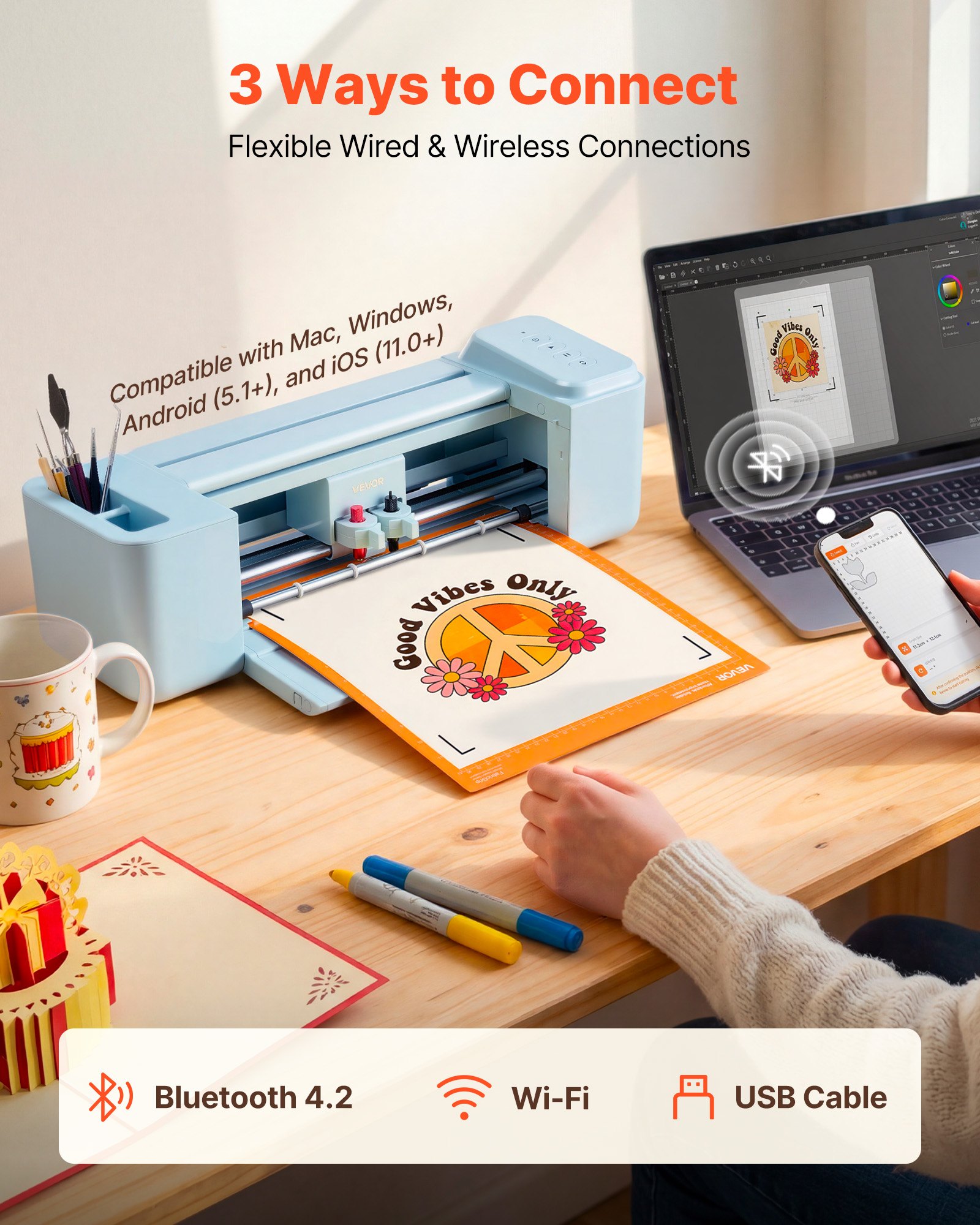 Vinyl Cutting Machine, 12 In, Button-Controlled Cutter, 5000+ Built-in Design Resources, Compatible With Mac, Windows, Android And IOS, For Creating Customized Crafts Cards, Home Decor$248.99View on Mallflare
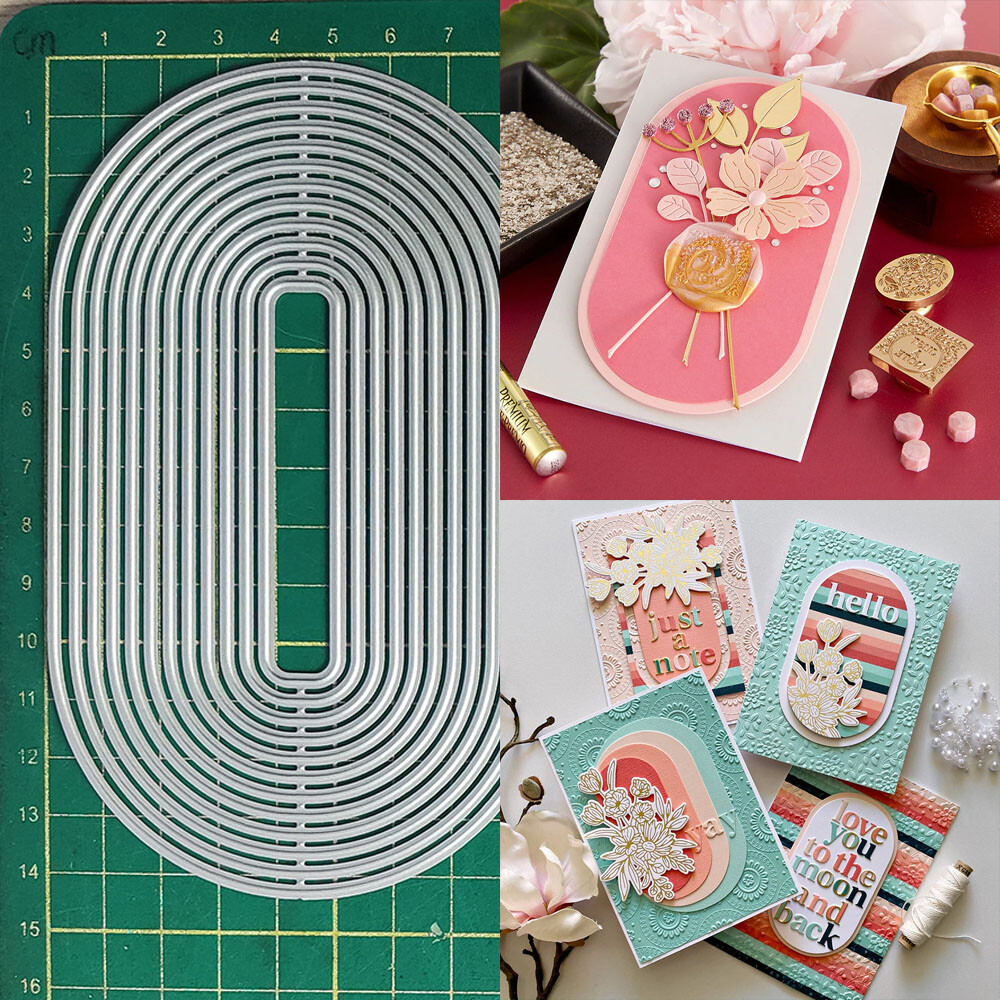 Frame Metal Cutting Dies Scrapbooking Paper Crafts Embossing Stencils Mould Cut$11.80Last checked Nov 26, 2026View on eBay
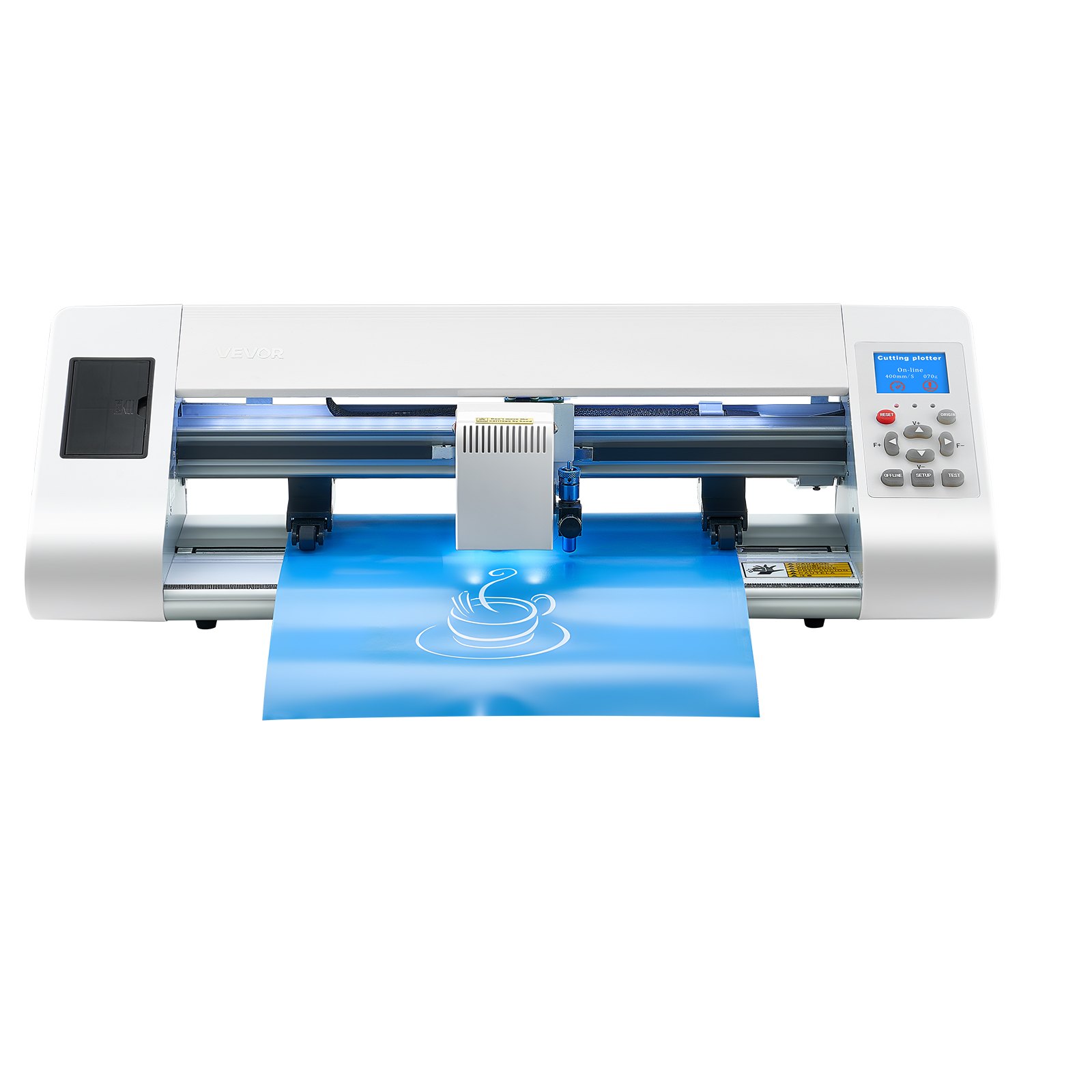 Cutting Machine, Automatic Edge Detection Vinyl Cutter With Design Software And Materials, Compatible Multiple File Formats, For Creating Customized DIY Crafts, Cards, Stickers$276.99View on Mallflare
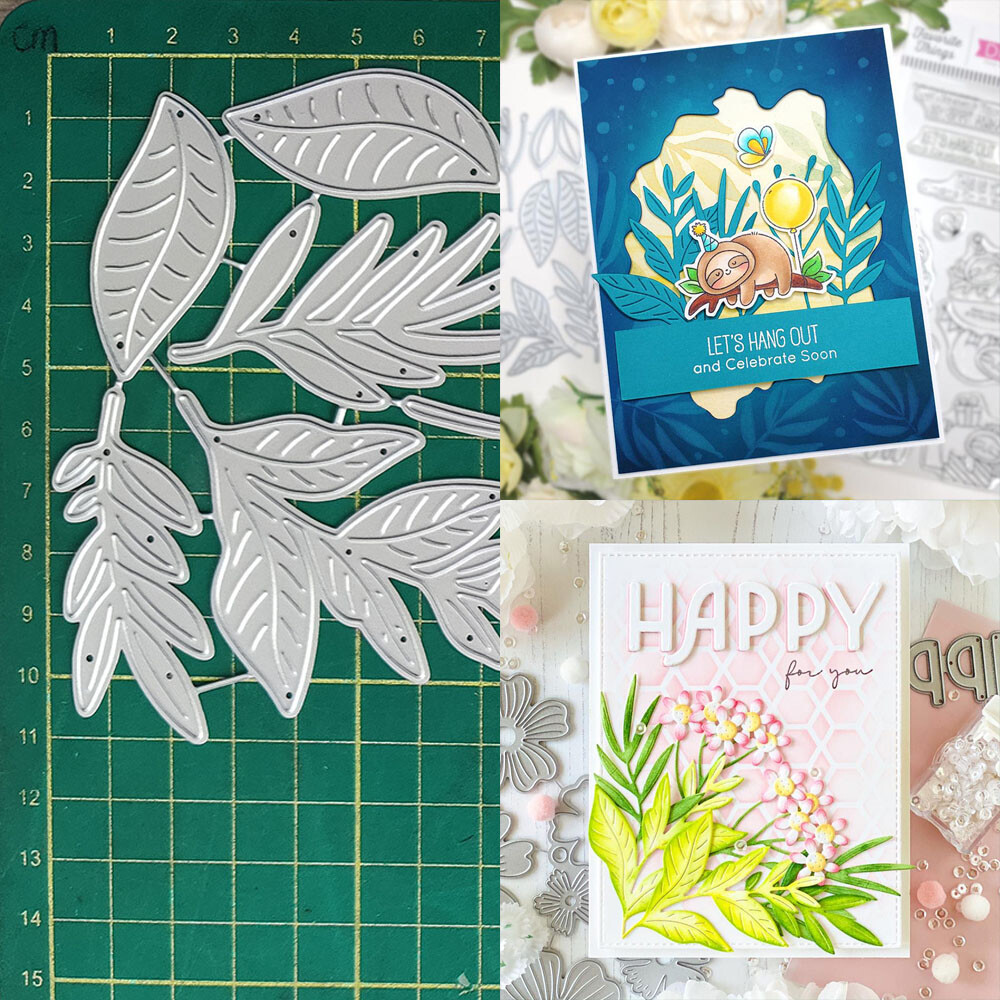 Leaf Metal Cutting Dies Scrapbooking Paper Crafts Embossing Stencils Template$11.89Last checked Nov 24, 2026View on eBay
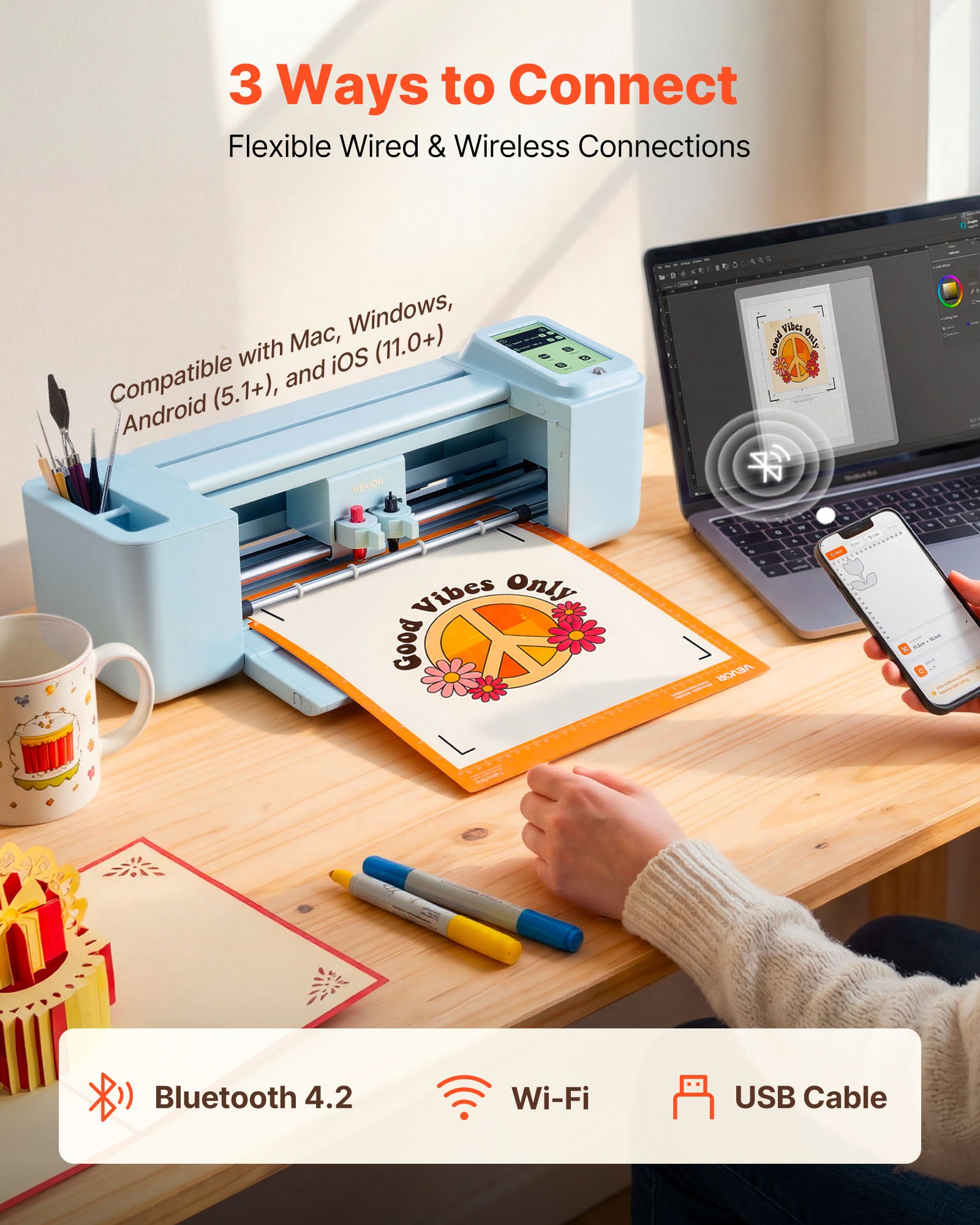 Vinyl Cutting Machine, 12 In, Touchscreen-Controlled Cutter, 5000+ Built-in Design Resources, Compatible With Mac, Windows, Android And IOS, For Creating Customized Crafts Cards, Decor$277.99View on Mallflare
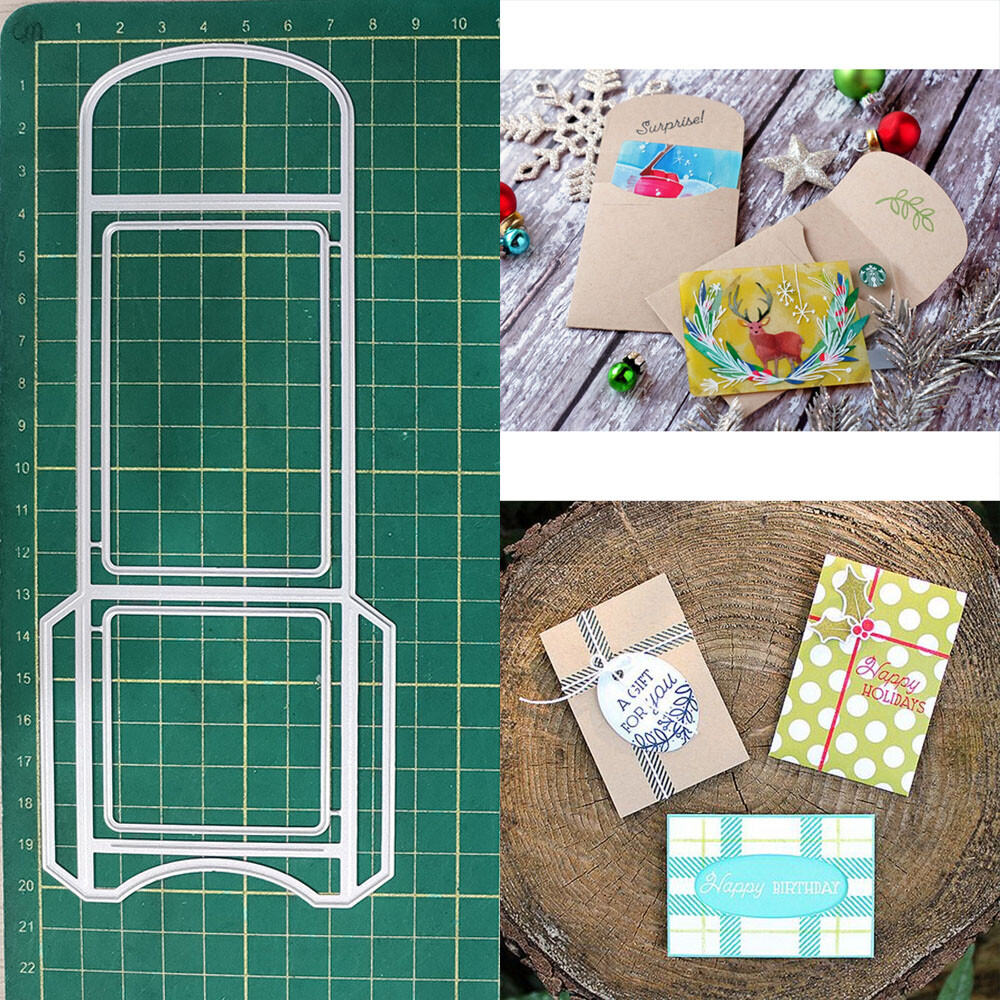 Envelope Metal Cutting Dies Scrapbooking Paper Crafts Embossing Stencil Die Cut$13.12Last checked Nov 21, 2026View on eBay
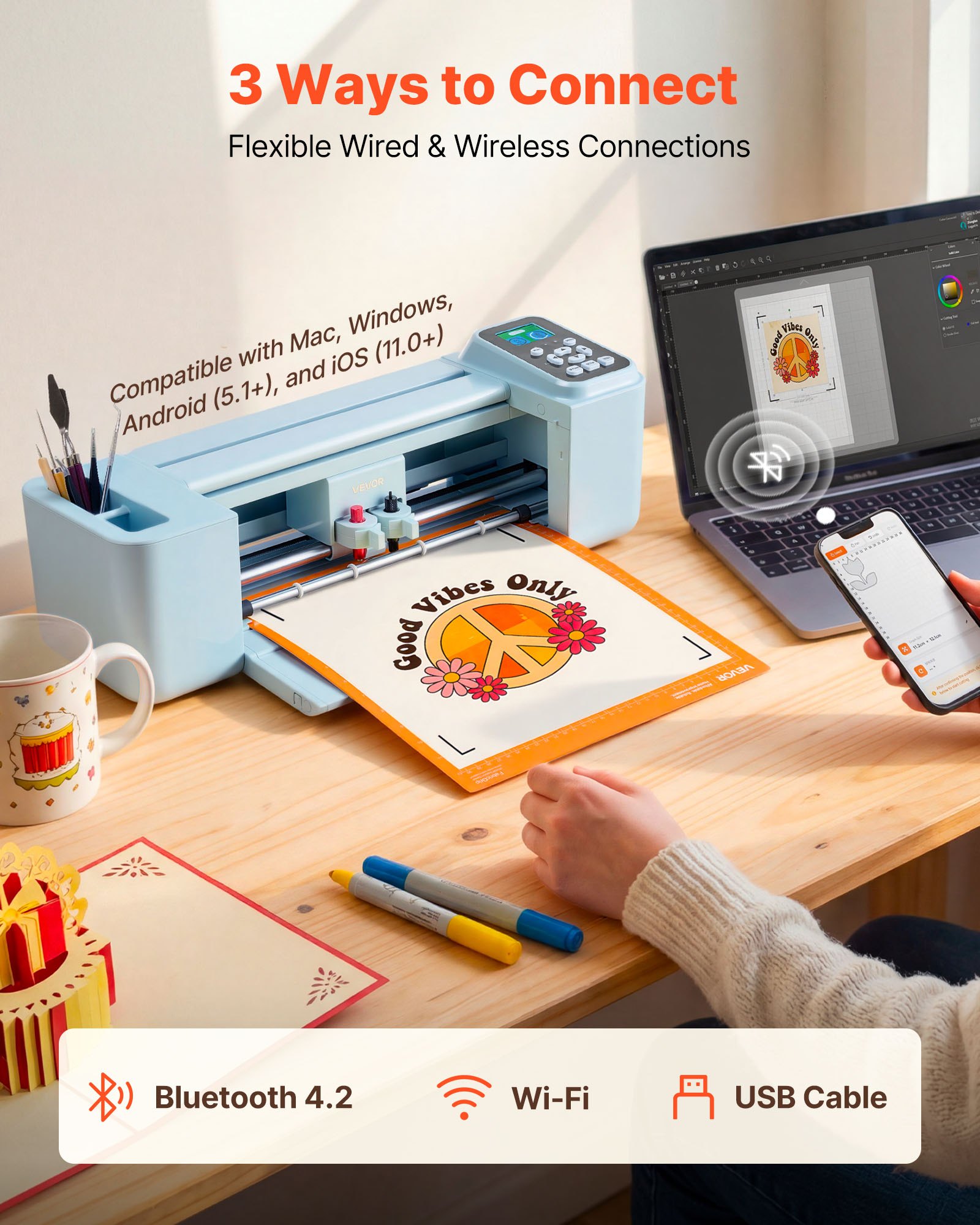 Vinyl Cutting Machine, 12 In, Button And Screen Controlled Cutter With Materials And Tool Kit, 5000+ Built-in Design Resources, Compatible Mac, Windows, Android And IOS, For Crafts$307.99View on Mallflare
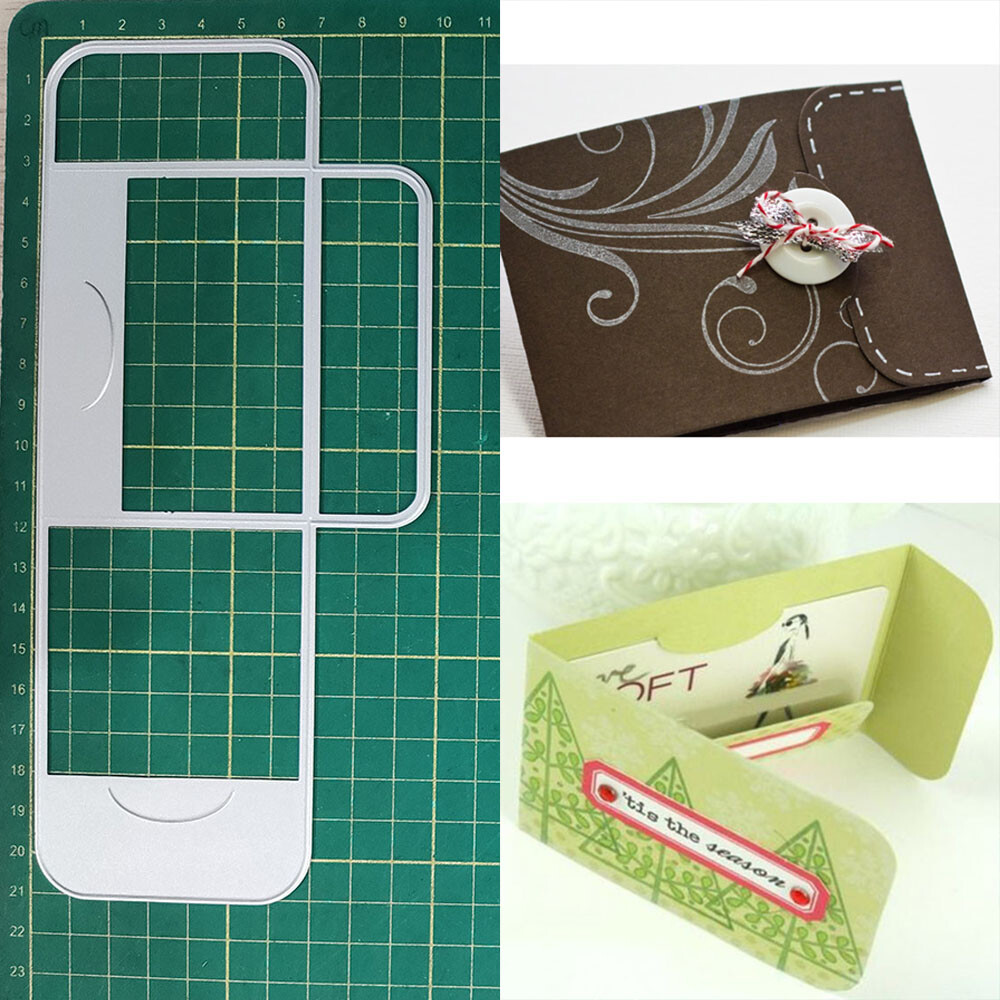 Envelope Metal Cutting Dies Scrapbooking Paper Crafts Embossing Stencil Die Cut$14.07Last checked Nov 20, 2026View on eBay
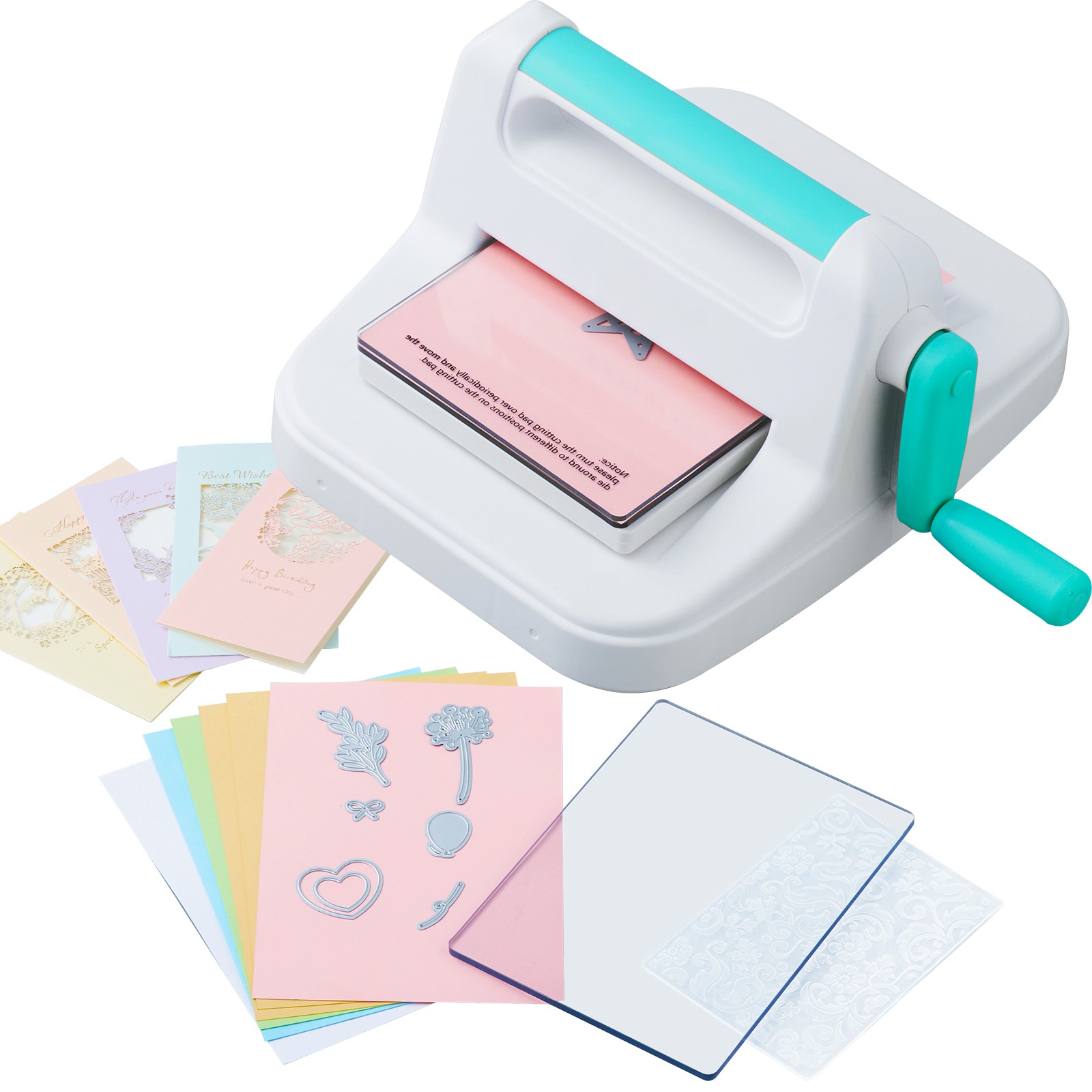 Manual Die Cutting Embossing Machine 6" Opening For Art Craft Scrapbooking$54.99Last checked Nov 28, 2026View on eBay
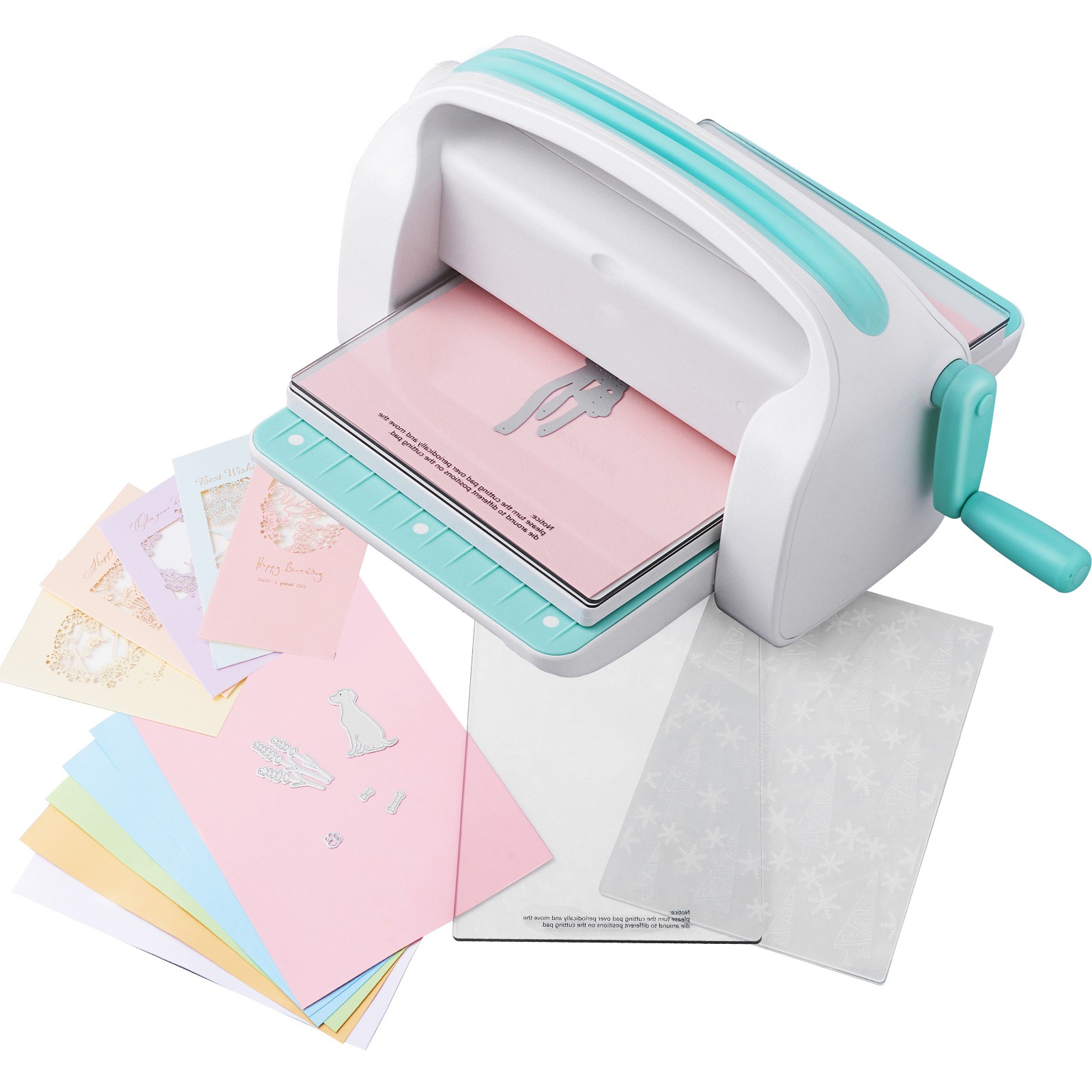 Manual Die Cutting Embossing Machine 9" Opening For Art Craft Scrapbooking$86.99Last checked Nov 29, 2026View on eBay
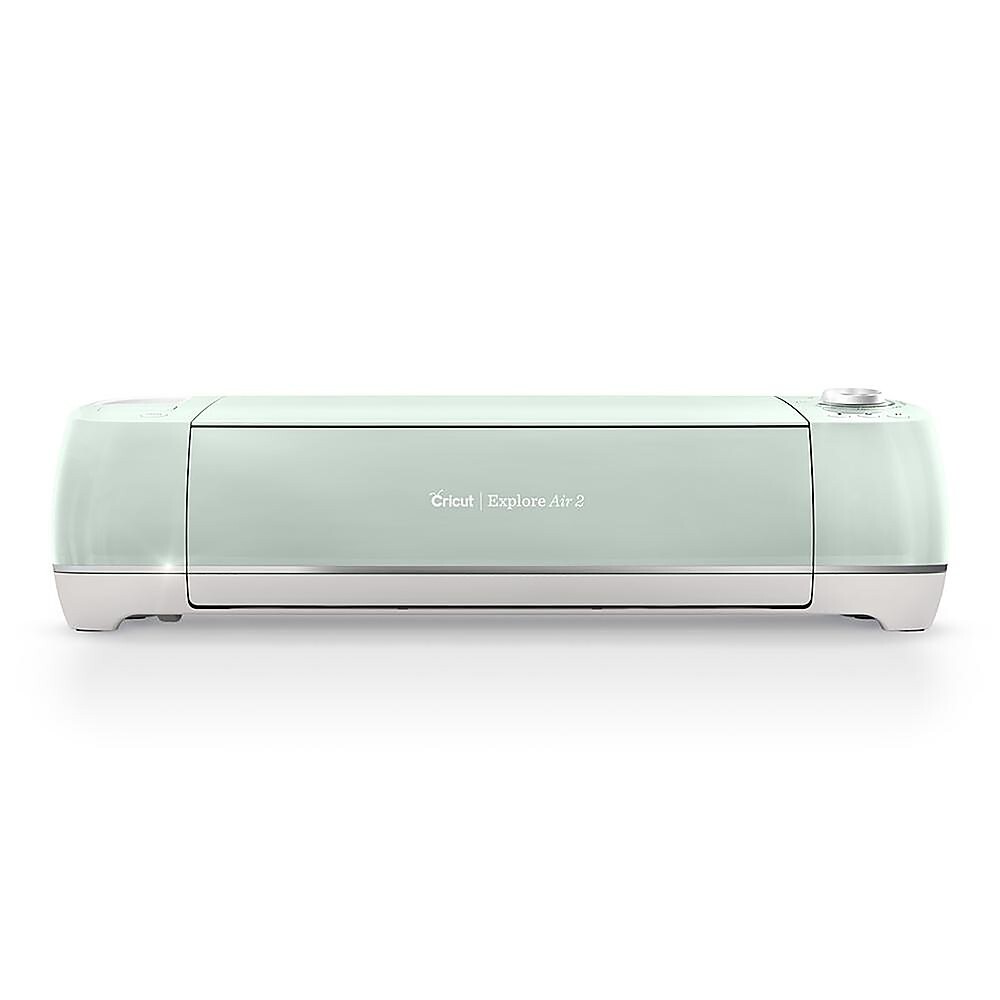 Cricut Explore Air 2 Craft Cutting Machine - Mint™$144.66View on eBay
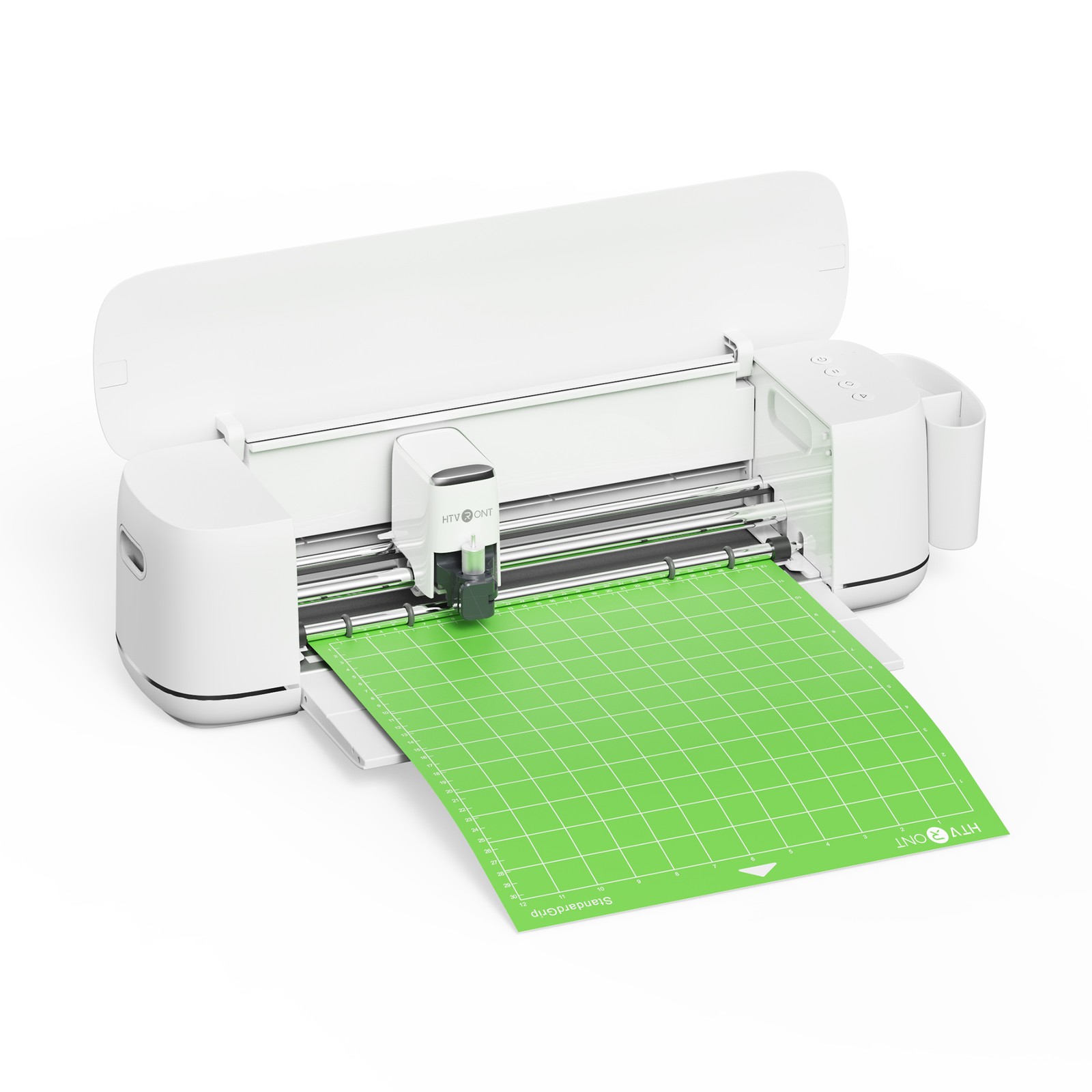 Cutting Machine 2 for All Vinyl Crafts w/ Bluetooth & USB Vinyl Cutter Machine$149.00Last checked Nov 28, 2026View on eBay
- Cricut Explore Air 2 Craft Cutting Machine - Mint - [LN]™$169.66View on eBay
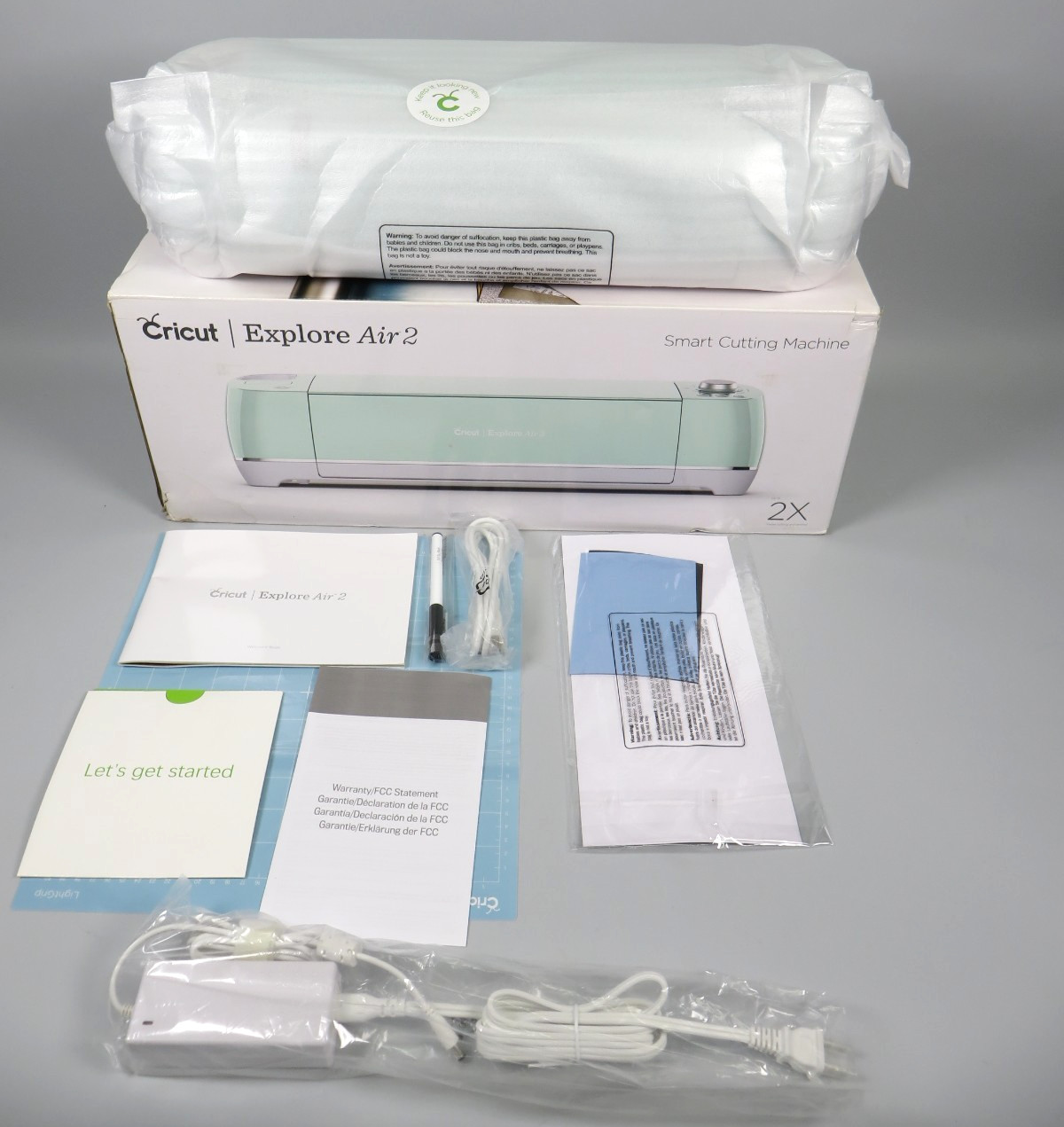 Cricut Explore Air 2 Mint Green Vinyl Cutter Hobby Craft Cutting Machine$170.99Last checked Nov 29, 2026View on eBay
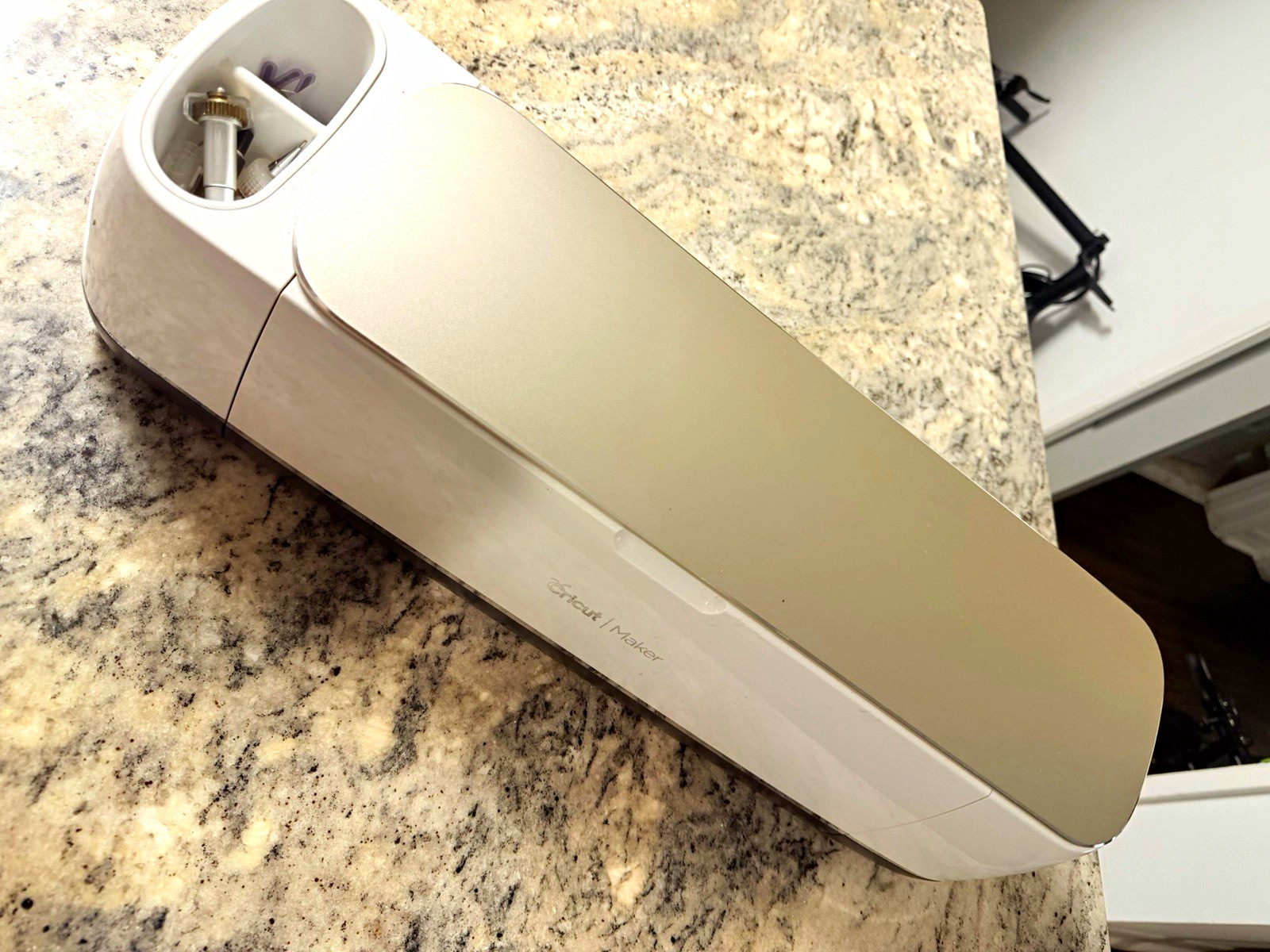 Cricut Maker Electronic Die Cutting Machine Craft Cutting System$290.00Last checked Nov 17, 2026View on eBay
Highlights
- Digital cutters use either drag-blade carriages (vinyl, paper) or higher-force mechanisms (Cricut Maker's adaptive tool system) for fabric and balsa; blade force directly caps material thickness.
- Cutting width tiers matter: 6-inch manual presses and compact cutters handle cardstock and small dies; 12-inch digital cutters match standard 12x12 vinyl rolls and mat sizes.
- Cricut Explore Air 2 is a drag-blade Bluetooth cutter; Cricut Maker adds a stronger carriage for rotary blades and deep-cut tools — a genuine architecture difference, not a firmware tier.
- Manual die-cutters rely on roller pressure and steel-rule dies; opening width (6 in vs 9 in) and plate stack compatibility determine which die sizes and embossing folders fit.
Best use cases
- Pick a 12-inch digital cutter (Explore Air 2 class) for vinyl decals, HTV, and paper — this is the right fit for varied custom shapes from software; skip manual presses if you need freeform design.
- Pick a 6- or 9-inch manual die-cutter for card making and scrapbooking with steel dies and embossing folders — right for repetitive, thick-media pressing; skip if you need software-designed one-off shapes.
- Pick a Cricut Maker-class machine only if you cut fabric, balsa, or leather regularly; the adaptive tool system is overkill for vinyl-only crafters who should stay with Explore-tier drag-blade cutters.
- Skip any digital cutter if you lack a computer or phone with reliable app/software support — manual presses are the correct no-software configuration for classrooms and shared craft rooms.
Buying tips
- Match cutting width to your media: 12-inch machines accept standard 12x12 mats and 12-inch vinyl rolls; 6-inch presses limit you to small dies and card-size stock.
- Confirm blade/tool architecture before buying: drag-blade carriages cut vinyl and paper only, while adaptive or deep-cut tool systems are required for fabric, leather, and balsa.
- For manual presses, verify plate stack and die compatibility — machines are built around specific plate thicknesses, and mismatched dies jam or fail to cut cleanly.
- Check connectivity and software: Bluetooth plus cloud/app design (Cricut Design Space class) versus button-and-screen standalone cutters with built-in designs; standalone units cut without a PC but offer less design freedom.
Specs
| Drive Type | Digital drag-blade vs manual roller press |
|---|---|
| Cutting Width | 6 in / 9 in manual; 12 in digital |
| Media Capability | Vinyl/paper vs fabric/leather/balsa |
| Connectivity | Bluetooth/USB vs standalone button control |
Related searches
What to check before buying
- Measure your workspace: 12-inch digital cutters need clearance for the mat to feed front and back, typically at least 24 inches of depth.
- Confirm your computer or mobile device supports the required design software and that Bluetooth or USB connectivity is available in your craft area.
- For manual die-cutters, verify your existing dies and embossing folders match the machine's plate width and stack height before choosing 6-inch vs 9-inch.
- Check power standards for electric cutters (regional voltage and plug type) and that replacement blades, mats, and tools are available in your region.
FAQ
Data sources: eBay / Amazon listings and product attribute feeds. Updated Nov 29, 2026.
Some links on this page are affiliate links. If you buy after clicking one, we may earn a commission at no extra cost to you. This does not change which products appear here or their order. Affiliate disclosure.