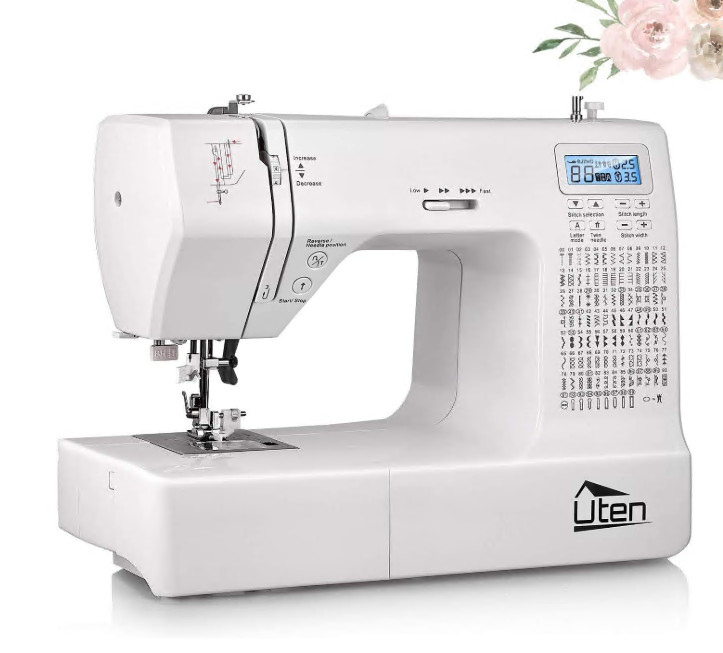

Photos from current listings. Actual item, color, and included accessories may vary.
Embroidery Sewing Machine Buying Guide
Embroidery sewing machines combine a sewing head with a programmable embroidery arm, letting you stitch built-in designs and monograms without a separate module. The core trade-off is hoop size, stitch repertoire, and motor durability versus portability and budget: entry combos cap at small hoops and plastic frames, while dedicated embroidery-only or large-hoop machines handle bigger designs and heavier fabrics. Buy a machine whose maximum hoop and needle system match your typical project; skip anything that forces you to re-hoop constantly or lacks adjustable presser-foot pressure.
Key takeaways
- Hoop size is the hard limit: 4x4 in handles monograms and small motifs; 5x7 in covers most home projects; 6x10 in or larger is needed for jacket backs and quilt blocks.
- Combo machines add embroidery to a sewing machine; embroidery-only heads (e.g., Brother PE series) give larger hoops per dollar but cannot do standard garment sewing.
- Needle system and presser-foot pressure: a 15x1 needle with adjustable foot pressure handles knits and heavy denim; fixed low-pressure feet skip or bunch on thick seams.
At a glance
- Category
- Craft Cutting, Embroidery & Heat Press Machines
- Last updated
- Nov 29, 2026
Current offers
Highlights
- Hoop size is the hard limit: 4x4 in handles monograms and small motifs; 5x7 in covers most home projects; 6x10 in or larger is needed for jacket backs and quilt blocks.
- Combo machines add embroidery to a sewing machine; embroidery-only heads (e.g., Brother PE series) give larger hoops per dollar but cannot do standard garment sewing.
- Needle system and presser-foot pressure: a 15x1 needle with adjustable foot pressure handles knits and heavy denim; fixed low-pressure feet skip or bunch on thick seams.
- Bobbin type matters: top-loading drop-in bobbins are quicker to swap; front-loading bobbin cases (e.g., Brother SE600) tolerate higher speeds but require removing the accessory tray.
Best use cases
- Best fit: home monogramming and small gifts — pick a 4x4 or 5x7 hoop combo with 100+ built-in designs; skip 6x10+ machines unless you regularly stitch large backings.
- Best fit: quilting and garment construction — choose a combo with adjustable presser-foot pressure and a wide extension table; skip embroidery-only heads that cannot straight-stitch.
- Best fit: small business or craft-fair production — pick a dedicated multi-needle or large-hoop machine with USB design transfer and 800+ SPM; skip 4x4 entry models that bottleneck throughput.
Buying tips
- Match hoop to project: 4x4 in for monograms, 5x7 in for most home decor, 6x10 in+ for jacket backs; designs larger than the hoop require splitting and re-hooping.
- Check stitch speed and motor: 400–600 SPM suits hobby use; 800+ SPM with a DC motor handles production runs without overheating on long designs.
- Confirm design transfer: USB-A or direct PC connection beats proprietary cards; built-in designs plus USB import covers most home needs without a subscription.
- Verify bobbin and needle standard: 15x1 needles and Class 15 bobbins are widely stocked; proprietary bobbins create long-term supply lock-in.
Specs
| Hoop Size | 4x4 / 5x7 / 6x10 in+ |
|---|---|
| Machine Type | Combo sewing+embroidery vs embroidery-only |
| Stitch Speed | 400–600 SPM hobby / 800+ SPM production |
| Design Transfer | USB-A / PC cable vs built-in only |
Related searches
What to check before buying
- Measure your workspace: embroidery arms extend 10–20 in behind the machine; allow at least 24 in depth and a sturdy table that won't vibrate at 600+ SPM.
- Check power: most home machines run 100–240 V with a regional plug; confirm the included adapter matches your outlet before first use.
- Confirm companion parts: embroidery hoop, bobbin winder, foot pedal, and design-transfer cable should be in the box; missing hoops are costly to add later.
- Test fabric compatibility: adjustable presser-foot pressure and a drop feed dog are required for free-motion quilting and bulky knits; fixed-feed machines limit you to woven fabrics.
FAQ
Data sources: eBay / Amazon listings and product attribute feeds. Updated Nov 29, 2026.
Some links on this page are affiliate links. If you buy after clicking one, we may earn a commission at no extra cost to you. This does not change which products appear here or their order. Affiliate disclosure.