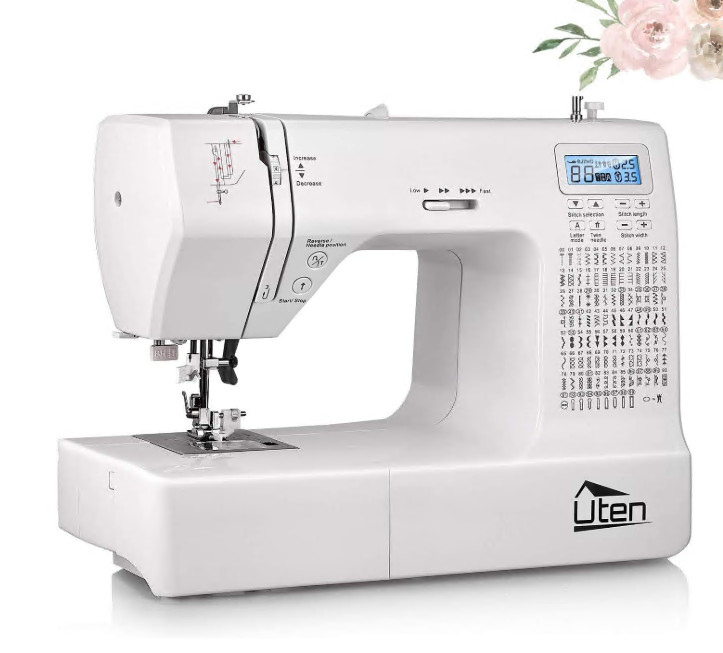

Photos from current listings. Actual item, color, and included accessories may vary.
Sewing And Embroidery Machine Buying Guide
A sewing and embroidery machine combines a conventional lockstitch sewing head with a programmable embroidery arm and hoop system, so the core trade-off is between a single-function mechanical sewer and a computerized combo unit that adds embroidery mechanics and software. Durable combo units use metal internal frames, independent bobbin-winding motors, and USB or direct-connect file transfer; compromised units cut corners with all-plastic drivetrains and closed, non-exportable embroidery formats. The clear decision rule: buy a combo only if you need both utility sewing and hoop embroidery in one footprint; otherwise a dedicated sewing machine plus a separate embroidery-only unit delivers better stitch quality per dollar.
Key takeaways
- Combo machines are classified by embroidery field size: small hoops (~4x4 in) suit monograms and patches, while 5x7 in or larger fields are required for jacket backs and quilt blocks.
- Computerized units store designs internally and transfer via USB-A or USB-C; Brother and Baby Lock use .PES, Janome uses .JEF, Bernina uses .EXP, and Bernette uses .ART — format lock-in dictates which design marketplaces you can use.
- Stitch count and speed (spm) are separate specs: entry combo units run 400-650 spm embroidery and ~850 spm sewing, while mid-tier units reach 850-1,000 spm embroidery with automatic thread trimmers.
At a glance
- Category
- Craft Cutting, Embroidery & Heat Press Machines
- Last updated
- Nov 29, 2026
Current offers
Highlights
- Combo machines are classified by embroidery field size: small hoops (~4x4 in) suit monograms and patches, while 5x7 in or larger fields are required for jacket backs and quilt blocks.
- Computerized units store designs internally and transfer via USB-A or USB-C; Brother and Baby Lock use .PES, Janome uses .JEF, Bernina uses .EXP, and Bernette uses .ART — format lock-in dictates which design marketplaces you can use.
- Stitch count and speed (spm) are separate specs: entry combo units run 400-650 spm embroidery and ~850 spm sewing, while mid-tier units reach 850-1,000 spm embroidery with automatic thread trimmers.
- Build grade correlates with frame material: metal chassis and metal bobbin case assemblies hold tension at high speed, whereas plastic hook races and nylon gears wear and skip stitches on dense embroidery.
Best use cases
- Best fit: home sewists who want monograms, appliqué, and small logos on gifts — choose a 4x4 in field combo with built-in lettering and USB import; skip large-field models you will never use.
- Best fit: small craft sellers doing names on hats, aprons, and baby items — pick a 5x7 in field unit with automatic thread trimming and at least 100 built-in designs; skip 4x4-only machines because most commercial blanks exceed that field.
- Wrong fit: quilters piecing large quilts — a combo's embroidery arm adds cost and maintenance you do not need; choose a dedicated high-throat sewing machine (9 in or more) plus a separate longarm or embroidery-only unit.
- Wrong fit: heavy-duty canvas, denim, or leather sewing — combo machines are light-to-medium duty; choose a mechanical or semi-industrial straight-stitch machine with a walking foot and metal gears.
Buying tips
- Match the hoop, not the marketing: measure your largest planned design and add 1 in on each side; a 5x7 in field (130x180 mm) is the practical minimum for adult shirt backs and tote bags.
- Check the embroidery file formats supported before buying: if the machine only reads its own proprietary format and ships without conversion software, you are limited to that brand's design library.
- Verify the bobbin system: top-loading drop-in bobbins are easier to thread and standard on most computerized combos, while front-loading bobbin cases are common on mechanical machines and require more practice.
- Prioritize automatic needle threader, automatic thread cutter, and adjustable presser-foot pressure — these three features do more for daily usability than a higher built-in stitch count.
Specs
| Embroidery Field | 4x4 in vs 5x7 in vs 6x10+ in |
|---|---|
| Machine Type | Computerized combo vs mechanical sewing |
| File Format | .PES / .JEF / .EXP / .ART |
| Stitch Speed | 400-1,000 spm embroidery |
Related searches
What to check before buying
- Measure your sewing table depth and height clearance: combo units with embroidery arms need 12-18 in of clear space behind and beside the machine for hoop movement.
- Confirm your power standard: most home machines are 120V/60Hz for North America or 220-240V for Europe/Asia; a voltage converter is required if the plug and voltage do not match your outlet.
- Check hoop and accessory compatibility: extra hoops, bobbin winders, and presser feet are model-specific; confirm a standard hoop size and foot style are available before committing to a brand.
- Verify computer connectivity: USB-A is universal on older units, USB-C and Wi-Fi are appearing on newer models, and direct PC connection requires the correct cable and software version.
FAQ
Data sources: eBay / Amazon listings and product attribute feeds. Updated Nov 29, 2026.
Some links on this page are affiliate links. If you buy after clicking one, we may earn a commission at no extra cost to you. This does not change which products appear here or their order. Affiliate disclosure.